





 Portuguese
  English
  Spanish
  5 min of reading
  0 comments


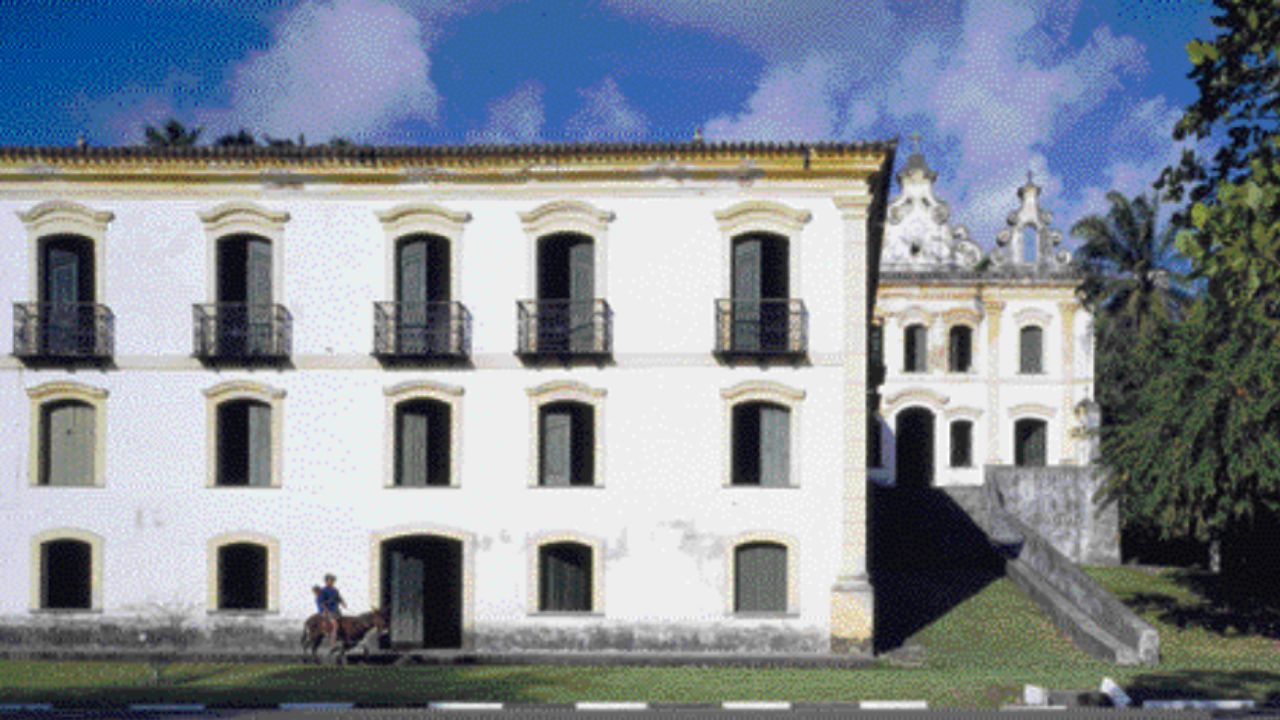
From Coffee Mansions to Faria Lima Skyscrapers, the History of Luxury Construction in Brazil Reveals How Each Economic Cycle Shaped the Landscape and the Identity of the Elites.
High-end architecture in Brazil has always functioned as a precise seismograph of transformations in power and capital. Much more than a passive reflection of wealth, luxury construction in Brazil is an active instrument, used by new elites to build their identity, legitimize their status, and differentiate themselves from the groups that preceded them. The built space becomes the stage where “new money” materializes and displays itself.
With each new wave of prosperity, the urban and rural landscape is rewritten, leaving an indelible record of the aspirations and worldviews of those who hold economic power. This journey spans four defining eras: the Coffee Empire, the Industrial Era, the agricultural commodities boom, and, finally, the rise of financial capital with the ‘Faria Limers’.
Why Did the Coffee Barons Build a “Europe” in Brazil?
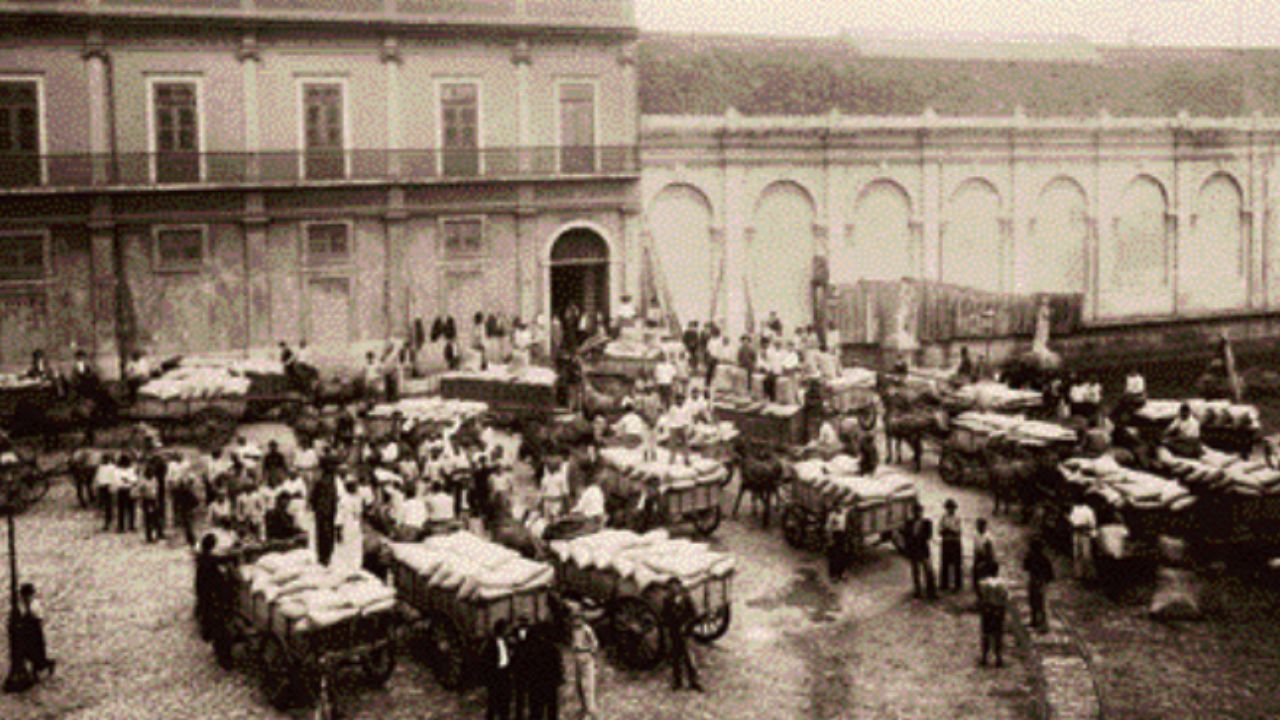
At the height of the coffee cycle, between 1870 and 1930, a powerful agrarian elite accumulated unprecedented fortunes. Although their wealth came from Brazilian land, the cultural compass of the “Coffee Barons” pointed directly to Europe. For them, architecture was a tool for social affirmation. As detailed in material from the Iphan portal, “The Formation of Brazil,” the mansions were not just residences, but a “necessary strategy of power assertion”. Opulence was quantified in visible elements, such as the number of windows on the facade or the capacity of the dining table.
-
SpaceX sets share price at $135 and targets a historic $75 billion IPO to debut on Nasdaq with a trillion-dollar market value

-
While the world rushes to mine lithium from Congo and Chile, Brazil sits on one of the largest reserves and has barely begun to explore.

-
Heir worked at thirteen in an ice cream factory without revealing he was the owner’s son; today, at twenty-five, he leads the best-selling ice cream brand for home consumption in the Northeast, grosses almost R$ 300 million, has 145 stores, and competes with multinationals with regional flavors.
-
Lock manufacturer from Rio Grande do Sul invests R$ 150 million to surpass R$ 1 billion in revenue, create 200 jobs, and double storage capacity, while choosing Santa Catarina to set up a new logistics center and speed up deliveries in Southern Brazil.


Disregarding local construction traditions, the barons imported “international fashions” such as Eclecticism and Art Nouveau. The Iphan source explains that this choice was a way to differentiate and legitimize a newly acquired status. By blending elements from various European historical periods, Eclecticism allowed for the creation of grand facades that showcased their owners’ purchasing power. Avenida Paulista in São Paulo became the grand showcase of this power, with examples like the Joaquim Franco de Mello Palace (1905), which combined influences to deny any trace of Brazilian construction tradition.
How Did the Industry Shape the Urban Landscape with Modernism?

The 1929 crisis marked the decline of agrarian hegemony and the beginning of a systematic effort for industrialization. This transition gave rise to a new elite: the industrial bourgeoisie, whose power was based on capital and factory management. The worldview of this new group was marked by ideals of progress, efficiency, and rationality, with a strong admiration for Taylorism. This mentality was consolidated with the creation of the Institute of Rational Work Organization (IDORT), which advocated standardization to discipline the workforce, as pointed out in the study “Taylorism, Fordism, and Toyotism” from the magazine Horizontes.
To differentiate themselves from the opulence of the coffee barons, this new elite found in modernist architecture the perfect expression of their values. With straight lines, absence of ornaments, and use of materials such as reinforced concrete and glass, Modernism symbolized a break with the agrarian past. Verticalization became the logical solution for the metropolis, and the luxury apartment emerged as an anti-mansion manifesto. The Esther Building (1935) in São Paulo was a landmark of this era, representing the idealized industrial city: efficient, vertical, and multifunctional.
Where Does Agribusiness Money Build Its Fortresses?
From the 2000s onward, Brazil established itself as a superpower in agribusiness, generating a new cycle of extraordinary capital accumulation. However, this prosperity deepened inequality. According to data published by the Brasil de Fato portal, the rural income of the 0.01% richest people in the country grew an impressive 248% between 2017 and 2022. The study reveals a fundamental characteristic of this new elite: “the highest incomes in agriculture [⋯] are held by economic agents who live in cities”.
The money from the countryside sparked an explosion of ultra-luxury condominiums, primarily in the countryside and the Midwest. The architecture of this era is a seclusion architecture, focused on seclusion and maximum security. Luxury is no longer in the public facade, but in the infrastructure of a private resort: helipads, horse farms, wineries, and golf courses, all protected by high walls. The goal is to create a self-sufficient ecosystem of leisure and comfort. Luxury, which once symbolized civic power, has become a symbol of social evasion.
What is the New Luxury for the Financial Market Elite?
In the last decade, Avenida Faria Lima in São Paulo has established itself as the epicenter of financial capital, giving rise to the elite of ‘Faria Limers’. The wealth of this group is more abstract, and their lifestyle is marked by a extreme valuation of efficiency and time. This mentality prompted a reversal in spatial logic: whereas before the elite distanced themselves from the center, today the maxim is that “the new luxury is living nearby”. Time spent in traffic is an unacceptable cost.
In response, the area has become the main hub for ultra-high-end residential towers, with apartments that can exceed R$ 100 million. The great differential is the sophistication of services: 24-hour concierge, helipad, and integration with luxury hotels. Architecture becomes a service platform, and value shifts to intangible assets such as time, convenience, and the prestige of branded residences. The residence becomes a tool for life optimization, designed to maximize time for generating more capital.
A Story Told in Concrete, Glass, and Walls
The trajectory of luxury construction in Brazil is a faithful chronicle of the country’s economic cycles. Architecture transitioned from the public ostentation of the coffee barons to the modernist rupture of the industrialists; evolved into the fortified seclusion of agribusiness magnates; and finally, arrived at the pursuit of convenience and efficiency by the financial elite. Each style and each brick not only reflect the economy but reveal the aspirations, anxieties, and deep contradictions of their time.
Do you agree with this change? Do you think it impacts the market? Leave your opinion in the comments; we want to hear from those who live this in practice.





-

-

-

7 people reacted to this.