Portuguese
  Spanish


For the first time since 1943, the United States is building a new dry dock in Pearl Harbor: a $3.4 billion structure, designed to last 150 years and tailor-made for nuclear attack submarines, erected exactly where World War II began for Americans.
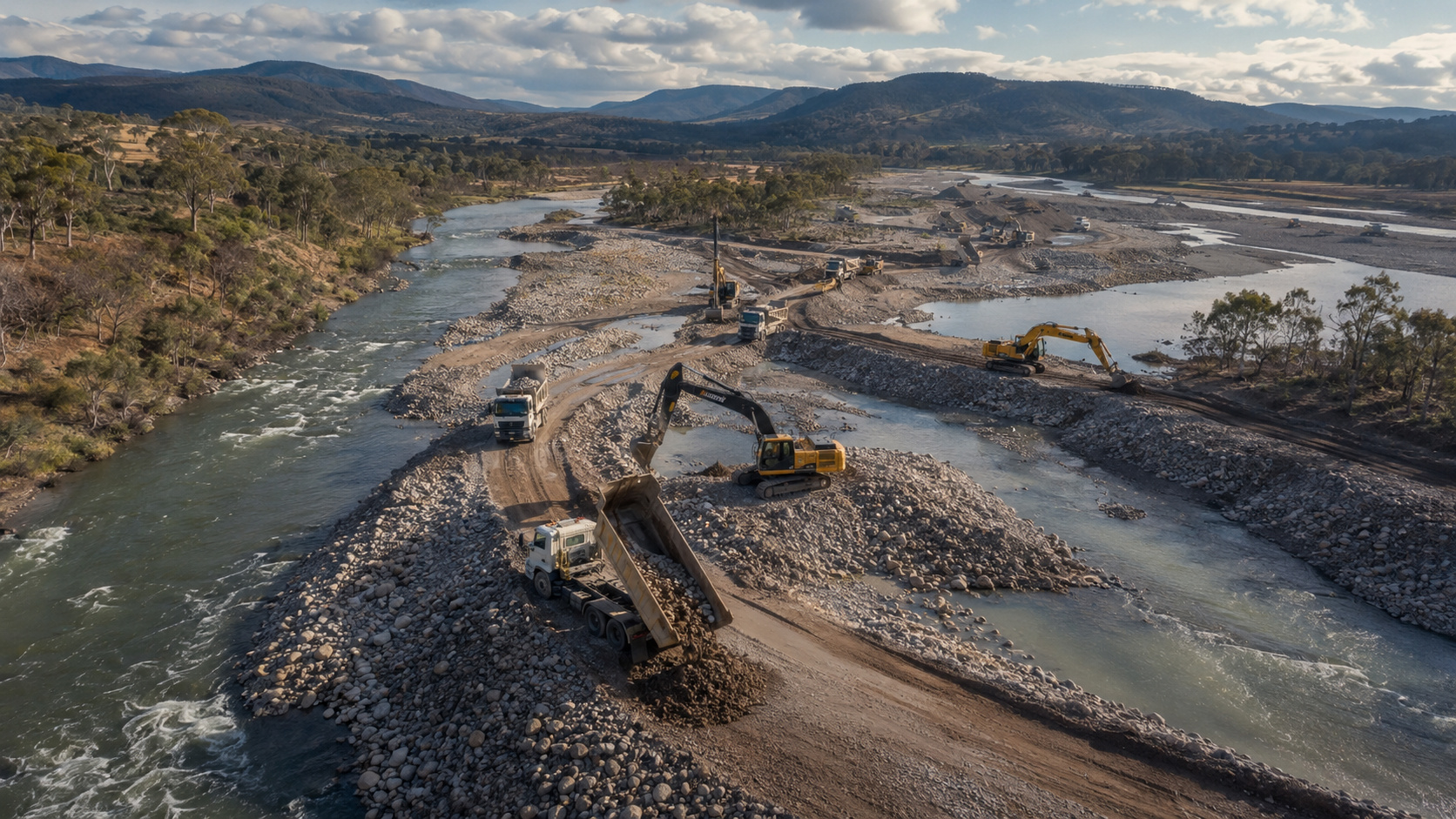
The project is called Dry Dock 5 and is located at the Pearl Harbor Naval Shipyard in Hawaii. It is the first dry dock built there in more than eight decades, and the cost is not modest: $3.42 billion, in a project that began in August 2023 and is expected to be completed in January 2028, with critical facilities scheduled for March 2027. When completed, it will be 657 feet, about 200 meters long.
The first new dock in over 80 years
The fact that Pearl Harbor hasn’t had a new dry dock since 1943 speaks volumes about the significance of this step. The structure is designed for 150 years of use, meaning it will serve generations of sailors not yet born. It is part of a larger U.S. Navy program, the SIOP, created to modernize old shipyards that have been operating at their limits, with docks barely able to handle today’s ships.
And the SIOP is no small feat. It is a plan worth tens of billions of dollars to renovate the four public shipyards of the United States Navy, several of which have docks dating back to before World War I. Pearl Harbor, Norfolk, Portsmouth, and Puget Sound form the backbone of fleet maintenance, and all have been lagging as ships become more modern and demanding. Renovating all of this at once is a race against aging itself.
-
France Revamps 530 Social Housing Units with Large Balconies and Glass Facades Without Demolishing Existing Buildings

-
Facing high rent, couple transforms parents’ garage into a fully functional apartment, creating a complete home at a fraction of the market cost.

-
MIT Scientists Develop Method to Transform CO₂ into a Construction Ally, Boosting Cement Strength by 13% in 24 Hours for More Sustainable Infrastructure
-
Canadian City Builds 8 Tiny Homes in 72 Hours for Homeless Youth, Plans 40 Affordable Houses for Female-Led Families Amid Housing Crisis


The World War II dock became too small
The reason for the urgency is simple and somewhat embarrassing for a superpower. The dock that had been in use, Dry Dock 3, was built in 1942 and simply does not have the size or floor strength needed to accommodate Virginia-class attack submarines, which are larger and heavier than older models. In other words, the structure from the World War II generation aged faster than the fleet it needs to serve.

All because of nuclear submarines
At the center of this story are the Virginia-class attack submarines, nuclear-powered vessels that can cross oceans without refueling and remain submerged for months. Pearl Harbor is the forward base that places these submarines at the heart of the Pacific, closer to Asia than any continental U.S. port. Without a dock capable of performing heavy maintenance on them there, the Navy would have to send each submarine back to the mainland, losing precious time. Unsurprisingly, the same race for modernization appears on other fronts, such as the arrival of the first refueling drones to American aircraft carriers.
To gauge what will enter this dock, each Virginia-class submarine costs around $3.5 billion, almost the price of the entire project, and carries cruise missiles capable of hitting targets hundreds of kilometers away. These are vessels designed to operate in silence, monitoring and, if necessary, attacking, without ever surfacing for weeks. The United States aims to build two per year, but the country’s naval industry is so strained that it can barely maintain this pace, making each advanced maintenance base even more valuable.
The ghost of 1941 and the shadow of China
There is a symbolic weight that is hard to ignore. Pearl Harbor is the place where, in December 1941, a surprise attack thrust the United States into World War II. Rebuilding naval power right there, more than eighty years later, is not a geographical coincidence, it’s a message. And the message has a clear recipient: China, which has been rapidly expanding its own fleet and pressuring the military balance in the Pacific. In a few years, the country has assembled the largest navy in the world in terms of the number of ships, with more than 370 ships and submarines, and has turned the western Pacific into the center of gravity of this century’s military competition. Every dock, every base, and every submarine that the United States can keep operating near Asia counts in this deterrence equation, and Pearl Harbor, which was once the target, returns to being the first line.
The $3.4 billion dock is just one piece of a larger effort by the United States to regain naval capability that had been rusting away. We saw this same movement when the country bought a used ship to regain an icebreaker in the Arctic, a sign of a power rushing to plug holes in its own structure.
I confess I keep thinking about the contrast. Taking four years and billions of dollars to build a single dock shows how slow and expensive heavy infrastructure is to erect and maintain, even for those with all the money in the world. I imagine the engineer who will retire without seeing the project yield its last year of useful life, around 2178.
When a power needs four years to build a single dock, who takes the lead in the Pacific naval race?