Portuguese
  Spanish


While Traditional Tax Havens Begin To Get Saturated, Dubai Emerges As The New Preferred Destination For Millionaires — With No Income Tax, Futuristic Infrastructure, And A Culture That Embraces Ostentation
Decades ago, Dubai was just a fishing village in the Persian Gulf. Today, it is one of the most sought-after destinations for billionaires, investors, and celebrities looking for a modern tax refuge. The city’s radical transformation is the result of a clear policy: attract capital, talent, and luxury with aggressive economic incentives.
With its complete exemption from income tax for individuals, Dubai has established itself as one of the most favorable places in the world for those looking to maximize wealth, live securely, and be surrounded by extreme comfort.
Zero Tax And Zero Bureaucracy: The Tax Haven Of The 21st Century
Unlike other traditional tax havens, Dubai offers more than just tax benefits. The emirate has simplified business registration processes, does not tax income, inheritance, or capital gains and maintains a very favorable regulatory environment for foreigners.
-
Largest Ocean Tank in the Americas Opens in Rio to Test Offshore Platforms, Ships, and Submarine Robots

-
Indian Girl, 13, Wins Google Prize for Low-Cost Water Purifier Made from Agricultural Waste
-
Brazilian University Tests Recycled Plastic Component for Homes, Aiming for More Sustainable Single-Family Housing Construction
-
Brazilian Artist Trades São Paulo Apartment for Self-Built Eco-Hut in Southern Brazil, Embracing Low-Impact Living


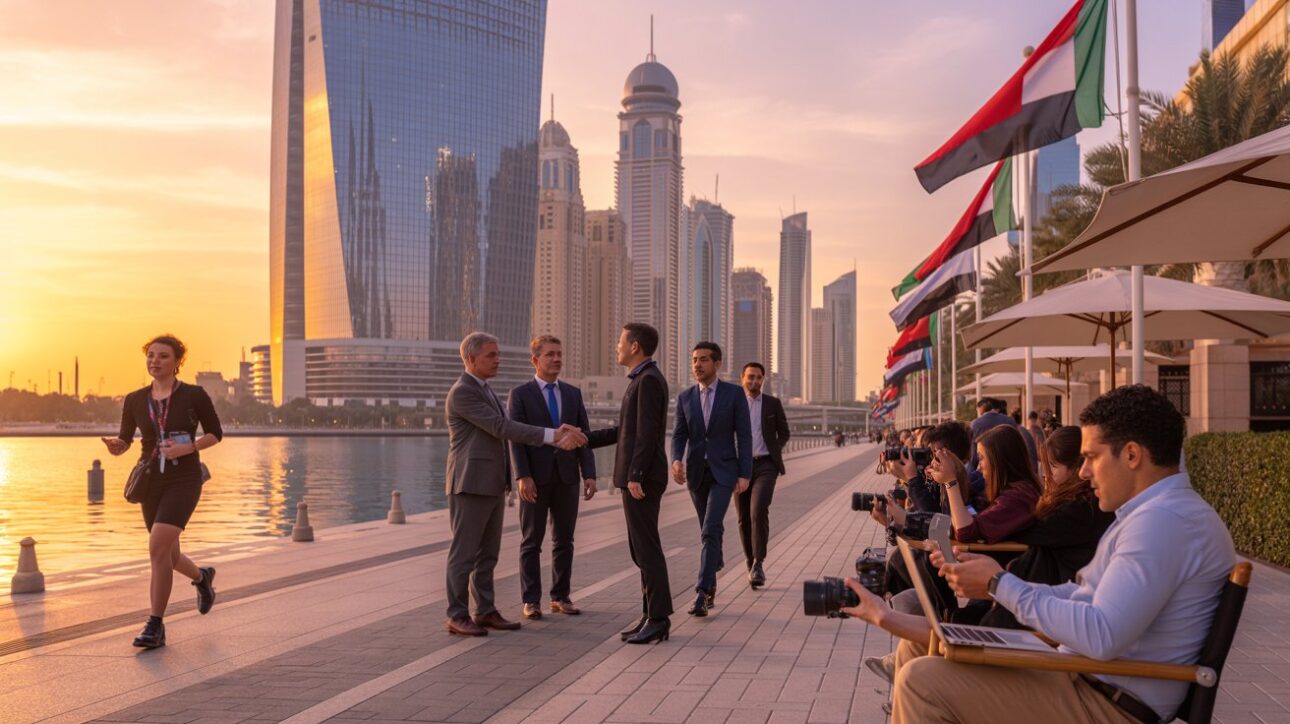
It is possible to open a business, obtain residency, and start operating quickly. This has transformed the city into a magnet for entrepreneurs, content creators, investors, and athletes from around the world.
Open Luxury: Where Ostentation Is Part Of The Culture
Unlike Monaco, which values silent discretion, Dubai embraces luxury as a symbol of public status. Gold cars, 7-star hotels, gleaming skyscrapers, artificial islands shaped like palm trees, and malls with ski slopes — everything is designed to impress.
For millionaires, this represents more than comfort: it is the possibility of living in an environment that values wealth as a social virtue, without judgments or cultural barriers.

A Real Estate Market Shaped For The Super-Rich
Dubai not only welcomes millionaires — it builds for them. Ultra-exclusive neighborhoods, such as Palm Jumeirah and Emirates Hills, offer beachfront mansions, private security, and 24-hour hospitality services.
Prices per square meter in the most prestigious areas can exceed $40,000, and yet, demand is growing. Many wealthy foreigners buy properties for investment or as a secondary residence, taking advantage of the market appreciation.
Security, Stability, And International Status
With strict laws, advanced surveillance, and a visible police presence, Dubai offers one of the safest urban environments in the world. Moreover, the city maintains political neutrality, economic stability, and an increasingly glamorous international image.
It is also the stage for luxury events, Formula 1, international fairs, and business forums, attracting a crowd that mixes financial capital and global influence.
What Does Dubai Need To Become The New Monaco?
Dubai has already surpassed Monaco in area, infrastructure, and global visibility. What still differentiates the two is the degree of traditional exclusivity and the sense of selective community, as mentioned here in the CPG recently. While Monaco maintains an “old” elite, Dubai represents the new global elite: diverse, mobile, and tech-savvy.
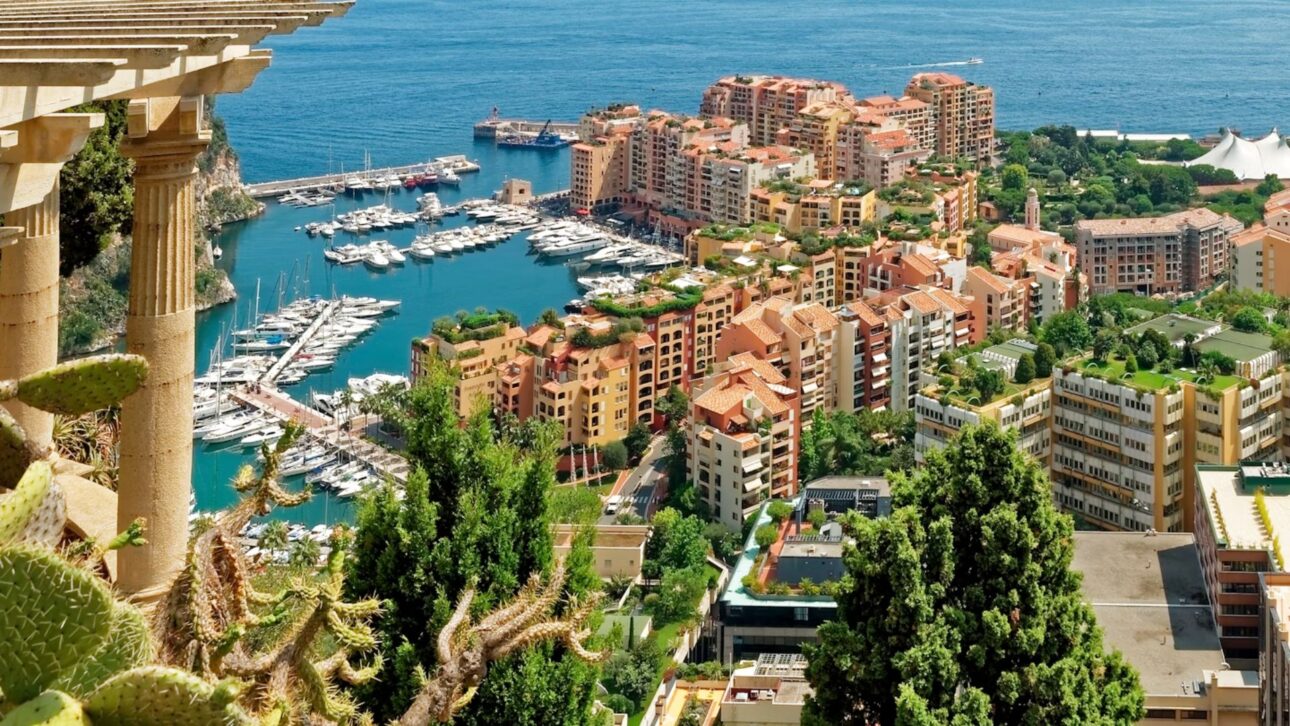
With its fiscal appeal and futuristic visual, it is increasingly common to see millionaires swapping the Mediterranean for the Arab desert, not only for economic reasons but for the experience of living in a city built for ostentation.
And Brazil?
With the increasing migration of Brazilian millionaires abroad in search of lower tax burdens and greater legal security, an inevitable question arises: What Would It Take For Brazil To Become A New Dubai?
Experts point out that besides tax incentives, factors such as political stability, public safety, modern infrastructure, and a favorable regulatory environment would be key elements to attract large fortunes and investments similarly to what occurs in the Arab emirate.
Data and analyses based on publications from Forbes, Bloomberg, Gulf Business, and specialized content in the luxury market.