Portuguese
  Spanish


In Annobón, the dispute between construction, dynamite, and cut internet affected bank, hospital, crops, water, and residents’ communication
An isolated African island in the Atlantic complained about dynamite explosions in a construction and ended up living almost a year without internet. The case occurred in Annobón, a territory of Equatorial Guinea with about 5,000 residents.
The information was published by AP News, the Associated Press agency portal. Residents wrote to the government in Malabo, the country’s capital, in July 2024, to complain about the detonations made by a Moroccan construction company.
From then on, the problem stopped involving just construction and quarry. The lack of internet affected banking services, hindered emergency care in the hospital, and made communication with those outside the island difficult.
-
Plow Uncovers 50 kg Iron Meteorite in Wisconsin Farm, First of Its Kind in Dane County After 15 Years Hidden

-
Starlink’s Direct-to-Cell Internet Takes Major Step Forward in Brazil with Regulatory Approval, Partnership with Carriers Needed for Antenna-Free Service

-
Brazilian Recycling Company Overcomes $200,000 Debt to Process 360 Tons of Plastic Monthly and Produce 27,000 Items Daily

-
The More You Love Someone, the Sleepier You Feel Around Them: Science Explains Why the Body Relaxes and Feels Safe with a Loved One





Residents complained about dynamite explosions and feared damage to water and crops
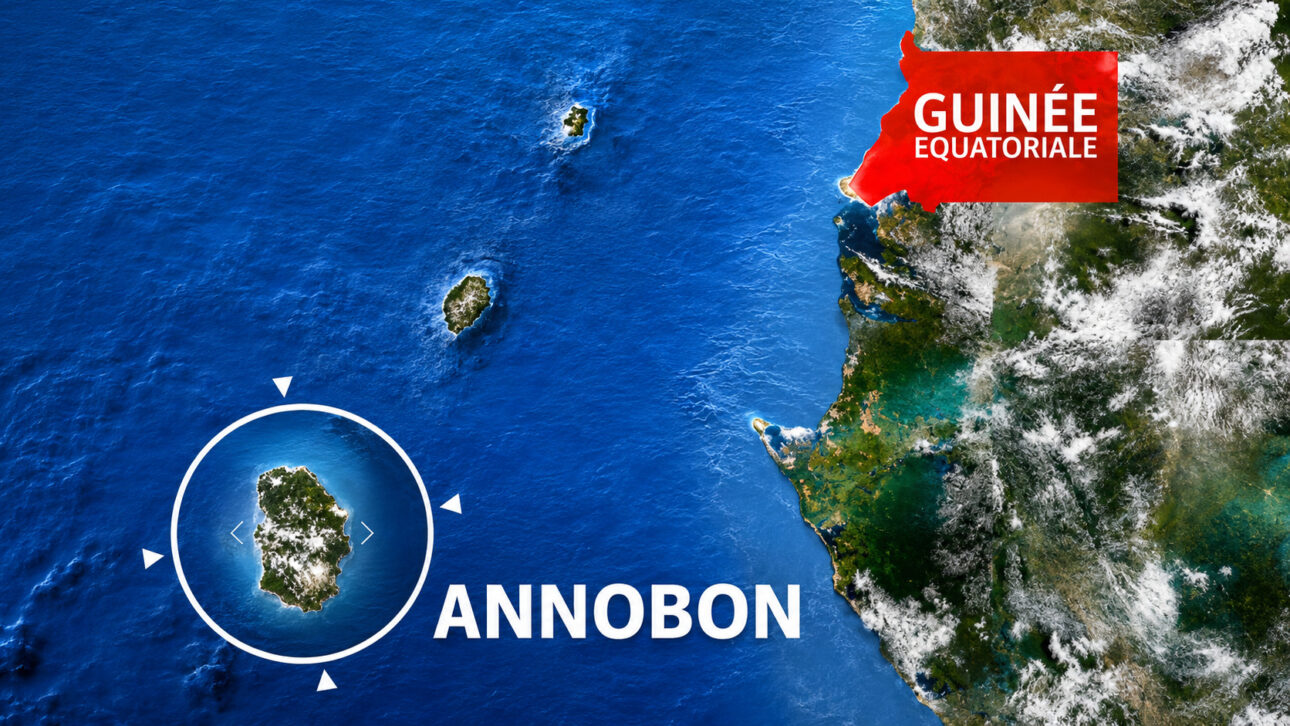
Annobón is located in the Atlantic Ocean, about 507 kilometers from the coast of Equatorial Guinea. The distance helps explain why any communication failure weighs so heavily on the residents’ lives.
The complaint sent to the government mentioned dynamite explosions made by Somagec, a Moroccan construction company. Dynamite is an explosive used to break rocks in constructions, quarries, and material extraction areas.
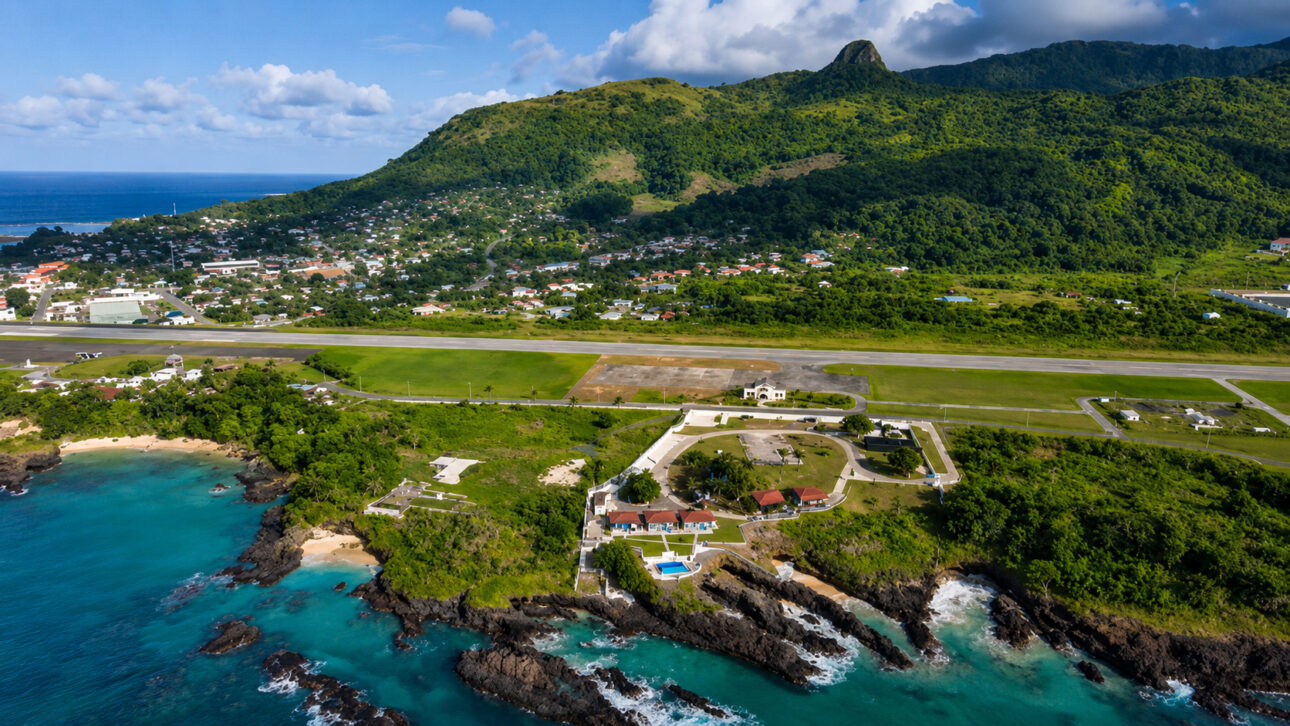
Residents and activists reported that detonations in open quarries and construction activities were affecting farmland and water supply. This point made the dispute more sensitive because it involves food, planting, and daily consumption.
The Somagec construction placed a quarry at the center of tension in Annobón
Somagec is connected to port construction and electricity transmission systems in West and Central Africa. On the island of Annobón, the company also built an airport opened in 2013.
The company’s presence on the island is linked to the natural formation of Annobón. The area has volcanic origins and is rich in rocks, making it attractive for extracting materials used in construction.
For the residents, however, the discussion took on a different weight. A quarry doesn’t just involve stone and machinery. When there are explosions near crops and water sources, fear starts to involve health, food, and survival.
Almost a year without internet stalled bank, hospital, and contact with family
The lack of internet in Annobón affected essential parts of daily life. Banking services stopped functioning, emergency hospital services were affected, and residents had to rely on cell phone calls.
AP News, the Associated Press agency portal, reported that residents left the island out of fear and the difficulty of living without the internet. Cell phone calls became the main form of communication and generated bills that were hard to pay.
The case shows that the internet is not just entertainment. On a remote island, it helps with banking, health, work, school, contact with relatives, and even in requests for help.
Without connection, the island became more isolated. The geographical isolation, which was already significant due to the distance from the continent, became even greater with the digital blockade.
Company denied involvement in the cut and defended the use of dynamite
Somagec confirmed the lack of internet but denied involvement in the cut. Roger Sahyoun, the company’s CEO, stated that the company also had to use a private satellite to get a connection.
He defended the dynamite blasts as an important part of construction projects. The company also stated that geotechnical and environmental studies indicated the quarry site as the most suitable.
Geotechnical is the study of soil and rocks. Environmental is the study of effects on nature. For the average reader, this means assessing whether the land and surroundings can support a particular construction.
Even with this defense from the company, residents continued to report impacts on daily life. The private internet used by the company was not made available to the island’s population.
The internet cut turned a complaint about construction into an infrastructure crisis
The complaint from July 2024 began with dynamite explosions, crops, and water. Later, the issue came to involve the arrest of residents, lack of internet, and stalled basic services.
Dozens of signatories and residents were trapped for almost a year. A signatory is someone who signs a document, such as a collective letter or a complaint sent to the government.
The government of Equatorial Guinea did not respond to the request for information about the condition of the island and internet access. Therefore, the safe point is that residents and rights groups reported the continuation of the cut and the impacts on daily life.
The construction continued on the island. Meanwhile, the residents remained at the center of a crisis that mixed physical infrastructure, such as quarry and construction, with digital infrastructure, such as internet access.
Annobón became an example of how an island can stop when connection and basic services fail
The case of Annobón draws attention because a complaint about dynamite in construction ended in almost a year of digital isolation. On an island with about 5,000 residents, the lack of internet affected the bank, hospital, communication, and family life.
The story also shows that a construction project cannot be seen only as concrete, stone, and machinery. When it occurs near crops and water, the impact can directly reach the table, health, and safety of a community.
Annobón was marked by a difficult sequence: dynamite explosions, fear about water and crops, internet cut, and impaired basic services. When a construction in an isolated area affects communication, health, and livelihood, who should ensure that the population is not left without a voice?