Portuguese
  Spanish


The sand removed by dredging and used in landfill and beach profiling has become a central piece in the advancement of Palm Jebel Ali, a project that Dubai wants to transform into a new growth corridor, with maritime works already mobilized, first fronts released for infrastructure and delivery of residences expected by the end of 2026
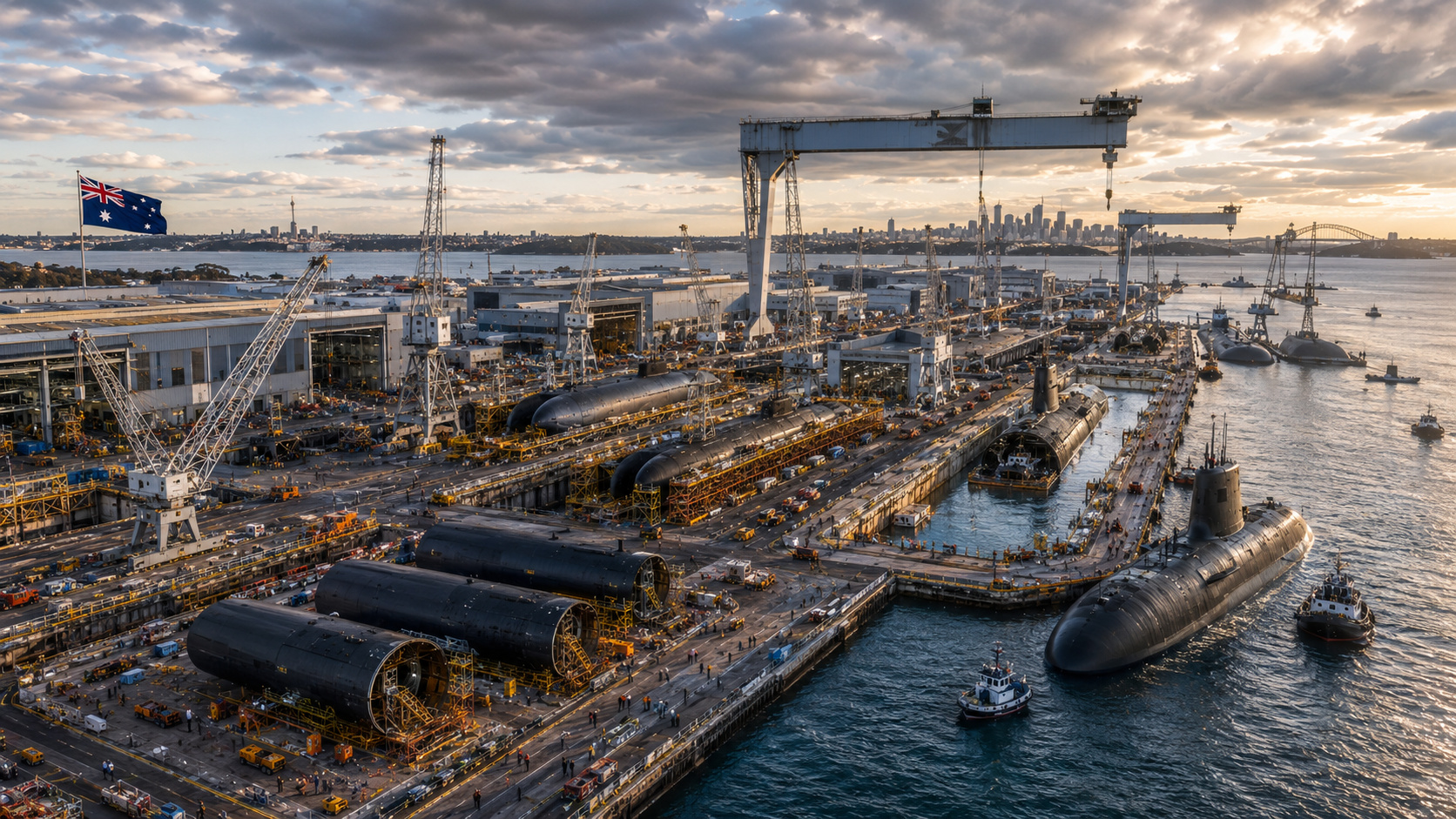
The sand is at the center of one of the largest real estate and maritime bets in Dubai. Nakheel, part of Dubai Holding Real Estate, signed on August 26, 2024 a 810 million contract with Jan De Nul Dredging LTD to carry out the maritime works of Palm Jebel Ali, an artificial mega-island located in the Jebel Ali area, in the United Arab Emirates. The package includes dredging, landfill, beach profiling, and sand deposition, fundamental steps to enable the construction of villas at all ends of the island.
The project is already in the mobilization phase and, according to the submitted base, the entire scope of maritime works is expected to be completed in just over two years. The first eight fronts should be ready for use in the first quarter of 2025, paving the way for the start of villa infrastructure and civil works. The sand moved in these stages is not a technical detail but a decisive part of the physical formation of the island and the delivery of one of Dubai’s most ambitious developments.
How the sand became the base of the new phase of Palm Jebel Ali
The contract shows that the sand will be used strategically to shape the new stage of the island. Jan De Nul Dredging will be responsible for removing material from the seabed, executing the landfill, adjusting the beach profile, and making the necessary deposition to support the advancement of residential areas.
-
72-Year-Old Man Spends Six Years Building a Rotating House for His Wife, Completing a Full Turn in 22 Seconds

-
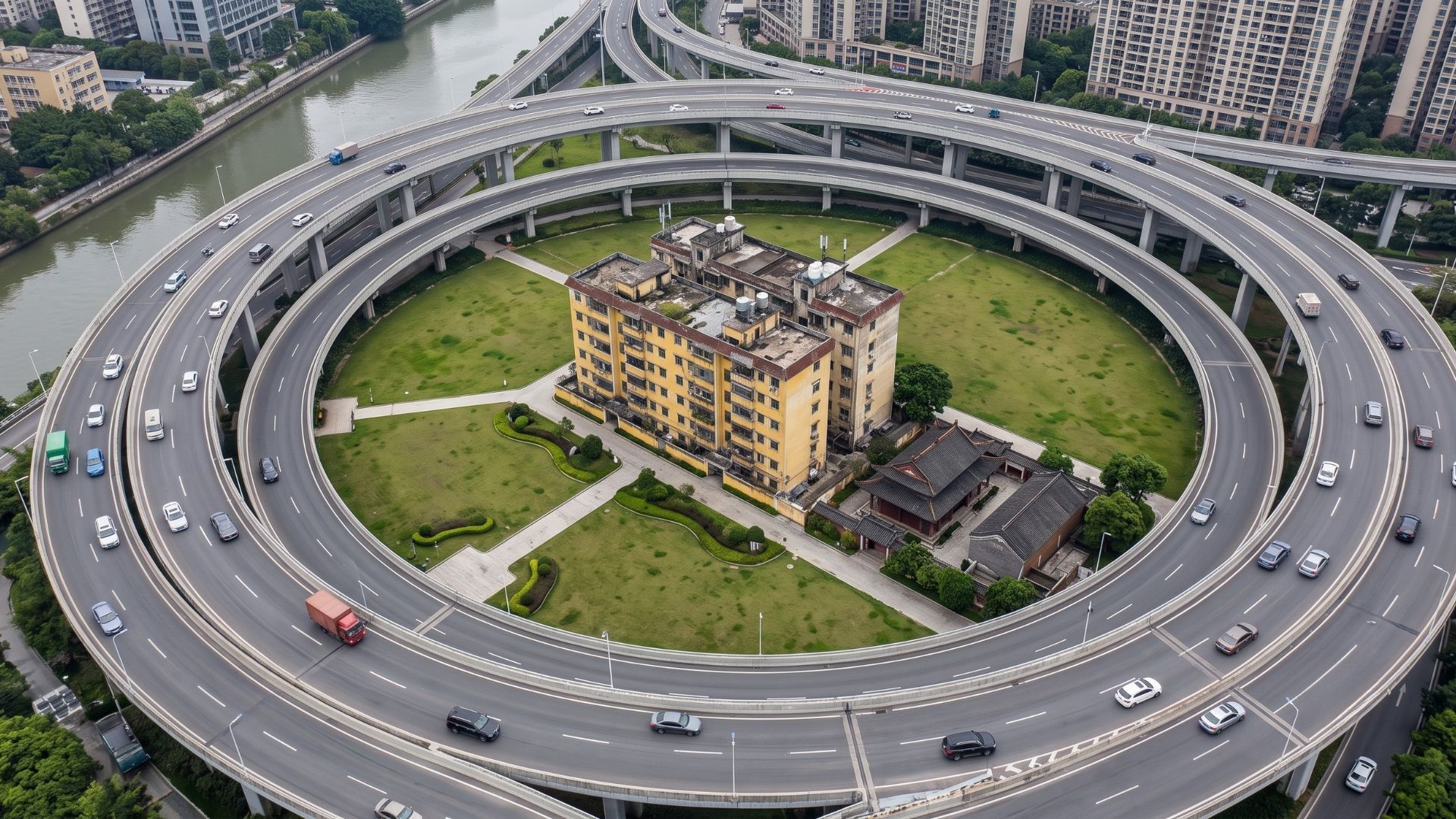
Chinese Residential Building Surrounded by Circular Overpass After Residents Reject Compensation

-
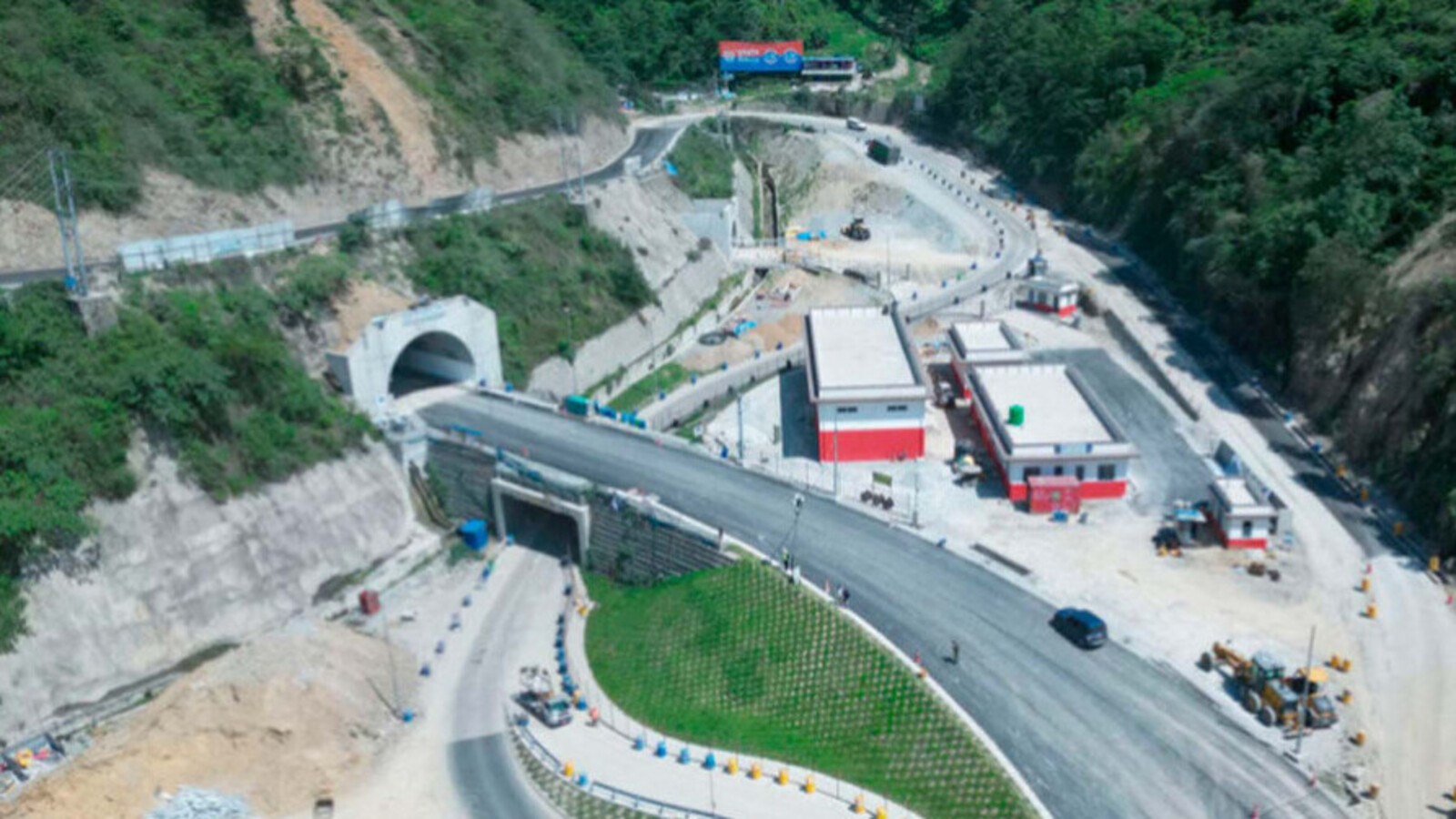
After 79 Months and $145 Million Investment, Nepal Set to Open First 2.7 km Road Tunnel to Ease Traffic in Kathmandu Valley

-
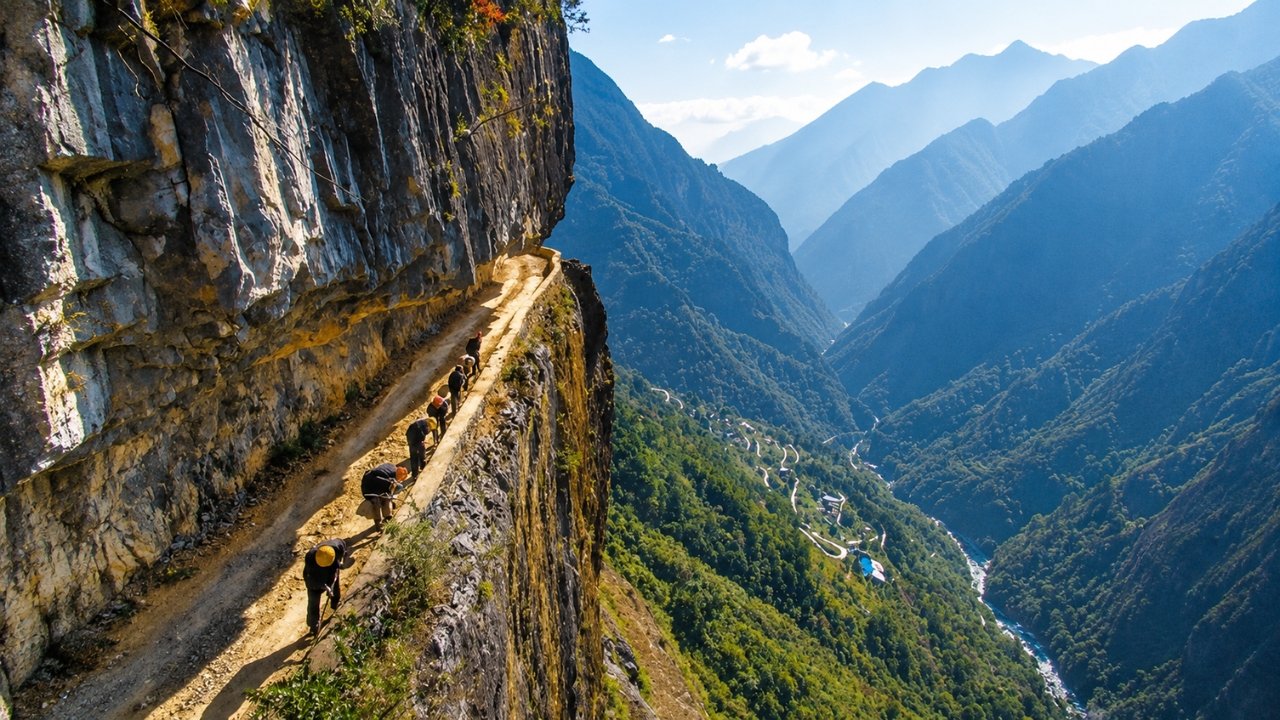
In China, 23 Families Spent Over 4 Years Carving a 1.2 km Road Through a Cliff to Overcome Isolation and Transform a Remote Village

In practice, this means creating the physical conditions for the villas to be implemented at the ends of the island. Without this sand movement, the project does not advance to the infrastructure and civil works phase, as coastal formation and land preparation are the foundation of the development.
The numbers that explain the size of the project

Palm Jebel Ali was planned to reach 13.4 kilometers in length, with 16 extensions and 91 kilometers of beach. These numbers help to gauge the scale of the project and show why the maritime stage received such a high contract.
The base itself highlights that the maritime work directly supports an island designed to house luxury villas, leisure, and structures aimed at residents, families, and visitors. The combination of territorial extension, beachfront, and coastal expansion helps explain why sand has become an essential asset in this model of artificial construction.
What will be done by Jan De Nul Dredging
The contracted company will execute four central fronts. The first is dredging, which removes material from the seabed. The second is landfill, which helps consolidate the physical base of the project. The third is beach profiling, which shapes and adjusts the coastal strip. The fourth is sand deposition, which directly supports the construction of the villas.
This package of activities shows that the work is not just about expanding the beach. It involves heavy maritime engineering, territorial preparation, and large-scale coastal reconfiguration, with a direct impact on the schedule and feasibility of the island.
When the first areas will be ready
According to the submitted base, mobilization activities have already started. The forecast is that the entire maritime scope will be completed in just over two years, while the first eight fronts should be released in the first quarter of 2025.
This deadline is important because it allows for the start of infrastructure works in the villages and civil works. Instead of waiting for the full completion of the waterfront to begin the next stage, the project was organized to release parts of the island earlier and accelerate the overall timeline.
How the work connects to home deliveries
In the year prior to the announcement, Palm Jebel Ali launched over 700 units of its Phase 1, distributed across eight unique styles focused on integrating indoor and outdoor living in a coastal environment. The advancement of infrastructure and maritime works directly supports the delivery of these residences.
The source indicates that these units are expected to be delivered by the end of 2026. This transforms sand movement and maritime work into a practical stage of the project’s real estate agenda, rather than just an abstract long-term investment.
What changes in access and urban expansion in Dubai
Palm Jebel Ali is presented as part of a new growth corridor in the Jebel Ali area, in line with the Dubai Economic Agenda D33 and the Dubai Urban Master Plan 2040. The development also connects to the goal of expanding public access to beaches.
In this sense, the 91 kilometers of beach gain urban and economic significance. The island is not just seen as a luxury showcase, but as a piece of the emirate’s planned expansion, with an impact on real estate development, leisure, and land occupation.
The new access road reinforces project progress
In addition to the maritime works, the source reports that work has already begun on a new public access road connecting Sheikh Zayed Road to the island. Road and lighting improvements are also underway from the mainland to Palm Jebel Ali.
This detail shows that the project is advancing on more than one front simultaneously. The sand helps form the island, while the land infrastructure prepares the physical connection with the city, creating the conditions for occupation, circulation, and appreciation of the development.
Why Palm Jebel Ali is treated as a transformative project
In the assessment presented in the source, Palm Jebel Ali is expected to consolidate itself as a global destination focused on a luxurious beachfront lifestyle, with extensive beaches, clear waters, and new benchmarks for quality of life and sustainability. The statement from the CEO of Dubai Holding Real Estate reinforces this vision of a transformative project.
This helps to understand why the maritime contract received so much attention. More than removing sand from the seabed, Dubai is redesigning an entire coastline to support a new residential and leisure hub, with strong symbolic and economic weight.
What this contract reveals about Dubai’s bet


The agreement with Jan De Nul Dredging reveals that Dubai continues to bet on large planned projects as a hallmark of global expansion and differentiation. Nakheel, according to the source itself, integrates a portfolio of planned communities and residential developments considered fundamental to the emirate’s vision for the future.
In this context, sand ceases to be an invisible element of the work and comes to represent the raw material for a new stage of territorial growth. The contract shows that the physical transformation of the coast continues to be a central tool of Dubai’s real estate and urban strategy.
In your view, do projects like Palm Jebel Ali still manage to impress with their size and engineering, or does this model of artificial expansion already start to raise more doubts than the enchantment it provokes?