Portuguese
  Spanish


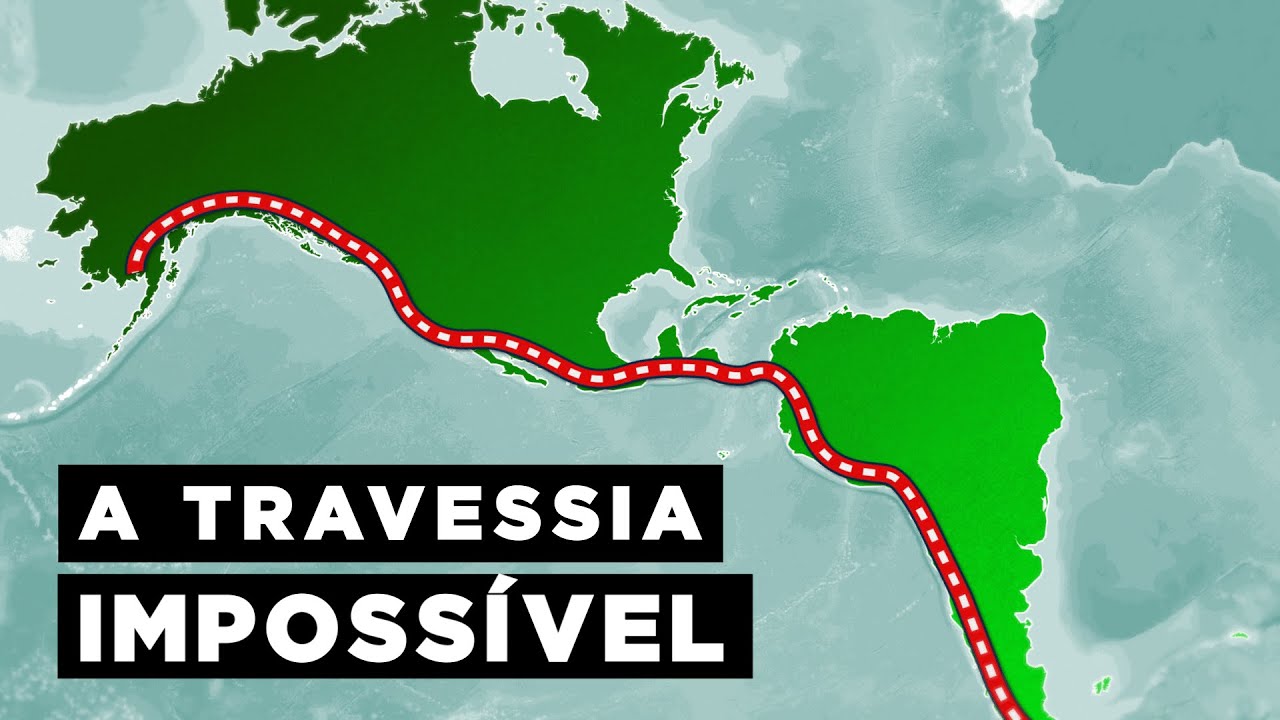

Is It Possible To Drive From Alaska To Argentina Without Changing Highways? Discover The Geographical And Political Challenges That Prevent This Total Connection
The Pan-American Highway is one of the largest road networks in the world, extending from Alaska in the United States to Patagonia in Argentina. However, its route is interrupted by an inhospitable and challenging region: the Darién Gap.
With approximately 87 kilometers of dense jungle and swamps between Colombia and Panama, this area poses a huge obstacle to the continuity of the highway. But what are the reasons that prevent the construction of a road in this stretch? A video from the Capital Finance channel provided more details about it:

Geographical And Environmental Challenges For Road Construction
The Darién Gap is an extremely hostile region for any type of road construction. Dense forests, raging rivers, and swampy terrain complicate engineering and significantly raise costs.
-
28-meter, 156-ton titans traveled 20,000 km from China to the port of Santa Catarina: Portonave received 7 fully electric megacranes, part of a R$ 210 million package, to double container handling.

-
They exchanged the idea of a large house for a 35 m² warehouse, spent US$ 12,000 on the structure, and created a tiny house in Colorado with space to live and work.

-
A newly opened terminal in the middle of the Amazon has begun transporting soy and corn through Amapá, eyeing the queue of ships that is congesting the ports in the South.

-
Goodbye to old tiles: renovation technique without construction transforms bathrooms in a few hours, eliminates debris, and reduces costs with coverings using special paints, high-resistance adhesives, and modern finishes that completely renew the space.



Moreover, the environmental impact is a major concern. The area is home to one of the highest biodiversities in the world, and the opening of a road could lead to deforestation, habitat fragmentation, and threats to endemic species.
Cultural And Social Aspects
Another factor preventing the construction of the highway is the presence of indigenous communities. Traditional peoples inhabiting the region express concern over the consequences of a road connection, fearing cultural impact and the loss of ancestral territories.
These communities, which maintain lifestyles connected to nature, view the possible arrival of a highway as a threat to their existence and traditions.
Security Issues
In addition to geographical and cultural challenges, there are also concerns regarding security. A road crossing the Darién Gap could facilitate drug trafficking, illegal migration, and other criminal activities in the region.
Currently, the jungle serves as a natural barrier, complicating these flows. Many experts fear that the opening of a land route would increase security problems both for the region and for other countries in the Americas.
Frustrated Attempts At Connection
Historically, there have been efforts to try to overcome this natural barrier, but no project has succeeded.
In addition to the challenges mentioned, the spread of diseases, such as foot-and-mouth disease, has also been a factor that hindered the implementation of a road.
As a result, the crossing between Colombia and Panama continues to be done by sea or air, with vehicles being transported in containers or ferries to bypass the region.
Despite the challenges, the issue of terrestrial connection between Colombia and Panama remains under discussion. Any future initiative will need to balance economic, environmental, and cultural interests.
In the meantime, the Darién Gap remains one of the last insurmountable frontiers of the Americas, challenging engineers, environmentalists, and authorities to find sustainable solutions for the region.
With information from Transporte y Territorio