Portuguese
  Spanish


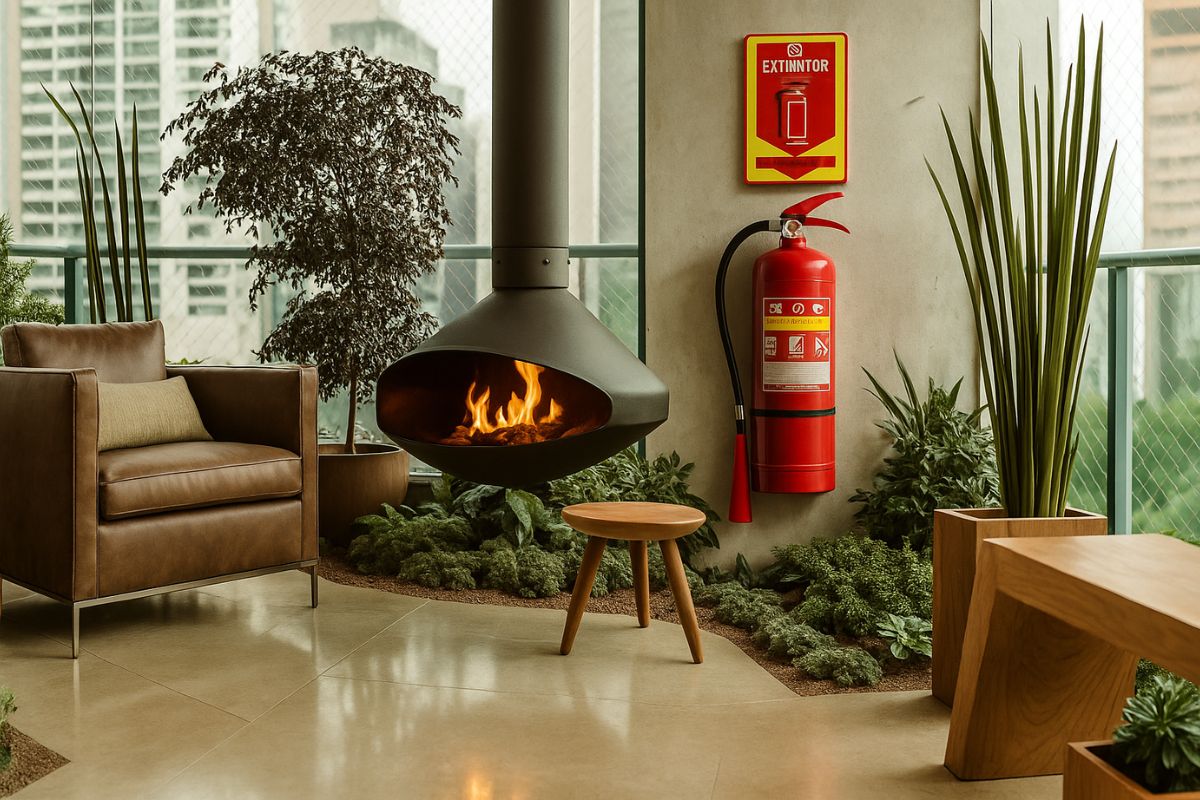

Know When Brazilian Law Requires a Fire Extinguisher in Homes and Why Experts Recommend Having One at Home, Even Without Mandatory Requirements.
Fire safety at home is a topic of fundamental importance. Many Brazilians wonder if it is mandatory to have a fire extinguisher in their residences. The answer varies between houses and apartments, but the recommendation from experts is clear about the benefits of having this equipment nearby.
This guide details the legal issues regarding the mandatory presence of extinguishers in different types of housing in Brazil. Furthermore, it provides practical guidelines to enhance your home’s safety, from choosing the right equipment to essential services such as extinguisher refills RJ, regardless of legal requirements.
Extinguisher in Houses: What the Law Says for Single-Family Residences?
A common doubt is about the mandatory presence of a fire extinguisher in single-family residences, that is, in houses. There is no federal law imposing installation of this safety equipment on all homeowners.
-
Stingless Bee Honey from Brazil Can Cost Up to $120 a Liter, Surprises with Flavors of Wood, Citrus, and Even Cheese

-
Woman Claims to Have Spotted a Technical Pattern in Recent FIFA Tournaments, Predicts Possible World Cup Winner
-
Chevrolet Offers Chance to Win a 2026 Sonic RS for Free via WhatsApp
-
Earthquake vs. Tsunami: Which Causes More Destruction and Why One Can Be Even More Dangerous


Brazilian fire safety legislation tends to focus on buildings for collective use, such as commercial and industrial buildings. The regulation is largely state or municipal, defined by local Fire Departments and Building Codes. It is rare for these norms to extend to the requirement of a fire extinguisher inside individual houses.
Condominiums and Apartments: The Difference in Mandatory Requirements for Extinguishers
The legal situation for residential condominiums is significantly different. In common areas, such as hallways, garages, and party rooms, the presence of extinguishers is generally mandatory.
This requirement is monitored by the Fire Department through the Fire Department Inspection Certificate (AVCB). The building manager is responsible for ensuring the installation and maintenance of equipment in common areas. For the interior of private units (apartments), however, the requirement is not uniform across the country. The requirement may come from a specific state/municipal law or, more commonly, from the condominium’s own agreement, which may establish stricter rules to enhance everyone’s safety.
Experts’ Opinion: Why Have a Fire Extinguisher, Even Without Legal Obligation?
Regardless of the law, the recommendation from safety experts is emphatic: having a fire extinguisher at home is a proactive measure for protection. The main argument is the protection of life and property.
A fire extinguisher is a crucial tool for controlling a fire in its early stages. Quick action with an extinguisher can contain flames even before the Fire Department arrives, minimizing damage and, fundamentally, saving lives. The investment in acquiring a residential extinguisher is relatively low compared to the risks and losses of a fire.
Practical Guide: How to Choose and Maintain Your Residential Extinguisher
For residential use, the ABC dry chemical extinguisher is the most recommended. Its great advantage is versatility, as it fights the three most common classes of fire in a home:
- Class A: Solid materials such as wood, paper, and fabric.
- Class B: Flammable liquids such as cooking oil and gasoline.
- Class C: Energized electrical equipment.
The extinguisher should be installed in a location that is easily accessible and visible, such as in the kitchen or utility area, and never on staircases. Maintenance is also essential. A monthly visual inspection by the resident is recommended, checking the seal and ensuring that the gauge needle is in the green range. Additionally, professional maintenance, including cylinder testing and refilling, should be performed periodically by a specialized company accredited by INMETRO, such as Redentor Extintores.
The Regulatory Landscape: Who Defines the Rules for Extinguishers in Brazil?
Fire safety in Brazil is governed by a set of norms and entities. The Military Fire Department of each state is the main authority, defining safety standards and monitoring compliance.
The Brazilian Association of Technical Standards (ABNT) establishes technical standards for products and procedures, such as extinguisher maintenance. The National Institute of Metrology, Quality and Technology (INMETRO) is responsible for certifying extinguishers, ensuring they meet safety and performance requirements. The INMETRO seal on the extinguisher is an important guarantee for the consumer.