Portuguese
  Spanish


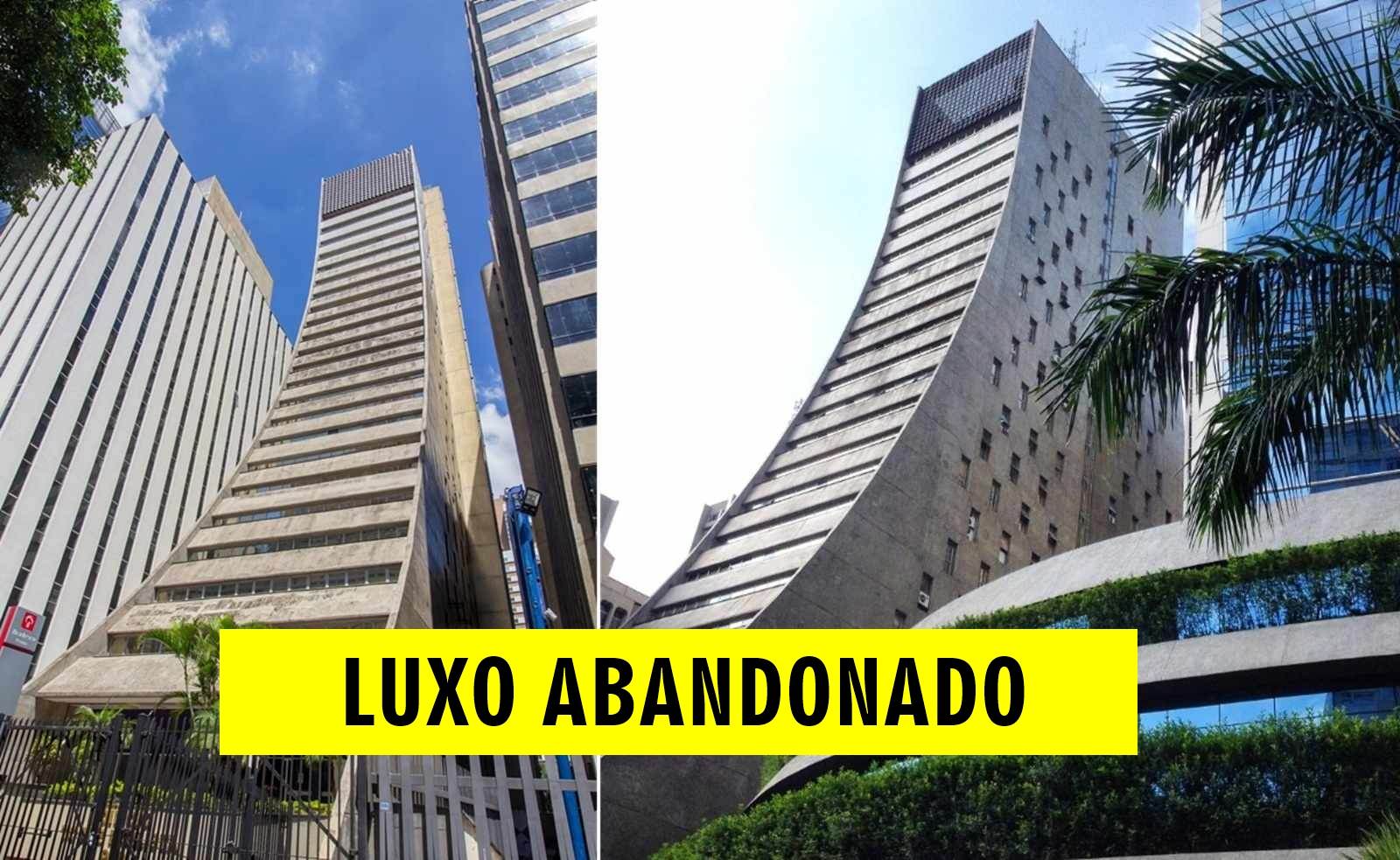


Symbol of Modernity in São Paulo in the 1970s, the Brutalist building by Jorge Zalszupin, with a 1,000 m² base and 22 floors, lost its function, relevance, and tenants and today remains empty, tagged, and forgotten, awaiting a new project to restore its prestige.
On Avenida Paulista, there stands a Brutalist building that draws attention both for its bold architecture and its current state of abandonment.
Completed in 1974 and initially named Edifício Aquarius, the building now known as Torre Paulista is a symbol of an era of modernization in the capital of São Paulo, but it is experiencing a moment of pause, degraded and empty, waiting for a new chapter in its history.
An Architectural Landmark of the 1970s
The Torre Paulista was born during a time when Avenida Paulista was beginning to establish itself as the main financial axis of the city.
-
India Paints Road Red and Uses Smart Asphalt to Slow Drivers and Protect Wildlife in Nature Reserve

-
Yellow vs. White Fat: The Little-Known Difference That Can Impact the Quality and Flavor of Your Barbecue
-
60-Year-Old Kurt Kromm Fired Over $1.95 Cookie After 11 Years at Ford, Proves Payment and Lands Better Job

-
Einstein’s Lasting Advice: “Strive to Be a Person of Value, Not Just Success” Inspires Many Seeking Life’s Meaning




The project was designed by architect and designer Jorge Zalszupin — a Polish naturalized Brazilian renowned for his modern furniture creations — in partnership with José Gugliotta and José Maria de Moura Pessoa.
Built on a plot of 3,144 m², the building presented an innovative proposal for the time.
The construction stood out for not being just another typical commercial building, but a piece of architecture that profoundly marked the landscape and helped to give identity to Paulista as a showcase of what was most modern in the state of São Paulo.
With 20 meters in front and almost 120 meters deep, the building spans the block from end to end, with two entrances: the main one on Paulista itself and another secondary one via Alameda Santos.
There are 22 floors, four elevators, and more than 130 parking spaces — numbers that were impressive in the 1970s.
Bold Architecture and Unique Volume
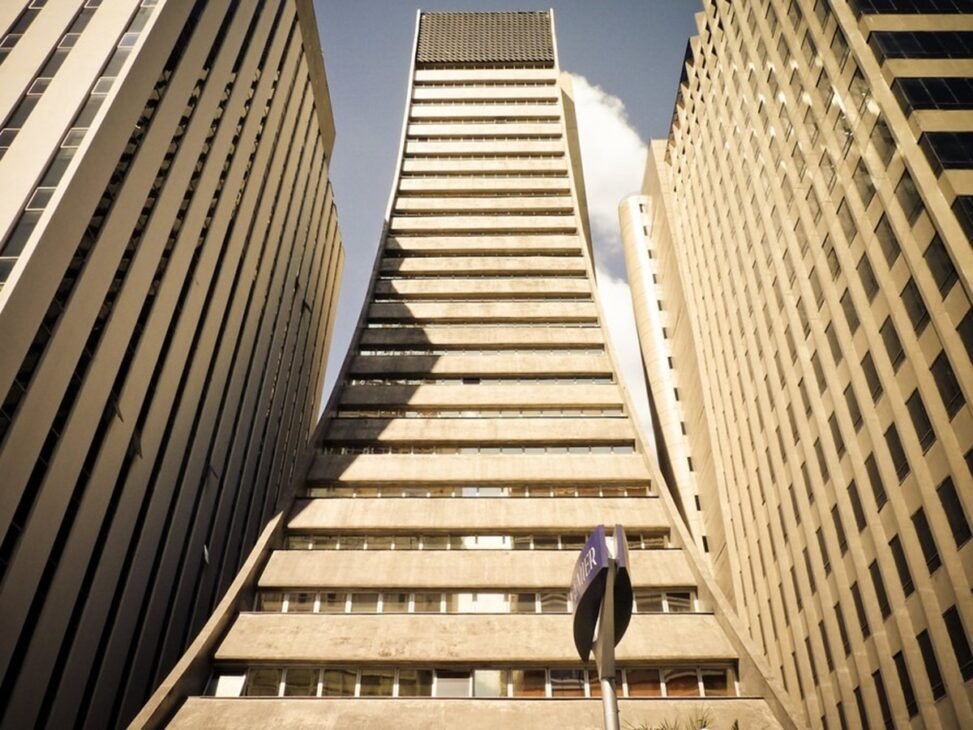
The distinctive feature of Torre Paulista lies in its curvilinear and progressively tapered architecture, reminiscent of a “slide.”
From the ground floor to the top, the floors decrease in size: the base has almost 1,000 m², while the top floor has just over 300 m².
What stands out the most is the boldness of the form: it is a building that impresses with its striking volume and its lack of fear in being different.
Built of reinforced concrete, the building faithfully embodies the brutalism of the 1970s. The decision to create a curved tower aimed to break the monotony of the straight blocks that dominated the avenue’s landscape.
The intention was to create something that contrasted with the straight blocks already dominating Avenida Paulista.
The response to this goal was the development of a curved tower, tapering as it rises, evoking the idea of a sculpture — all while meeting the demands of the legislation.
Due to its unique design, the building attracted the attention of the Japanese bank Sumitomo, which acquired it and set up its headquarters there, identifying similarities between the structure and traditional Japanese temples.
Over the years, the building also housed law offices, travel agencies, and unions.
From Mansion to Concrete Tower
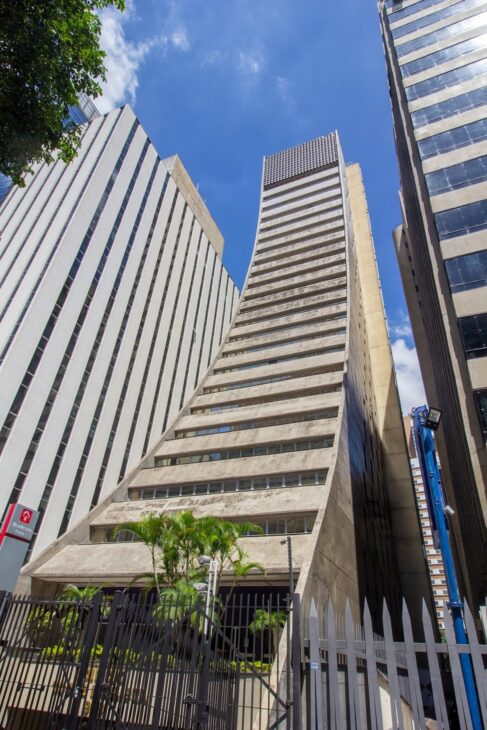
Before the verticalization, the land was occupied by a mansion at number 118, belonging to the Monteiro Soares family in its final years.
According to municipal records, the construction of the residence was authorized in June 1916 and, in the following year, it was already inhabited.
In 1927, Claudio Monteiro Soares appears as the owner in the telephone records.
Like many historic properties on the avenue, the mansion was demolished to make way for the vertical growth of São Paulo and the emergence of Torre Paulista.
Loss of Relevance and Beginning of Abandonment
Over time, the building’s function changed. In the 2000s, Torre Paulista still housed commercial activities, but no longer held the prominence of the times when Paulista was the city’s financial center.
The migration of banks and large companies to Avenida Faria Lima marked the beginning of the building’s decline. Occupancy fell, and its use was limited to sporadic activities.
The Promise of the Hard Rock Hotel
In 2019, an announcement rekindled hopes for the building’s revitalization.
The first São Paulo unit of the Hard Rock Hotel chain was set to be installed at the address, with 230 rooms and an estimated investment of R$ 100 million. The project intended for completion of the works by 2021.
Shortly before the pandemic, the management decided not to renew the lease contracts and vacated the building to begin the requalification.
However, the project did not move forward. Although the announcement was made, nothing has materialized so far.
All indications suggest that the Hard Rock management underwent changes in direction in Brazil, leading not only to the stagnation of this initiative but also to the suspension or cancellation of several other planned projects by the brand in the country.
Currently, the building belongs to a fund managed by an administrator, which is responsible for negotiating its rental. The promise of transformation into a hotel remains on paper, and the building continues to be abandoned.
In contact with the report from Estadão, Residence Club, responsible for the Hard Rock Hotel in São Paulo, responded that it is “in negotiations with Savoy, the owner of Torre Paulista, to define the next steps and the future of the enterprise.”
No forecast for the start of works or inauguration was provided.

An Icon Awaiting Renewal
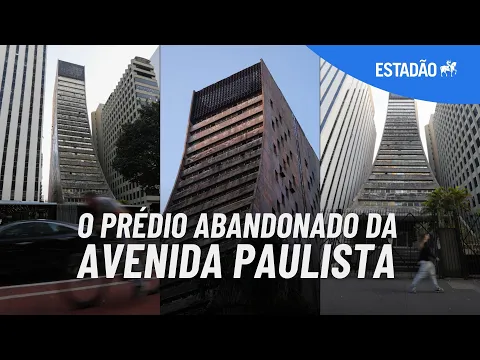
Today, Torre Paulista stands in a visible state of abandonment: broken windows, graffiti, and total absence of activity.
What was once a symbol of modernity and verticalization in the capital of São Paulo now rests in silence, emptied of its history and lacking clear future prospects.
The Brutalist building that once helped define the identity of Avenida Paulista remains there, like a sleeping giant in the heart of the city.
Between memories of its glorious past and unfulfilled promises of revitalization, it awaits the chance to become a protagonist again — this time, perhaps not as the headquarters of a bank or a corporate building, but as a living part of the urban and cultural fabric of São Paulo.
In the meantime, Torre Paulista remains imposing and silent, witnessing the passage of time and the transformation of the scene around it.
Its fate is still uncertain, but its architectural and symbolic value remains intact, waiting for a project capable of restoring its relevance and returning it to the prominent place it has always occupied in the city’s history.