Portuguese
  Spanish


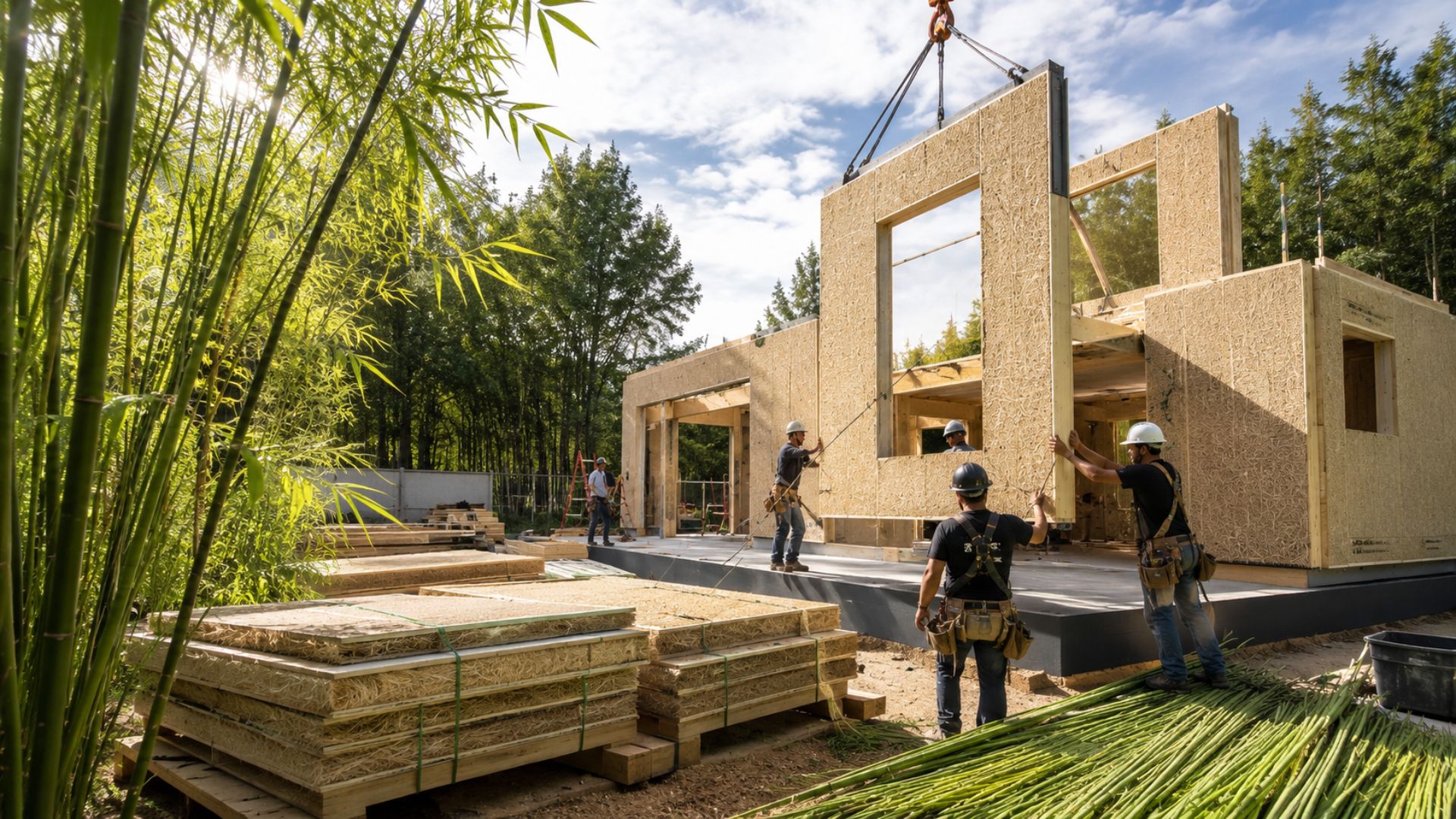

The startup is Plantd, created by Nathan, a former SpaceX engineer, and already has a contract with D.R. Horton for 10 million panels. The challenge is scaling: the company produces 250,000 panels per year, and at this rate, it would take 40 years to deliver the entire order.
A former SpaceX engineer left rockets to reinvent house construction and founded a startup that manufactures wall panels from a grass that grows about 15 centimeters per day, instead of wood. The company is called Plantd and is located in North Carolina, United States. The proposal is to produce a structural panel equivalent to wood from a plant that grows much faster.
According to the material, the person responsible is Nathan, CEO and co-founder of Plantd, who between 2014 and 2021 helped develop the reusable Falcon 9 rocket and the Crew Dragon capsule at SpaceX. The panels are an alternative to OSB, which stands for oriented strand board that covers walls, floors, and roofs of a house. It is worth remembering that the startup is still in a growth phase, and part of its performance claims comes from internal tests.
The startup that replaces wood with grass
The central idea is to replace wood with a fast-growing grass. According to Plantd, the startup produces structural panels, an alternative to OSB, from a perennial grass instead of traditional wood. According to the company, the plant grows about 15 centimeters per day and can be harvested twice a year, while softwoods like pine take about 40 years to be ready, which, according to the company, would give this grass a carbon sequestration rate nine times greater than that of trees.
-
On the world’s highest navigable lake, the Uros people have hand-built around 100 floating straw islands, living on them for 3,000 years without concrete or foundations.

-
Newly Completed Brazilian Highway in the Serra da Rocinha Becomes a 16.5 km Cycling Challenge and Boost for Local Tourism

-
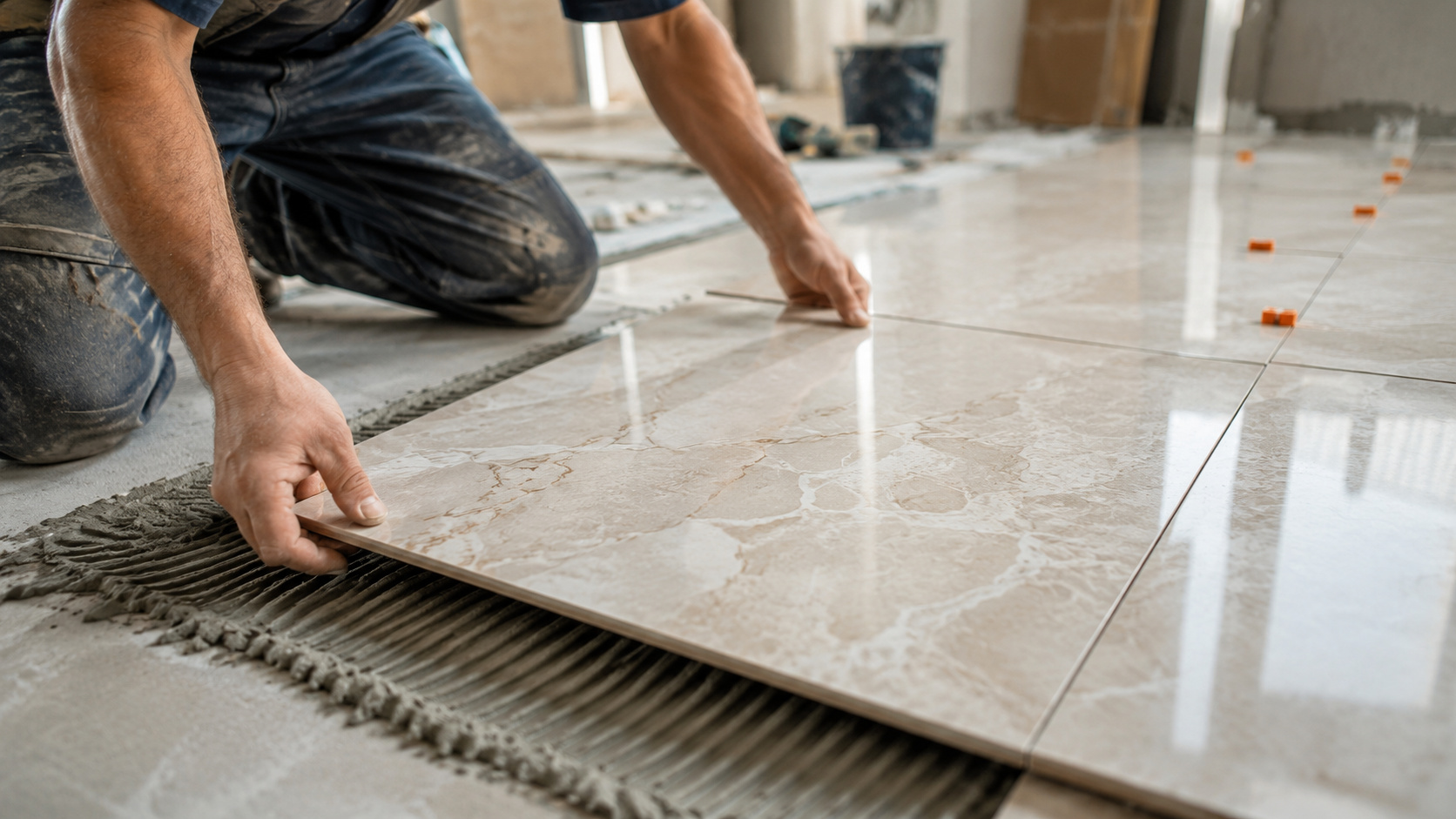
Innovative Mortar Technique Enhances Porcelain Tile Stability, Reduces Buckling and Detachment Risks, and Provides Durable Finish Under Heavy Use

-
Giant Robots Build Entire Neighborhood of 100 3D-Printed Homes in the U.S., Showcasing Technology’s Impact on Construction Industry


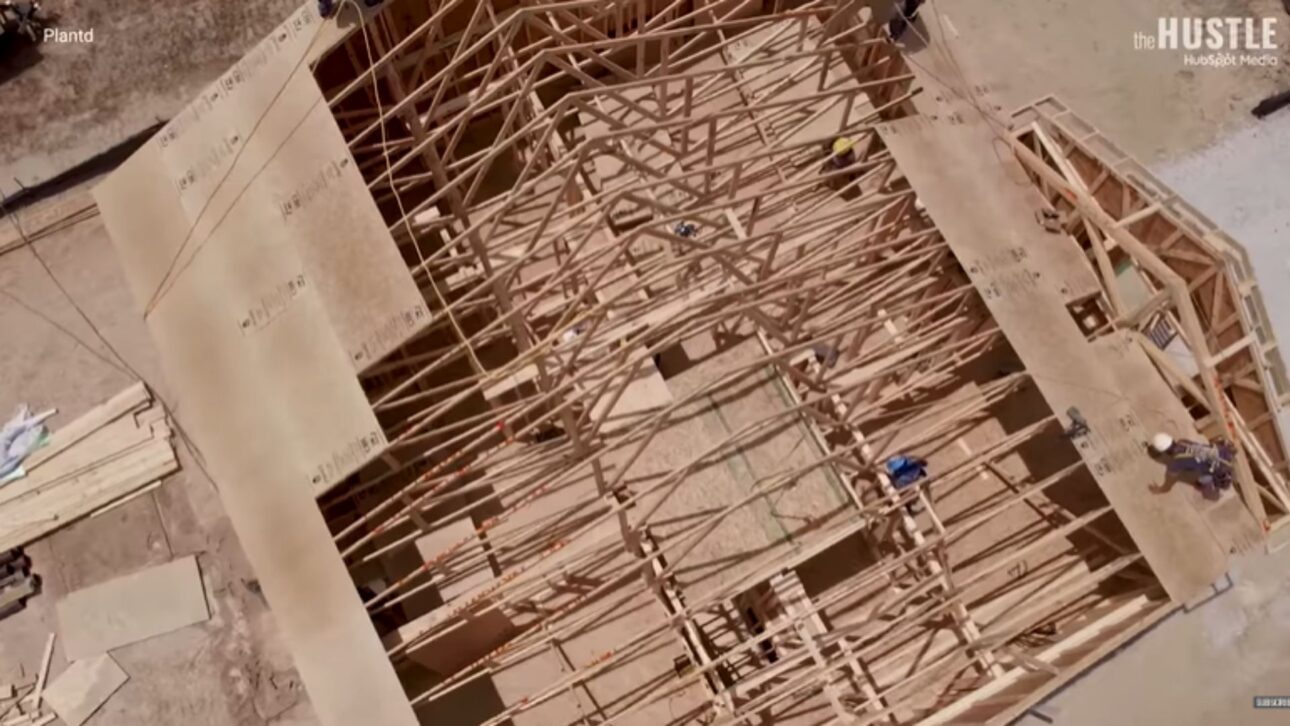
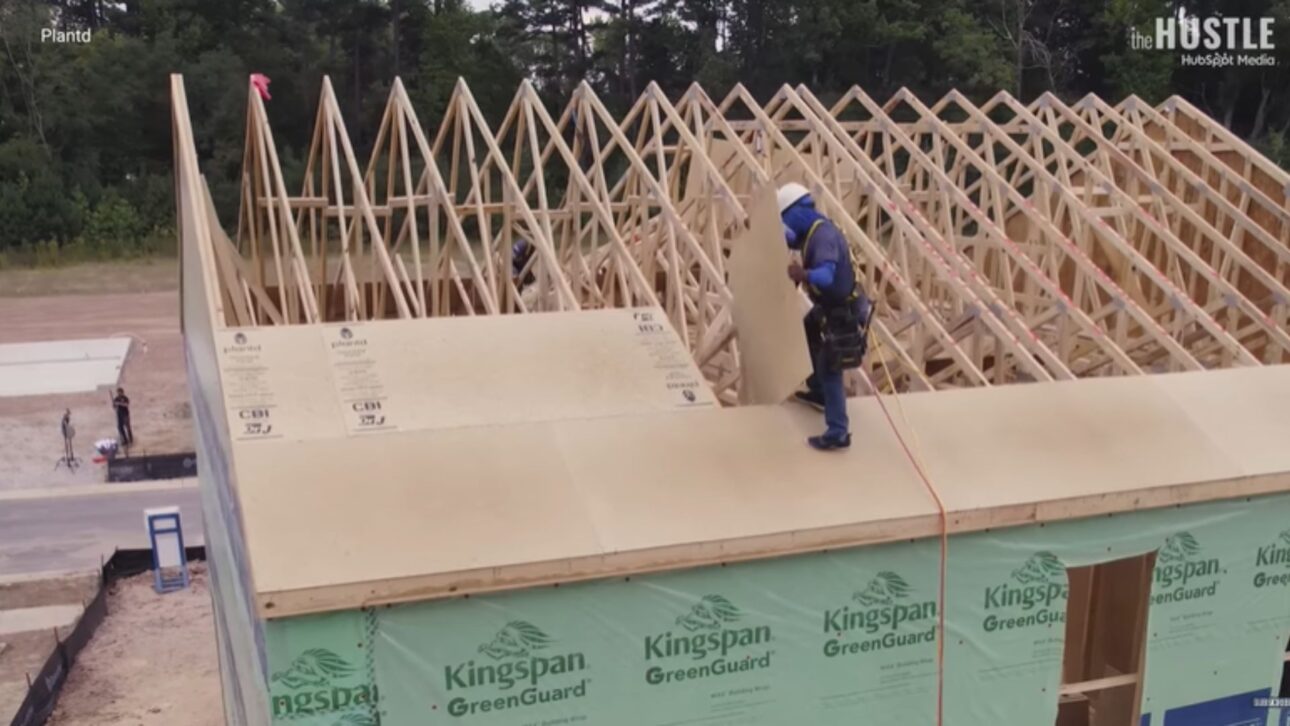
The context helps to understand why the bet emerged. According to the material, 94% of single-family homes in the United States use wooden structures, but this supply chain is neither stable nor sustainable, as a trade dispute with Canada, a severe weather event, or cost variation can change the price of building a house by thousands of dollars. OSB panels are precisely the large boards that cover the walls, floors, and roof of the residence.
From Rocket to House, the Turnaround of a Former SpaceX Engineer
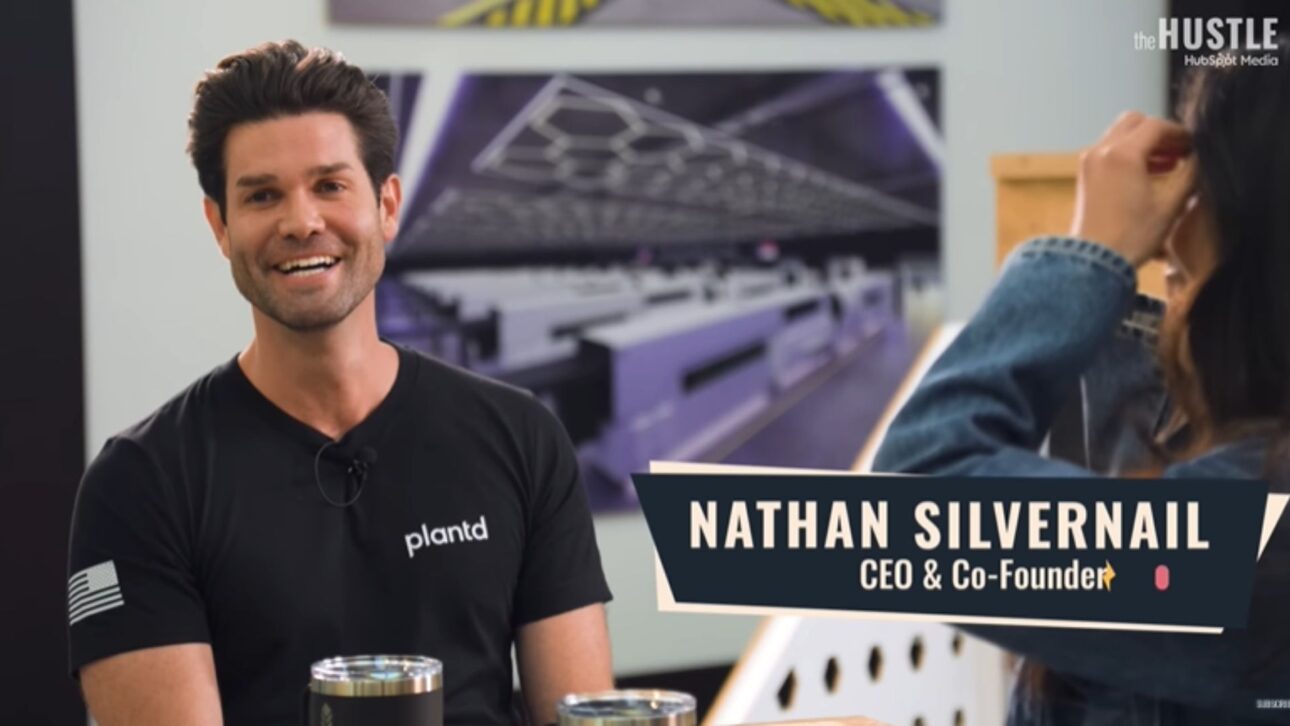
The founder’s journey explains the origin of the project. According to the material, Nathan, CEO and co-founder of Plantd, is a former SpaceX engineer who helped build the reusable Falcon 9 rocket and the Crew Dragon capsule. He reports having reached a point where he felt that the problems he was solving there did not truly help humanity, and therefore, after a brief retirement in 2021, he began to seek a complex problem that could improve the planet, aware that construction materials account for a large share of global carbon emissions.
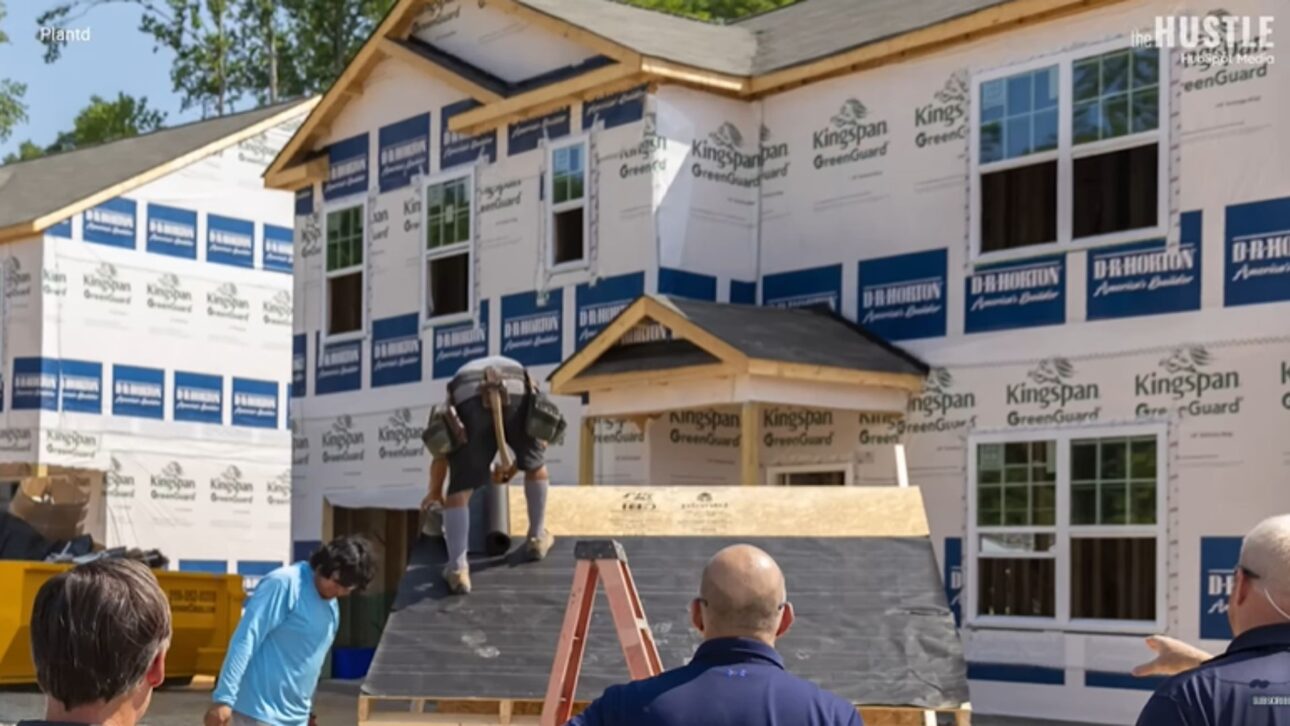
The starting point was a conversation at a construction site. According to the account, the co-founder, also a former SpaceX engineer, stopped at a construction site and asked workers how to create something better, and the idea progressed from there. The initial process, still improvised, caught the attention of D.R. Horton, the largest homebuilder in the United States, which ordered the construction of a real house made with the alternative and proof that it would pass approval. That’s when the startup raised $10 million in a Series A round and signed a contract with the builder.
How Grass Becomes a Panel in the Mini Electric Factory
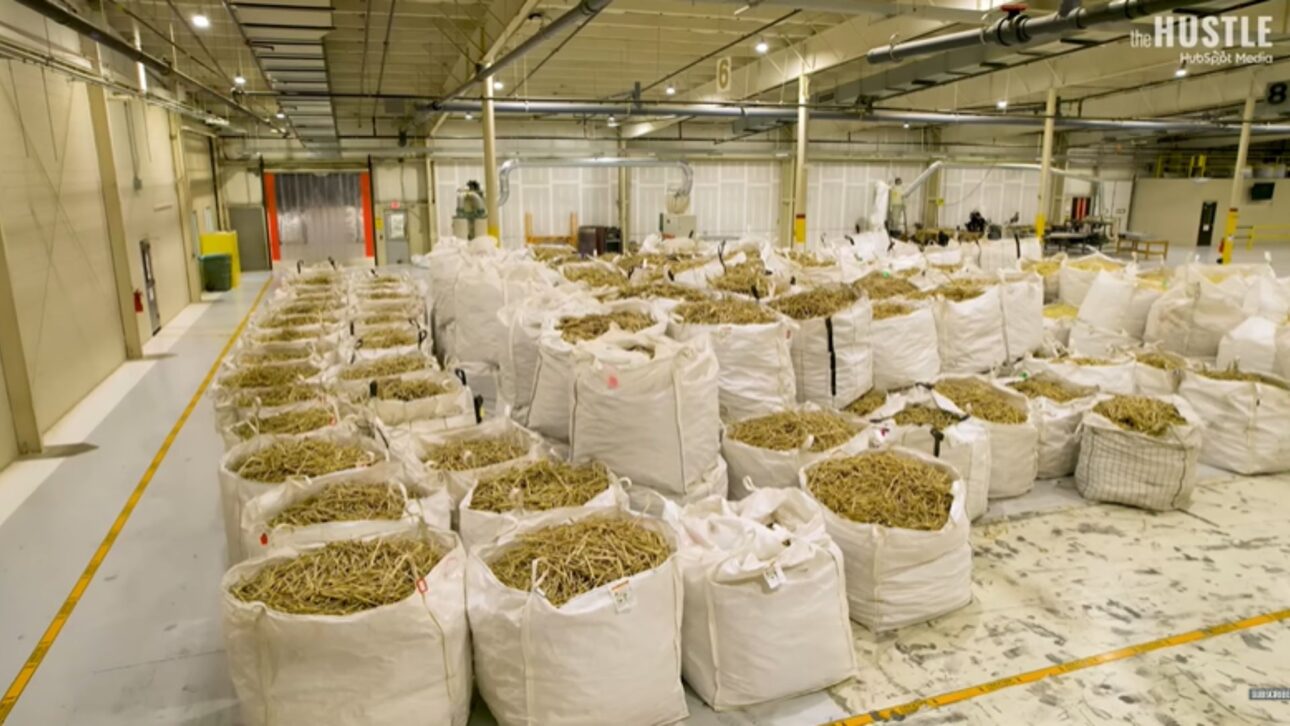
The choice of plant took months of research. According to Janelle Olets, soil specialist and director of agriculture at Plantd, the company spent about six months finding the ideal biomass: a grass known as perennial grasses cultivated in North America for centuries, used to make fishing rods, baskets, and even clarinet reeds, and considered good for construction because of a natural compound called lignin, which gives it rigidity similar to a piece of pine of the same diameter. In the process, the grass is chopped into strips, sifted and filtered, dried and separated to ensure the right density, and then mixed with resin and pressed with heat, in a two-ingredient and high-heat recipe.
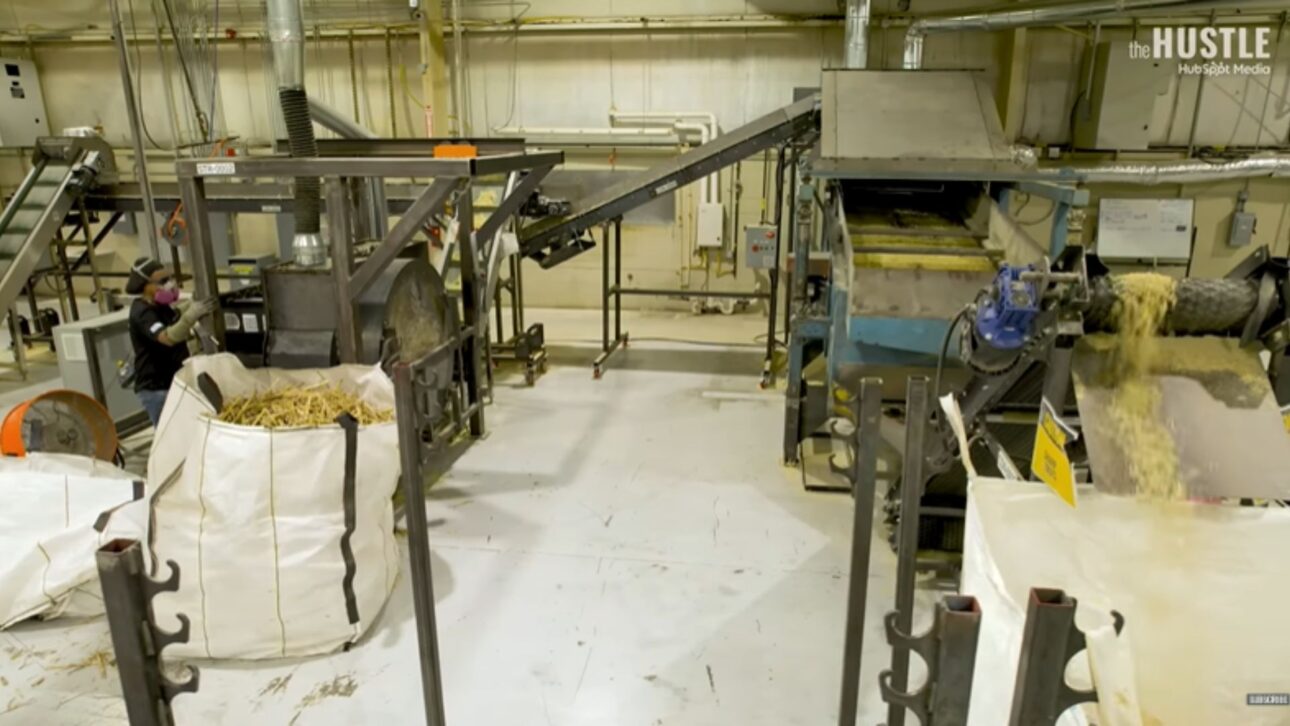
The scale of production is what sets the startup apart from traditional factories. According to the material, a traditional OSB plant receives thousands of tons of logs by truck, burns the bark as fuel, and uses machines hundreds of meters long, while Plantd’s line is small, purposefully scaled, and fully electric. According to the company’s own internal tests, the resulting panel is twice as moisture-resistant and 1.5 times stronger than softwood OSB, and independently, the panels have been certified as a compatible alternative to standard OSB, approved for use in all 50 American states.
The challenge of scaling a hardware startup
The biggest obstacle is not demand, but the ability to produce. According to the material, since its founding in 2021, the startup has raised a total of $47.5 million, but each production line costs about $5 million, and the goal of 18 to 20 lines by 2030 would represent nearly $100 million just in equipment. After the initial contract, D.R. Horton expanded the order in 2024 to 10 million panels, enough for 90,000 homes, but at the current pace of 250,000 panels per year, the company would take about 40 years to deliver everything.
To close this gap, the bet is to integrate and automate. According to the material, the startup manufactures its own machines, following the SpaceX model, miniaturizes and electrifies the process, and automates planting with a robot called Cutting Edge, which plants about 1,770 seedlings per hour, 15 times faster than a person, with a goal of 20 million plants by 2028 and managing 440 acres, about 178 hectares, still this year. Even so, the company needs to build a supply chain from scratch and convince cautious farmers, many of whom lost money with hemp, and according to Nathan, hardware is difficult because developing too slowly can lead to running out of money.


A startup Plantd, created by a former SpaceX engineer, transformed a fast-growing grass into structural panels that aim to replace wood, with a contract for 10 million panels with D.R. Horton, $47.5 million raised, and a product independently certified as an alternative to OSB. Even so, the current capacity of 250,000 panels per year would mean about 40 years to fulfill the order, so the entire bet depends on scaling, with dozens of electric mini factories, automation, and farmers’ adherence. It’s a promising path, but still to be proven.
And you, do you believe that grass can really replace wood in house walls, or do you still trust more in traditional construction? Share your opinion and exchange ideas with other readers about the future of building materials, respecting different views.