Portuguese
  Spanish


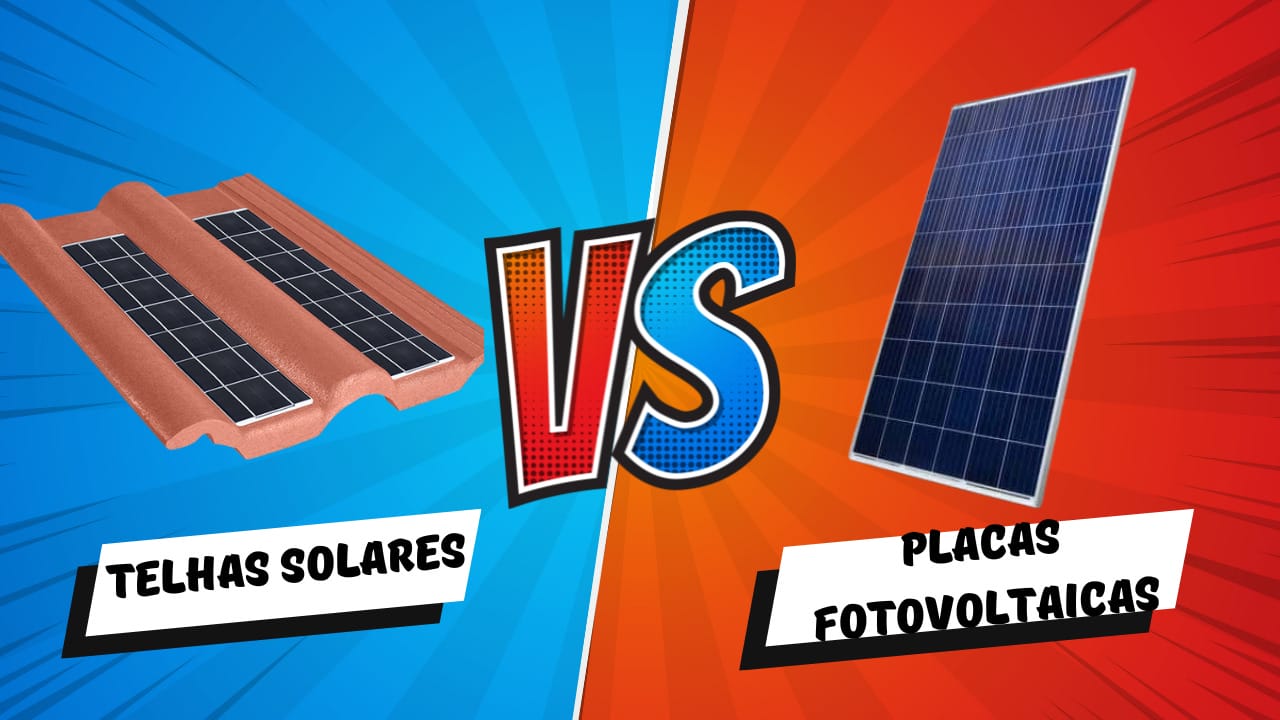

Tégula Solar And The Innovation In The Solar Energy Supply Market: Solar Tiles As An Alternative For Those Who Do Not Like The Aesthetics Of Solar Panels.
Solar tiles (Tégula Solar), also known as photovoltaic roofs, represent a significant innovation in the field of solar energy. Unlike conventional solar panels, these tiles are designed to integrate harmoniously with the design of a house or building’s roof. Today, there are various product alternatives in this niche, from tempered glass or ceramic to other aesthetic models. These tiles serve the traditional purpose of covering and protecting the structure while incorporating photovoltaic cells.
Tégula Solar: The Innovation In Solar Energy Supply
The Tégula Solar was developed with national technology and features Brazil’s first photovoltaic concrete tile.
This innovation captures solar energy directly through photovoltaic cells applied to the tiles themselves, eliminating the need for additional panels.
-
Fired during apartheid and with a little borrowed money, an electrician started with a borrowed truck and transformed electrical services into a group connected to energy, real estate, and infrastructure in South Africa.

-
Wood has ceased to be just a construction material in Yale research and has become insulation for electrical transformers that face intense heat, aging, and increasing pressure from the renewable energy-powered grid.
-
More than 1,000 residents of a remote island in Kiribati now have clean water and electricity with solar systems operated by the community itself.
-
Ceará brings together 7 giants and R$ 66 billion to transform Pecém into the largest green hydrogen hub in Brazil, with final decisions expected by the end of 2026.





It also allows for the installation of customized kits, adjusted according to the specific energy needs of each home, considering the slope and orientation of the property.
The solution offers tiles in Flat profiles, with capacities of 12 and 15 Wp, and BIG, with capacities of 10 and 11 Wp.
There is also a variety of choices in terms of colors and finishes, allowing for customization according to the owner’s style and preferences.
The generated energy comes from a renewable and efficient source, capable of producing electricity even on cloudy days.
With the growing interest in sustainable practices, many people seek ways to incorporate solar energy into their constructions.
The concrete tiles from Tégula Solar emerge as a solution that combines aesthetic and functional benefits.
How Does Energy Supply Work Through Solar Tiles?
By generating clean and renewable energy, the product contributes to environmental preservation and the reduction of gas emissions in the atmosphere, being a strong alternative in facing global warming.
Each tile contains these cells, responsible for converting sunlight into electricity.
This generated electricity can be used to power the house, charge batteries, or be sent back to the electrical grid.
In addition to its sustainable functionality, one of the main advantages of solar tiles is their integrated aesthetics, providing a more attractive appearance when compared to conventional solar panel systems.
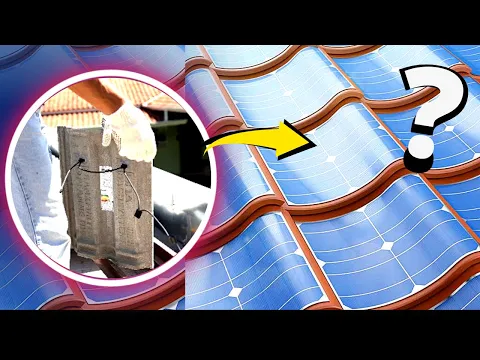

What Are The Pros And Cons Between Solar Tiles And Solar Panels?
Although Tégula Solar may have a higher initial cost, many consider that the aesthetic advantage compensates for this additional investment.
The technology behind solar tiles is constantly evolving, with companies seeking to improve the efficiency, durability, and cost of these systems.
The choice between solar tiles and conventional solar panels will depend on the owner’s individual preferences, the specific conditions of the location, and the available budget.
That said, solar tiles offer better aesthetics for the environment, combining energy supply with greater aesthetic harmony, while solar panels, in addition to having a lower cost, offer greater adaptability to the installation location.
As technology advances, it is expected that options for residential solar energy will continue to diversify.