






 Portuguese
  Spanish


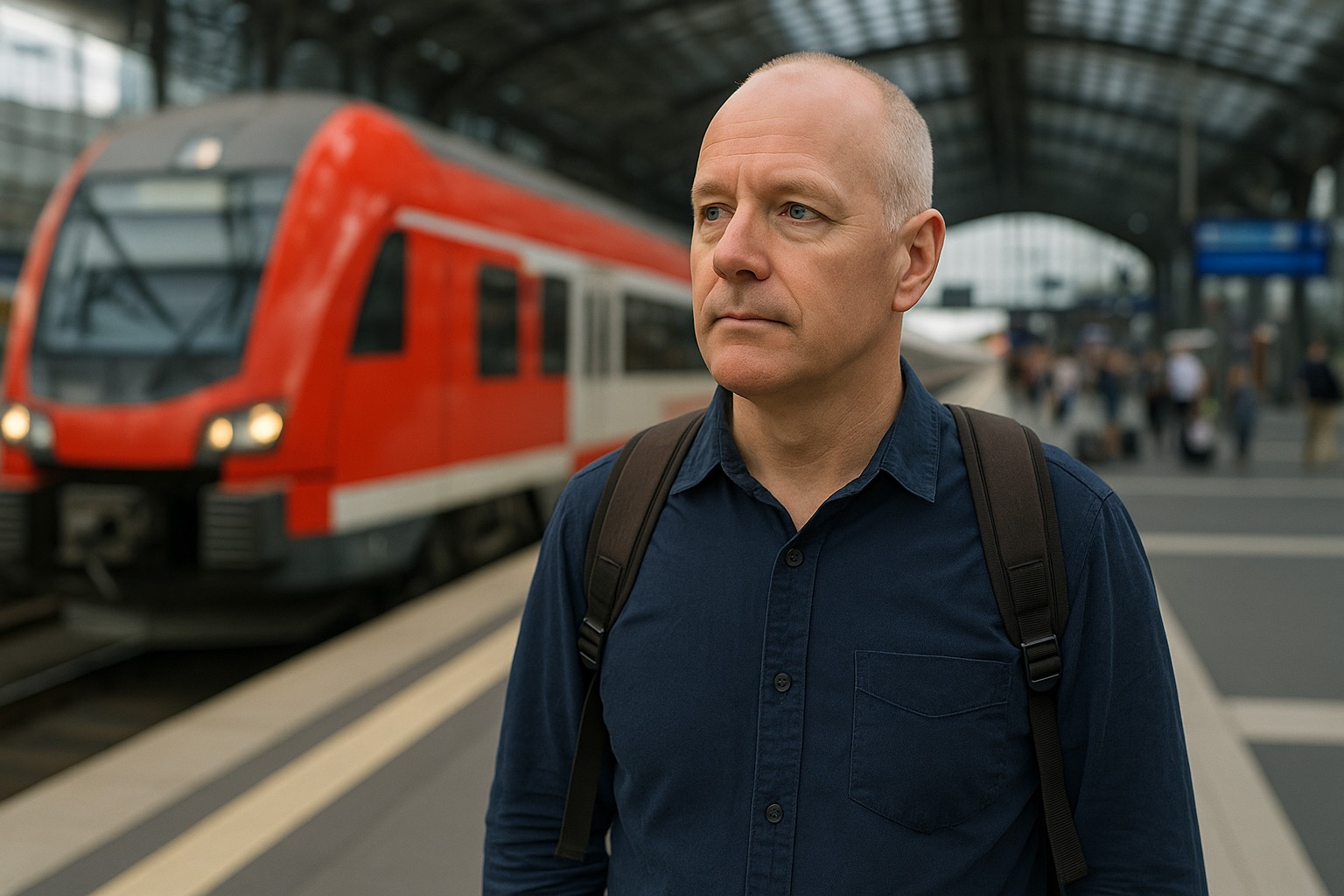


From Berlin To Tallinn, Mark Smith Travels 1,800 Kilometers On Eight Trains And Four Days On A Journey That Combines Nostalgia, Sustainability And Logistical Challenges Amid The Renewal Of European Rail Transport
It’s morning on platform 12 of Berlin’s central station. The metallic sound of brakes announces the arrival of another train, and passengers move between voices and luggage in a nearly choreographed routine. Among them is Mark Smith, ready to board for Warsaw, Poland — the first of many stops on a four-day journey to Tallinn, Estonia.
The 1,800-kilometer trip will require eight trains and cost around US$ 500. A flight would cover the same distance in less than three hours for just US$ 25. Even so, Smith prefers the train.
“When I travel, I feel an expectation and a sense of possibility,” he says. “If it weren’t for the situation in Russia, I could take the train to Hong Kong or Singapore.”
-
How to Prevent Brown Recluse Spider Bites: Common Hiding Spots and Free Tips to Reduce Risks

-
Natto: The Unusual Japanese Superfood Gaining Popularity on Social Media and Driving Record Exports
-
Brazilian Mayor Goes Undercover as Homeless for 24 Hours to Assess Public Services

-
15-Year-Old Entrepreneur Malu Lira Publishes 20 Children’s Books on Financial Education, Earns $500,000, and Expands Her Project to the Amazon Rainforest




The Passion For Tracks And Human Connections
Smith fell in love with trains at 17 during school trips to France and Russia. “It was the scenery, the people, the rhythm of travel. Things that planes don’t offer.”
During college, he worked at an agency selling train tickets. “I did what I liked. I knew all the connections because I had done all the trips,” he recalls.
In 2001, he decided to create the website seat61.com — a name inspired by his favorite seat on the Eurostar, which connects London to mainland Europe. What started as a hobby became his profession.
Today, the site is a global encyclopedia of train travel, gathering routes, fares, and tips from over a hundred countries. According to Smith, the page receives up to 1 million monthly visits.
“In the beginning, it was common for people to seek me out because they were afraid of flying. Now, many seek more pleasant and sustainable experiences, as well as to reduce their carbon emissions,” he explains.
The Environmental Advantage Of Rails
Rail transport is widely recognized as one of the cleanest options. Air travel accounts for about 2.5% of global CO² emissions caused by humans.
Private cars generate almost 10%, while trains contribute only 0.26%.
A direct flight from London to Tallinn emits approximately 380 kilograms of CO² per passenger. By train, this footprint drops to between 110 and 140 kilograms.
The trend is to reduce it even further as diesel trains are replaced with electric models powered by renewable energy.
In addition to the environmental aspect, trains offer a more tranquil experience, with fewer lines, delays, and security requirements. Still, logistics remain a hurdle.
Obstacles And Frustrations On The Way
To reach Tallinn, Smith had to deal with six different railway companies — each with its own booking systems, languages, and currencies. “Fragmentation is the biggest problem,” he states.
The risks of delays, changes in connections, and communication failures still deter many passengers. Pete Dyson, a behavioral scientist at the University of Bath, believes the sector needs to rethink how it treats travelers.
“For a long time, people were treated like cargo. The goal was just to get them from point A to point B, like packages being delivered,” he says.
Additionally, unexpected stops in remote areas create discomfort for some passengers. The fear of the unexpected is a challenge that the industry needs to address.
The Cost Of Modernization
Europe has over 200,000 kilometers of tracks, but part of this network has aged. Modernization is expensive.
In 2018, the construction of a high-speed line cost around 25 million euros per kilometer — double the cost of a highway.
The electrical wiring and signaling systems also increase maintenance costs.
Meanwhile, air transport maintains competitive advantages: less physical infrastructure and tax benefits, such as exemptions on fuels and taxes.
“It’s not about making air travel less attractive, argues Smith. It’s about stopping making it deliberately cheaper than it should be.”
In some countries, train tickets are still taxed, while airfares are not. This disparity, he says, creates an imbalance that hinders railway growth.
The Future On Tracks
Despite the barriers, rail transport is expanding. The number of passengers is rising in Europe and other regions of the world.
In 2024, more than 1 billion people traveled on long-distance or interregional trains — a historic milestone.
The resurgence of interest in trains is not just a matter of nostalgia, but also of environmental awareness and a desire for more human experiences. For travelers like Mark Smith, the value lies as much in the destination as in the journey.
He believes that trains offer something no other mode of transport can: the feeling of being part of the journey, not just passing through it.
With information from Nossa.uol.







O retorno das ferrovias com passageiros no Brasil, uma necessidade. Atualmente temos aí rodovias lentas, congestionadas poluídas e o enfrentamento de perigosos caminhões. As ferrovias sao mais limpas, velozes e muito mais seguras.
Se eu tivesse condições financeiras faria o mesmo, além do medo de voar, amo trens. Parabéns!
Que maravilha. Sorte a sua amigo. Quem me dera poder fazer isso. Amo os trens…adoro andar de trem e por aqui é bem dificil