Portuguese
  Spanish


Lime has signed an agreement with Redwood to recycle electric scooter and bicycle batteries in the United States, Germany, and the Netherlands. The initiative targets end-of-life lithium-ion packs, recovers nickel, cobalt, and copper, and reintegrates materials into the new electric vehicle supply chain, reducing growing urban tech waste.
The batteries used in Lime’s electric scooters and bicycles are now part of a recycling agreement with Redwood Materials to recover materials and reintegrate them into the new electric vehicle supply chain. The partnership was announced in a report published on April 14, 2025.
According to information published by The Verge, the agreement brings together Lime, the world’s largest bike and scooter sharing company, and Redwood Materials, a recycling company founded by Jeffrey “JB” Straubel, former Tesla CTO. The goal is to recover materials from lithium-ion packs and reintegrate them into the production chain of new batteries for electric vehicles.
Electric scooter batteries become a new challenge for electric mobility
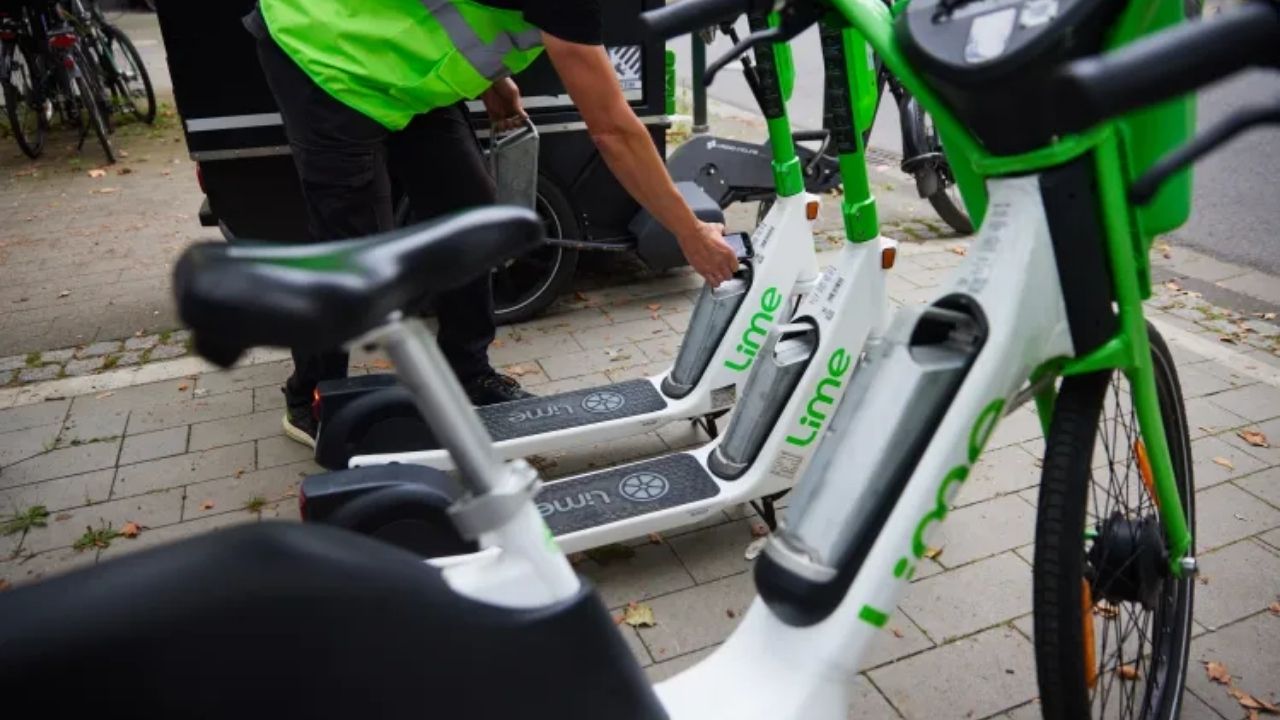
The electric scooters and bicycles helped popularize micromobility in large cities, offering a short alternative for trips that could be made by car. However, the expansion of this model also raised an inevitable question: what to do when the batteries stop working?
-
Meteor Showers and Full Moon Create Rare Celestial Display Over Brazil in Late July

-
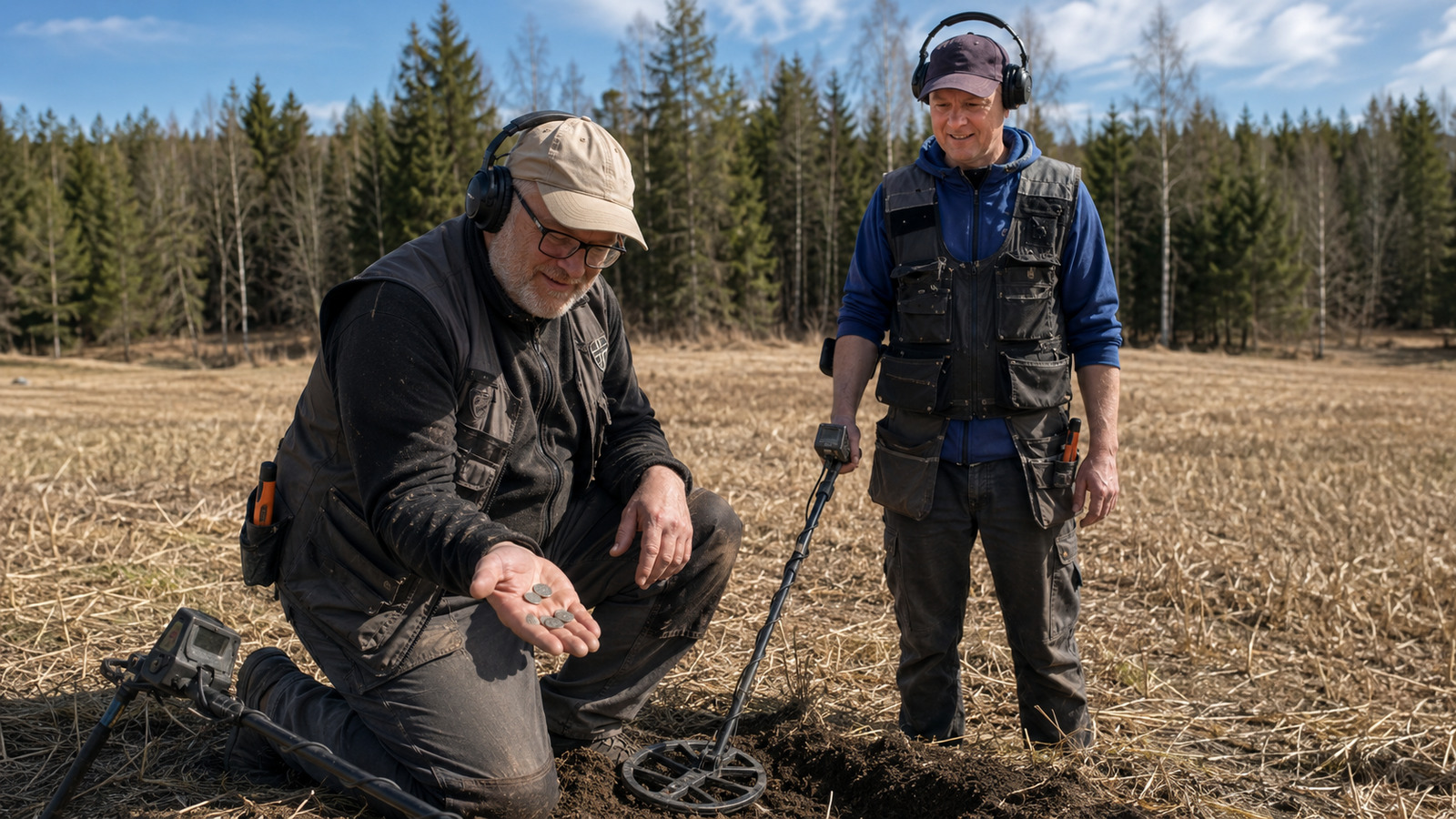
Metal Detector Enthusiasts Uncover Largest Viking Coin Hoard in Norwegian History with 2,970 Silver Pieces Near Rena

-
5 km Lunar Pipeline Could Supply Oxygen to Astronaut Bases, Replace Transport Robots, and Become First Major Infrastructure Project Beyond Earth
-
U.S. Attempted to Tame Hurricanes with Silver Iodide and Aircraft for Nearly 20 Years



According to Lime, the batteries of their bicycles and scooters typically last about 500 charge cycles, or between five and seven years. After this period, the packs need to be removed from circulation and sent to an appropriate destination.
This is where the promise of clean mobility meets its own environmental problem. While electrification reduces emissions in daily use, the lifespan of components requires logistics, recycling, and reuse to avoid wasting valuable materials.
The partnership with Redwood aims to address this less visible stage of the operation. Instead of treating used batteries as mere technological waste, the proposal is to recover metals and components that can still return to the production cycle.
Agreement between Lime and Redwood targets three countries
Lime plans to recycle batteries from shared bikes and scooters initially in three markets: United States, Germany, and the Netherlands. The company operates a global fleet of 270,000 shared vehicles in 30 countries, but the reported agreement does not cover all these territories.
The choice of these countries shows that recycling still depends on infrastructure, logistics, and industrial capacity to function at scale. It’s not enough to remove the packs from the streets; they need to be transported, disassembled, processed, and reintegrated into an existing production chain.
Redwood Materials acts precisely as the industrial link in this operation. The company receives the used batteries, assesses what can be directly reused, and chemically processes the relevant materials.
The agreement also reinforces a larger trend in the electric vehicle sector: recycling has ceased to be just an environmental issue and has become a strategic part of the supply chain. Nickel, cobalt, copper, and other materials are expensive, contested, and essential for new batteries.
Process begins with the reuse of still useful parts
When the batteries arrive at Redwood’s facility in North Nevada, the first step is to identify what can still be reused. This includes connectors, wires, plastic parts, and other components that do not necessarily need to undergo chemical recycling.
This sorting is important because not everything inside a used pack needs to be destroyed to become raw material again. In some cases, physical parts can return to use more directly, reducing material and energy loss in the process.
After this stage, Redwood proceeds to the chemical recycling of the most valuable components. The goal is to extract and refine elements like nickel, cobalt, and copper, which can be used in the manufacture of new batteries.
According to Redwood, about 95% to 98% of these materials can be recovered and returned to the supply chain. This rate was one of the points that convinced Lime to close the agreement, according to the report.
Recovered materials can return to electric vehicles
The logic of the partnership is circular: when a battery is no longer suitable for moving a bike or scooter, its materials can be used in new batteries. This reduces the dependence on mineral extraction and helps to better utilize resources already placed on the market.
Redwood transforms recovered materials into high-quality battery components, which can be sold to industrial partners. In practice, part of what came out of a scooter can return, after being refined, to the electric vehicle supply chain.
This point changes the way technological waste is viewed. Instead of seeing used packs as final waste, the industry begins to treat them as an urban stock of strategic metals.
The scale of the vehicles themselves helps to understand the opportunity. According to Redwood, each electric bike or scooter battery has about 0.5 kWh, while an electric vehicle battery has approximately 65 kWh.
Small batteries can also form a large volume
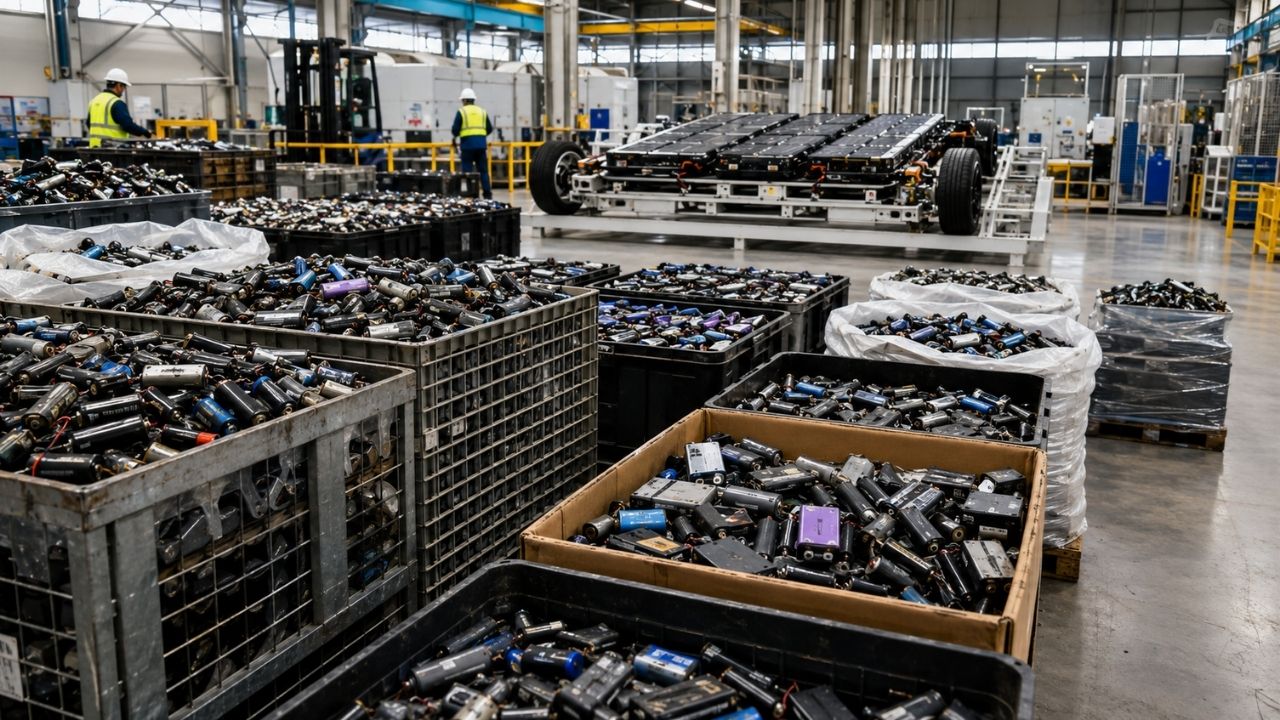
Individually, a scooter battery seems small when compared to that of an electric car. However, when thousands of units go out of operation, the accumulated volume becomes industrially relevant.
Redwood calculates that collecting about 130 medium-sized batteries provides enough recyclable material for an electric vehicle battery. This number shows how smaller equipment can become a relevant source of raw materials when there is scale.
The opportunity lies precisely in the accumulation. Bicycles, scooters, consumer electronics, electric cars, and stationary storage systems form a growing set of batteries that will sooner or later reach the end of their useful life.
According to Alexis Georgeson, vice president of government relations at Redwood, recycling these medium formats represents a great opportunity. The company claims to have recycled, just in 2024, the equivalent of 20 gigawatt-hours in material.
Redwood already recycles batteries from large companies
Redwood Materials was founded in 2017 by Jeffrey “JB” Straubel, known for his tenure as a technology executive at Tesla. Since then, the company has expanded its role in reusing battery production waste and processing used packs.
In addition to its relationship with materials from Tesla and Panasonic, Redwood also works with electric vehicle and electric bike batteries from companies like Ford, Toyota, Nissan, BMW, GM, Rad Power Bikes, Specialized, Amazon, and Lyft.
The entry of Lime expands this list to the universe of shared micromobility. This is relevant because urban-use scooters and bicycles have intense cycles, circulate in large fleets, and require periodic replacement of components.
For Lime, the agreement also strengthens the discourse of circularity. Andrew Savage, the company’s head of sustainability, stated that shared micromobility already carries a circular logic, and that end-of-life batteries need to follow the same direction.
Recycling also targets cost and supply chain
Battery recycling is not just an environmental issue. It also touches on a sensitive economic point: the cost and availability of materials used in new cells.
Georgeson stated that Redwood’s focus is on the cathode, a part that represents about 60% of the battery’s cost. The company already produces copper foil for the anode and delivers this material to partners like Panasonic, but now seeks to expand investments in the cathode.
This shows that the sector wants to control more valuable stages of the chain. Recovering metals is important, but transforming these metals into materials ready for new batteries increases the industrial value of recycling.
In a global market pressured by growing demand for electric vehicles, energy storage, and electronics, each source of reused nickel, cobalt, and copper can reduce dependence on mining and importation.
Scooters reduced cars but created a new environmental account
Micromobility gained ground because it offers short, flexible trips that are less dependent on cars. In theory, each scooter or electric bicycle trip can replace part of the use of automobiles in urban areas.
But the operation is only environmentally sustainable if the complete cycle is considered. It is not enough to look only at the exhaust-free trip; it is also necessary to look at manufacturing, maintenance, lifespan, and recycling of the batteries.
The agreement between Lime and Redwood points to this second stage of the sector’s maturity. After putting vehicles on the streets, companies now need to prove they can handle the waste generated by their own expansion.
Recycling does not alone solve all the impacts of electric mobility, but it reduces one of the main weaknesses: the destination of used packs. By recovering materials, the industry reduces waste and creates a bridge between the current fleet and the next vehicles.
Technological waste can become raw material for the next fleet
The partnership between Lime and Redwood shows that electric mobility is beginning to tackle a problem that grew along with it. Batteries age, lose efficiency, and need to be replaced, but they still carry valuable materials within their packs.
The agreement in the United States, Germany, and the Netherlands does not cover the entire global operation of Lime, but it signals a path. If recycling gains scale, used scooters and bicycles can fuel the production of new electric vehicles.
The question now is whether this model will be expanded to more countries and if other micromobility companies will follow the same path. The larger the urban electric fleet, the greater the need to create an efficient return chain.
And you, do you believe that electric scooters and bicycles remain a clean solution if their batteries are recycled correctly? Or is technological waste still a bigger problem than companies admit? Leave your opinion in the comments.