






 Portuguese
  Spanish


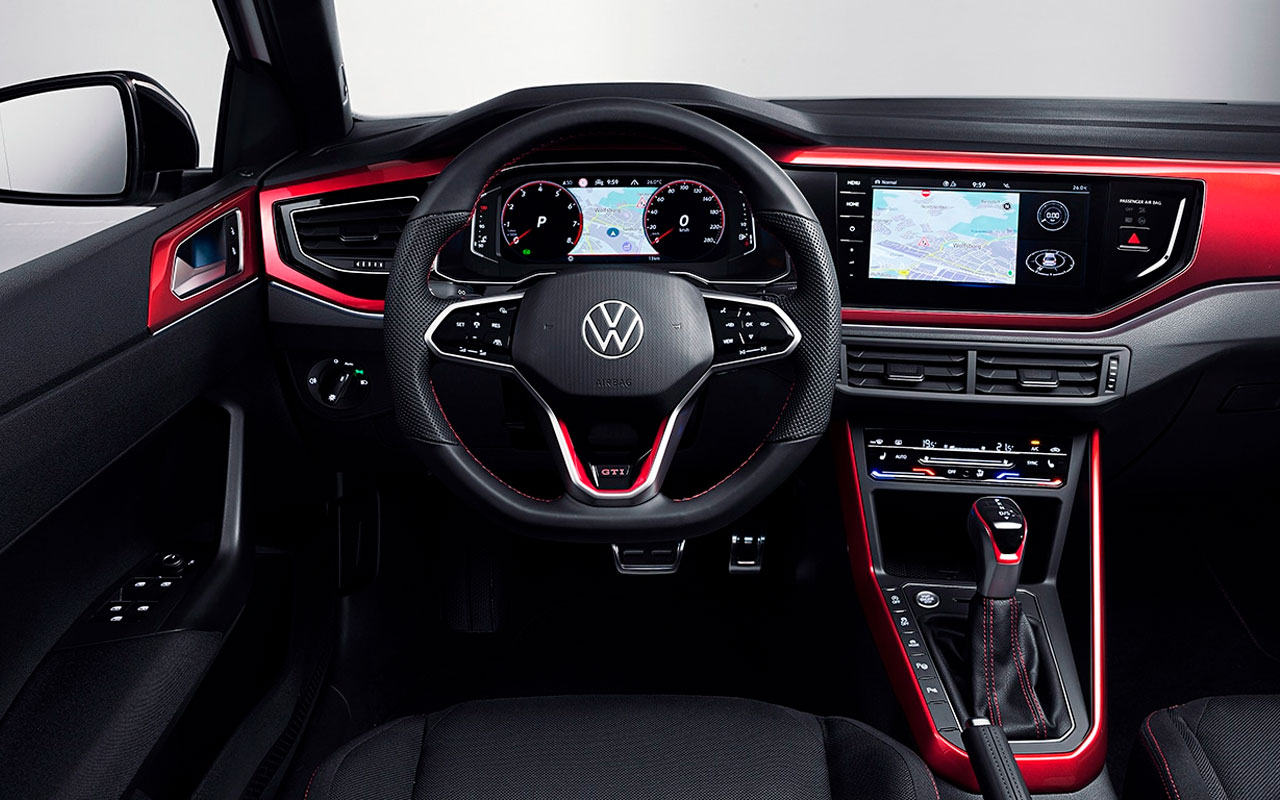


Survey Based on the IMV from Cesvi Brazil and More Recent Cost of Use Data Points to the Most Maintenance-Friendly Models in 2025, with Simple Services, Affordable Parts, and Good Reliability
The prices of parts and services continue to rise in Brazil, which makes affordable maintenance a central criterion in choosing a car. In 2025, consumers look beyond the purchase price and compare scheduled services, parts basket and repair ease to reduce visits to the workshop. Specialized publications have been highlighting the models that combine simple mechanics with good service packages.
In this context, hatches and sedans with naturally aspirated engines and widely disseminated platforms have an advantage. They bring together a large assistance network, greater parts availability, and non-captive labor, which lowers the cost per kilometer driven.
The rule is clear for those who drive a lot, such as app drivers: less workshop means more time earning. And this is where the Vehicle Maintenance Index (IMV) from Cesvi Brazil and the cost of use studies help separate myth from reality.
-
Banco do Brasil and Uber Launch Cashback Program Offering Up to 3.5 Loan Installments Back, Drivers Gain Access to New Cars Worth Up to $30,000 Through Move Brasil Initiative

-
Looking for a Car for Dirt Roads? Fiat Uno, Strada, and Volkswagen Gol Offer Durability and Affordability

-
MG Motor to Produce Two Electric Cars in Brazil with $75 Million Investment, Creating 600 Jobs
-
Nissan Kicks S Direct 2018: Affordable Used SUV with Over 13 km/l Fuel Efficiency, 432-Liter Trunk, and CVT Automatic Transmission


What the IMV Measures and Why It Matters
The IMV from Cesvi Brazil compares vehicles within the same category by adding up the costs of preventive maintenance projected up to 100 thousand kilometers. The score ranges from 10 to 60 and the lower the number, the cheaper the car tends to be to maintain. The index has been a reference since its creation by standardizing comparisons among models and guiding consumers.
In practice, the IMV interacts with other market metrics, such as annual cost of use surveys that add up service, insurance, fuel, IPVA, and depreciation. These studies reinforce that champions of simple maintenance often show good performance in terms of expenses throughout the year.
As a result, by cross-referencing the IMV with current rankings of cost of use, it becomes easier to assemble a reliable list of cars that rarely go to the workshop and provide budget predictability.
The 8 Cars That Almost Never Go to the Workshop in 2025
1) Volkswagen Up! 1.0
Compact project with simple and robust mechanics, extensive parts sharing with the VW line, and straightforward services. It usually has a low rate of chronic failures and easy access to independent workshops, which reduces service costs.
2) Renault Kwid
1.0 naturally aspirated engine and lightweight assembly, with affordable parts and a wide network. Preventive maintenance is direct and cheap, and the electronics are not complex, which reduces downtime and labor costs.
3) Volkswagen Polo
Widely used platform with many common components with other VWs. The service cycles are clear and predictable, and there is a large supply of both parallel and original parts, which pressures prices downwards and avoids frequent trips to the workshop.
4) Volkswagen Saveiro
Simple pickup with known mechanics in the market. Easy-to-repair suspension and brakes, broad availability of parts, and a service network throughout the country. It is a work vehicle that prioritizes durability and quick maintenance.
5) Citroën C3
Focus on acquisition and usage cost. The mechanical assembly is streamlined, with competitive scheduled services and inexpensive wear items. The simplicity of the systems reduces incidents and facilitates repairs outside the network.
6) Toyota Etios (Hatch and Sedan)
Reputation for mechanical reliability and very predictable preventive maintenance. The engine and transmission are robust, parts have good availability, and the services follow packages with fixed pricing, which aids in budget planning.
7) Renault Logan/Sandero
Popular models among app drivers. Known mechanics, large parts availability, and shared items across the Renault family. Services are cheap and easy, with good availability of specialized labor.
8) Chevrolet Onix/Prisma Joy
Complete 1.0 simple and widely used, with a competitive parts basket and many qualified workshops. The basic services tend to be affordable, and the daily usage history shows a low frequency of interventions when preventive maintenance is up to date.
Why Are These Cars Cheaper to Maintain?
In general, they use 1.0 naturally aspirated engines or robust designs, have components shared with other best-sellers, and offer transparent service packages. This helps the owner forecast expenses and avoids surprises in the workshop.
It is worth noting that studies on cost of use 2025 also highlight the strength of simple designs in everyday savings. The survey conducted by Quatro Rodas shows, for example, hatches and SUVs with competitive services and low depreciation at the top of their categories, reinforcing the same logic of predictability.
Models that excel in affordable maintenance generally have abundant parts and compatibility with a large network of suppliers, which reduces price and lead times. The simple mechanics also shortens service time and lowers the chance of chronic failures.
Furthermore, popular cars benefit from specialized labor outside the network, creating healthy competition and reducing costs. For those who drive daily, every hour off the road impacts the wallet; therefore, more than just “not breaking down,” the ideal is to have quick and predictable repairs.
At the end of the day, combining a favorable IMV, clear service programs, and a positive history in cost of use is what truly protects the driver’s budget.
What do you think about the list? For some, the Gol and Up! remain unbeatable in maintenance costs; others argue that C3, Polo, and HR-V now deliver better cost of use in the first year. Leave in the comments which cars really go almost never to the workshop.





Kwid nesta lista, tão brincando, esse carro é um lixo.
Meu ônix joy nunca me deu dor de cabeça ( 2018 )
Kwid não quebra?