






 Portuguese
  Spanish


Project developed by Codevasf brings irrigation, technical assistance, and fruit cultivation to family farmers in Vão do Paranã, northeastern Goiás
An economic and social transformation is changing the reality of family farmers in Flores de Goiás, in the northeast of the state.
Among the benefited residents is the farmer Júlia Pereira de Andrade, who spent two years without water on her own property.
-
Cashew Becomes Billion-Dollar ‘Superfood’ in Ivory Coast: 1.6 Million Hectares of Monoculture Encroach on Forests as Families Trade Food for Nuts

-
In Rural Brazil, José Sirval Operates a Water-Powered Mill Grinding 125 Kilograms of Corn Daily Using His Great-Grandfather’s Century-Old Monjolo
-
From Market Stall to Agribusiness: Patagonian Fruit Grower Owns 550 Hectares and Processes 18 Million Kilos of Pears and Apples Annually, Exporting Directly to Brazil
-
At 93, Brazilian Farmer Restores 56 Hectares of Forest and Revives Spring in the Amazon, Installs First Climate Tower in the Region


The family needed to leave the settlement to fetch the resource used for bathing and other domestic needs.
Faced with scarcity, Júlia turned to faith and made a request that marked her journey.
“I knelt and asked God to give me water”, the farmer reported.
Well changes the routine of the farmer in Flores de Goiás
The drilling of a well marked the beginning of a new phase for Júlia and her family.
The appearance of water on the farm ended a routine marked by displacements and difficulties even for basic tasks.
“The moment I managed to drill this well, when I saw water on my farm, it was the greatest blessing God gave me”, she said.
The resource began to be used both in the domestic environment and in agricultural production.
The change expanded the possibilities of using the property and created a new source of income for the family.
Irrigation ensures cultivation of mango and passion fruit
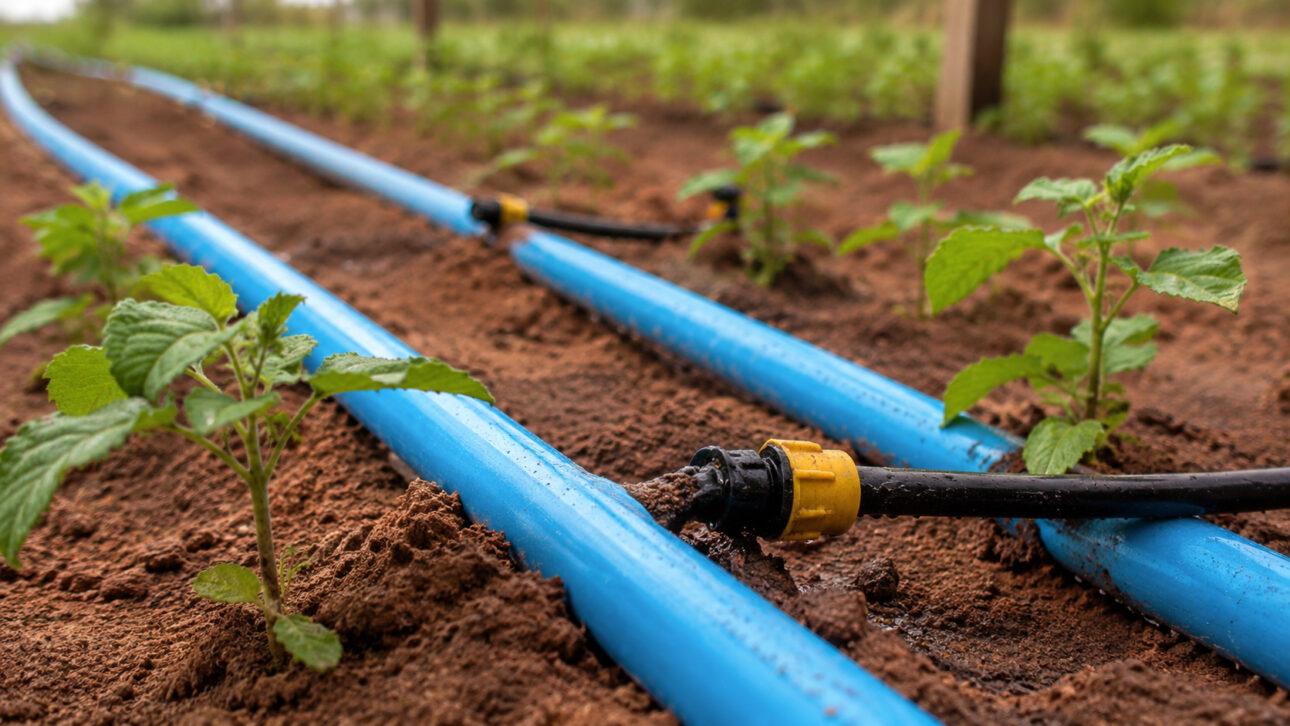
The water drawn from the well currently irrigates mango and passion fruit trees on the farm.
The fruit production helps sustain the family and reduces dependence on rainfall throughout the year.
Continuous access to water also allows farmers to better organize planting and maintain crops for longer periods.
Júlia’s story represents the transformation experienced by other families in the region.
Region known as “Corridor of Misery” begins to change
The Vão do Paranã was historically known as the “Corridor of Misery”.
The name was related to the high levels of poverty and frequent drought periods faced by local communities.
Investments in irrigation, technical assistance, and fruit farming began to change this scenario.
Family farmers started to find new ways to produce, market food, and increase income within their own lands.
The main actions developed in the region include:
- installation of irrigation systems on properties;
- technical assistance to family farmers;
- incentive to cultivate mango and passion fruit;
- agricultural production throughout the year;
- income generation in rural settlements.

Codevasf project strengthens family farming
The transformation occurs through a project developed by the Companhia de Desenvolvimento dos Vales do São Francisco e do Parnaíba, Codevasf.
The initiative brings irrigation systems and technical support to producers in Flores de Goiás.
The project also encourages fruit farming as an economic alternative for families that faced years of water scarcity.
Continuous production helps farmers reduce the effects of dry periods and make better use of their properties.
The transformation was presented in a report by g1 and Globo Rural, published on June 26, 2026.
Water transforms properties and generates income in northeastern Goiás
The water once sought outside the settlement is now available within Júlia’s property.
The resource meets the family’s needs, nourishes the crops, and allows for fruit production.
Irrigation is gradually transforming a region marked by poverty and drought into an area producing mango and passion fruit.
The example of Flores de Goiás shows how access to water can change the routine, work, and income of family farmers.
The prayer made by Júlia during the period of scarcity now accompanies a different reality.
The water found on the land itself began to irrigate crops, produce food, and strengthen the family’s economy.
Do you believe that similar irrigation projects should reach other Brazilian regions affected by drought? Share your opinion!


