






 Portuguese
  Spanish


Brazil has over 250 species of stingless bees, responsible for rare, liquid honeys valued for their unusual flavors
A natural product found in Brazil draws attention for its high price, limited availability, and especially for its uncommon sensory characteristics.
The honey produced by stingless bees can cost up to R$ 600 per liter. In comparison, the product from Africanized bees costs, on average, R$ 47.
Researcher Fábia de Mello Pereira, from the Brazilian Agricultural Research Corporation, Embrapa, explains that native honeys start at R$ 120.
-
Woman Claims to Have Spotted a Technical Pattern in Recent FIFA Tournaments, Predicts Possible World Cup Winner

-
Chevrolet Offers Chance to Win a 2026 Sonic RS for Free via WhatsApp
-
Earthquake vs. Tsunami: Which Causes More Destruction and Why One Can Be Even More Dangerous
-
Hospital Cook Discovers 1,700-Year-Old Pot of 52,503 Roman Coins Using Metal Detector in Field


The price, however, can reach R$ 600, depending on the producing species and the availability of the product.
Some varieties even have aromas and flavors reminiscent of wood, citrus notes, and even cheese.
Low production helps explain the high price
The price difference is directly related to the productive capacity of stingless bees, which are native to Brazil.
These insects form smaller colonies and remain active for fewer hours throughout the day.
The annual production, consequently, is lower than the amount obtained by Africanized bees.
Bees with stingers form larger colonies and work for longer periods. Thus, they produce larger volumes of honey.
The increased supply reduces the commercial price. Meanwhile, limited production makes native honey a rare and valued item.
Moisture and fermentation create unique flavors
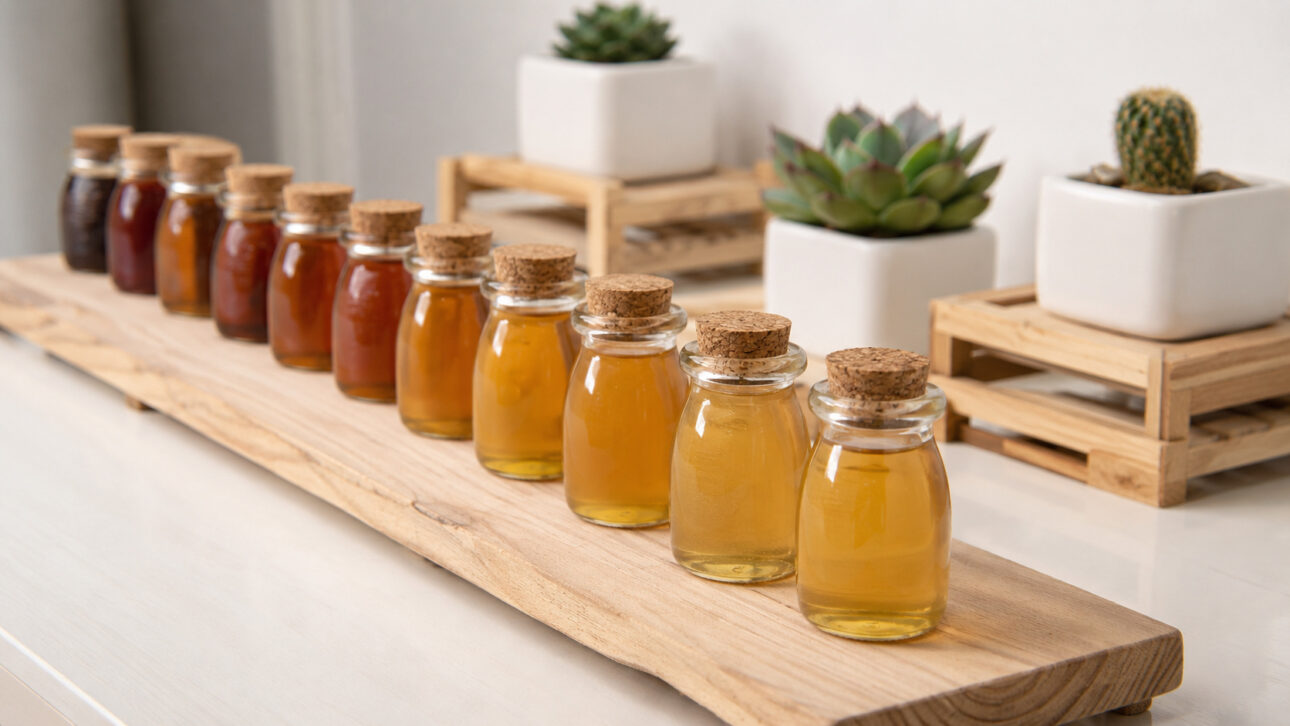
Stingless bee honey has a higher water content. Therefore, it has a more liquid texture and generally more acidic flavor.
The moisture also favors natural fermentation, a process that modifies aromas, flavors, and other characteristics of the food.
The product is stored in small pots of cerumen, a material made by the bees themselves.
According to biologist and master in entomology Kátia Aleixo, the combination of these factors contributes to the formation of unique flavors.
Some varieties resemble wood. Others have citrus, salty, or cheese-like notes.
Brazil has more than 250 native species
Brazil has more than 250 known species of stingless bees, according to information released by Embrapa in 2025 and 2026.
About 100 of these species have breeding initiatives in the country, according to Kátia Aleixo.
The honey from native bees is named after the species responsible for the production.
Among the most well-known types are the honeys of jataí, mandaçaia, tiúba, and borá.
The honey from Africanized bees, in turn, is classified according to the flowering used for nectar collection.
Orange blossom, eucalyptus, wild, grapevine, and bracatinga are among the most well-known varieties.
Main honeys of stingless bees
Borá
Borá honey is considered a delicacy. Its mild flavor has a salty touch reminiscent of cheese.
The variety pairs well with salads, fish, light meats, and other savory dishes.
Jataí
Jataí honey has a light color, delicate acidity, and a wood-like aroma.
Production occurs in different Brazilian regions. The product is also valued for its medicinal properties.
Mandaçaia
Mandaçaia honey can have a clear or almost transparent appearance.
Its flavor is mild with a slight citrus touch. Production is mainly concentrated in the South and Southeast regions.
Tiúba or uruçu-cinzenta
Tiúba honey has a sweet flavor, translucent appearance, and a strong floral aroma.
The variety is produced especially in the states of Maranhão and Pará.
Sting bee honey also has varieties
Orange and eucalyptus
Orange blossom honey has a light color and a slightly acidic taste. Its production mainly occurs in São Paulo and Minas Gerais.
Eucalyptus honey has a dark hue and contains minerals. Traditionally, it is also used as an expectorant in the South and Southeast.
Bracatinga
Bracatinga honey, also called honeydew, has a different origin.
The production uses a sugary liquid released by scale insects that consume the sap of the bracatinga tree.
The Brazilian Association for Bee Studies reports that this honey has a dark color, lower glucose content, and the presence of minerals.
Wildflower and grapevine
Wildflower honey gathers nectars collected from different flowers. For this reason, it can be found in various Brazilian regions.
Grapevine honey has an almost transparent appearance and is mainly produced in areas of the Cerrado, such as Minas Gerais.
Diversity still appears little in supermarkets
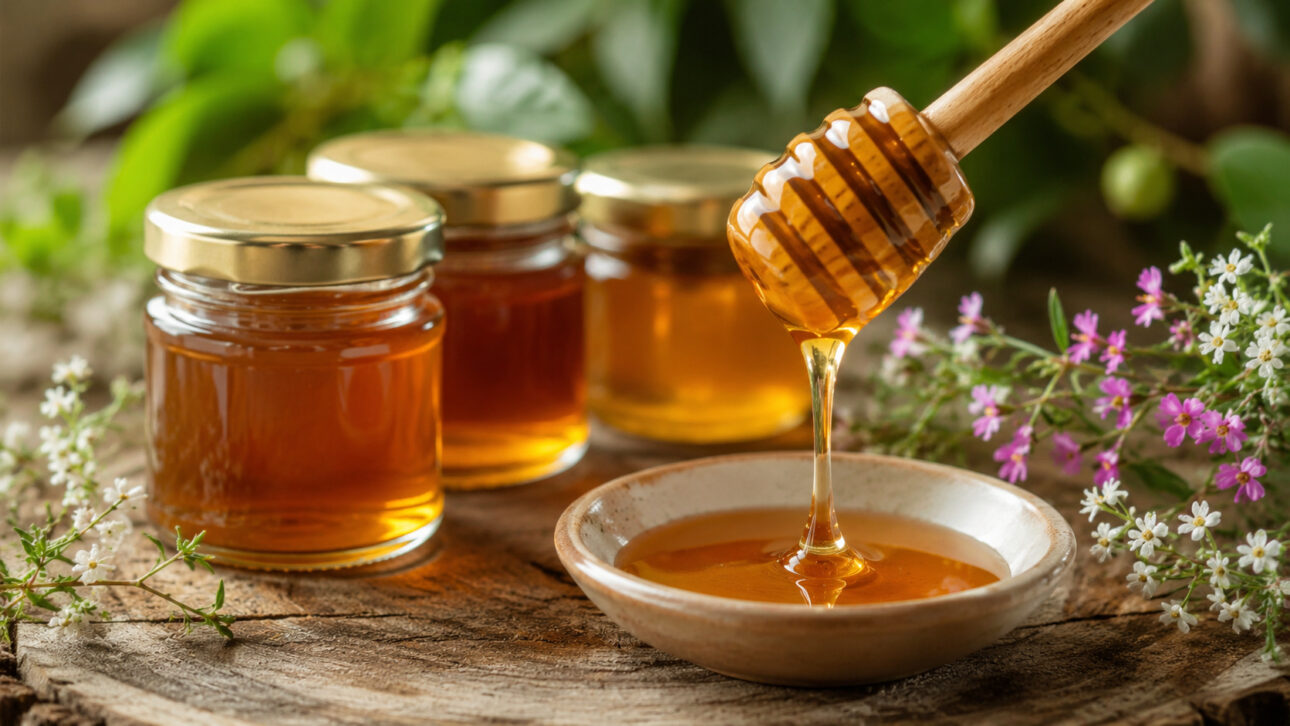
Supermarkets mainly sell honey produced by Africanized bees.
Many labels do not identify the flower that originated the product. In these cases, the honey may gather different blooms in a single mix.
This limited offer does not represent the wide Brazilian diversity.
The honey found in the country presents different colors, textures, aromas, and flavors, ranging from intensely sweet to more acidic.
Which of these varieties would you be more curious to try: a honey with a woody aroma or another with a cheese-like flavor? Share your opinion!


