Portuguese
  Spanish


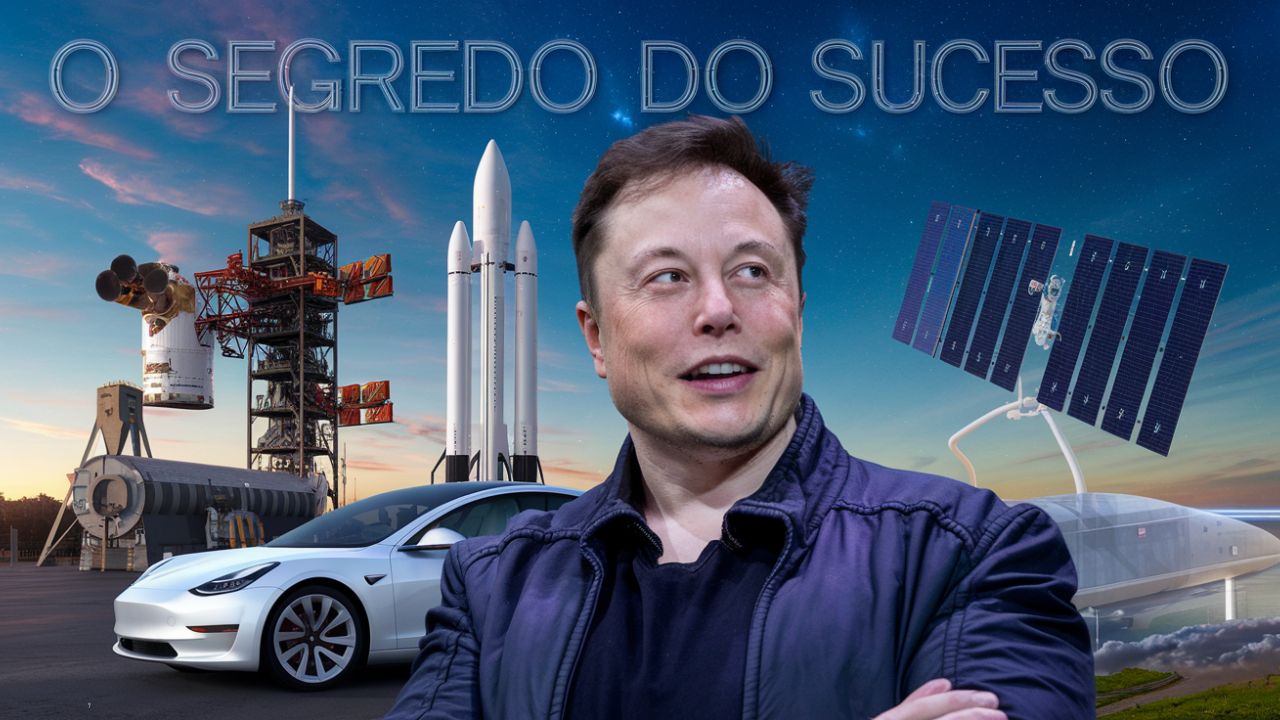


Elon Musk’s Ex-Wife Reveals How the Ability to Say ‘No’ Helped the Billionaire Protect His Resources, Prioritize What Matters, and Revolutionize Multiple Sectors of Technology
Elon Musk is a name that needs no introduction. Whether founding revolutionary companies like Tesla, SpaceX, Starlink, or Neuralink, he seems to be everywhere at once. But how does he do it? According to Justine Musk, his ex-wife and mother of his six children, the answer may lie in something surprisingly simple: knowing how to say “no”.
This seemingly trivial skill, played a crucial role in Musk’s success. And, as Justine revealed in a Quora forum and in lectures, that “no” is not just a word, but a philosophy of life.
The Power of a Simple “No”
Saying “no” is more than a negative; it’s a shield. For Elon Musk, each “no” was a “yes” to something greater — his own goals. According to Justine, he turned down distractions to focus on what truly mattered. This attitude allowed him to channel energy, time, and attention surgically, something essential for someone managing billion-dollar companies.
-
Brazil’s 2026 Tax Refund: Record 9.58 Million Filers in Largest Payout Ever, But a Key Detail on Priority Recipients Draws Nationwide Attention

-
Itaú Alters Hybrid Work Model, Increasing Office Days from 2028, Prompting Employees to Adjust to New Routine
-
Facing Labor Shortage, Japan Plans to Invest $34 Million to Attract Foreign Workers in Construction, Healthcare, Industry, and Commerce

-
Brazilian City Makes Remarkable Leap, Becomes 4th Wealthiest in the Country with GDP of R$ 134.1 Billion




Imagine your life as a cellphone battery. Each call, message, or open app drains your charge. Elon Musk understands this and chooses to save battery for the most important tasks. He avoids “energy drainers”, ensuring that his efforts align with his goals.
This is where the magic happens: for every “no”, there is a deeper, more significant “yes” behind it. Musk, like other visionaries such as Steve Jobs, knows that accepting one task means sacrificing another. This mindset is not exclusive to billionaires — it can be adopted by anyone.
Lessons from Justine Musk
For Justine, Elon’s “no” was not just a matter of power, but of intent. He knew exactly where he wanted to go and was willing to make tough choices to get there. This clarity of purpose is what sets great leaders apart.
Elon’s ex-wife also points to the importance of developing this skill early on. According to experts, we begin to explore the concept of “no” as children around 15 months old when we seek independence. This same skill, when refined, can become a powerful tool for adults.