Portuguese
  Spanish


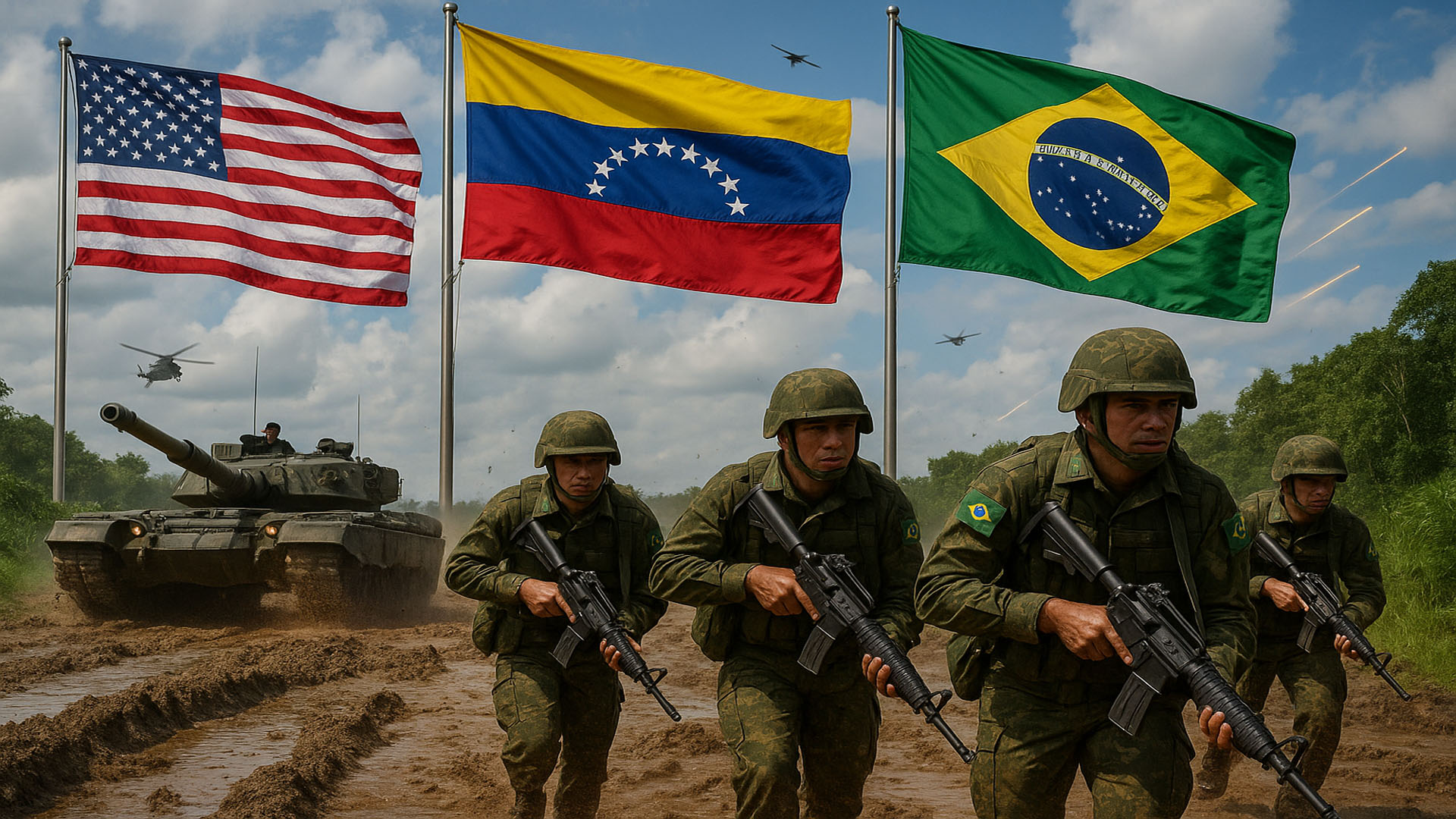


Exercise Between October 3 and 9 Brings Together Army, Navy, and Air Force in Roraima and Amapá, While the U.S. Deploys Seven to Eight Warships and a Submarine to the Southern Caribbean, Heightening Tensions.
The Operation Atlas 2025 will have its main phase from October 3 to 9 with the concentration of troops in Boa Vista (RR) and actions also in Amapá, in an effort for readiness and integration of the Armed Forces in the Amazon. According to the Ministry of Defense and national media, the exercise involves about 10 thousand military personnel, representing the largest military concentration in the country this year.
The mobilization coincides with the escalation between the United States and Venezuela. Washington has increased its naval presence in the southern Caribbean, with seven to eight warships and one nuclear submarine, and confirmed lethal attacks against vessels identified as being involved in drug trafficking, which has raised alerts in Caracas.
In Brazil, the operation is coordinated by the Ministry of Defense and integrates actions across multiple domains — land, riverine, maritime, and air — emphasizing logistics in the Amazon region, a critical area for defense and sovereignty.
-
New Brazilian Frigate Equipped with Advanced Missiles and Radars to Safeguard Strategic Maritime Areas

-
New Brazilian Frigate Equipped with Advanced Missiles and Radars to Protect Strategic Maritime Areas, Including the Blue Amazon and Pre-Salt Reserves
-
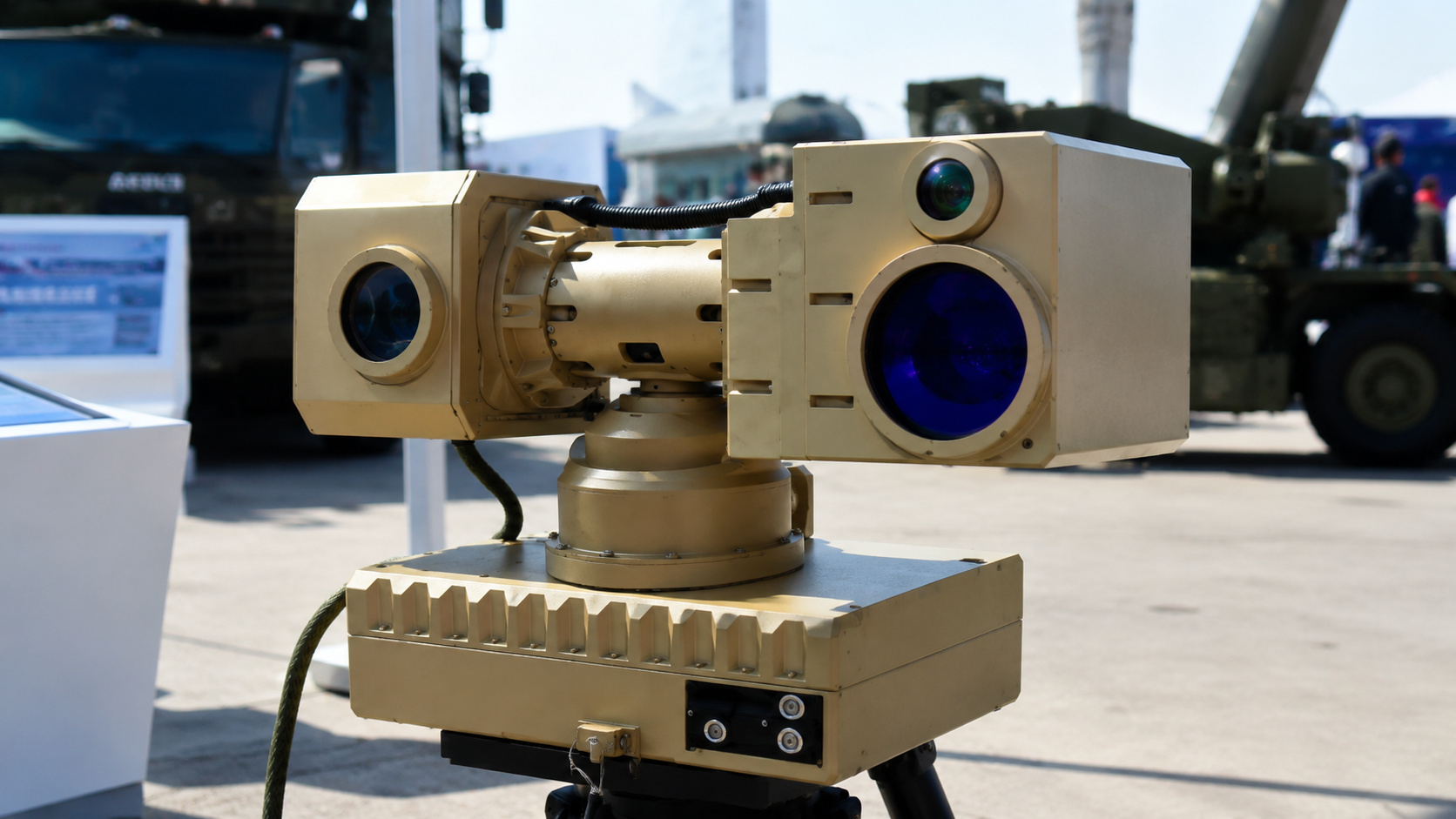
China Unveils Laser Weapon Capable of Instantly Neutralizing Military Drones, Marking a Significant Advancement in Air Defense Technology
-
U.S. Navy’s Ticonderoga-class Cruiser Becomes a 9,800-Ton Missile Fortress with Advanced Aegis System Capable of Tracking Hundreds of Targets



Operation Atlas 2025: Objectives, Phases, and Where It Takes Place
The Atlas 2025 tests operational readiness, interoperability, and logistics in an Amazon environment. The focus is to ensure a rapid response in conflict scenarios and emergencies, with the joint employment of the Army, Navy, and Air Force.
The exercise has been structured in phases: planning (in July), strategic deployment (September-October), and execution on the ground in the first half of October, with actions in Roraima, Amapá, Amazonas, and Pará. The main phase takes place in Boa Vista, featuring operational readiness and simulations.
According to the Army and the media, the mobilization gathers about 10 thousand military personnel. The Army will deploy 105 military organizations, 434 vehicles, 40 armored vehicles, and 9 helicopters. Keywords: Operation Atlas 2025; Armed Forces; Amazon; Roraima; Amapá.
NAM “Atlântico” in Belém: Logistical Reinforcement and Support for COP30
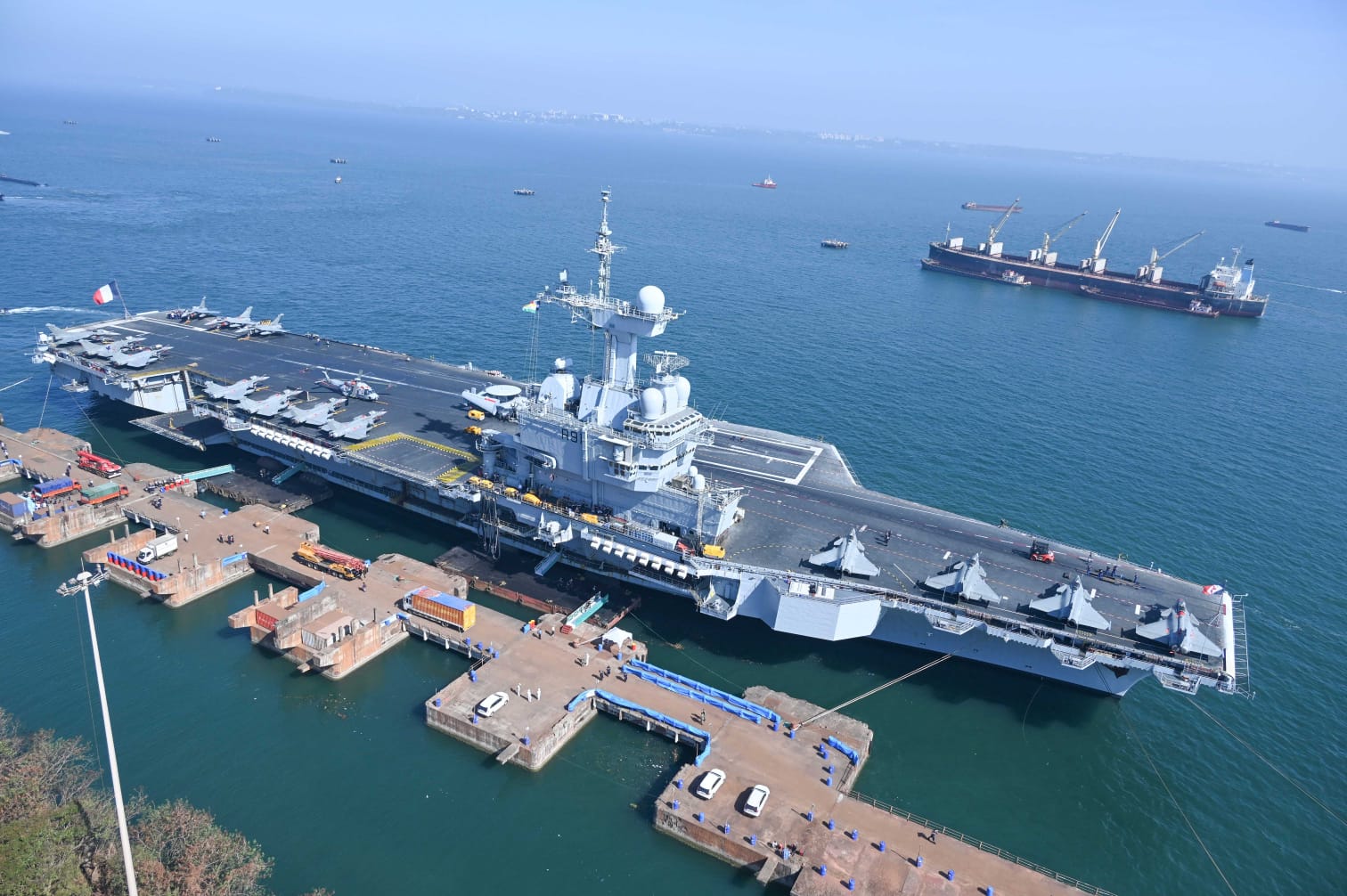
The Navy mobilized the Multipurpose Aircraft Carrier (NAM) “Atlântico”, which docked in Belém (PA) on Thursday, September 25. According to the Ministry of Defense, the ship left Rio on September 13 with 1,044 military personnel and about 700 tons of equipment, including 80 vehicles and aircraft, part for Atlas and part to support COP30.
The “Atlântico” is the largest warship in Latin America and serves as a logistical hub to move personnel and heavy means in a region of difficult land access, enhancing command and control capacity and air support.
The presence of the ship also enables amphibious operations and sustained exercises for longer-duration missions at the Amazon River Mouth, in addition to leaving resources in Belém for the security and infrastructure of COP30.
U.S. x Venezuela: Fleet, Attacks on Boats, and Simulations in Caracas
In the Caribbean, the U.S. deployed seven ships and one attack submarine with about 4,500 military personnel, including 2,200 marines, according to Reuters. Other estimates from AP mention eight ships and over 5,000 personnel, along with F-35 in the region.
The Trump administration stated it had carried out three attacks against vessels allegedly linked to drug trafficking, with confirmed fatalities, and hardened the rhetoric at the UN: “blow you out of existence,” the president warned traffickers. Experts and lawmakers in the U.S. question legal basis and risk of escalation.
In response, Venezuela intensified military exercises and conducted a national civil defense simulation, with training for potential conflicts and disasters, mobilizing military personnel, militias, and the population in various states and coastal areas like Isla de Patos.
Strategic Impacts for the Amazon and the Northern Border of Brazil
For experts, the coincidence of calendars does not imply operational linkage between Atlas and the U.S.–Venezuela situation, but raises sensitivity in the Brazilian strategic environment, especially along the borders with Venezuela and Guyana.
The Amazon remains a priority theater for defense, facing logistical, environmental, and transnational crime challenges. Exercises like Atlas assess readiness, supply chains, and the integration of sensors and means in complex terrain.
Brazilian action takes place in national territory and with a declared defensive purpose. In the Caribbean, however, the lethal engagement against boats by the U.S. and Venezuelan military activism increase regional uncertainty.
In your opinion, does Operation Atlas strengthen the defense of the Amazon or aggravate regional tension by coinciding with the U.S. naval blockade of Venezuela? Leave your comment and state whether Brazil should expand exercises on the border as a deterrent or reduce exposure given the risk of incidents in the Caribbean?