






 Portuguese
  Spanish


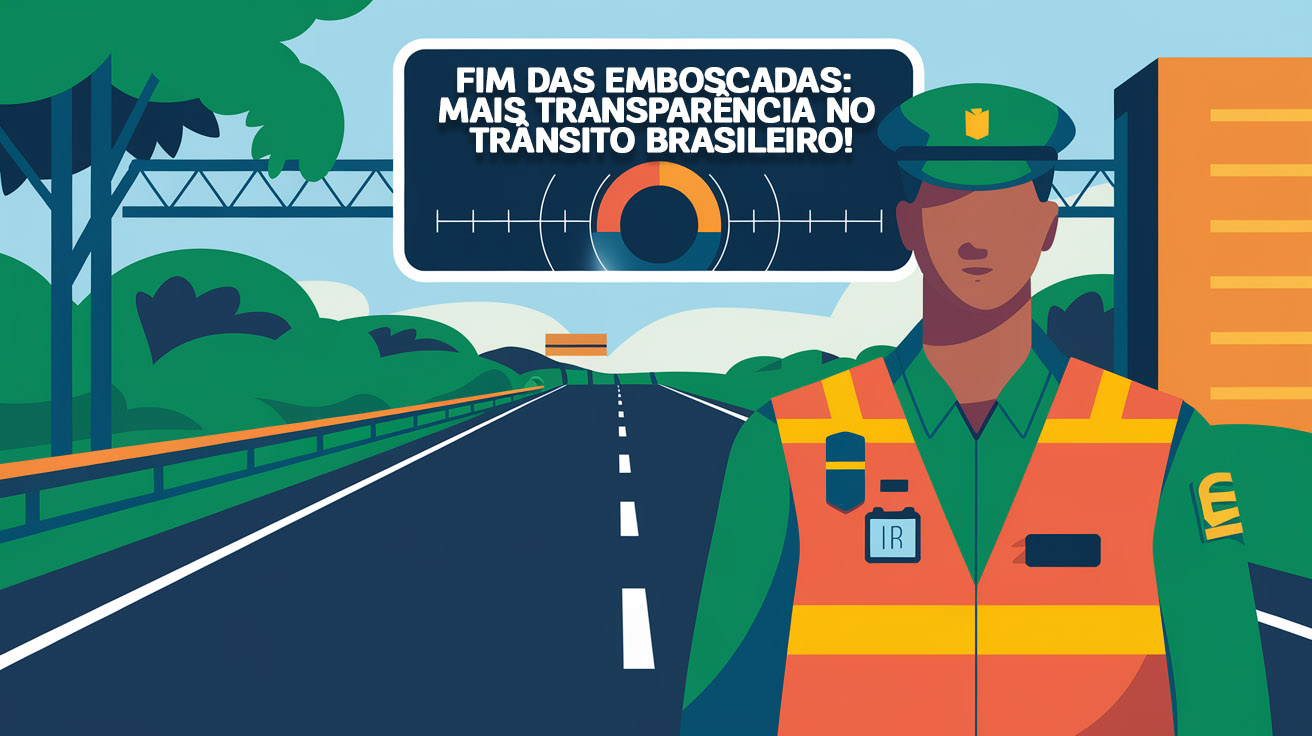


Since 2021, hidden traffic officers are prohibited from issuing fines. Resolution 798 seeks justice and transparency, with identified officers and visible devices. In 2024, PRF fines increased by 70% with the support of technologies like cameras and drones. Understand how these changes impact drivers and Brazilian traffic.
A few years ago, a controversial practice generated outrage among Brazilian drivers: hidden traffic officers in strategic locations issued fines in a way that many considered unfair.
This situation, which seemed like a real game of cat and mouse on the streets and highways, is now prohibited by law. But what motivated this prohibition?
What is the current scenario of traffic law enforcement in the country? Understand how the new legislation brought transparency and reshaped the relationship between drivers and traffic officers.
-
Volkswagen to Cut Production by 1 Million Cars by 2030, Reducing Jobs and Platforms, Focusing on More Profitable Models

-
Toyota Launches First 100% Electric Car in Brazil: bZ4X with 343 HP, All-Wheel Drive, 361 km Range, Priced at $419,990 BRL, Limited to 99 Units

-
Chinese SUV Achieves 24.4 km/l, Outperforms Toyota Yaris Cross in Real-World Tests with 224 hp Hybrid System, Offers 51-Liter Tank for Greater Range, and Costs Up to R$ 5,000 Less.
-
Uber Black Revamps Fleet, Drops Ten Car Models and Sets Deadline for Electric BYD Dolphin


Resolution No. 798 from the National Traffic Council (Contran), in effect since November 1, 2021, prohibits hidden traffic officers from issuing fines.
This measure seeks to prevent abusive practices and ensure more fairness in traffic enforcement, strengthening the trust relationship between drivers and enforcement agencies.
According to the rule, officers must be properly identified and visible.
Moreover, enforcement devices, like speed cameras, cannot be hidden behind trees, poles, or other structures.
A Necessary Change
The legislation was created in response to frequent complaints about the conduct of traffic officers.
Walter Douglas Sanches, a traffic law specialist, explains that “the practice of hiding to issue fines was justified as a way to catch offenders who might otherwise escape.
However, this approach was criticized as dishonest, generating distrust and discomfort among drivers.”
The resolution also requires traffic agencies to provide, on online platforms, the identification of the officers involved in enforcement.
This measure offers drivers the chance to verify the legitimacy of the received fine and appeal if deemed necessary.
To contest a fine, the driver must check the infraction notice or notification received and follow the procedures established by the responsible agency.
According to Sanches, “the practice of surprising citizens with fines, without uniforms or while in plain clothes, raises questions about abuse of authority.”
Technology and Transparency
If the use of hidden officers was prohibited, enforcement gained reinforcement through technology.
Monitoring cameras equipped with artificial intelligence and drones are increasingly present on streets and highways.
These tools, in addition to being more efficient, reduce the need for direct interactions between drivers and officers, decreasing potential conflicts.
A clear example of this impact is the number of fines issued by the Federal Highway Police (PRF).
In 2024, the PRF recorded about 6.6 million infractions on Brazil’s federal highways.
This volume represents an increase of nearly 70% compared to 2023, when 3.9 million fines were issued.
The Impact of the New Rules
With the prohibition of ambushes, enforcement has started to prioritize accident prevention. Traffic officers are now required to guide drivers and not just issue fines.
This change also aims to educate drivers and promote a safer and more organized traffic.
The population also gained more tools to monitor the conduct of officers. The transparency of actions is one of the main pillars of the Resolution No. 798.
Today, drivers can quickly and clearly consult information about received fines, avoiding confusion and promoting justice.
And Now?
The prohibition of hidden officers issuing fines was an important step in humanizing traffic enforcement in Brazil.
Nevertheless, the significant increase in the number of fines indicates that challenges remain.
How can drivers adapt to the new enforcement technologies without feeling they are under constant surveillance?
Do you believe that the prohibition of hidden officers has improved the relationship between drivers and enforcers?








Continua escondidos e pior tirando multas resistente e o cidadão nada pode fazer pois dizem eu tava lá vc que não viu.
Tenho minhas dúvidas.
Somos multados por agentes, sem fotos para sabermos. A palavra do agente é que vale.
Se recorrermos perdemos.
Único caminho: Pagar.
Claro que não. Só piora. Olha o volume de arrecadação envolvido. Quem não quer? Outra, o drone teria que enviar imagem do autuado em relação a posição do fiscal, ou seja, foto da posição do fiscal ao autuar. Tecnologia pró cidadão não tem né? Como o cidadão fará prova de um fiscal desleal se não vê -lo?