Portuguese
  Spanish


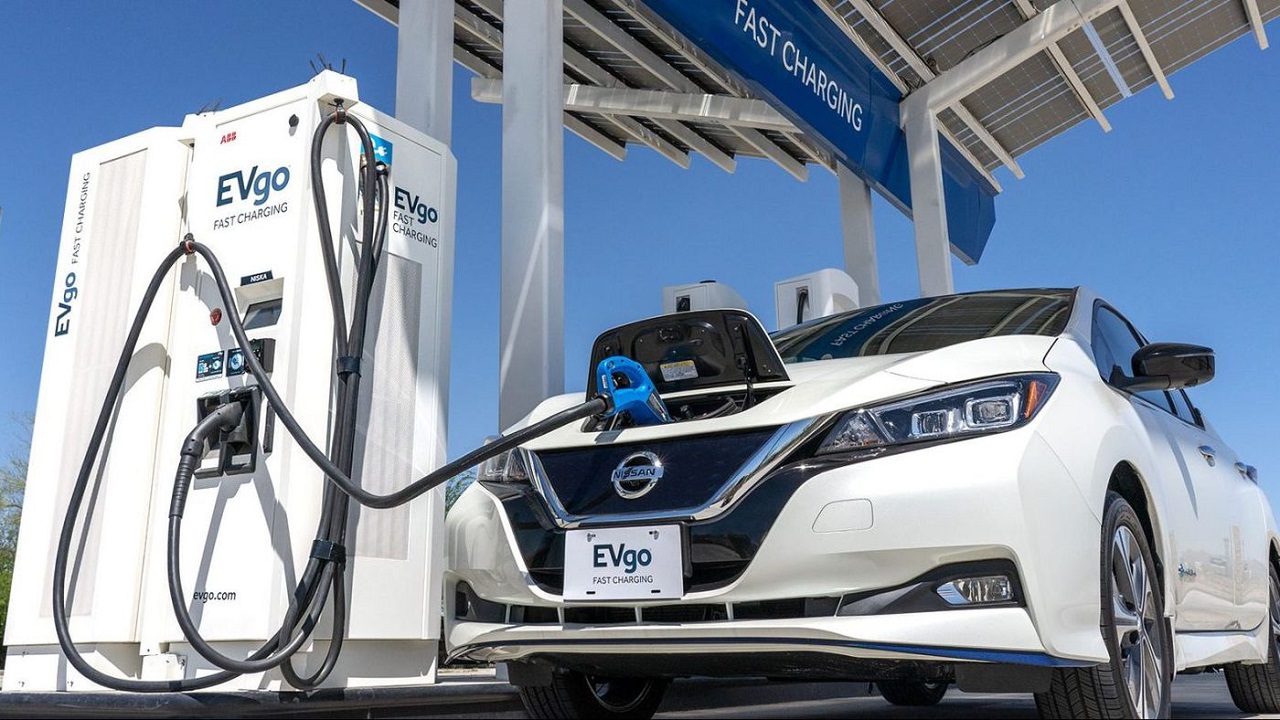

Nissan Is Already Setting Its Sustainability Goals, Stating That It Will Use Cobalt-Free Technology So That The Production Cost Of Its Batteries Is 65% Lower.
Nissan has revealed, in addition to its long-term strategy, Ambition 2030, and four new concepts, that it is making advances in solid-state lithium-ion battery technology for electric vehicles. The Japanese manufacturer claims it will introduce cobalt-free technology to reduce production costs by 65% by the fiscal year 2028.
See Also
Nissan’s New Battery Factory Will Be Ready in 2024


The Japanese brand states that by the fiscal year 2028, it will launch electric vehicles with its proprietary solid-state batteries, and the pilot factory for these batteries, located in Yokohama, Japan, is expected to be ready by 2024.
The term “proprietary” and the location of the pilot plant indicate that Nissan has some internal technology. It is worth noting that the company has been involved with lithium-ion batteries for about 20 years and, alongside NEC, produced its own batteries for electric cars through AESC, which was later purchased by a Chinese partner.
-
Hatch with sedan space and 1.0 car consumption: equipped with a 1.5 engine with 126 hp, CVT transmission with seven simulated gears, and consumption of up to 17.4 km/l, this used Honda delivers technology, comfort, and reliability; meet the 2022 Honda City Hatch Touring.

-
End of an era in Brazil: beloved sedan by Brazilians is discontinued despite having a 2.0 engine with 151 hp, CVT transmission, 466-liter trunk, and up to 650 km of range.

-
New Law Proposal in Brazil Could Heavily Penalize Drivers: Dangerous Overtaking May Become a Serious Offense with Fines Increased Tenfold and a 12-Month License Suspension; Update on 2026 Progress

-
Electric Revolution: Watts W125 Motorcycle Offers 160 km Range, 90 km/h Speed, and Affordable Price Starting at $3,000


It has not yet been confirmed whether the solid-state batteries will use the company’s cobalt technology or if it will be a separate innovation for a more common chemistry without cobalt, such as LFP. According to a statement, ASSB will be essential for expanding the brand’s electric vehicle lineup.
Nissan Promises to Resolve One of The Biggest Stalemates in The Electric Vehicle Industry
The Japanese company stated that its solid-state, cobalt-free batteries will help end one of the biggest stalemates in the electric sector, the reduction of charging time. In addition, these products will double energy density, making electric cars more efficient and also more accessible.
Estimates for the sector are incredible, considering that Nissan claims the battery cost should drop to US$ 75 per kWh by the fiscal year 2028, which means US$ 7,500 for a 100 kWh pack or just US$ 3,750 for 50 kWh.
Furthermore, there is also potential for the cost to be even lower, at just US$ 65 per kWh at the pack level, achieving cost parity between electric and gasoline vehicles according to the Japanese company. Without a higher initial cost and with lower energy costs, electric cars would be unbeatable.
130 GWh Annually by 2030
Nissan highlighted that it will develop a global battery supply system alongside its partners such as Envision AESC and potentially some other companies.
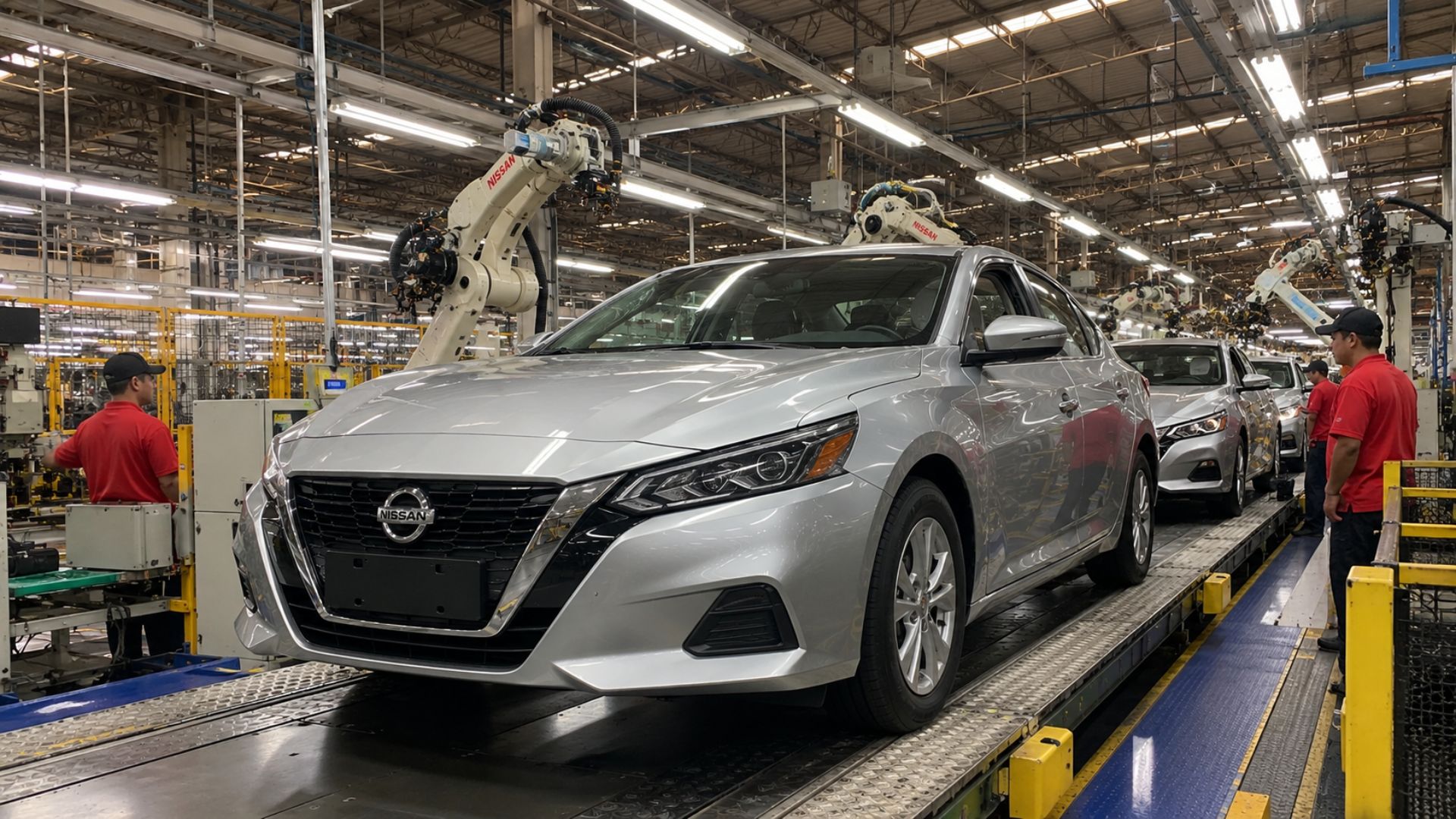
The system will serve to expand capacity to 52 GWh by 2026, reaching 130 GWh by the fiscal year 2030. Thus, 52 GWh is equivalent to 650,000-867,000 electric cars with batteries of up to 80 kWh. Meanwhile, 130 GWh is equivalent to up to 2.2 million models with the same batteries.
The company also stated that in the future, cars and batteries will be manufactured in the same locations through the use of the global EV Hub concept.