Portuguese
  Spanish


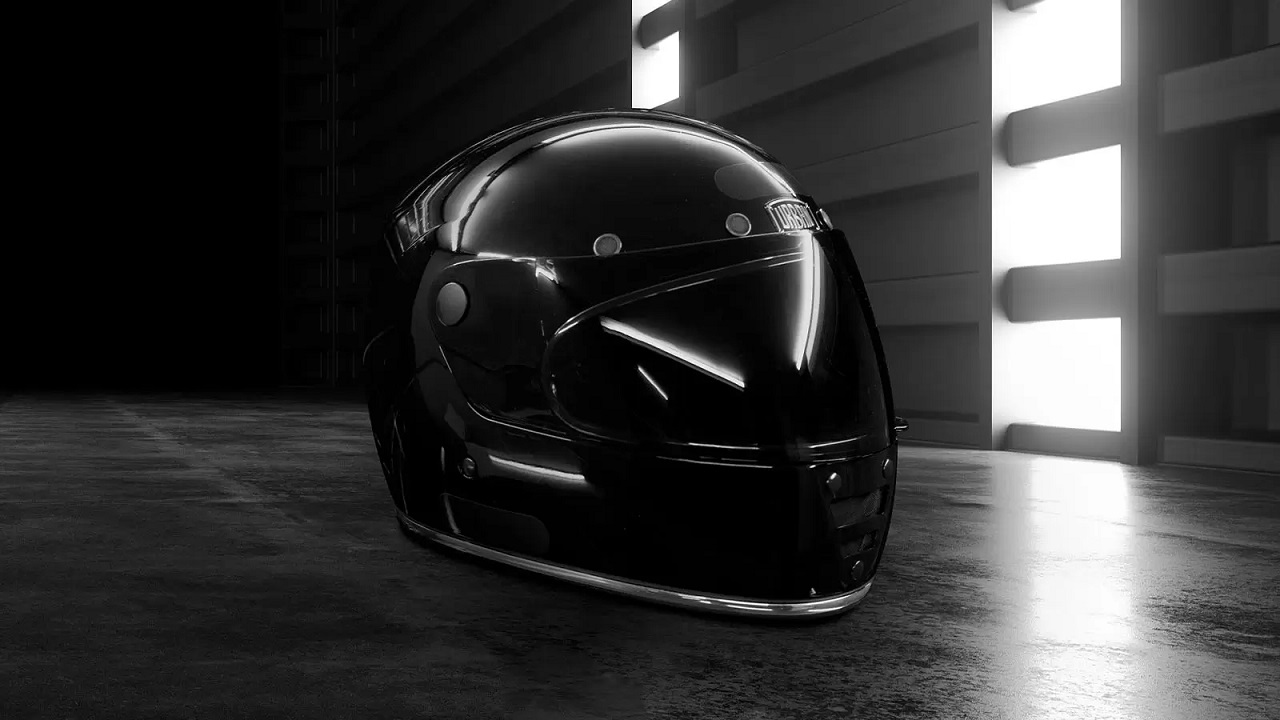

Taurus Helmets Developed a Graphene Helmet That Could Change the Market. The Product Is Much More Durable and Comfortable, Besides Offering Other Benefits.
Graphene is already present in various objects, from electronics to packaging, for example. Currently, this material, which even contributes to the production of solar panels, will also be used in a groundbreaking way in a new helmet for motorcyclists from the Brazilian company Taurus Helmets.
Graphene Helmet Project Started in 2020


The new product took two years of extensive study to be ready and came to fruition thanks to a partnership between the University of Caxias do Sul and UCS Graphene, which produces graphene on a large scale in Latin America.
Graphene is a lightweight, rigid product, conducts electricity well, and is waterproof. When combined with other materials, graphene can further enhance its properties. Additionally, it is considered the thinnest known crystal, being a thin layer of graphite that can be used in various sectors such as construction, telecommunications, energy, electronics, and medicine.
-
16-Year-Old from Brazil’s Sertão Wins Young Scientist Award for AI Predicting Rainfall with 94.5% Accuracy to Aid Farmers

-
Netherlands Reports First Child Euthanasia Case Since Rule Expansion for Minors

-
Brazilian Innovator Survives Homemade Submarine Dive in Paraty Despite Hatch Leak and False Oxygen Alarm
-
China Develops Custom 140-Ton Electric Mining Truck with 770 kWh Swappable Battery, Deploys 290 Units in Xinjiang’s Largest Zinc Mine



The graphene helmet project began in 2020, initially using powdered material. However, the innovation started to gain more attention in 2021 when a more viable solution emerged.
According to Taurus Helmets’ CEO, Carlos Laurentis, Znano, which operates in the nanotechnology sector, presented the opportunity to use graphene in polymers, which was named Graph-X formula. Since then, testing has begun.
For the executive, the biggest challenge was to arrive at the formula for the graphene helmet, integrating the “special” material with others not yet used in the company’s production process. It is important to mention that graphene has already been used in various objects, from electronic products to food packaging and even in biotechnological tests for prosthetic generation.
The Differentiator of the New Graphene Helmet
The Graph-X formula, when used in helmets, provides greater thermal comfort and safety. According to Laurentis, these will be responsible for improving thermal performance, impact absorption, and acoustics, making them safer for the end consumer.
The graphene coating allows for the distribution of impact force, making the helmet less susceptible to damage, even under high-temperature conditions. This occurs because the thermal conduction properties of the coating dissipate heat quickly. This not only protects internal materials from degradation but also provides a more comfortable experience for the user. The first launch will be with the Cafe Racer model from the Urban Helmets brand.
The company claims that it will maintain the price compared to the classic model, produced in ABS, at R$ 989. According to the Taurus Helmets executive, the company generates five product launches per year on average. Laurentis highlights that these launches aim to improve product performance concerning current regulations and conscious consumption.
Ford Forms Team of Brazilian Scientists Focused on Graphene Research
Ford created a new team of researchers focused on graphene in October of last year, a material considered the future of technology, at its new Development and Technology Center in Brazil, based in Bahia. The company’s efforts to explore this type of technology are conducted in partnership with UCSGRAPHENE, associated with the University of Caxias do Sul.
This is the first innovation ecosystem focused on large-scale graphene production in Latin America, inaugurated in 2021 by the university.
The new graphene technology research team at Ford, consisting of approximately 20 people, reinforces the role of Brazilian engineering within the global innovation market of the brand, aligning with other projects already developed at the unit for the future of mobility.