Portuguese
  Spanish


Solfácil Expands Access to Solar Energy by Raising R$ 450 Million through CRI, Enabling Distributed Generation Projects and Accelerating the Energy Transition in Brazil with Sustainable and Scalable Investment
Solfácil, a fintech specialized in financing solar energy, has revealed a new funding round of R$ 450 million through Real Estate Receivables Certificates (CRI), according to a report by MegaWhat published this Tuesday (21).
The goal is clear: to finance 25,000 distributed generation projects throughout the national territory, with an average capacity of 7.7 kW per installation. This initiative represents a significant advancement in the democratization of access to clean energy and the consolidation of the energy transition in Brazil.
Details of Solfácil’s Financial Operation with CRI
The issuance was coordinated by three major financial institutions: Itaú BBA, XP Investimentos, and Bradesco, with structuring by the manager Kanastra. This is Solfácil’s fourth fundraising via CRI, divided into two settlements – the first on September 30 and the second scheduled for November 15.
-
Brazil to Hold First Auction for Batteries to Store Solar and Wind Energy from the Northeast

-
Solar energy reaches 55 GW, becoming the second largest power source in Brazil’s energy mix

-
Brazilian scientists are simultaneously advancing two research projects on clean hydrogen and driving solutions that could transform the energy matrix, enhance industrial competitiveness, and accelerate large-scale emission reduction targets.
-
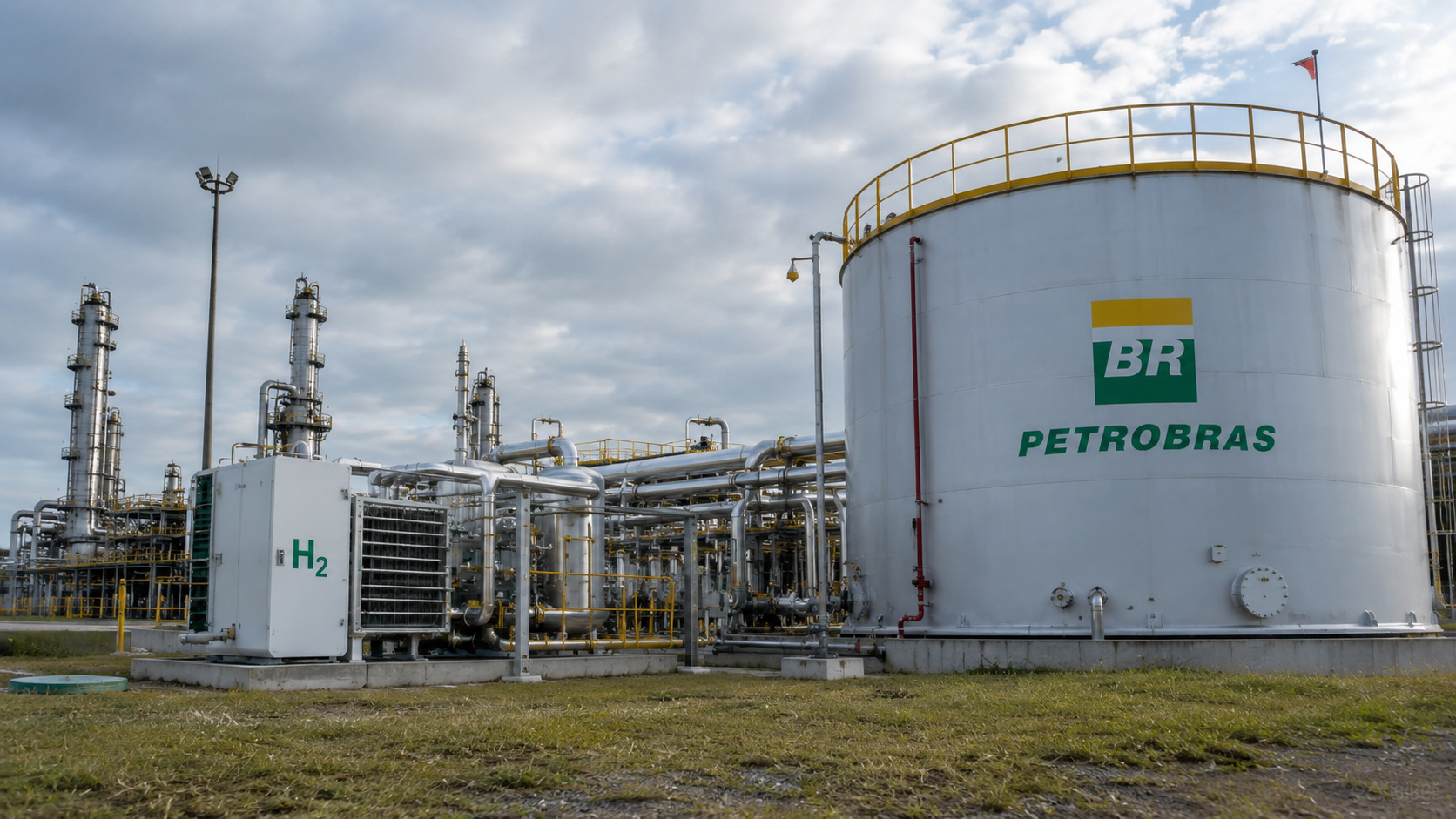
Advancement in renewable energy: A R$ 150 million project launched by Petrobras and Finep aims to create state-of-the-art electrolyzers for green hydrogen, strengthening national research and preparing Brazil to compete in a billion-dollar energy market.

The return rate for investors was pre-fixed at 14.22% per annum, highlighting the market’s interest in sustainability-linked assets. Guillaume Tiret, CFO and co-founder of Solfácil, stated that the new fundraising highlights the market’s confidence in the company’s business model and significantly contributes to expanding access to solar energy in Brazil.
Expansion of Distributed Solar Energy Generation Projects
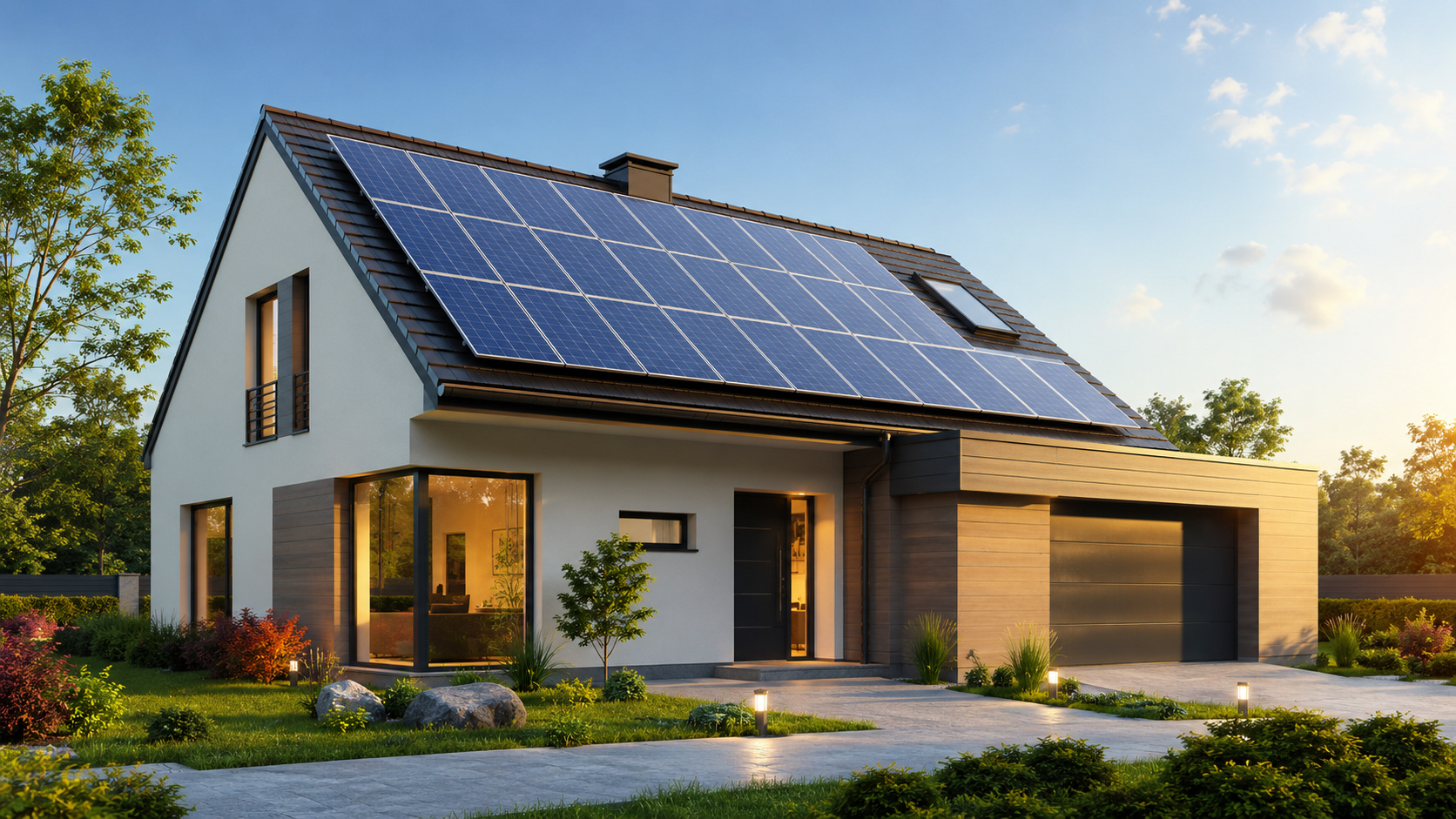
With the obtained resources, the company intends to finance 25,000 distributed generation projects, expanding its operations in residences, businesses, and small industries. Distributed generation allows consumers to produce their own electricity, usually through solar panels, reducing costs and contributing to sustainability.
According to data from the National Electric Energy Agency (ANEEL), Brazil has already surpassed 2 million consumer units with distributed generation, and the expectation is that this number will grow exponentially in the coming years.
Solfácil’s initiative directly contributes to this advancement. Distributed generation is one of the main tools to decentralize the electricity system and empower the consumer.
Solar Energy as the Engine of the Energy Transition
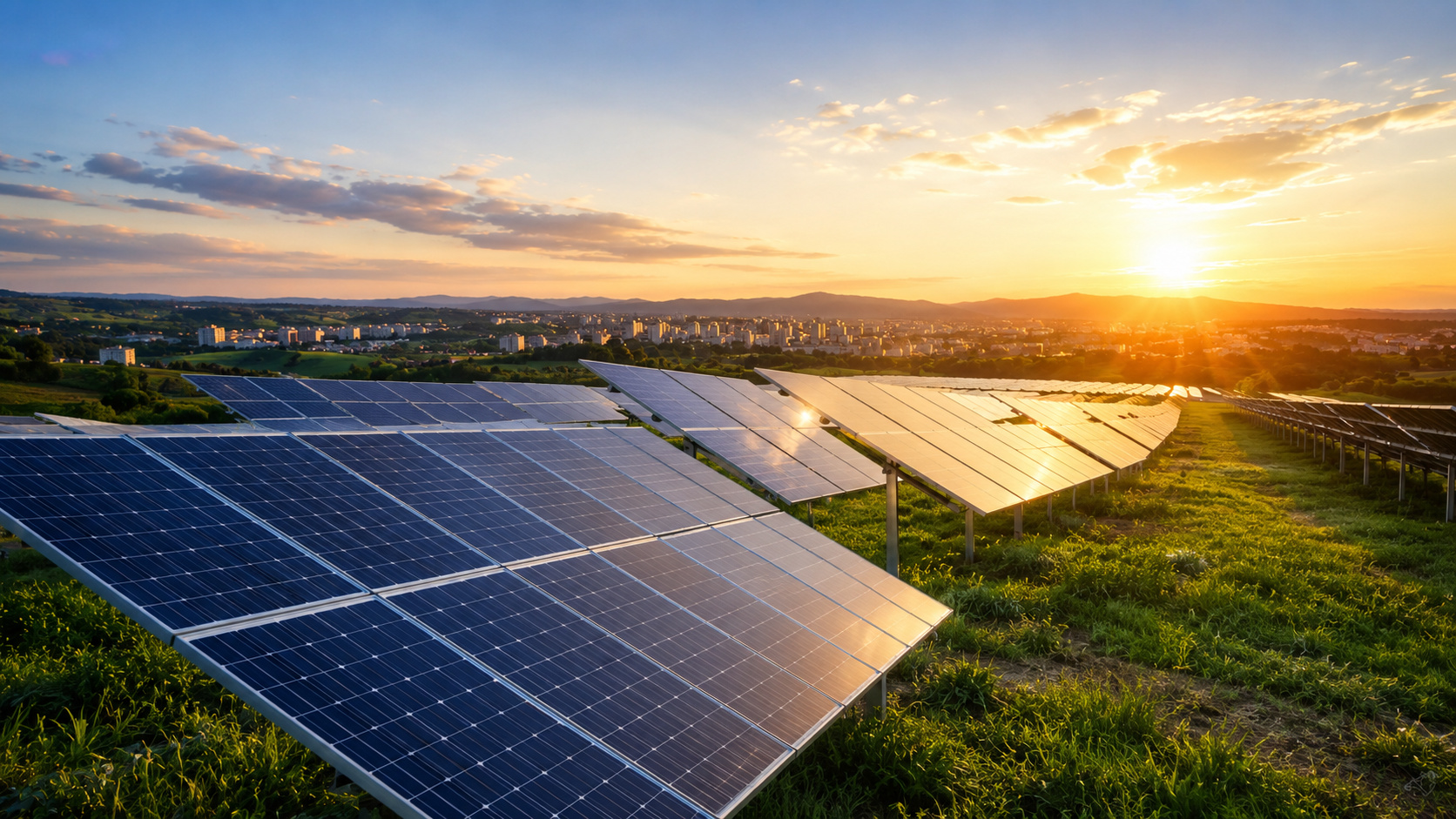
Solar energy is currently one of the main renewable sources expanding in Brazil. According to the Brazilian Association of Photovoltaic Solar Energy (ABSOLAR), the country already has more than 37 GW of installed capacity, of which about 24 GW comes from distributed generation.
Investments like those of Solfácil are essential to accelerate the energy transition, reducing dependence on fossil sources and promoting a cleaner and more resilient electric matrix. Additionally, solar energy creates jobs, drives the local economy, and contributes to reducing greenhouse gas emissions.

History of Solfácil Fundraisings Focused on Solar Energy
Solfácil has already raised about R$ 2.5 billion via CRI since 2024, establishing itself as one of the main financing platforms for solar energy in the country. In July 2025, the company had raised R$ 750 million, also intended for distributed generation.
The growth in demand for this type of financing led to the realization of this new round, which was not initially planned. According to Tiret, the demand for Solfácil’s papers exceeded expectations, prompting the additional issuance. The company stands out for integrating technology, credit, and positive environmental impact.
In addition to environmental benefits, the projects financed by Solfácil have a direct impact on the economy. It is estimated that the initiative could represent up to 50,000 new jobs with the execution of the 25,000 projected projects.
The reduction in electricity bills is also a relevant factor. Families and companies that adopt distributed generation can save up to 95% on their monthly bills, freeing up resources for other areas and increasing purchasing power. Solar energy is an economically, environmentally, and socially strategic solution.
Regulatory Challenges and Perspectives for the Energy Transition
Despite the advancements, the sector still faces regulatory and logistical challenges. The review of the legal framework for distributed generation, scheduled for 2026, may impact the attractiveness of investments.
However, the global trend towards decarbonization and the growing support from the financial market indicate a promising outlook for solar energy in Brazil.
Solfácil, with its expertise and fundraising capacity, is well positioned to lead this movement. The company projects a growth of up to 50% in annual revenue with the new round of investments.
Solfácil and the Strategic Role in Brazil’s Energy Transformation
The raising of R$ 450 million in CRI by Solfácil represents more than a financial operation. It is a decisive step towards a more sustainable Brazil, with expanded access to solar energy and strengthening of the energy transition.
With 25,000 new distributed generation projects, the company reaffirms its commitment to innovation, the environment, and social development. The initiative reinforces the importance of uniting technology, financing, and purpose to transform the national electricity sector.
Solfácil not only enables access to clean energy but also contributes to building a more just, efficient future connected to global climate challenges.