Portuguese
  Spanish


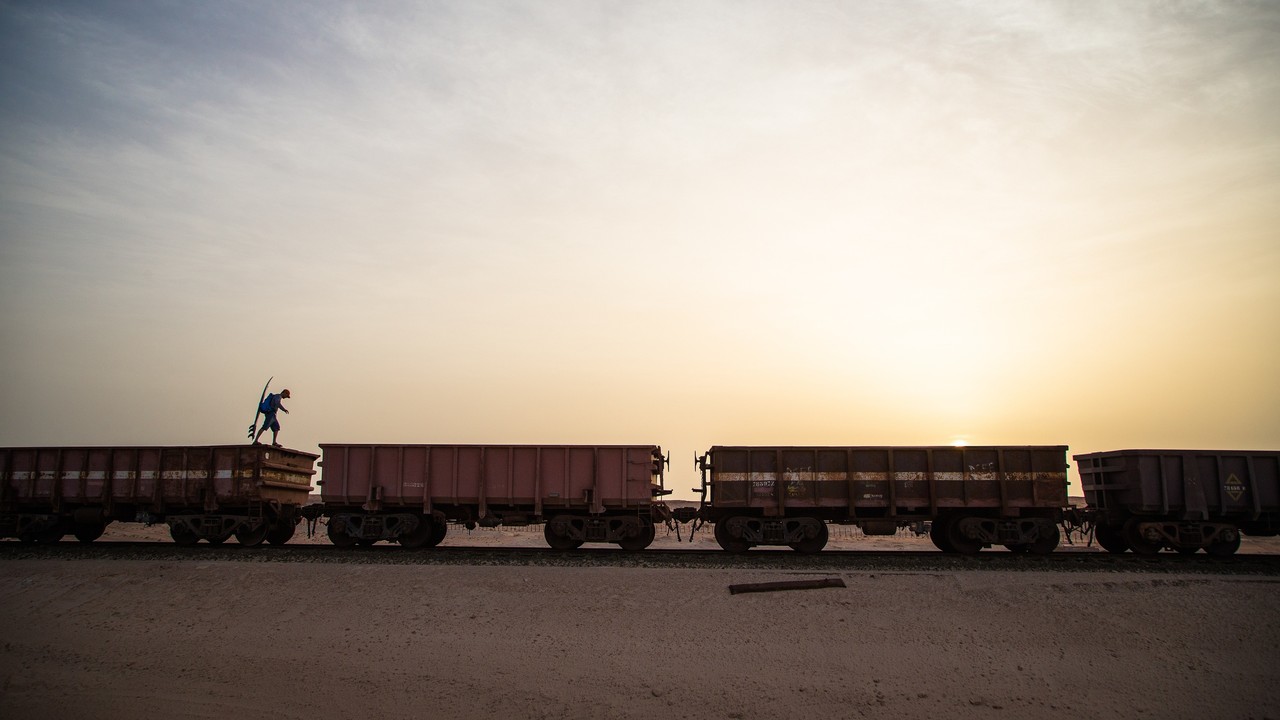

In the heart of Africa, a railway spanning hundreds of kilometers is beginning to take shape to transport copper from the continent’s interior to the Atlantic Ocean, reducing a route that is currently long, expensive, and full of obstacles.
Africa harbors some of the planet’s most coveted minerals underground, but extracting them and transporting them to the sea has always been a huge challenge. Poor roads, vast distances, and complicated borders make everything more expensive. It is precisely this bottleneck that a new railway promises to tackle, connecting the mineral-rich interior to the Atlantic.
The so-called Lobito Corridor is a railway of about 830 kilometers that connects the copper-rich region of the Democratic Republic of the Congo and Zambia to the port of Lobito in Angola, on the Atlantic Ocean. With construction progressing, it promises to shorten and reduce the cost of exporting strategic minerals from Africa, creating a route that many consider capable of transforming the region’s economy.
The copper the world competes for
It may seem strange to put so much effort into such a common metal, but copper is one of the pillars of the modern world. It is found in electrical wires, motors, electric cars, and practically everything that conducts electricity. With the race for the electrification of the planet, the demand for copper has skyrocketed, and those who control the supply gain enormous economic power.
-
Prefabricated Home Assembled in Days Offers Cleaner, More Efficient Construction with Factory-Made Panels, Requires Technical Design to Prevent Moisture Issues

-
Single Mother Working Three Jobs Receives 111 m² 3D-Printed Home with Concrete Walls Built in 12 Hours, Featuring 3 Bedrooms, 2 Bathrooms, and a Printer for Replacement Parts

-
Simple Technique to Restore Rusty Metal Window Grilles Gains Attention for Revitalizing Old Structures Without Full Replacement

-
Couple Transforms Suffolk’s Last 1891 Windmill into Luxurious Four-Story Home with Zinc Observation Room in England



The interior of Africa, especially the region between Congo and Zambia, is among the richest in copper in the world. The problem has always been exporting this wealth. Without an efficient way to transport the ore to a port, much of the value is lost along the way in expensive and time-consuming transportation. This is where the Lobito Corridor comes in, opening an artery for this treasure to reach the global market.
To give you an idea of the bottleneck, today much of the ore from this region takes a long truck journey, taking days to reach distant ports, often on the other side of the continent. Each kilometer traveled by road increases the product’s cost, wears down poor roads, and delays delivery. A railway completely changes this equation: a single train carries what would require hundreds of trucks, uses less fuel per ton, and travels the route with much more predictability. That’s why the Lobito Corridor is so strategic; it not only shortens the distance to the Atlantic but also makes African copper cheaper and more competitive in the global market, which can attract even more investment to the region.
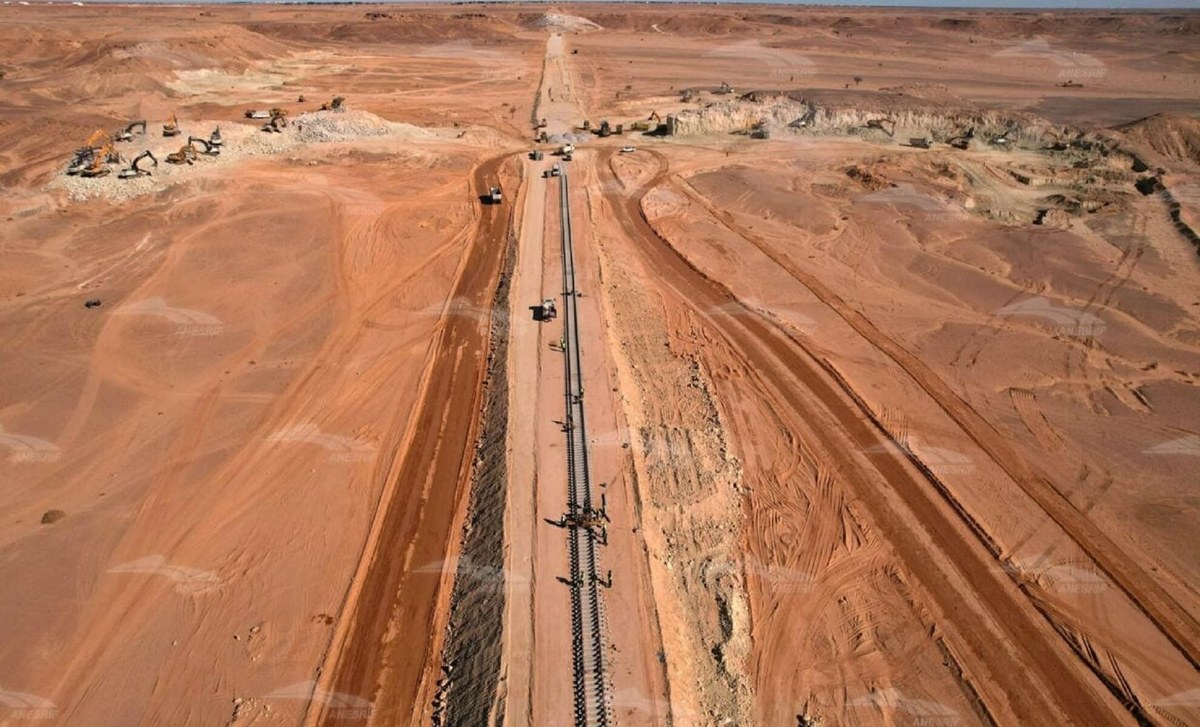
A railway that cuts across the continent
Building a railway of hundreds of kilometers crossing Africa is a colossal engineering and logistics project. It requires laying tracks over varied terrains, crossing borders between countries, restoring old sections, and building new ones, all while coordinating the interests of several nations at the same time. Each kilometer of track is laid in an environment that doesn’t always make life easy for those building it.
I confess that I find the idea of a train line stitching together the heart of a continent fascinating, connecting isolated regions to the rest of the world. A railway like the Lobito Corridor doesn’t just move ore; it connects people, markets, and economies that were previously separated by distance. It’s the kind of project that can redraw the economic map of an entire part of Africa.
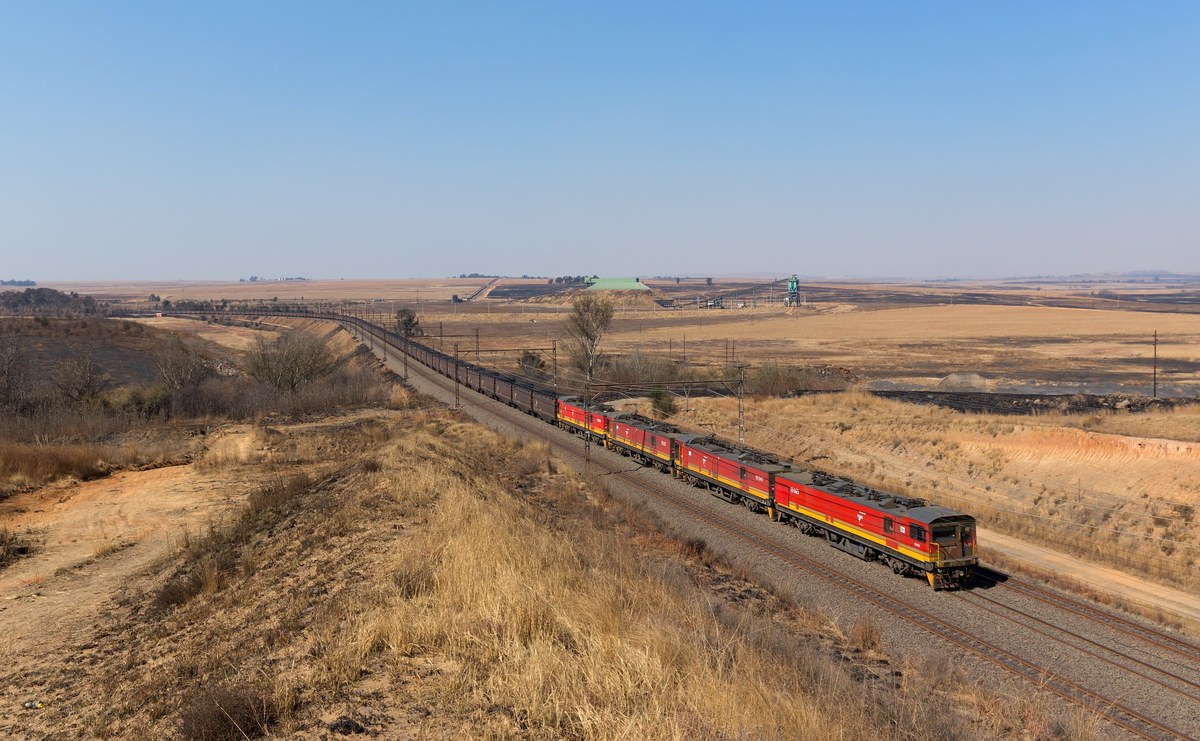
The battle for Africa’s routes
Behind this railway lies a geopolitical game of major players. Great powers compete for influence in Africa precisely because of its strategic minerals, and those who help build the export routes gain advantages in accessing these resources. The Lobito Corridor has become a piece in this chessboard, attracting the interest of the United States, Europe, and others who want to secure African copper.
This competition shows how infrastructure has become power. It’s not enough to have the ore; it’s necessary to control the path through which it exits. For the African countries involved, this can be an opportunity to negotiate better conditions and attract investment, as long as they know how to use the powers’ interest to their advantage. In this sense, the railway is much more than tracks; it’s a valuable card in a global game for the resources of the future.
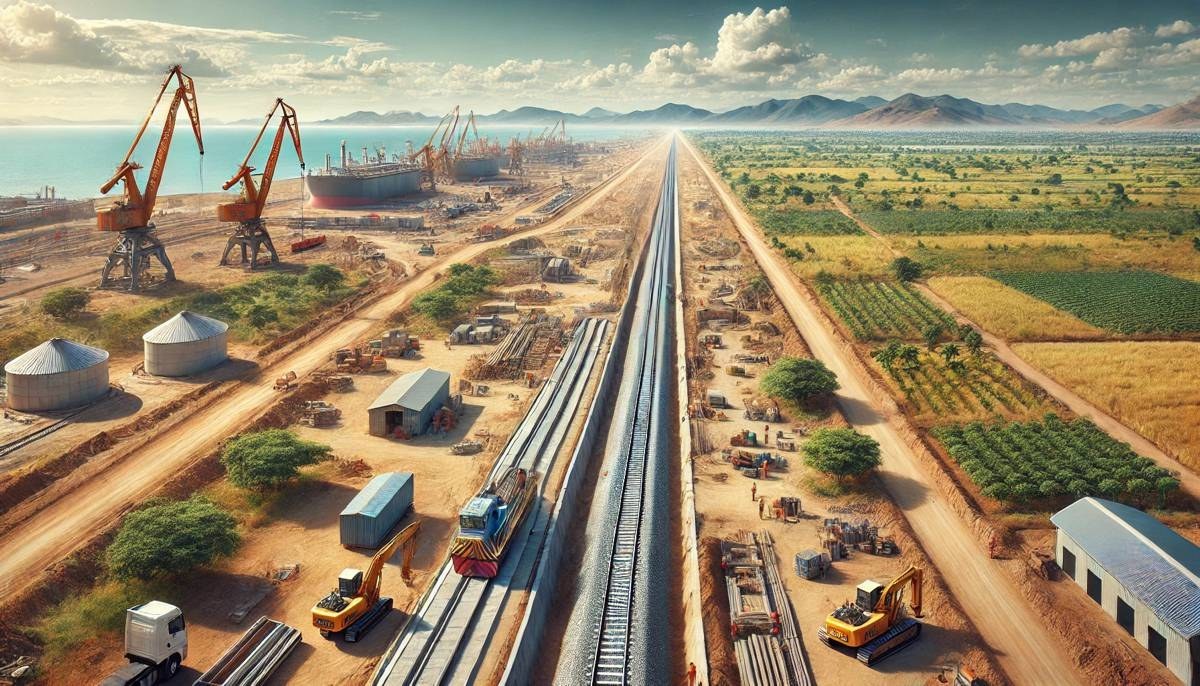
The tracks that connect Africa to the world
I imagine the impact that such a railway can have on the lives of entire regions that, for centuries, have been isolated and on the margins of global trade. Transporting copper from the interior to the Atlantic quickly and cheaply doesn’t just enrich mining companies; it can create jobs, stimulate cities, and open doors for development along the entire route, transforming forgotten villages into key points on one of the continent’s most strategic routes.
The Lobito Corridor is a symbol of an Africa trying to turn its mineral wealth into real development. If the construction progresses as promised, the continent will gain not only a mineral route but a backbone capable of connecting it more efficiently to the rest of the world. Track by track, it’s the future of a region being built on sleepers that cross the heart of the continent, on a steel path that can link the hidden wealth of the African interior to the rest of the planet.
Did you imagine that a railway to export copper could become a piece in a global power struggle?