





 Portuguese
  English
  Spanish
  3 min of reading
  0 comments


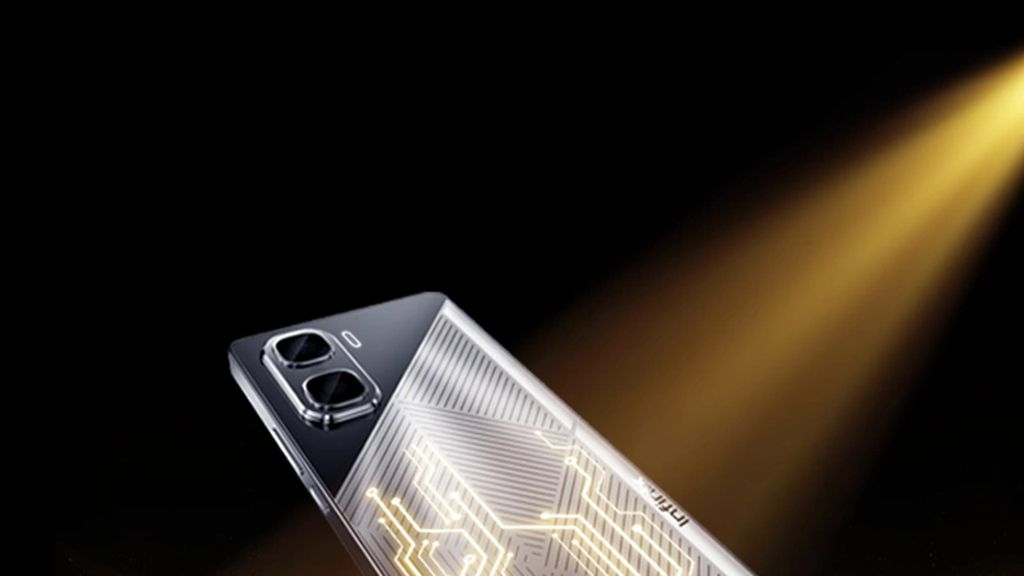
Device Aims to Reduce Dependence on Outlets and Bring Clean Energy to Places with Little Electric Infrastructure
The battery life continues to be one of the biggest challenges for smartphone manufacturers. Even with advancements that raise the charging capacity to impressive numbers, such as the 4500 mAh of the latest models, it is still difficult to meet the needs of users who spend long hours away from an outlet.
In this scenario, the Chinese manufacturer Infinix presented an ambitious proposal during the Mobile World Congress (MWC) 2025, held in Barcelona: a phone with an integrated solar panel.
The innovation goes beyond the promise of more autonomy. It represents a potential disruption in the way we charge our devices.
-
Archaeologists descend a forgotten staircase in Aswan, Egypt, and find a huge limestone sarcophagus beneath the Aga Khan necropolis, with hieroglyphs, mummies, and signs of a cemetery used for centuries.

-
The equipment uses water evaporation cooling, promises to reduce up to 5°C indoors, consumes only 20 VA, and transforms dual-flow ventilation into a natural alternative to air conditioning.

-
For the first time, astronomers detect magnetic activity in giant exoplanets and reveal winds of up to 25,000 km/h.

-
Scientists say that the Big Bang may have started in a different way than many people imagine, and a new theory attempts to explain the initial explosion of the universe without “patches” in current physics.





Solar Energy at the Center of Design
The Infinix concept combines two approaches: a smartphone with a solar panel embedded on the back and an additional case that also captures sunlight.
Both options are equipped with perovskite solar cells, an emerging technology that stands out for its lightweight, low cost, and efficiency in absorbing a wider range of light—even in low-light environments.
This new type of solar cell represents a promising alternative to traditional silicon cells. They are thinner, cheaper to produce, and more versatile, paving the way for creative applications like this proposal from Infinix.
Intelligent Regulation Technology
What makes the system even more impressive is the voltage management technology used in the device. Known as Maximum Power Point Tracking (MPPT), this system regulates the captured energy and prevents the device from overheating.
Additionally, the phone uses artificial intelligence to automatically adjust charging levels based on solar exposure and temperature, optimizing energy performance.
According to Infinix, the system is capable of generating up to 2W of power—enough to keep the phone charging continuously when not in use.
Functional and Adaptable Proposal
During the event, functional units of the prototype were displayed, reinforcing that the project is not just a conceptual idea.
The solar case developed as an accessory also drew attention. It connects to the phone via small side contacts and can easily be replaced with a conventional case, depending on the occasion.
In emergency situations, such as blackouts or lack of access to electricity, this case can become a practical and immediate solution. On sunny days, the user can continue using the phone normally while it charges with clean energy.
Beyond Energy: Design and Customization
In addition to solar charging, Infinix also presented its new model with a second-generation E-Ink display.
The differentiator is the ability to change the color of the back panel without needing an external source. Customization can be based on visual patterns, weather, or images chosen by the user—all with the support of artificial intelligence.
This aesthetic function shows that Infinix is not only concerned with technical innovation but also with the visual and interactive experience of its products.
Although still in the conceptual phase, both the phone and the solar case indicate real pathways for the future of energy autonomy in mobile devices.
There is no forecast for commercial release yet, but the presentation at MWC 2025 reinforces the industry’s interest in sustainable and functional solutions.
With an approach that combines energy efficiency, customization, and innovation, Infinix positions itself as a brand that seeks to redefine the role of smartphones in everyday life, reducing dependence on chargers and promoting the use of renewable energy.







Be the first to react!