Portuguese
  Spanish


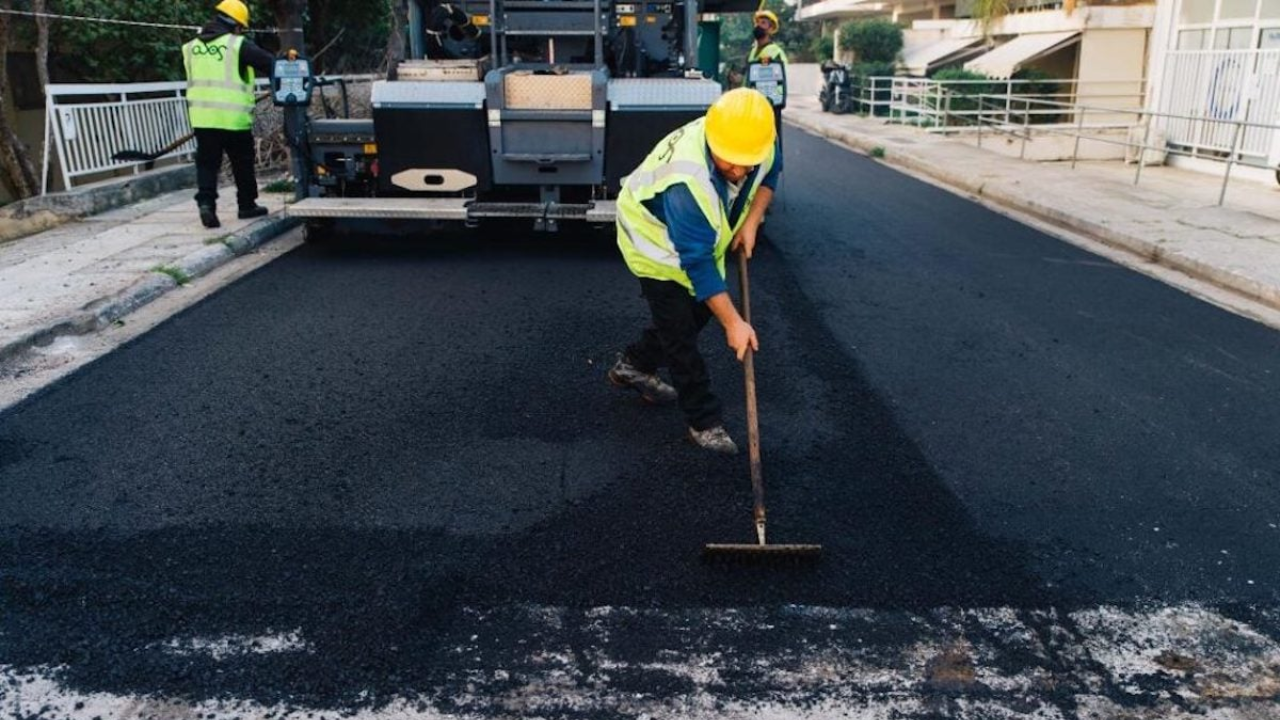


Slovakia Transforms Cigarette Butts Into Asphalt For Roads, Reducing Chemical Pollution And Promoting Material Recycling.
The cigarette butt is one of the most found waste items on beaches around the world, and its presence in the environment is a significant problem, both due to the quantity and the risks it poses.
It contains harmful chemicals that can contaminate water, soil, and ecosystems. Aiming to minimize this impact, Slovakia, specifically the capital Bratislava, is starting to implement an innovative solution.
The idea is to transform cigarette butts into asphalt for the construction of roads, a project that could help reduce chemical pollution and improve local urban planning.
-
Brazil Constructs First Japanese SABO Barrier in Nova Friburgo to Prevent Landslides, a $3 Million Concrete Trap for Rocks, Logs, and Mud

-
Brazilian Navy’s Technology Plays Strategic Role in Future of Small Modular Reactors, Boosting Nuclear Energy Capacity with Innovative Solutions for Power Generation and Industrial Applications

-
China Surpasses U.S. and Russia Combined in Submarine Production
-
Xiaomi Unveils Smart Glasses in Brazil with 12MP Camera, 4K Video, and AI Features, Challenging Ray-Ban Meta


The use of butts for road construction with asphalt is generating discussions about how cigarette waste can be reused in a more sustainable way.
This project represents a leap in how cigarette butts, with their high chemical content, can be used in an environmentally friendly manner.
The First Step Towards Road Construction
In an effort to contain the large amount of improperly discarded cigarette butts, the city of Bratislava will begin collecting this waste efficiently.
The municipal waste management company, Odvoz a Likvidácia Odpadu (OLO), will install special collectors at public events, such as festivals and fairs.
According to Martina Čechová, circular economy manager at OLO, this project will not only contribute to cleaning the urban environment but will also turn these butts into a useful resource, valuing the material in an innovative way.
The collection of cigarette butts will be essential for the execution of the project to transform the butts into asphalt, which will be used in new roads in the city.
In this way, Slovakia will not only solve the butt problem but will also use them as a basis to enhance urban infrastructure with roads made from this recycled material.
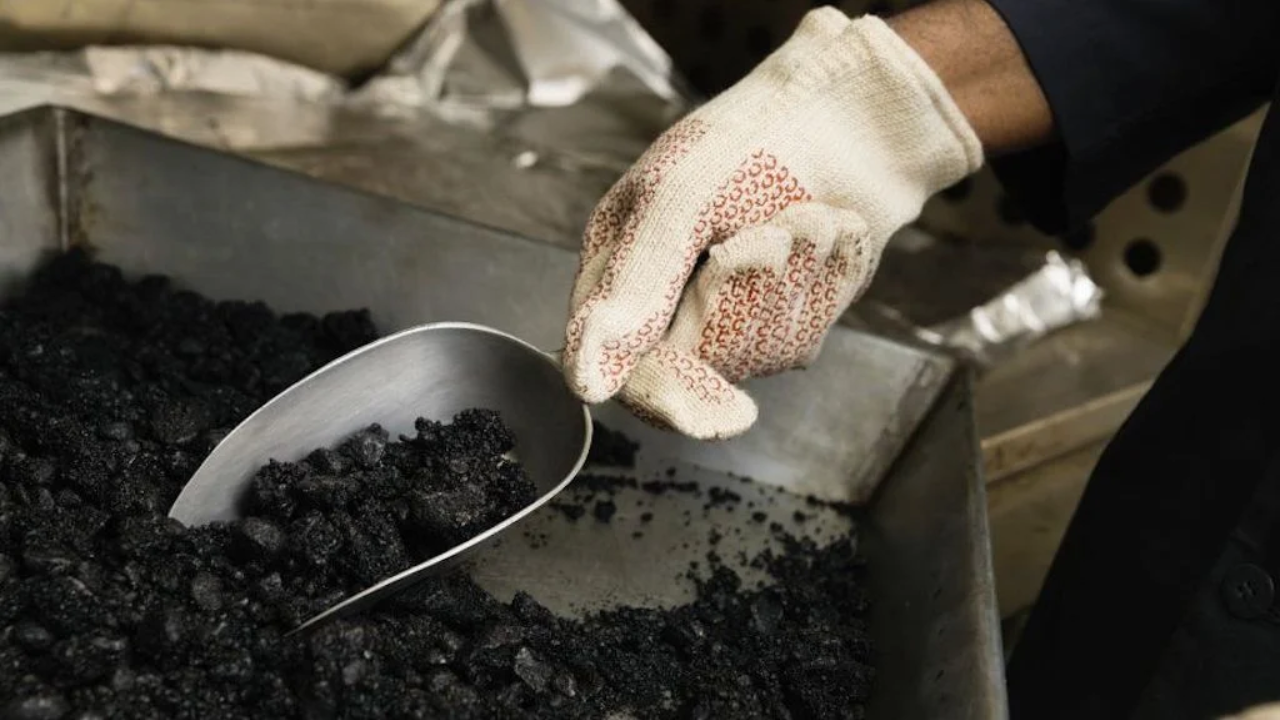
The Transformation of Butts Into Asphalt For Roads
After collection, the cigarette butts will be sent to specialized companies, such as EcoButt and SPAK-EKO, which will transform this waste into asphalt for road construction.
The technique involves using cigarette filters as an additive in asphalt mixtures, allowing the butts to be reused.
The EcoButt, responsible for this innovation, was a pioneer in developing this technique, following studies conducted in Australia, which showed that cigarette filters can be used safely in the construction industry without compromising the properties of asphalt.
The research reveals that cigarette butts can be an important ingredient in asphalt production mixtures, making roads more sustainable and helping to reduce the amount of cigarette waste in the environment.
Economic Benefits for Slovakia
In addition to reducing the amount of improperly discarded butts, using them in road construction brings significant environmental benefits.
Each cigarette filter contains chemicals that, when improperly disposed of, can contaminate up to 5 liters of water, severely impacting the local ecosystem.
The Slovak project aims not only to sustainably reuse this material but also to avoid using natural resources like wood, substituting it with cellulose acetate granules obtained from cigarette filters.
By utilizing cigarette butts, Slovakia is combating chemical pollution and creating a solution for a highly toxic waste.
This not only generates a positive impact on pollution reduction but also offers an ecological alternative for road construction.
Moreover, by transforming butts into asphalt, the project saves resources and promotes a more efficient circular economy.
The idea is that, in addition to cleaner streets, Slovak cities can have a more sustainable and efficient urban model.
In a pilot project conducted at the Christmas market in Bratislava, the butt collectors were successfully installed, collecting both regular cigarette filters and electronic cigarette filters, better known as “vapes.”
Slovakia also already has a road built with this type of asphalt in the city of Žiar nad Hronom, demonstrating that the solution is viable and promising.
The success of this road built with cigarette butts was an important milestone, showing that it is possible to make roads with recycled products, like butts, and contribute to environmental sustainability.
A Step Forward in Chemical Waste Recycling
With the success of the pilot project, it is expected that more Slovak cities will adopt this solution.
The reuse of cigarette butts as material for road construction represents a significant advance in waste recycling and the search for sustainable alternatives to combat chemical pollution.
By reusing such a polluting waste, Slovakia positions itself as a reference in environmental innovation and efficient construction.
The use of cigarette butts for asphalt could be the future of road construction, especially in urban areas where the disposal of cigarettes is a growing problem.
The Slovak project may inspire other nations to adopt similar solutions to deal with the chemical pollution of cigarette butts and contribute to a cleaner and healthier environment.
With information from Ciclo Vivo