Portuguese
  Spanish


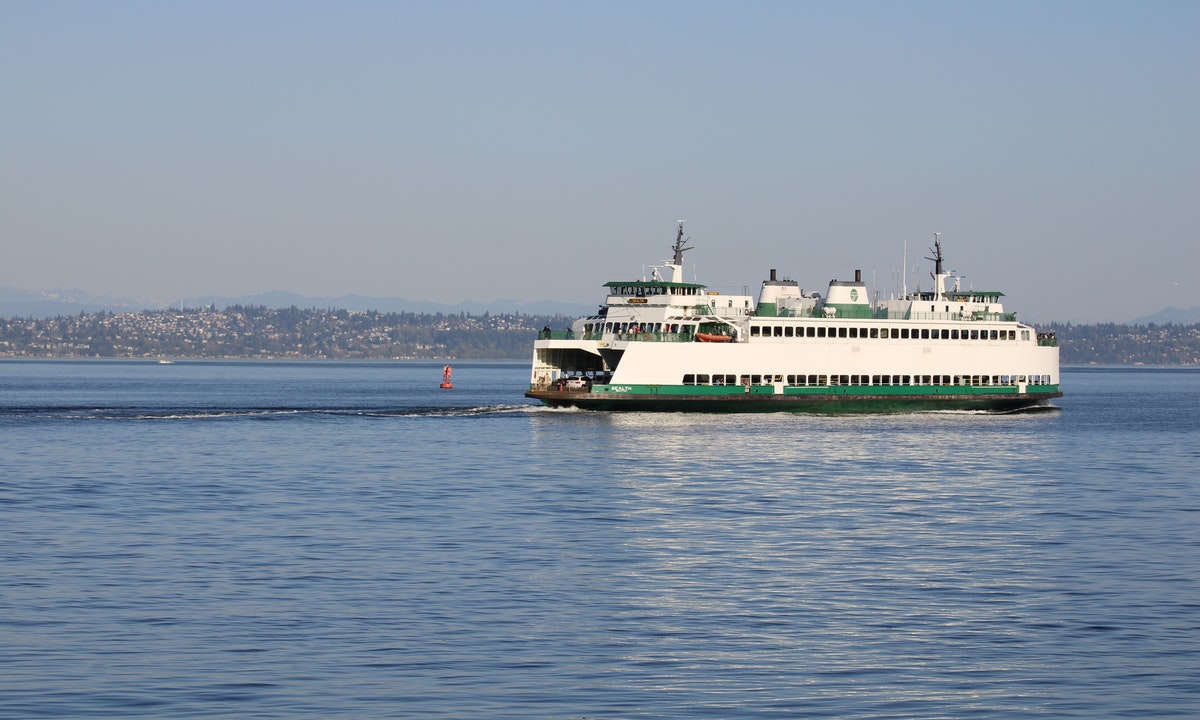

The Norwegian Fertilizer Manufacturer’s Subsidiary, Yara Brasil, Conducted the First Shipment of Fertilizers via Cabotage in Brazilian Soil
The company Yara Brasil, a subsidiary of the Norwegian fertilizer manufacturer, carried out on Monday, 01, the first shipment of bulk fertilizers through cabotage in Brazil, the company reported in a statement.
According to the fertilizer company, 15,000 tons of special fertilizers were sent from its production plant in Rio Grande, Rio Grande do Sul, to its mixing plant in São Luís, Maranhão. The product was shipped on Monday and is expected to arrive in Maranhão within seven days.
Yara Fertilizers of Brazil stated that cabotage will particularly supply soybean producers in Matopiba, a region established by the States of Maranhão, Tocantins, Piauí, and Bahia, which were not previously served by Yara Fertilizers.
-
Abandoned Factory in Rio’s North Zone Becomes Urban Hazard with Standing Water and Debris

-
Affordable Housing Project in Brazil’s Mato Grosso Aims for 700 Deliveries and $34 Million in 2026, Outpacing Major Developers in High-Demand Areas

-
Brazil’s Largest Port to Accommodate Bigger Ships by October as Ibama Approves Non-Explosive Removal of Hidden Rocks and Sediments
-
Mexico Develops 3D-Printed Concrete from Corn Waste, Cutting Emissions by 70% and Reducing Construction Waste by 90%


“The northern border region of Brazil is the fastest growing area in terms of planted acreage in the country, and now we will have another supply option for the region, with a Brazilian product, through cabotage. Currently, the area primarily operates with imported fertilizer raw materials, so this movement will provide another supply option for fertilizers,” said Yara Brasil’s Commercial Vice President, Maicon Cossa, in the statement.
Cabotage Is a More Sustainable Alternative for Moving Inputs
According to Yara Brasil Fertilizers, cabotage, besides being an operationally advantageous method, is also the most sustainable way to transport the fertilizer company’s inputs, as 405 trucks would be needed to transport the product over the more than 3,000 km of highways linking Rio Grande and São Luís.
Cossa further stated that cabotage has become a viable and profitable option after the recent advances of BR do Mar, a program that aims to increase the waterway transport matrix in Brazil. He added that the program, among other measures, has made it possible to reduce the Additional Freight Rate for Fleet Renewal and eliminates the need for a private fleet to engage in cabotage.
“In a context where logistics is one of the major challenges for delivering fertilizers for the summer harvest, being able to rely on a new transportation modality such as cabotage is essential for food security,” he added.
Yara Brasil Fertilizers Will Invest in Green Ammonia Produced in Oman to Include in Its Products
For Yara Fertilizers, the supply of green ammonia will assist in the development of sustainable fertilizers and in the decarbonization of other industries.
Yara has partnered with Scatec, a renewable energy producer, to begin marketing 100,000 tons per year of green ammonia produced in the first phase of a project between the companies in Oman, on the Arabian Peninsula.
In the second phase, the companies anticipate a production of around 1.1 million tons of green ammonia produced annually at the site, and with that, there may be a new additional agreement.
Oman has excellent conditions for producing renewable energy and is strategically located for producing green ammonia for export both to Europe and Asia, leaders in reducing CO2 emissions.
For Yara, the supply of green ammonia will contribute to the production of sustainable fertilizers and also to the decarbonization of transport, energy, and steelmaking.
“The green ammonia from Oman will enter our scalable distribution system and will contribute to emission-free fuel for maritime transport, energy production, and fertilizers globally,” stated Magnus Krogh Ankarstrand, President of Yara Clean Ammonia.