Portuguese
  Spanish


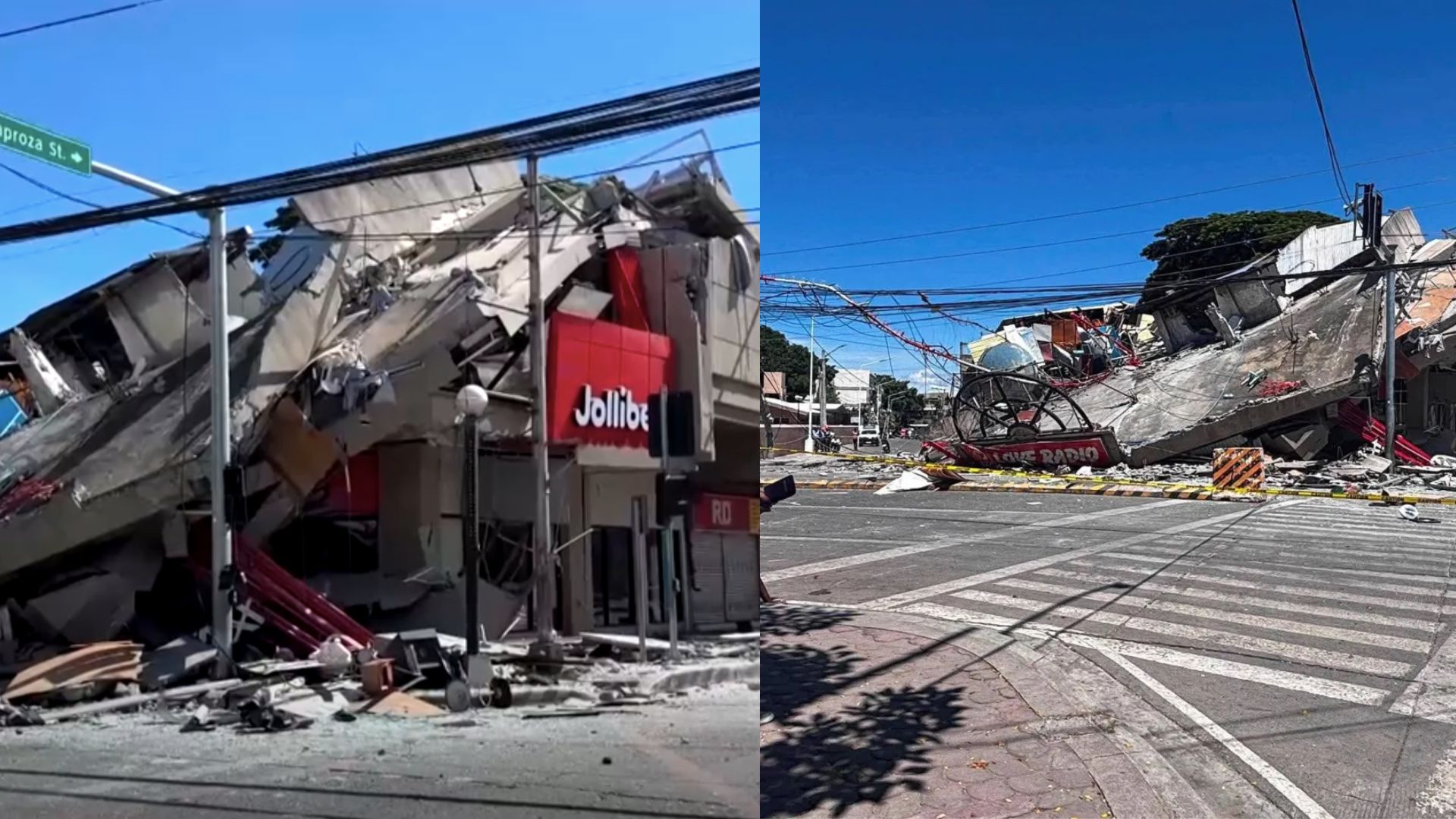

Tremor recorded on the morning of June 8 hit the Mindanao region, caused casualties, left hundreds injured, and put authorities in the Philippines, Indonesia, and Malaysia on alert due to the risk of giant waves and new natural disasters.
A strong earthquake of magnitude 7.8 struck the southern Philippines on the morning of Monday, June 8, causing concern in various regions of Asia. According to information released by the Philippine disaster management authorities, the tremor left at least 32 dead and 134 injured, in addition to triggering tsunami alerts in neighboring countries. The information was released after the first surveys conducted by emergency teams operating in the affected region.
The epicenter of the earthquake was recorded near the province of Sarangani, located on the island of Mindanao, about 20 kilometers from the Philippine coast. The seismic shock occurred in the early hours of the day and was felt intensely in different areas of the country, creating moments of tension among residents and authorities.
In addition to the Philippines, the effects of the tremor were also felt in more distant areas. Reports indicate that the shocks were felt in the city of Manado, located on the Indonesian island of Sulawesi, approximately 420 kilometers from the epicenter.
-
Coastal City in Rio de Janeiro Faces Slow Destruction as Sea Claims 500 Homes and Businesses

-
48-Year-Old Woman Wins Million-Dollar Prize, Gifts Neighbor First International Trip as Thanks for Years of Support

-
Women Once Mocked for Collecting Trash Form Group to Turn Organic Waste into Compost, Generate Daily Income, and Improve Market Cleanliness in One of the World’s Lowest GDP per Capita Countries
-
Archaeologists Uncover 40,000 Roman Bronze and Copper Coins from the 3rd Century in Fire-Destroyed French Neighborhood


The magnitude of the earthquake and its location close to the coast quickly increased fears about the possibility of a tsunami. As a result, governments and monitoring agencies issued preventive alerts for various coastal areas in the region.
Tsunami alerts mobilized residents and authorities in different countries
After the strong earthquake, tsunami alerts were issued for parts of the Philippines, Indonesia, and Malaysia. In various coastal locations, residents received instructions to immediately leave risk areas and seek higher ground as a precautionary measure.
The Malaysian state of Sabah, located on the island of Borneo, was among the regions monitored by authorities. Meanwhile, in northern Indonesia, civil defense teams monitored the situation in real-time to assess possible impacts caused by changes in sea level.
Fortunately, after more than six hours of constant monitoring, the alerts were gradually canceled. Even so, the mobilization of the authorities demonstrated the severity of the event and the destructive potential that an earthquake of this magnitude can cause in densely populated coastal areas.
Experts highlight that underwater earthquakes often require heightened attention precisely because of their ability to generate giant waves capable of reaching entire communities in a matter of minutes.
Rescue operation searches for victims among rubble and affected areas
In light of the severity of the situation, the Philippine government has initiated a wide-ranging emergency response operation. Military teams, civil defense professionals, and disaster response specialists have been deployed to the most affected areas of Mindanao.
According to Civil Defense representatives, most of the deaths were caused by falling structures, collapses, and landslides recorded after the main tremor. Authorities are also working to confirm preliminary reports and locate potential victims who may still be trapped under the rubble.
Meanwhile, hospitals and care centers have been placed on high alert to receive the injured and provide support to families affected by the tragedy.
The extent of the damage is still being assessed, as some areas faced communication difficulties immediately after the earthquake. This made the work of rescue teams even more complex in the initial hours of the emergency.


President of the Philippines orders immediate response to tragedy
In light of the progress of emergency operations, President Ferdinand Marcos Jr. has ordered a swift response from the national government to assist the affected populations.
Mindanao, considered the second-largest island in the country and with a territory comparable to the size of South Korea, is home to millions of inhabitants and plays a strategic role in the Philippine economy. Therefore, the rapid action of the authorities became a priority in the hours following the disaster.
“The national government is moving, and we will not leave Mindanao behind,” Marcos stated in an official communiqué.
In addition to the mobilization of rescue teams, the government has ordered the preparation of emergency supplies, temporary shelters, and reception centers for residents who had to leave their homes for safety reasons.
Region is located in one of the most seismically active areas on the planet
The new earthquake reinforces the vulnerability of the Philippines to extreme geological phenomena. The country is located in one of the world’s most complex tectonic regions, part of the so-called Pacific Ring of Fire.
This extensive geological belt stretches from South America to the far east of Asia and concentrates a large part of the earthquakes and volcanic activities recorded on the planet.
The Philippines and Indonesia, in particular, regularly experience tremors of varying intensities. Every year, hundreds of earthquakes are recorded in the region, although only a portion of them cause significant damage.
The disaster occurs just eight months after another significant episode in the country’s recent history. On that occasion, a magnitude 6.9 earthquake hit the island of Cebu and left 79 dead, being considered the deadliest in Filipino territory in the last 12 years. A few weeks later, Mindanao was hit again by two strong tremors, including a magnitude 7.4 quake.
With emergency teams still working in the affected areas, authorities continue to monitor the possibility of aftershocks and new geological risks. Meanwhile, thousands of residents continue to face the consequences of yet another natural disaster that tests the country’s response capacity to extreme events.
Original news source: Reuters