Portuguese
  Spanish


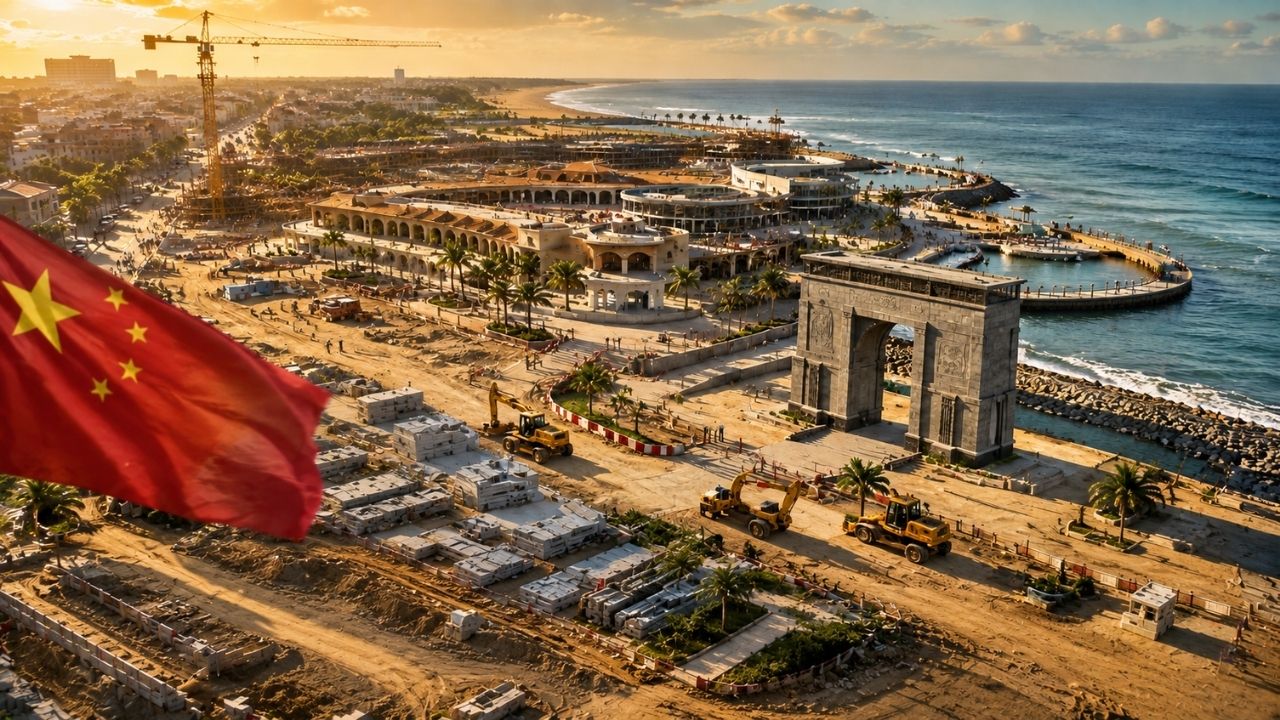

According to a report by the South China Morning Post, published on June 6, 2026, the historic port of Ouidah in Benin will be integrated into the La Marina project by Chinese builders, connecting seaside tourism, slave route, and the Gate of No Return memorial on the African Atlantic coast.
The historic port of Ouidah, a coastal city in southern Benin located about 40 km from Cotonou, has become the center of the La Marina project, which aims to connect tourism, the memory of slavery, and the Gate of No Return memorial. According to a report by the South China Morning Post, authored by Jevans Nyabiage and published on June 6, 2026, the Beninese government hired Chinese state-owned companies to build the seaside complex.
The plan seeks to transform the area, which once served as a center for the transatlantic trafficking of enslaved people, into a tourist destination connected to the so-called Slave Route, the Gate of No Return memorial, and new visitor-oriented facilities. The proposal presents Ouidah with a sensitive challenge: developing tourism in a place marked by historical pain without erasing the memory of what happened there.
Project is located in Ouidah, on the southern coast of Benin
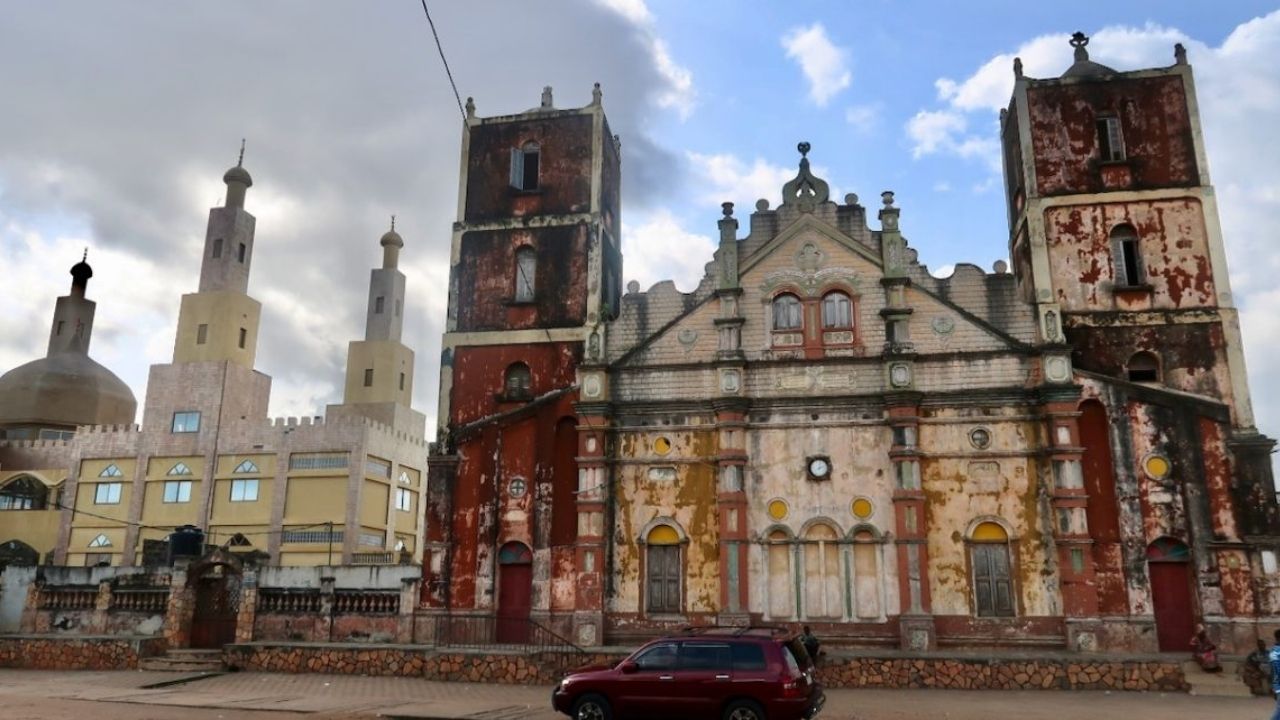
Ouidah is located on the Atlantic coast of Benin, a country in West Africa. The city is approximately 40 km from Cotonou, considered the economic capital of the country, and holds one of the most symbolic memories of the Atlantic slave route.
-
Couple Converts 1925 Detroit Bank into Home, Earns $40,000 Annually on Airbnb

-
Tired of Seeing People Sleep in the Cold, London, Canada Opens First Modular Shelter for Homeless with 60 Cabins, Heating, Meals, and Dog Area
-
Brazil’s $1.3 Billion, 870-Meter Immersed Tunnel to Be Latin America’s First of Its Kind, Featuring Special Public Facilities and Information Center
-
Brazilian Innovator Develops Concrete Blocks from Recycled Plastic, Eliminating Mortar and Reducing Construction Costs


The former historic port was used as a departure point for enslaved Africans during the transatlantic trade. According to the report, nearly 2 million people were taken along a 2 km route, from the auction square to the beach, where they boarded ships.
Gate of No Return became a symbol of memory
On the beach of Ouidah is the memorial known as the Gate of No Return. The monumental structure marks the site associated with the forced departure of enslaved people who crossed the Atlantic and did not return to the African continent.
This symbol is the most delicate point of the La Marina project. The new tourist complex will be built in a region where the seaside landscape coexists with a deep historical memory, linked to violence, forced displacement, and the formation of the African diaspora.
Government of Benin hired Chinese state-owned companies
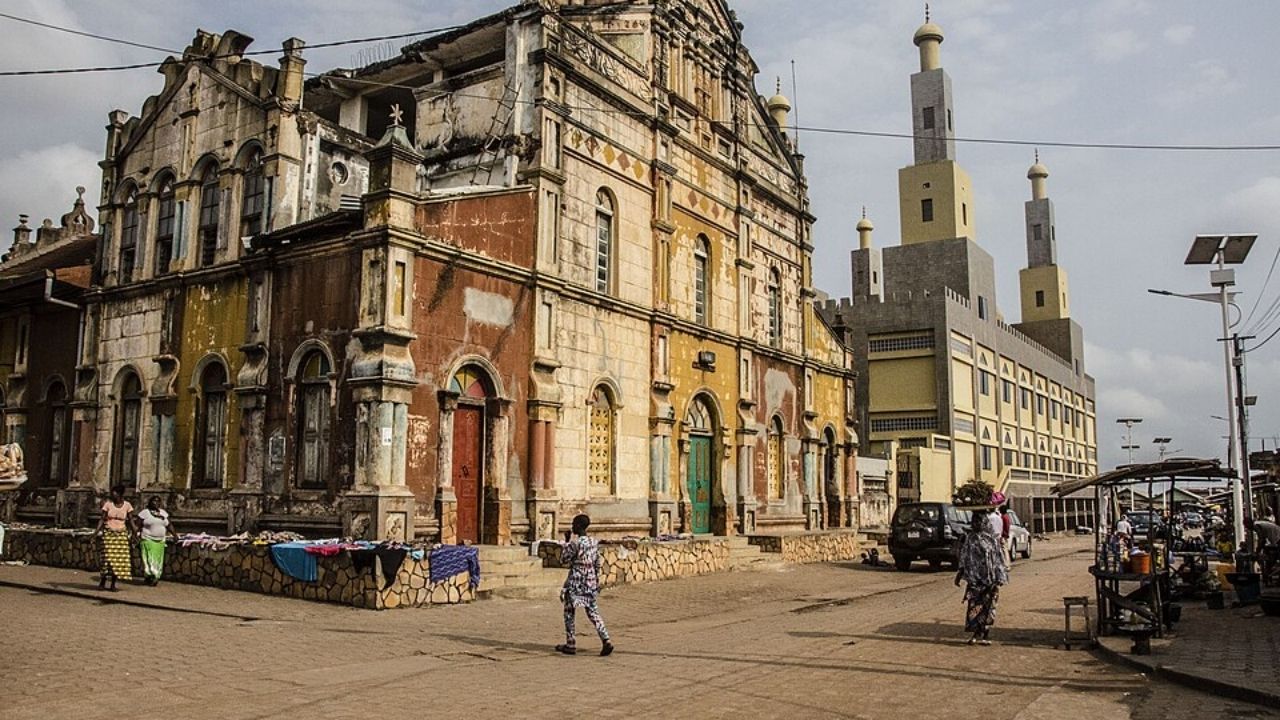
According to the SCMP report, the government of Benin hired Chinese state-owned companies to build the La Marina complex, located in the area of the old historic port. The construction is part of an infrastructure agenda linked to tourism and heritage appreciation.
The project is managed by the National Agency for Heritage Promotion and Tourism Development of Benin. According to the SCMP report, construction began during the government of former President Patrice Talon.
La Marina aims to connect beach, historical route, and memorial
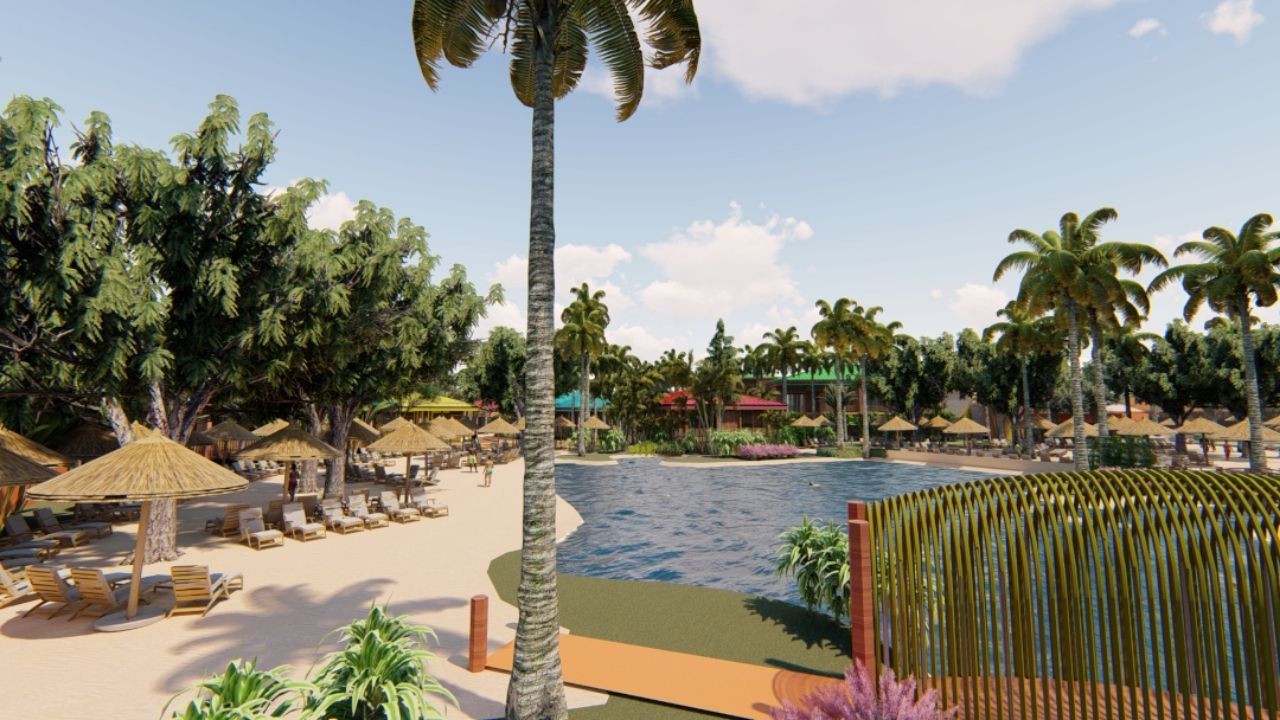
The La Marina complex was planned to connect the seaside area with the old 2 km route traveled by enslaved people and with the memorials linked to the transatlantic trade. The intention is to create an integrated tourist route, where visitors pass through leisure spaces and places of memory.
This combination is sensitive because it involves two different dimensions: on one side, the pursuit of economic development and attraction of visitors; on the other, the need to preserve the historical gravity of the place. In Ouidah, tourism cannot be separated from the memory of the old historic port and the Gate of No Return.
China expands presence in African projects


The participation of Chinese construction companies places the Ouidah project in the broader context of projects led by Chinese companies on the African continent. In this case, the involvement is in a project focused on tourism, coastal urbanization, and the redevelopment of an area with historical significance.
The case of Ouidah also shows a specific facet of the China-Africa relationship: it’s not just about roads, railways, commercial ports, or energy. The project involves heritage, international visitation, and an attempt to transform a symbolic region of Benin into a structured tourist destination.
Tourism can expand the economy, but requires care
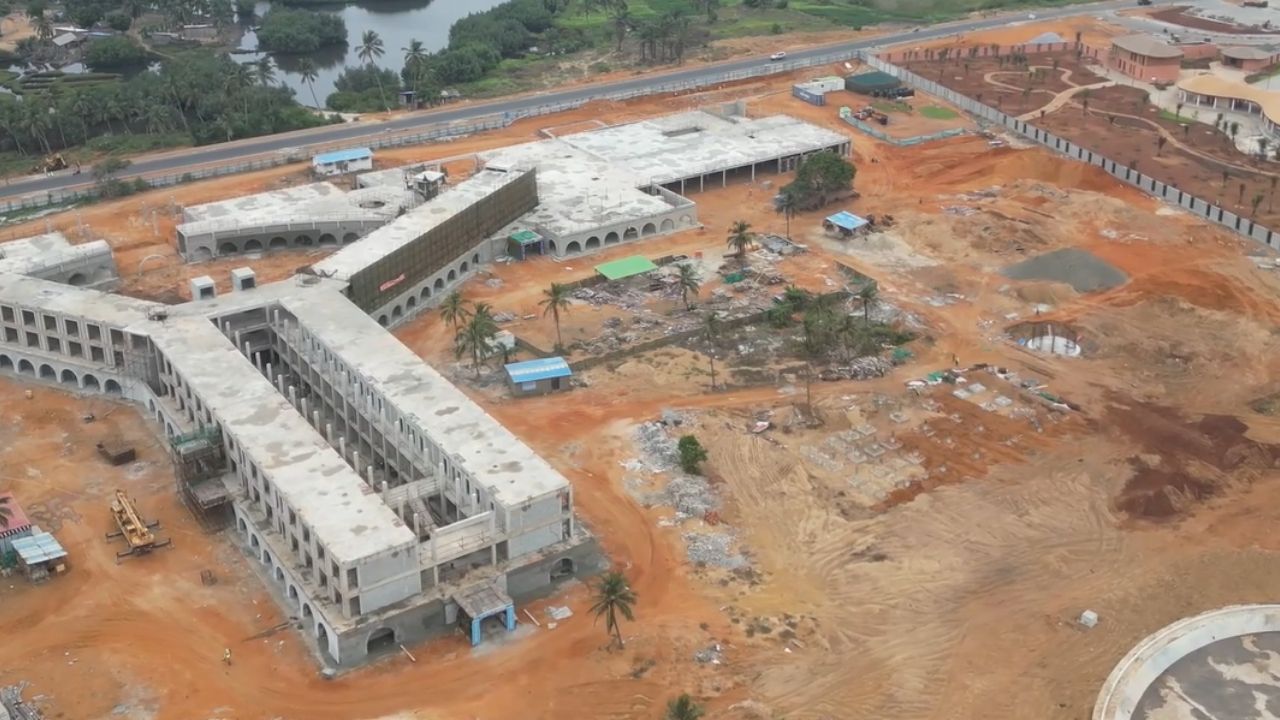
For Benin, the La Marina complex seeks to increase the international visibility of Ouidah and attract visitors interested in history, culture, and the coast. The connection between beach, memorial, and historical route creates a tourist product with strong global appeal.
But the challenge is to avoid treating the old historic port merely as a backdrop. The memory of the transatlantic slave trade requires contextualization, respect for the victims, and preservation of the historical significance of the sites associated with the Gate of No Return.
The central point is to balance development and memory
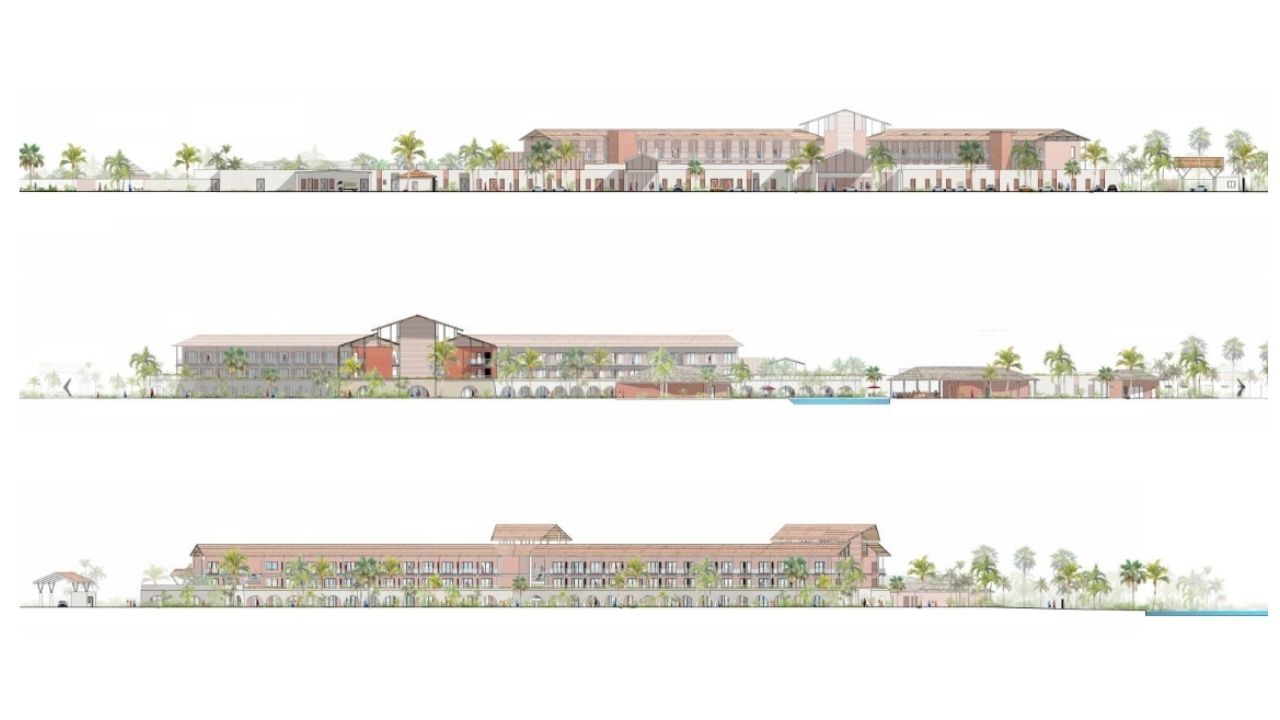
A transformation of Ouidah into a seaside tourist destination places the city in a sensitive position: while the project aims to strengthen tourism, any work in this area must deal with a history that cannot be softened to fit into a travel itinerary.
The project shows how places marked by historical tragedies also enter contemporary disputes over tourism, infrastructure, and narrative. In the case of Benin, the question is not only what will be built, but how the country will tell the world the story of that coastline.
The old historic port of Ouidah is now at the center of the La Marina project, which brings together Chinese construction companies, the government of Benin, coastal tourism, and the memory of slavery. The initiative seeks to expand the region’s tourist projection, but also raises the debate on the limits between economic development and historical preservation.
Do you think transforming an old port linked to slavery into a tourist destination helps preserve memory or risks turning a historical tragedy into a commercial attraction? Leave your opinion in the comments.