






 Portuguese
  Spanish


Comlurb, The Urban Cleaning Company in Rio de Janeiro, Received a New Fleet of 100 Biogas-Powered Trucks, in a Strategic Initiative for the Decarbonization of Its Operations
The urban cleaning in Rio de Janeiro is entering a new phase with the addition of 100 biogas-powered trucks to Comlurb’s fleet. Additionally, this measure strengthens the use of renewable fuel in waste collection and expands the decarbonization strategy in the municipality of Rio de Janeiro.
In this context, the state capital is advancing in the gradual replacement of diesel with cleaner sources. Therefore, the daily garbage collection operations will emit fewer greenhouse gases.
At the same time, this initiative positions Rio as a national reference in the use of biofuels in essential public services. Thus, the city integrates sustainability into the routine of urban management.
-
US$ 7 billion, green hydrogen, and steel with up to 95% less CO₂: the first green steel plant on the planet emerges in Sweden and targets Brazil as the next chapter

-
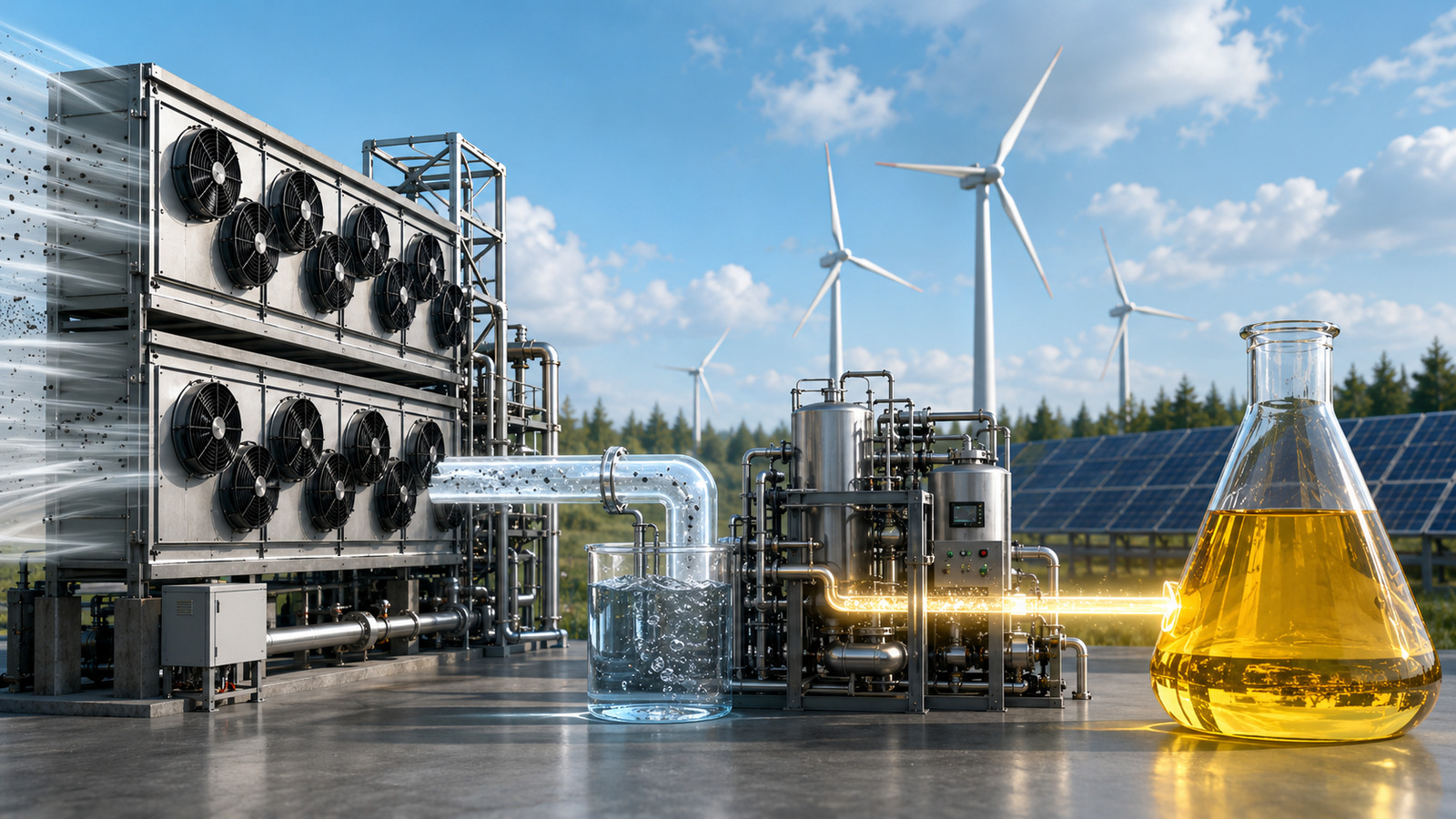
Swedes manage to create synthetic fuel with CO₂, water, and renewable energy, compatible with current engines, but face a huge problem: the energy expenditure is still double the return.
-
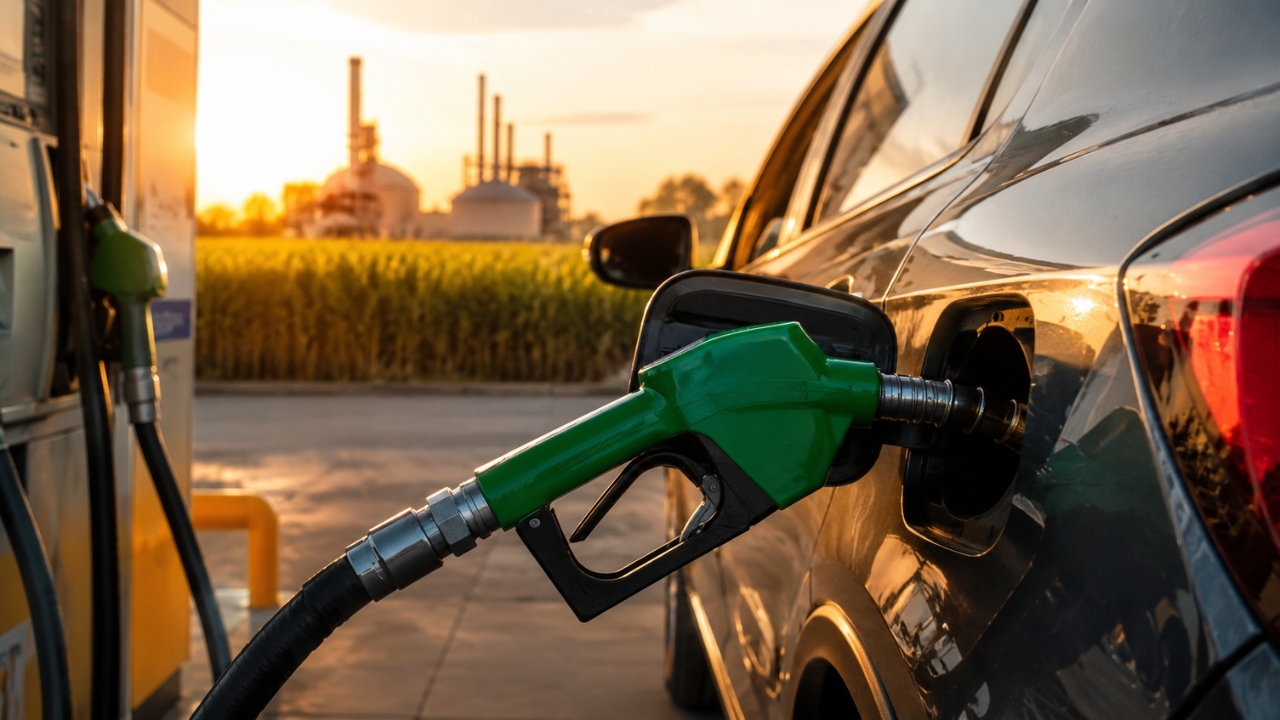
Brazil begins to transform wheat, residues, sweet potatoes, and soy molasses into ethanol, in a new phase of biofuels that seeks to utilize leftovers from the field and industry to fuel flex-fuel cars.

-
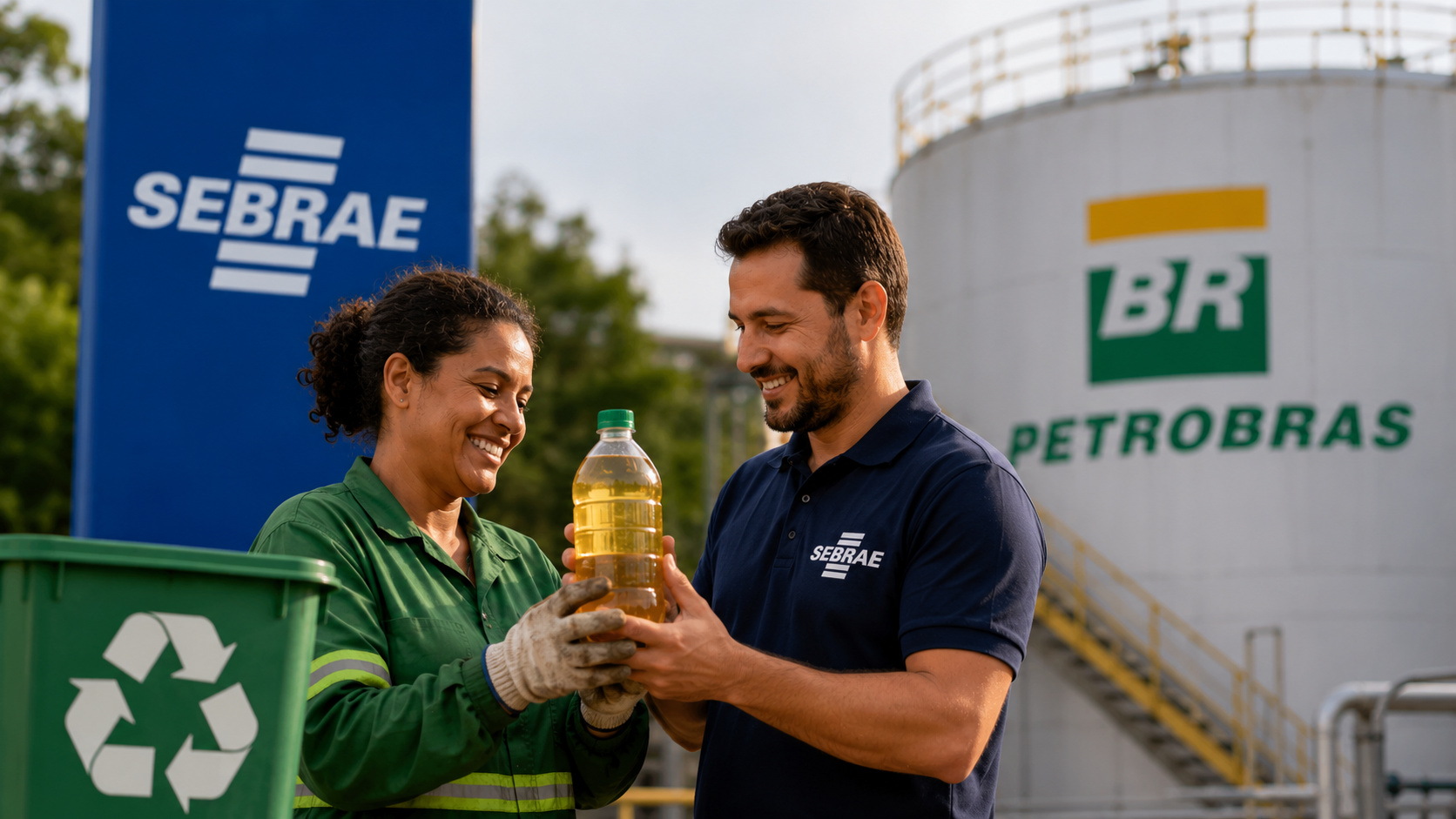
Sebrae and Petrobras join forces in Ceará to include waste pickers in the circular economy and strengthen the biofuel chain, creating new income opportunities and expanding the sustainable use of waste with a direct impact on regional development.


What Changes in Urban Cleaning in Rio de Janeiro with the New Trucks
The arrival of the 100 biogas-powered vehicles directly impacts the urban cleaning operation in Rio de Janeiro. Comlurb incorporates the trucks into the fleet responsible for residential waste collection and transport of solid waste.
Furthermore, biogas replaces traditional diesel, a fossil fuel with higher pollutant emissions. Therefore, the change reduces the carbon footprint of the service.
In this scenario, the city combines operational efficiency with environmental sustainability. This way, the collection continues at full capacity, but with a lower environmental impact.
At the same time, biogas performs similarly to diesel in terms of range and power. Thus, the trucks maintain productivity without compromising operations.
What is Biogas and Why Does It Reduce Emissions
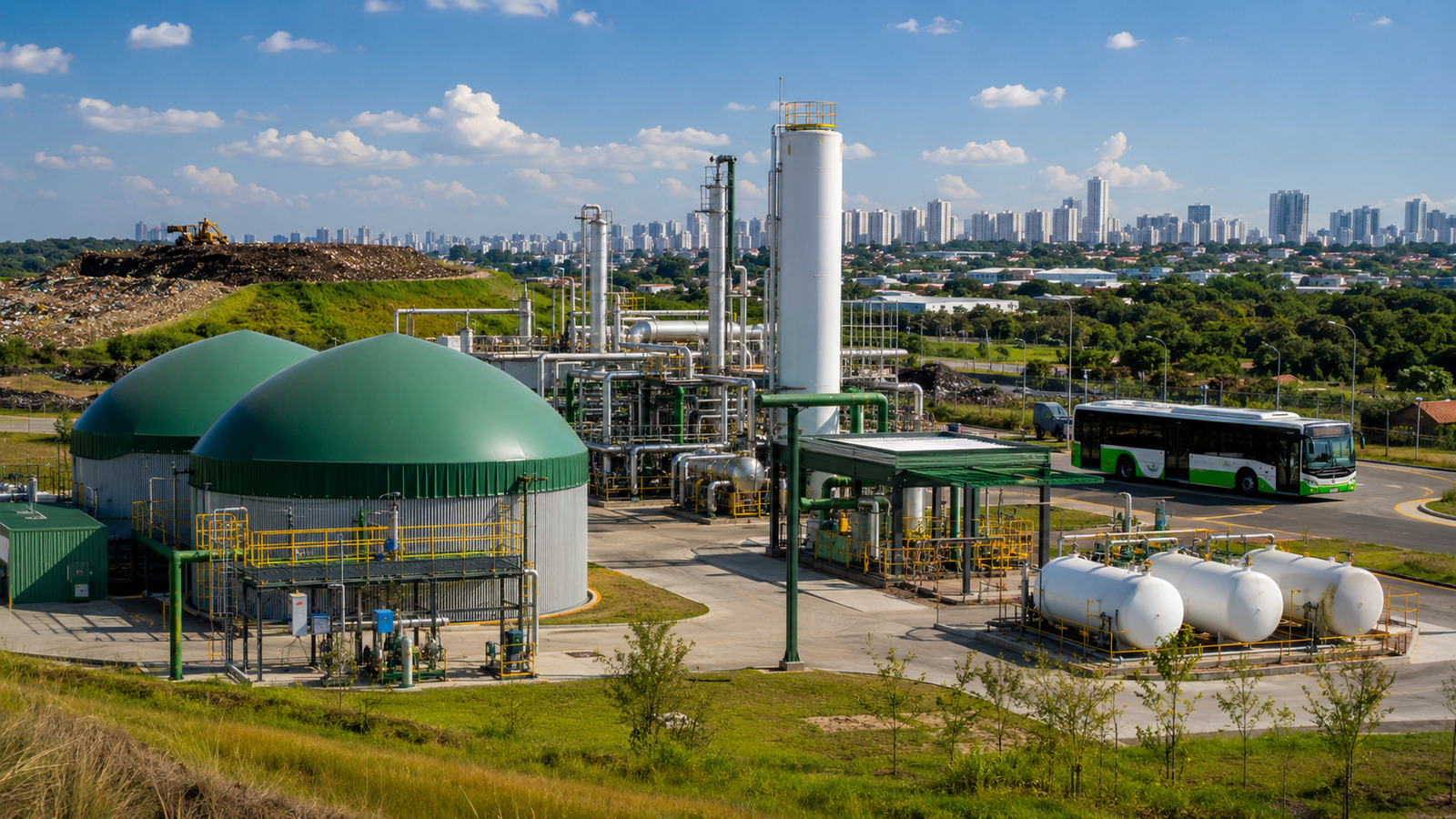
Biogas is a renewable fuel produced from biogas, which comes from the decomposition of organic waste in landfills, wastewater treatment plants, and rural properties.
Moreover, the purification process transforms biogas into a fuel with a high concentration of methane and quality similar to natural gas.
In this context, the use of biogas contributes to the circular economy. Therefore, waste that previously generated environmental impact begins to produce clean energy.
At the same time, the fuel significantly reduces carbon dioxide and particulate matter emissions. This way, it improves air quality in urban areas.
Direct Environmental Impact in the City of Rio de Janeiro
The urban cleaning in Rio de Janeiro operates daily in all regions of the city. Therefore, any change in the energy matrix of the fleet has a relevant impact.
Additionally, collection trucks cover thousands of kilometers per month. Hence, the replacement of diesel with biogas reduces tons of CO₂ over the year.
In this scenario, the initiative contributes to municipal and national climate goals. Thus, Rio strengthens its commitments to emissions reduction.
At the same time, the population benefits from lower emissions of atmospheric pollutants, especially in densely populated areas.
Sustainability Allied with Operational Efficiency
Comlurb maintains the routine of collection, street sweeping, and waste transport with support from the new fleet.
Additionally, the biogas-powered trucks maintain adequate performance to operate in narrow streets, central areas, and peripheral neighborhoods.
In this context, urban cleaning in Rio de Janeiro does not suffer interruptions or loss of efficiency.
On the other hand, the adoption of renewable fuel requires logistical planning and appropriate supply infrastructure.
Thus, the municipality needs to ensure a continuous supply of biogas to sustain daily operations.
Circular Economy and Waste Utilization
The use of biogas connects waste management directly to energy generation.
Additionally, landfills can capture the biogas generated from the decomposition of garbage and transform it into fuel.
In this scenario, the city transforms an environmental liability into an energy solution.
Therefore, urban cleaning in Rio de Janeiro integrates a broader sustainability strategy.
At the same time, the model reduces waste and enhances efficiency in the solid waste management cycle.
Economic Benefits and Job Creation
The biogas production chain involves collection, treatment, purification, and distribution of the fuel.
Additionally, specialized companies participate in the maintenance and adaptation of vehicles.
In this context, the expansion of biogas can generate direct and indirect jobs.
Therefore, urban cleaning in Rio de Janeiro also stimulates economic development linked to bioenergy.
At the same time, investment in technology strengthens the renewable energy sector in the state of Rio de Janeiro.
Climate Agenda and Public Policies
The replacement of part of the fleet with biogas trucks occurs in a scenario of greater attention to climate policies.
Additionally, cities are under pressure to reduce emissions and improve environmental indicators.
In this context, urban cleaning in Rio de Janeiro aligns with urban decarbonization strategies.
On the other hand, experts highlight that the expansion of the renewable fleet depends on long-term planning.
Thus, the continuity of the project requires integration between the public sector and fuel supply companies.
Comparison with Other Capitals
Some Brazilian capitals have already started tests with electric buses or natural gas vehicles.
However, the incorporation of 100 biogas trucks represents a significant movement in the waste collection segment.
Additionally, the scale of the operation in Rio increases the project’s visibility.
In this scenario, other cities can evaluate similar models to modernize their fleets.
At the same time, the use of biofuels reinforces the importance of the energy transition in the public sector.
What to Expect in the Coming Years?
Urban cleaning in Rio de Janeiro may gradually increase the number of vehicles powered by renewable fuel.
Additionally, new technologies may integrate electric or hybrid systems into the municipal fleet.
In this context, the goal is to increasingly reduce dependence on fossil fuels. Therefore, biogas emerges as a viable alternative in the short and medium term.
At the same time, incentive policies for biogas production may expand supply and reduce costs. Thus, the city consolidates a more sustainable model for essential services.
Urban cleaning in Rio de Janeiro begins a new phase with the incorporation of 100 biogas-powered trucks.
Furthermore, this measure reduces emissions, strengthens the circular economy, and boosts the city’s environmental agenda. Therefore, Rio de Janeiro advances in modernizing its public fleet and increasing the use of biofuels.
At the same time, the project demonstrates that essential services can combine operational efficiency and sustainability. This way, the state capital reinforces its commitment to energy innovation and environmental quality for the population.







Be the first to react!