






 Portuguese
  Spanish
  3 min of reading


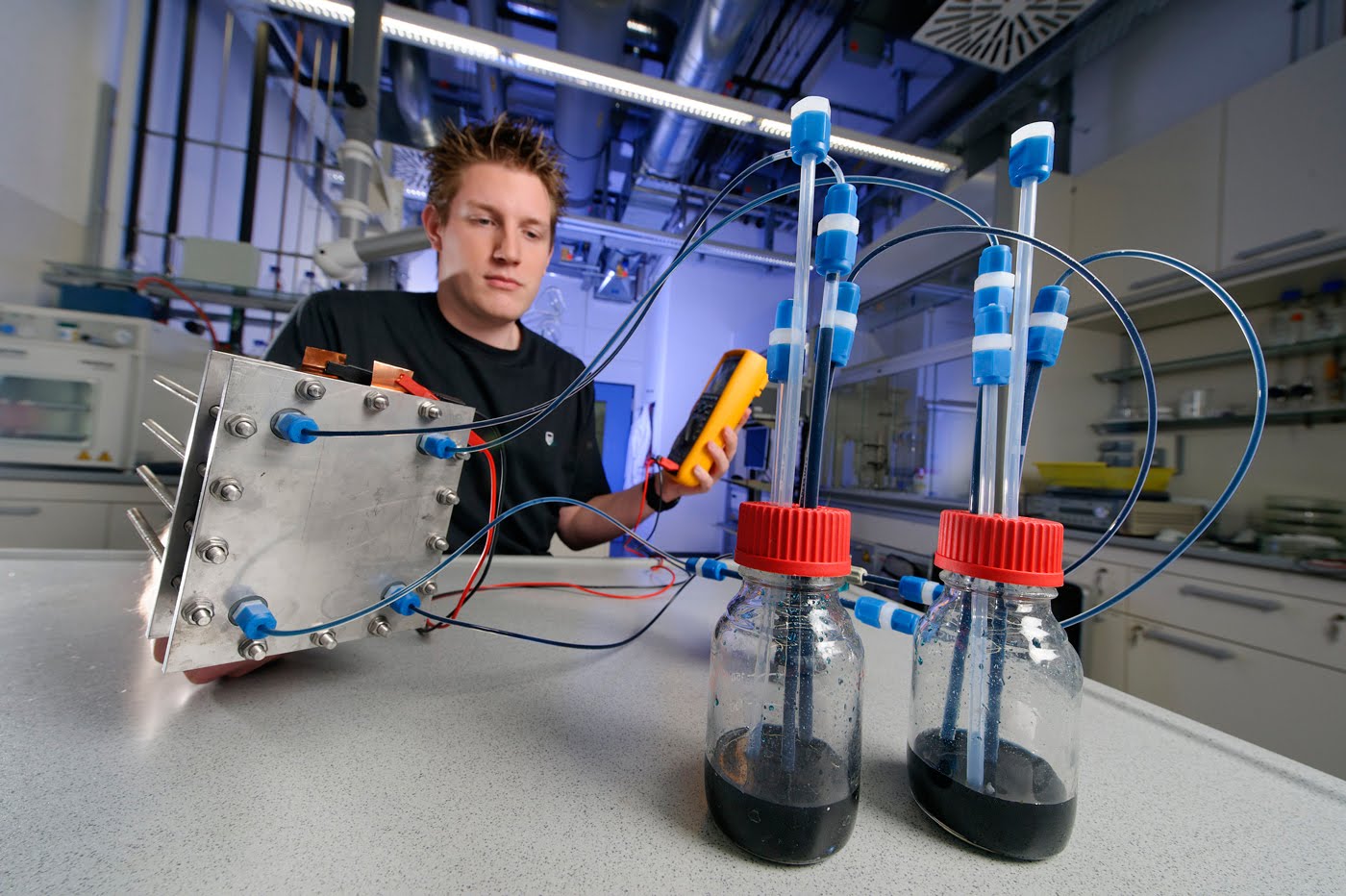
Honeywell Developed A New Energy Storage Technology That Could Revolutionize The Renewable Market. The Battery Can Store Wind Energy, Solar Energy, And Other Sources Of Renewable Energy For More Than 12 Hours
Honeywell announced a new flow battery technology that works with clean energy sources, such as wind energy and solar energy, to meet the exponentially growing demand for renewable energy storage. The new flow battery uses a safe and non-flammable electrolyte that converts chemical energy into electricity to store energy that can be used later, meeting the environmental, safety, and longevity requirements of utility companies.
Read Other Related News
Honeywell Prototype Takes Up To 12 Hours To Completely Discharge


Honeywell’s technology offers greater flexibility and extended duration for utility companies. The battery stores electricity that can be used when there is no wind or solar energy, in case of a power outage while power grids are at full capacity.
The new storage technology can hold and discharge electricity for 12 hours or more, exceeding the duration of lithium-ion batteries, which can discharge electricity for only 4 hours. The new battery has been designed with recyclable components and does not degrade over time, ensuring system performance, and providing a reliable and low-cost technology for up to two decades.
-
Brazilian scientists are simultaneously advancing two research projects on clean hydrogen and driving solutions that could transform the energy matrix, enhance industrial competitiveness, and accelerate large-scale emission reduction targets.

-
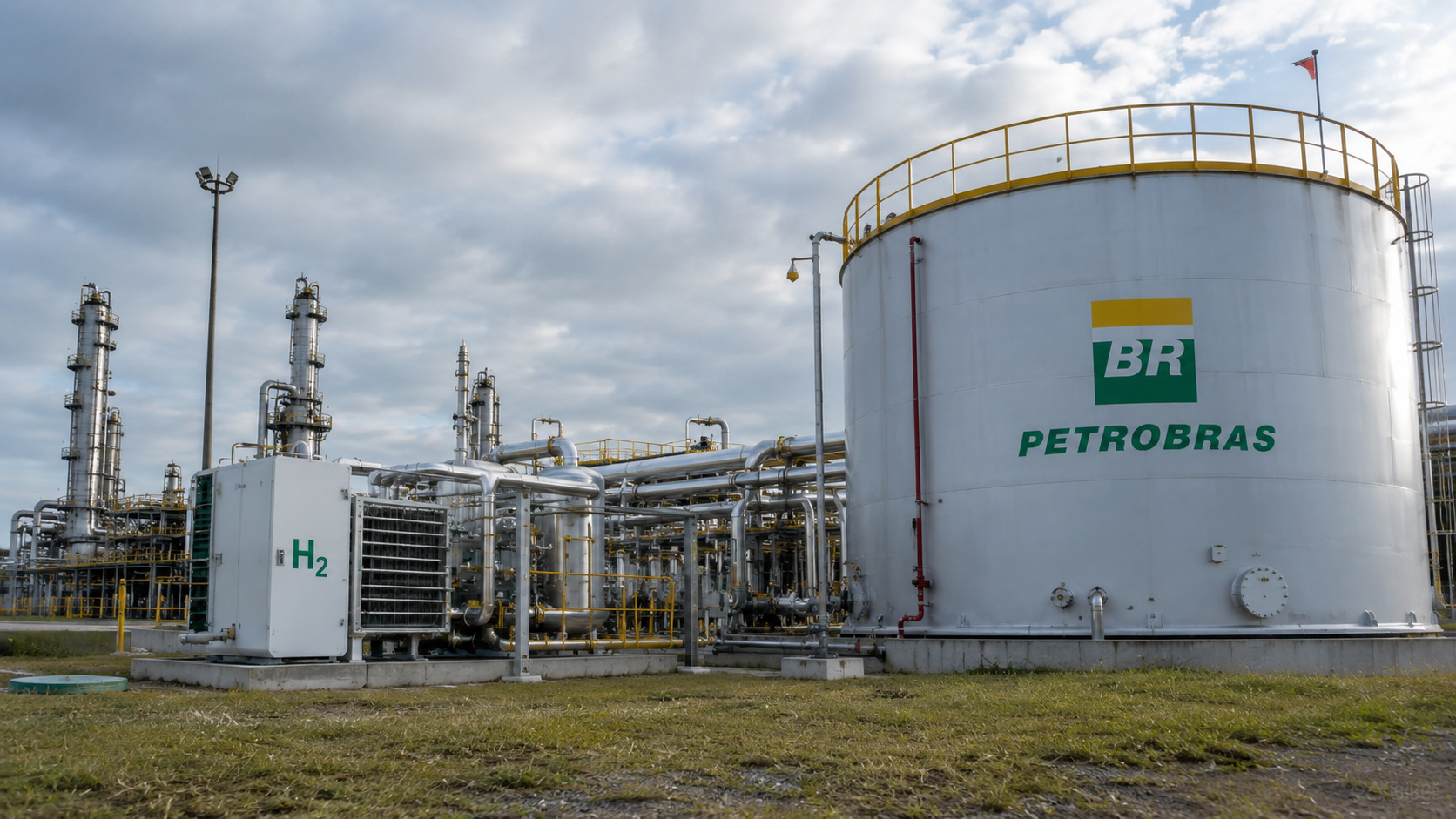
Advancement in renewable energy: A R$ 150 million project launched by Petrobras and Finep aims to create state-of-the-art electrolyzers for green hydrogen, strengthening national research and preparing Brazil to compete in a billion-dollar energy market.
-
Illiterate or semi-literate grandmothers were trained to repair solar systems, open rural workshops, and light up homes that still depended on kerosene.
-
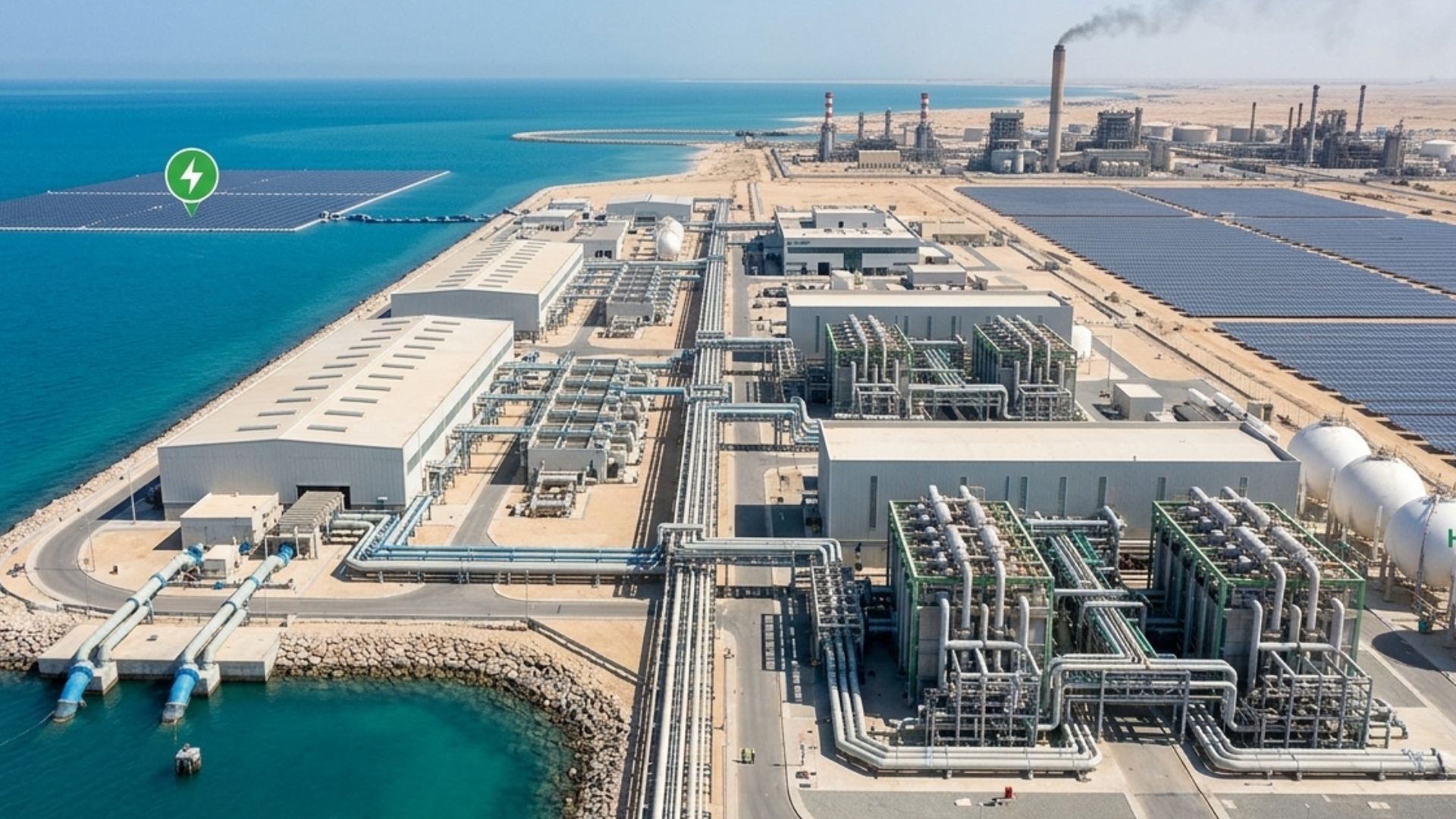
The world has bet on green hydrogen as the fuel of the future, but now faces the side effect: producing 1 kilogram requires about 9 liters of ultrapure water, and the largest projects on the planet are precisely in the driest regions of the Earth, where water is already scarce for people.



José Fernandes, Vice President and General Manager of Honeywell Performance Materials and Technologies for Latin America, stated that with this new flow battery, the company has created an innovative new standard capable of meeting future needs for sustainable energy storage, such as solar and wind energy, which go beyond current technologies offered in the market.
Flow Batteries Can Be Combined With Others To Generate More Autonomy
The Honeywell flow battery can also be combined with other technologies and sustainable generation sources to offer a complete and integrated energy storage solution for utilities and independent power producers, aiming to achieve CO2 emissions neutrality goals.
The overall system will also position the company as one of the first suppliers of vertically integrated end-to-end energy storage solutions, from battery production to integration, energy management systems, controls, and performance contracts. Fernandes
stated that the company is committed to achieving carbon-neutral emissions in its facilities and operations by 2035.
New Flow Batteries Will Be Available In 2023
The flow battery technology will undergo testing by Duke Energy in the United States. This year, Honeywell will deliver a 400 kilowatt-hour (kWh) unit to Duke Energy’s facilities in Mount Holly, with the intention of launching a 60 mWh public utility-scale pilot project next year.
According to Fernandes, the tests with Duke Energy will allow the company to implement this innovative solar or wind energy storage technology at scale, providing the market with a revolutionary solution to meet energy storage demands while helping companies achieve their carbon-neutral goals.









Be the first to react!