





 Portuguese
  English
  Spanish
  3 min of reading


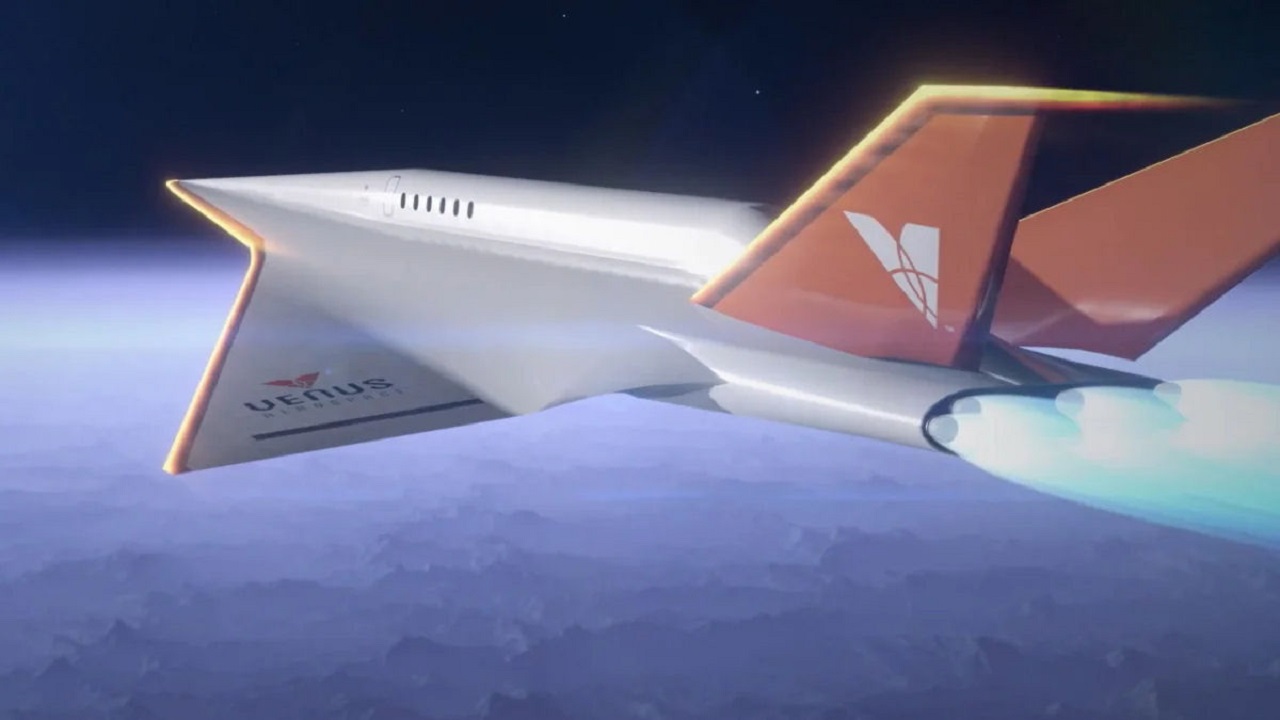
The “Stargazer” Aircraft from the Deep Tech Startup Venus Aerospace Became Popular for Being the First Hypersonic Plane Capable of Crossing the Earth in Just One Hour
The aerospace startup Venus Aerospace revealed its concept for a hypersonic plane that will transport passengers around the world in one hour. The Texas-based company claims its hypersonic aircraft will be able to undertake any type of ‘global trip in one hour’ and has released images with pre-renderings for its aircraft, named ‘Stargazer’. In a press release, Venus Aerospace disclosed that it received US$ 1 million in government funding, as well as private investors who raised US$ 33 million to build the world’s first hypersonic plane capable of crossing the planet in one hour.
Hypersonic Plane Will Have the Potential to Reach Mach 9, Equivalent to Nine Times the Speed of Sound
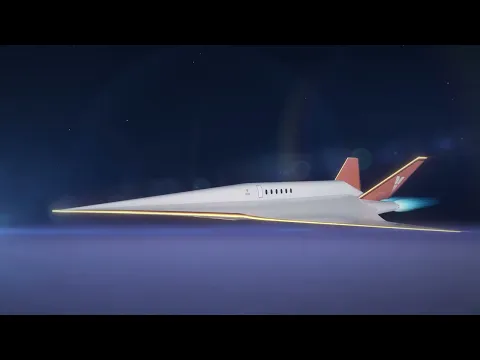

For reference, hypersonic missiles used by the military travel at Mach 5. The vehicle engineering team at Venus has been working on the iteration of the plane since 2020. A company spokesperson said: “At Venus Aerospace, we are building the world’s first spaceplane that can fly at hypersonic speeds at the edge of the atmosphere. A spaceplane that can take off from LAX and land in Tokyo in one hour, and then make the return flight to get you home for dinner.”
The proposed dimensions of the aircraft are 100 feet (30.5 m) wide by 150 feet (46 m) long when a real physical model is constructed. The “Stargazer” will weigh 150,000 pounds (68,039 kg) and has room to accommodate a maximum of 12 passengers.
-
Scientists may have found an absurd clue about how life began on Earth: mineral nanoparticles might have used light, heat, and electricity to transform non-living matter into the first biological building blocks.

-
AI may be close to discovering new laws of physics, but scientists have found a frightening error: the technology reduces expensive simulations by more than 10 times and yet may overlook unprecedented clues hidden in the universe.
-
China has deployed snake-shaped robots to slide along power lines, where they have already inspected over 130 kilometers of cables using cameras and sensors to detect damaged wires, worn-out parts, and overheating.

-
Students create a Lego boat to collect plastic from beaches, focus on clean energy, and aim to combat marine pollution.


Venus Aerospace’s Hypersonic Plane Will Be Able to Transport 12 Passengers
The aircraft is being designed to carry 12 passengers and travel at an altitude of 51.8 kilometers – which means it technically does not travel to space, despite being called a ‘spaceplane’.
However, passengers are still expected to have an extraordinary view of the Earth’s curvature. The company claims to have ‘expanded rapidly’ last year, having designed and built its technology demonstration engine, conducted significant experiments in hypersonic wind tunnels and propulsion test facilities across the United States, and launched a ground testing campaign at Spaceport Houston. They expect to begin testing the aircraft next year, with the first ground test expected to take place in 2025 at the earliest.
Hypersonic aircraft of this nature would take off from a conventional airport at subsonic speeds before crossing the wild blue to the edge of outer space (170,000 feet, or 51,816 meters) while in hypersonic mode.
About the Company
Venus Aerospace was founded only two years ago by Sarah “Sassie” Duggleby and Dr. Andrew Duggleby. Its main goal for this sleek craft that could hypothetically reach speeds of nearly 11,000 km/h is to get passengers to their destinations in record time.
This new player in the aerospace sector has already secured US$ 33 million in funding from private investors, which includes major venture capital investments, and another US$ 1 million in government cash.
Venus has also bolstered its balance sheet by recently announcing an additional US$ 20 million raised in a Series A offering led by Prime Movers Lab, a venture capital firm that invests in innovative scientific startups.


Be the first to react!