Portuguese
  Spanish


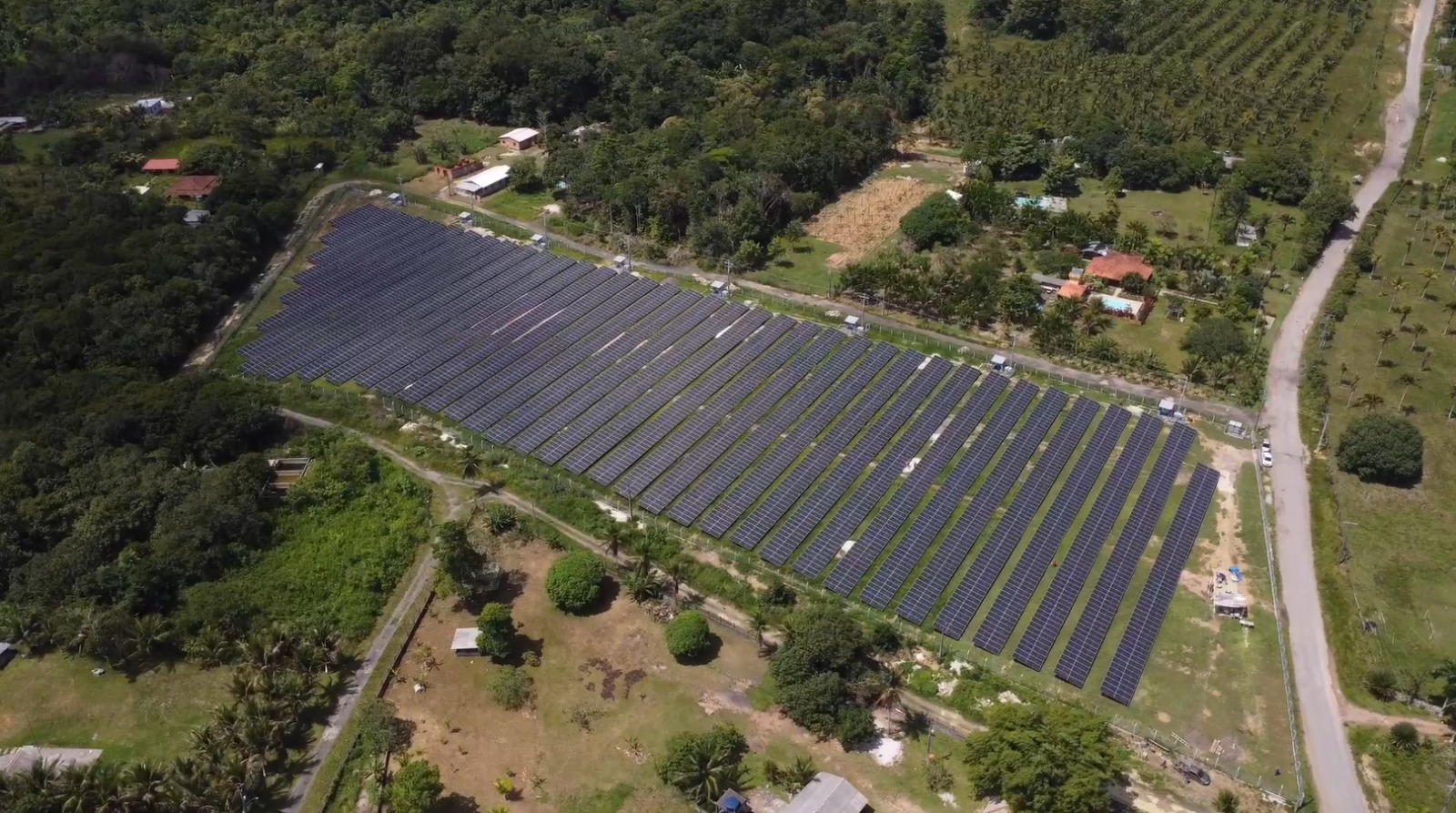

Brasol, Next to Aegea, Recently Inaugurated The Largest Photovoltaic Plant In Amazonas. The Venture Promises To Generate 3.7 GWh Per Year.
The company from the Siemens group Brasol, which operates in the energy transition market with clean energy generation projects, alongside Aegea, a private sanitation company, inaugurated in Manaus the largest photovoltaic plant in the state of Amazonas. The venture aims to meet the energy demand of Água de Manaus, a concessionaire that is part of the Aegea group, which continues its plan to prioritize a renewable energy matrix combined with enhanced energy efficiency and electricity consumption reduction goals.
Photovoltaic Plant Promises To Generate 3.7 GWh Per Year
The new venture in the Amazonas occupies an area of approximately 20,000 square meters, located 30 km from the center of Manaus, and has an installed capacity of 2.55 MWp and an estimated generation of 3.7 GWh per year.
The partnership between Brasol and Aegea has been strengthening over the past two years, and there are already nine plants developed in Brazil, in the states of Mato Grosso and now Amazonas, in addition to projects under installation in Rio de Janeiro.
-
Fired during apartheid and with a little borrowed money, an electrician started with a borrowed truck and transformed electrical services into a group connected to energy, real estate, and infrastructure in South Africa.

-
Wood has ceased to be just a construction material in Yale research and has become insulation for electrical transformers that face intense heat, aging, and increasing pressure from the renewable energy-powered grid.
-
More than 1,000 residents of a remote island in Kiribati now have clean water and electricity with solar systems operated by the community itself.
-
Ceará brings together 7 giants and R$ 66 billion to transform Pecém into the largest green hydrogen hub in Brazil, with final decisions expected by the end of 2026.



This is a trend among companies that opt for clean energy sources as a strategy to meet corporate sustainability goals and contribute to environmental balance, as well as reduce energy costs, according to Emerson Rocha, Energy Management and Energy Efficiency Manager at Aegea.
The partnership with Brasol, a Siemens company, is essential for Aegea, as energy is the main input used in its operations and emission reduction in the atmosphere is a priority at this moment.
Aegea Aims To Reduce Energy Consumption By 15%
Currently, 94% of the electricity consumed at Aegea’s facilities is generated from renewable energy sources. Recently, the company set a target to reduce specific energy consumption in Manaus, Amazonas, by 15% by 2030, reinforcing the company’s commitment to its ESG agenda.
This goal is directly related to the issuance of a Sustainability Linked Bond (SLB), a groundbreaking operation for sanitation companies in Brazil. For Ty Eldridge, CEO and founder of Brasol, partnering with Aegea, the largest investor in clean energy in the state of Amazonas, the construction of the photovoltaic plant is an essential milestone for the company’s operations, and he is pleased with the development of a network of partners, contributing to the adoption of sustainable practices and meeting the goals of major companies’ operations in Brazil and worldwide. It is a reference photovoltaic plant in the sector and one of the largest in Manaus, with the capacity to meet local energy consumption demands.
Solar Energy In Amazonas
Considered one of the power bets in solar energy, the state has one of the highest development rates in photovoltaic energy capacity in the north of the country.
In 2019, the state already had over 300 renewable solar system installations in residences and commercial establishments, a number that continues to expand. Even as a prominent state in northern Brazil and covered by the Amazon rainforest, Amazonas’ location relative to the Equator is lower compared to other regions. Thus, its solar radiation capture can be compromised by some geographical and climatic characteristics, although this does not fully affect its efficiency for solar energy generation.
Amazonas has one of the highest potential photovoltaic development rates, despite not reaching the solar incidence levels of the northeast.