






 Portuguese
  Spanish
  4 min of reading
  0 comments


The Revolution In Energy Transport: Company Develops The Largest Airplane In The World To Facilitate The Delivery Of Mega Onshore Wind Turbines On A Global Scale
With the global energy crisis and the growing demand for renewable energy sources, onshore wind farms have emerged as a viable solution to increase the capacity for producing clean energy. However, as wind turbines become larger to optimize energy generation, significant logistical challenges arise.
One of the main obstacles is transporting these enormous components, especially the turbine blades, which are often too large to be transported by conventional roads.
In light of this challenge, a U.S. startup, Radia, is developing a revolutionary solution: the largest airplane in the world, specifically designed to transport these mega onshore wind turbines.
-
Brazil filled the Northeast with wind turbines but now faces the side effect of 705 giant blades reaching the end of their lifespan by 2032 just in Rio Grande do Norte, while the world projects 43 million tons of waste by 2050.

-
Brazil has filled the Northeast with wind turbines, but now it faces the side effect of 705 giant blades reaching the end of their useful life by 2032 just in Rio Grande do Norte, while the world projects 43 million tons of waste by 2050.
-
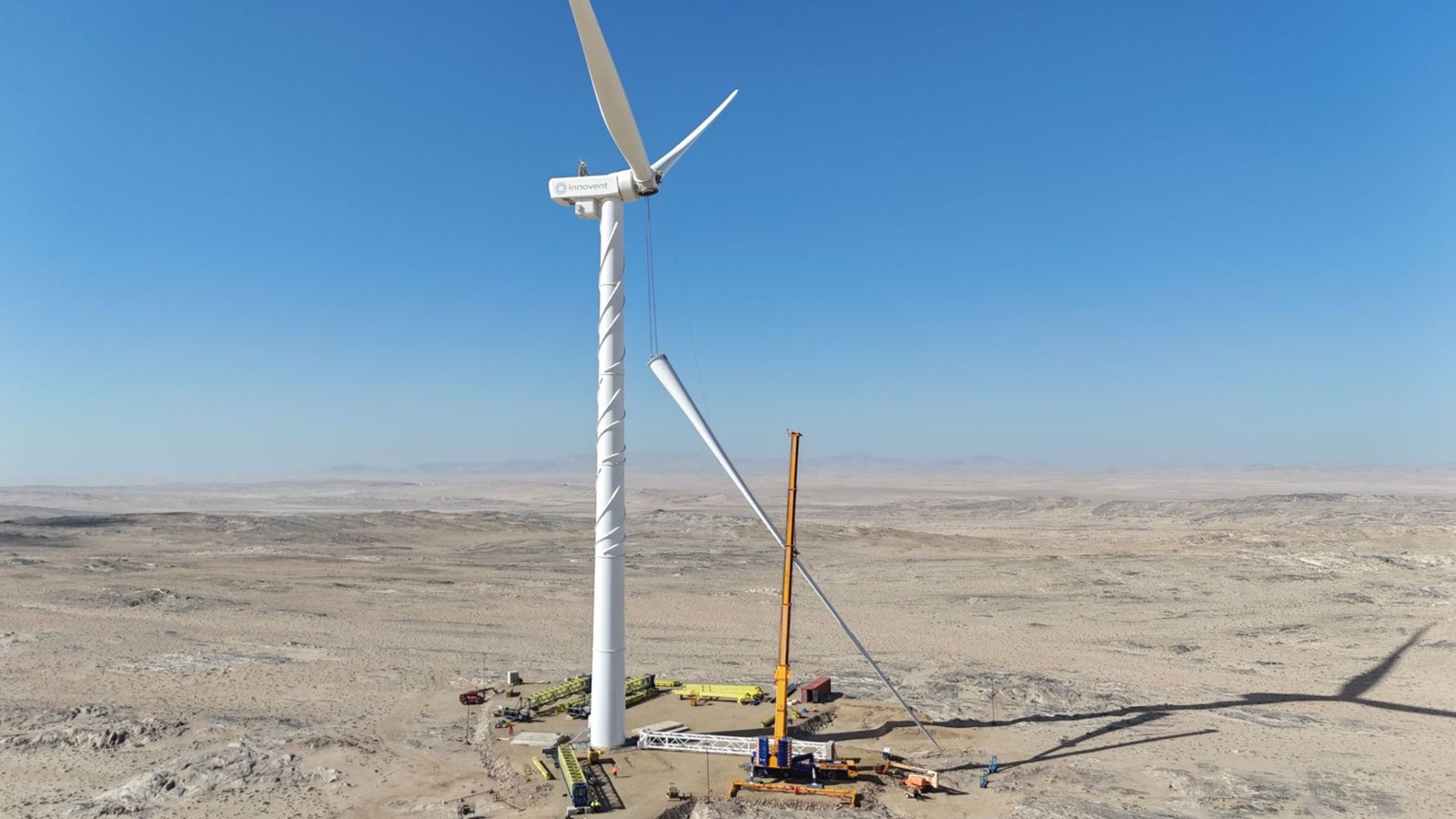
Wind farm in Namibia will have wind turbines assembled without giant cranes and is expected to avoid 200,000 tons of carbon dioxide per year when it becomes operational.

-
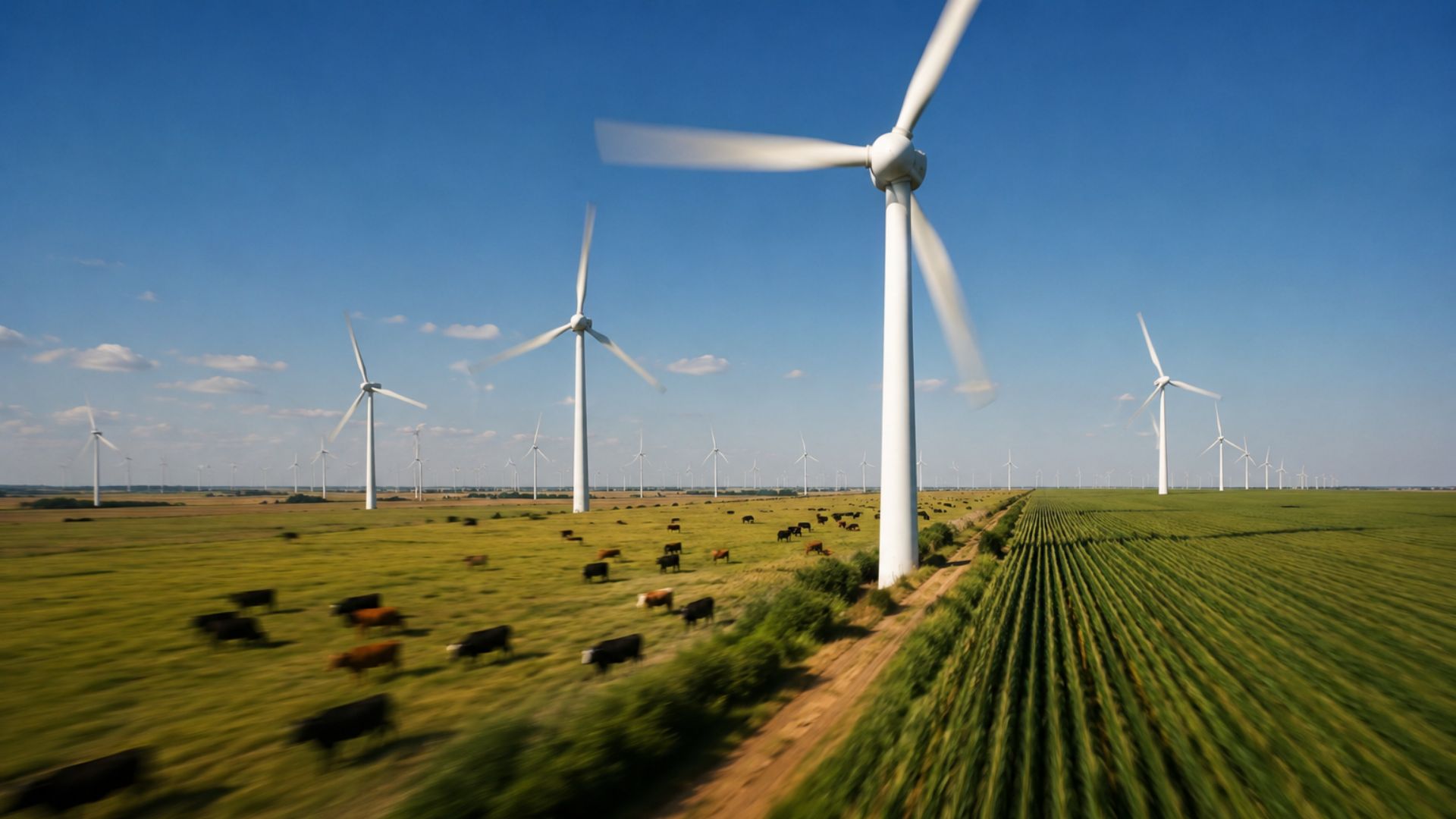
Taller than the Statue of Liberty, thousands of wind turbines are being planted in the middle of U.S. fields, creating two-story farms where corn and soybeans grow below while the wind turns into electricity above.


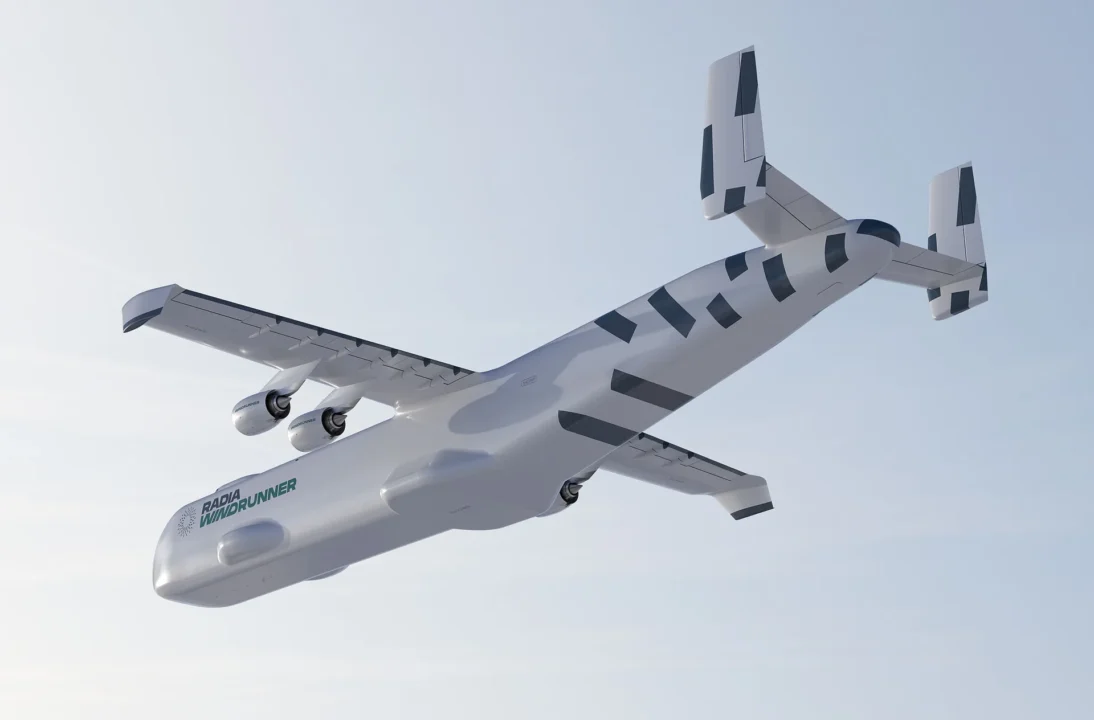
The Largest Airplane In The World: WindRunner
The aircraft in question, named WindRunner, promises to redefine the logistics of transporting components for wind farms. With an impressive wingspan of 261 feet and a length of 356 feet, the WindRunner will be significantly larger than any existing commercial aircraft, even surpassing the iconic Antonov An-225, which was previously the largest aircraft in the world.
Radia, founded by Mark Lundstrum, an aerospace engineer trained at MIT, is betting on innovation to facilitate the transport of the gigantic blades of onshore wind turbines, which can reach up to 300 feet in length.
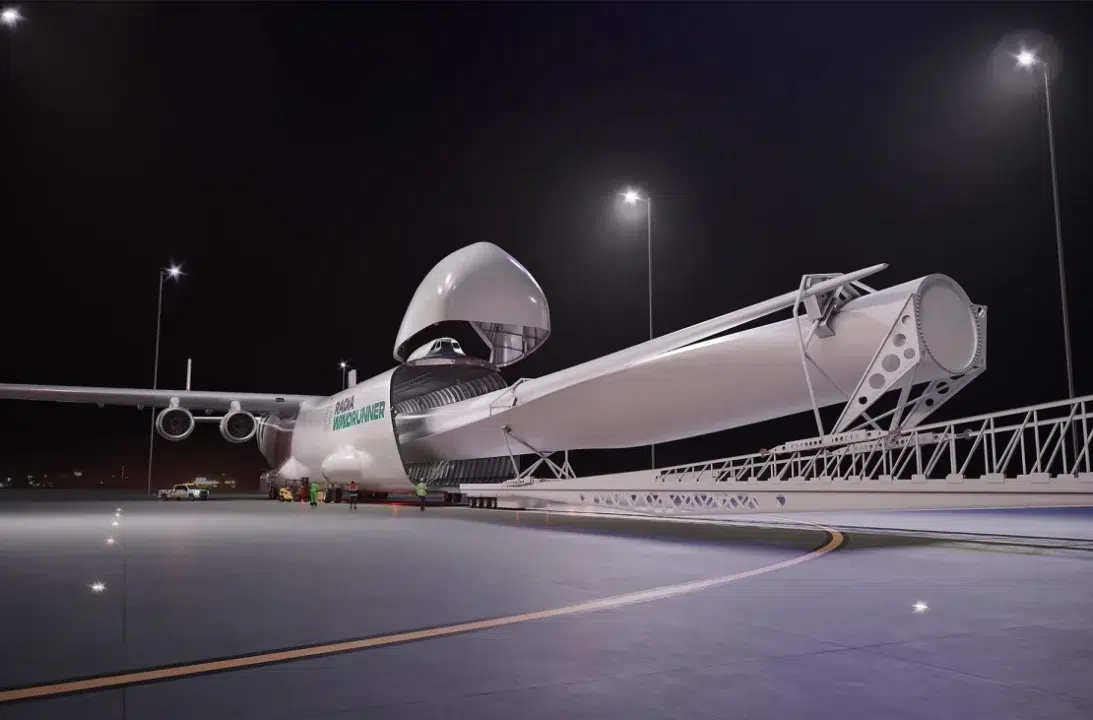
Transporting Mega Wind Turbines
The development of the WindRunner is a direct response to the growing demand for clean energy and the need to meet global decarbonization targets. The airplane will be powered by sustainable aviation fuel, making it an environmentally responsible option for transporting heavy loads.
Additionally, its ability to operate on simple runways, dirt or gravel, with a minimum length of 6,000 feet (about 1,800 meters), offers unprecedented logistical flexibility, allowing turbines to be delivered directly to the most remote locations where onshore wind farms are being constructed.
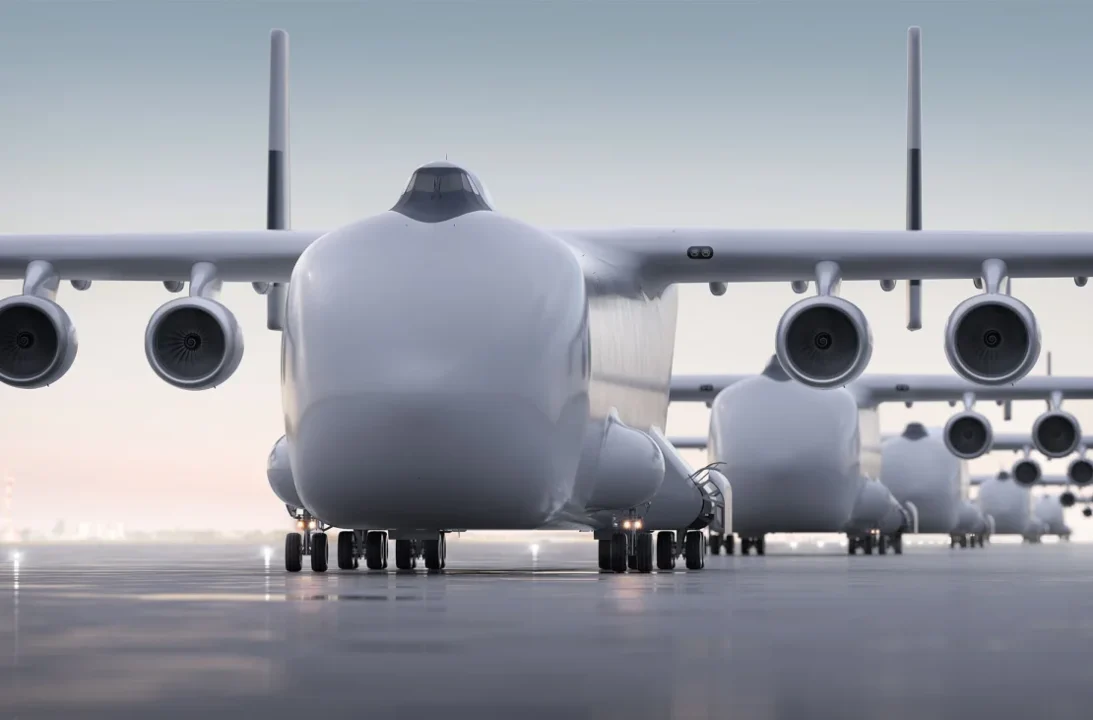
The payload capacity of the WindRunner is another impressive aspect. With a cargo compartment volume of 272,000 cubic feet, equivalent to three Olympic-sized swimming pools, the aircraft will have enough space to transport multiple turbine blades in a single trip. This volume is 12 times larger than that of a Boeing 747-400, and its transportation efficiency promises to significantly reduce the costs and time required for delivering these essential components.
Radia plans to operate the WindRunner from regional hubs, allowing the aircraft to deliver onshore wind turbines quickly and efficiently anywhere in the world. The company expects to start commercial operations in 2027, although it has not yet announced a definitive timeline.
With a team composed of former high-level executives from aerospace giants like Boeing, Rolls-Royce, and MIT, as well as renowned consultants, including former U.S. Secretary of Energy Ernest Moniz and former Australian Prime Minister Malcolm Turnbull, Radia is well-positioned to turn its vision into reality.
Radia’s decision to invest in the WindRunner aligns with forecasts from Bloomberg NEF, which estimates that by 2050, about US$ 10 trillion will be invested in onshore wind energy. This growing market presents a unique opportunity for Radia to capitalize on its innovation while contributing to the global transition to a more sustainable energy matrix.
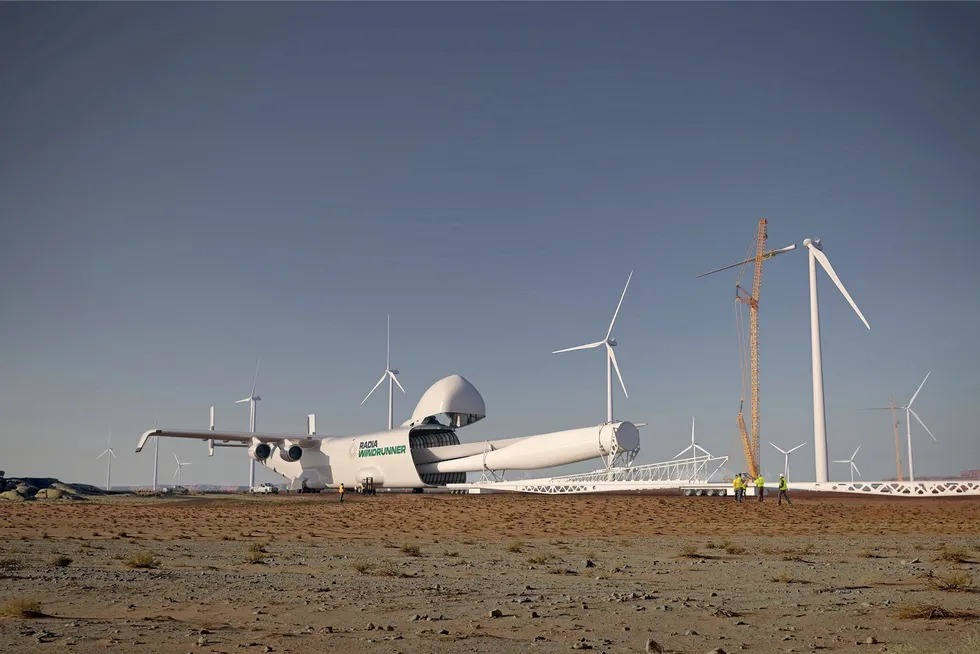
The WindRunner is not only a logistical solution but also a symbol of technological advancement and commitment to a sustainable future. By addressing the challenges of transporting components as large as the blades of onshore wind turbines, Radia is paving the way for the next generation of renewable energy. If successful, the company will not only facilitate the construction of new wind farms but also accelerate the implementation of clean technologies vital for combating climate change.
As the world seeks ways to reduce its reliance on fossil fuels, innovations like the WindRunner will be essential for achieving renewable energy targets and ensuring a cleaner, more efficient energy future.
With the development of this monumental aircraft, Radia is not only responding to an immediate need but also setting a new standard for the logistics of transporting large loads, especially in the renewable energy sector.





-

1 person reacted to this.