Portuguese
  Spanish


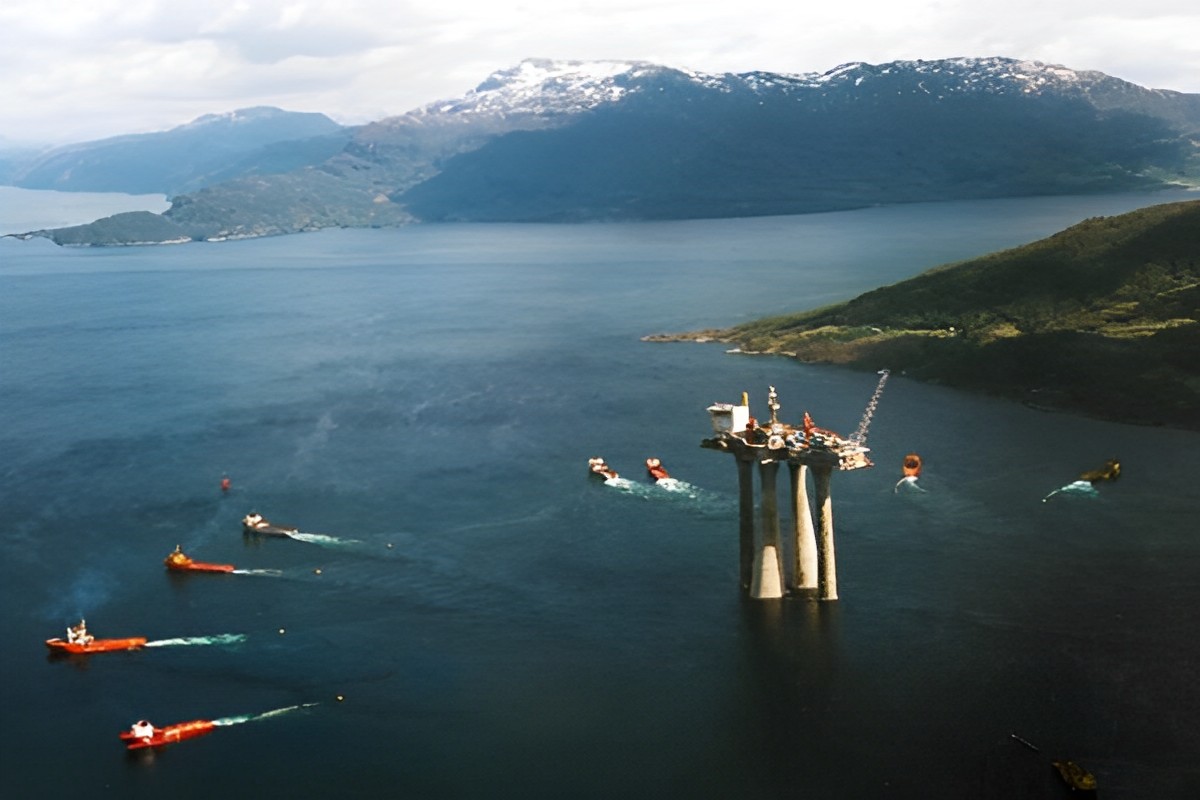

Equinor Makes Another Oil And Gas Discovery Near The Troll Field In The North Sea. This Is Equinor’s Eighth Discovery In The Region Since 2019.
Production is estimated between 24 and 84 million barrels of oil equivalent, with slightly more oil than gas. The discovery well, named Heisenberg, was drilled by the Deepsea Stavanger rig. Equinor is the operator and DNO is the partner.
Oil And Gas Discovery Is Seen As A Boost For The Company
The discovery is considered commercially valuable, in part because it could leverage the existing infrastructure connected to the Troll B platform. However, an appraisal well is needed to get a more accurate size estimate before determining if these volumes can be recovered. The parties are considering drilling an appraisal well in 2024.
“Our troll exploration program continues to deliver. Found in 8 out of 9 exploration wells, we have a success rate approaching 90%. We have a good infrastructure in the area and can move competitively. The barrels are brought to market from here with low CO2 emissions”, said Geir Sørtveit, Senior Vice President of Western Exploration and Production at Equinor.
-
Oil production grows in Rio, but reserve replacement raises a warning sign

-
Petrobras is expected to complete the drilling of the Morpho well in the Foz do Amazonas in August 2026, the first well in the Equatorial Margin, an oil frontier that the ANP estimates at more than 30 billion barrels and could redraw the map of Brazil.

-
Oil returns to the center of concerns with tension between the US and Iran

-
IEA reduces forecast for global oil demand in 2026 after impacts of the Middle East crisis
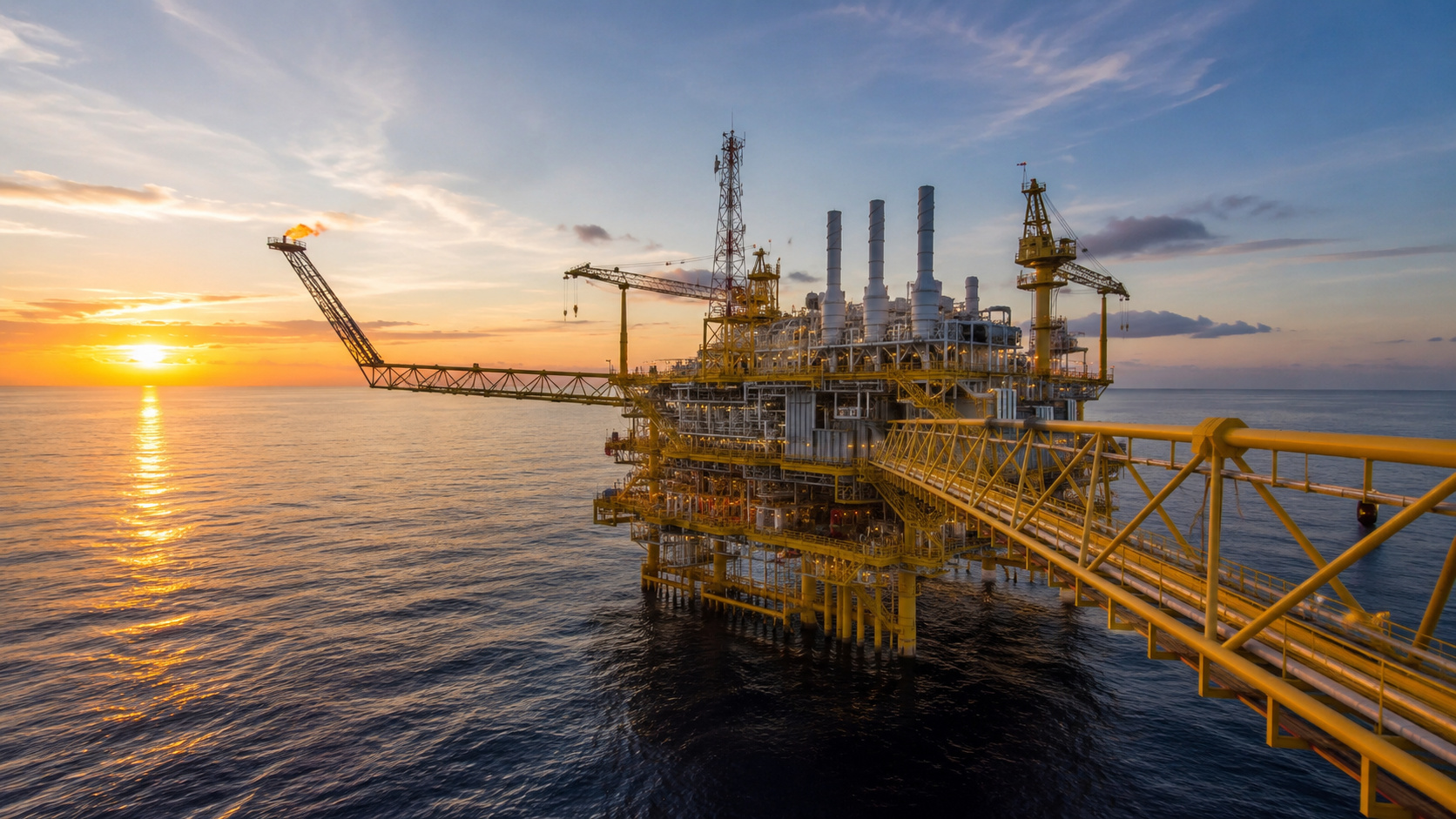


Five of the eight discoveries were made in licenses granted through APA rounds. Together with partners, Equinor discovered Røver South in the same area just over a month ago. With the acquisition two weeks ago, Equinor increased its stake in four discoveries in the region.
Equinor’s Exploration Strategy
The company’s strategy is to explore capacity in mature areas where discoveries can be tied to existing infrastructure to maximize the value of investments made over 50 years. In the future, they plan to drill 20 to 30 exploration wells per year, where about 80% of the exploration wells will be drilled in known areas near infrastructure, but new areas and selected ideas will be tested.
Additionally, they will drill wells based on three main criteria: high profitability and low breakeven price, short payback period, and low carbon intensity. Exploration is key to maintaining cash flow from the NCS and ensuring the necessary gas volumes to develop the value chain of blue hydrogen.
Meet Equinor
Equinor is a global energy company, Norway’s largest operator, one of the world’s largest offshore operators, and a growing force in renewable energy. Approximately 20,000 people work in oil, gas, wind, and solar energy across more than 30 countries.
The Amazing Troll A Gas Platform