Portuguese
  Spanish


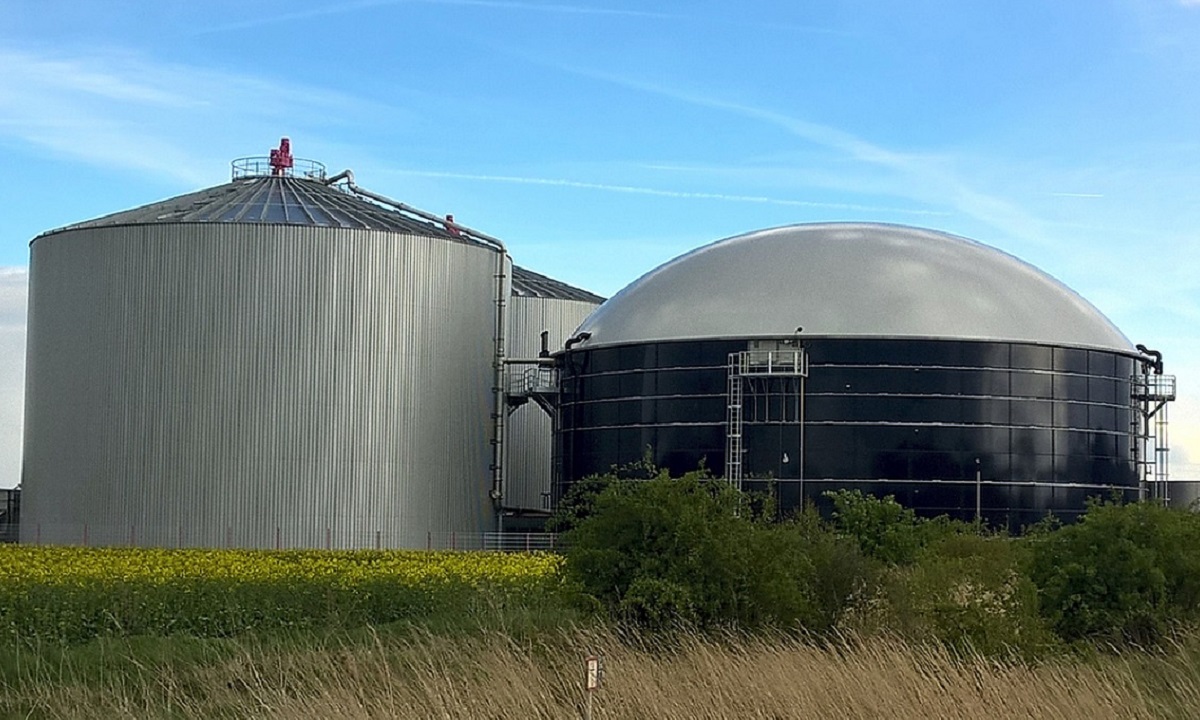

The New Plant Received About R$44 Million in Financing from BNDES with the Aim of Producing Biogas and Electricity. The Unit is Being Built in Elias Fausto, in the State of São Paulo
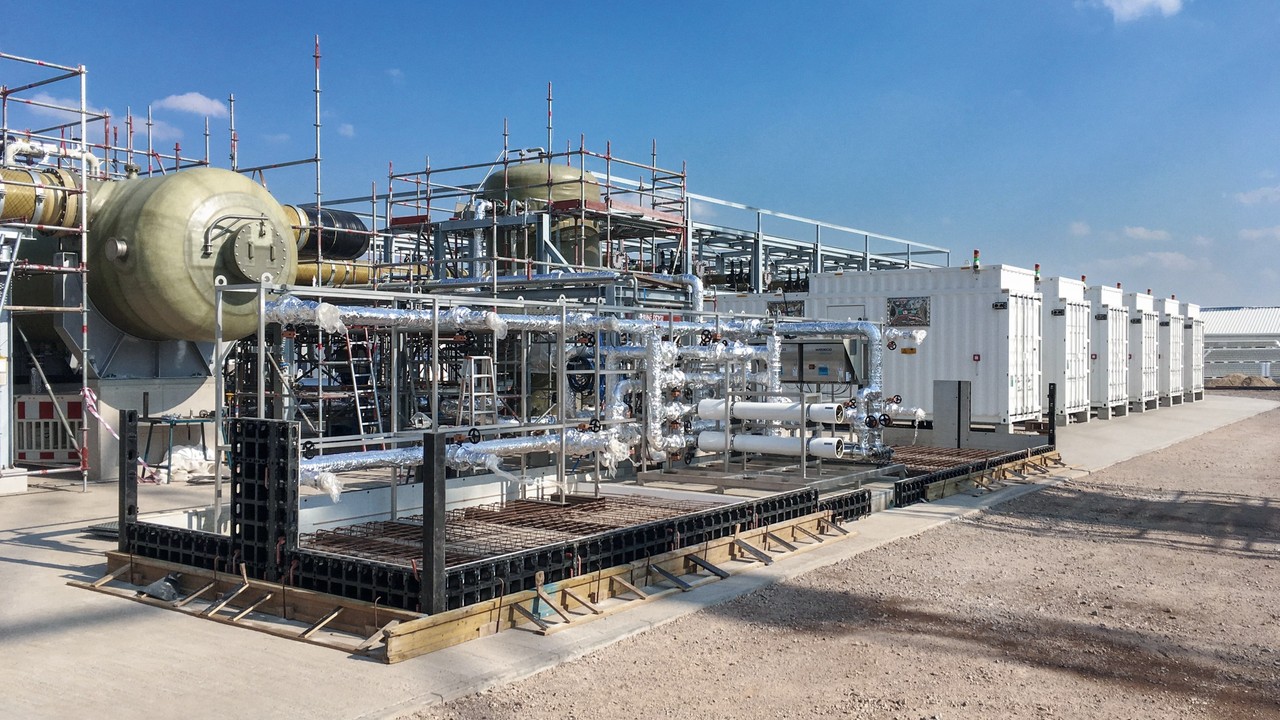
BNDES (National Bank for Economic and Social Development) will finance and implement a CRI GEO Biogas plant, dedicated 100% to the production of biogas and electricity from biodegradable waste. The plant is being developed in the municipality of Elias Fausto, located within the industrial region of Campinas, in the State of São Paulo.
The financing from the bank to the company will be about R$ 44 million, which is approximately 80% of the total investment of R$ 56.2 million. The resources will be provided by the National Fund on Climate Change (FNMC), under the Climate Fund Program, complemented by BNDES’s own funding.
The new biogas and energy plant will consist of two biodigesters, a gasometer, and generator sets, and will have a total installed capacity of 2.15 MW for electricity generation, as well as a capacity to produce 4.5 million m³ of biomethane (purified biogas) annually, in addition to over 9,000 tons of organic fertilizers per year. The plant is expected to start operations in March 2024.
-
Fired during apartheid and with a little borrowed money, an electrician started with a borrowed truck and transformed electrical services into a group connected to energy, real estate, and infrastructure in South Africa.

-
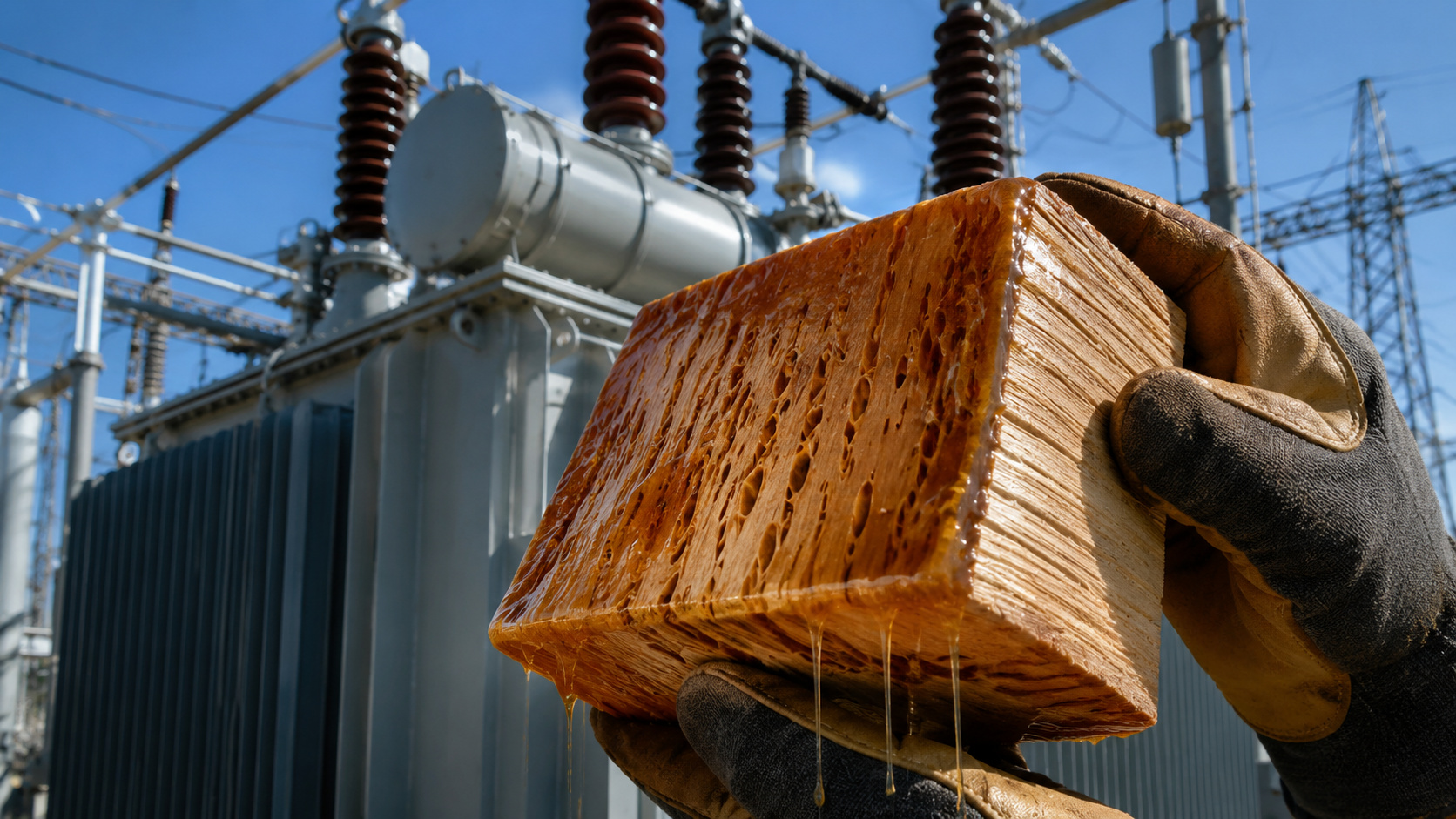
Wood has ceased to be just a construction material in Yale research and has become insulation for electrical transformers that face intense heat, aging, and increasing pressure from the renewable energy-powered grid.
-
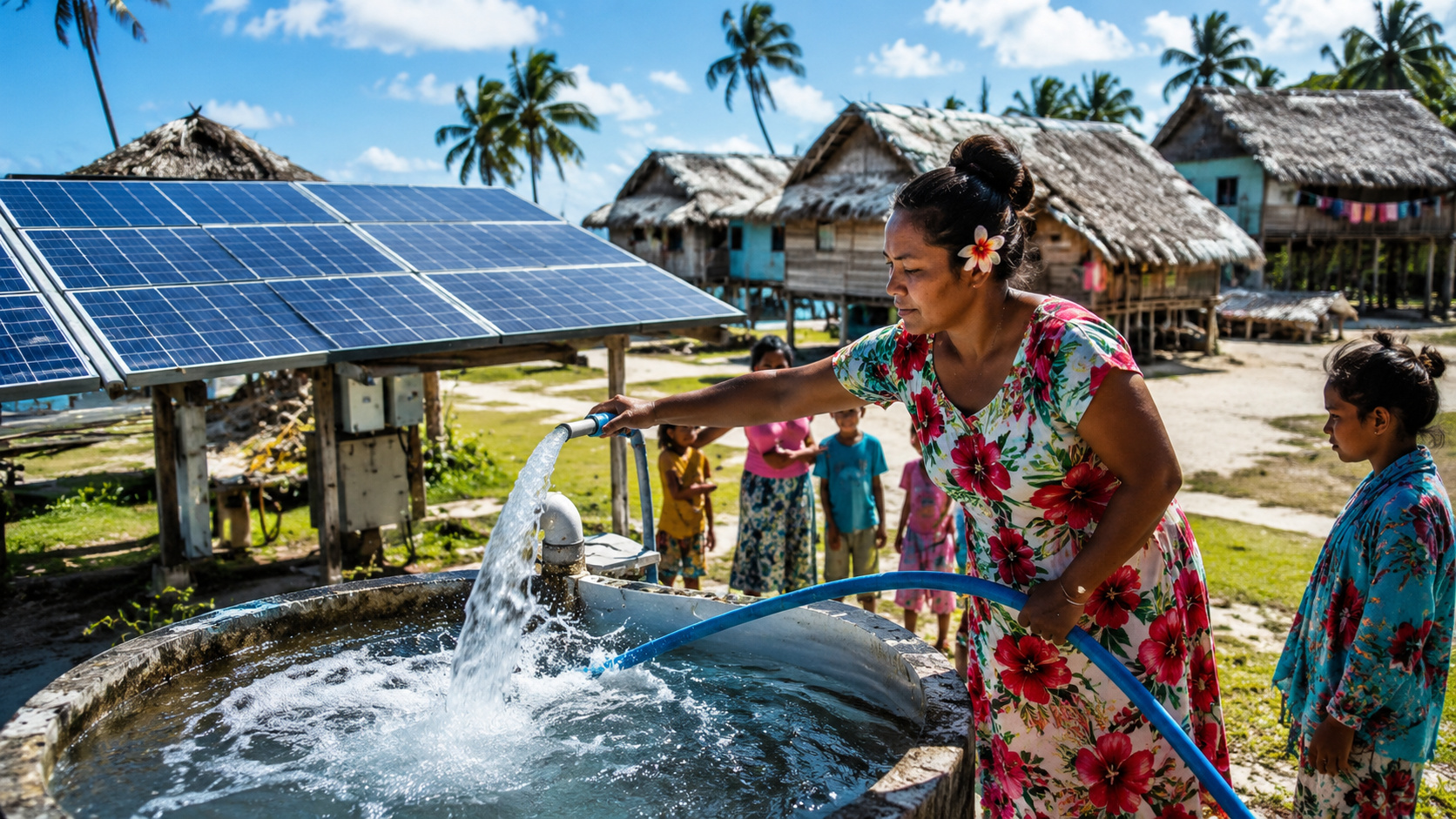
More than 1,000 residents of a remote island in Kiribati now have clean water and electricity with solar systems operated by the community itself.
-
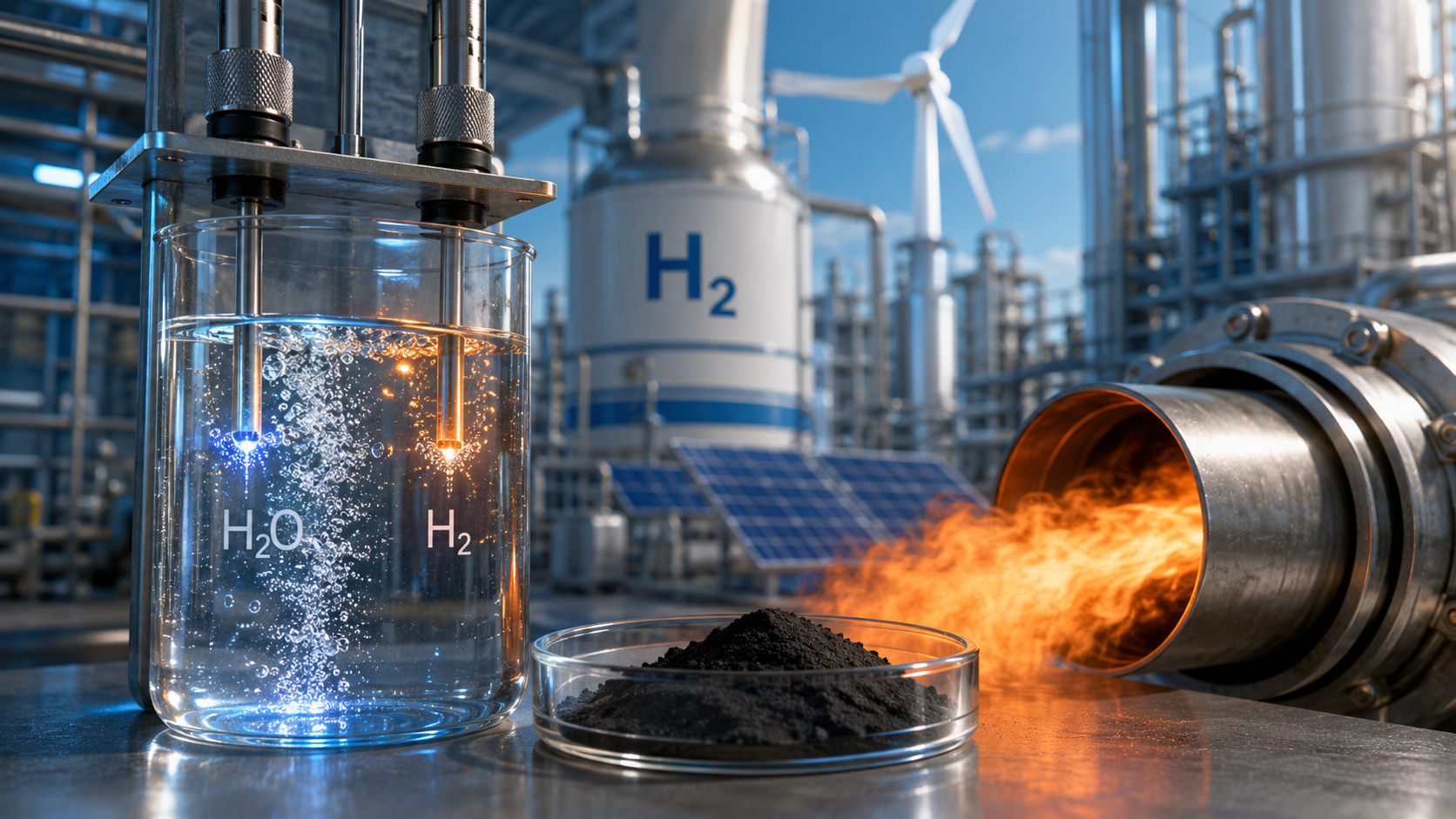
Ceará brings together 7 giants and R$ 66 billion to transform Pecém into the largest green hydrogen hub in Brazil, with final decisions expected by the end of 2026.


WHAT IS BIOGAS?

New Plant Will Help in the Utilization of Biofuels
This new plant will contribute to reducing climate change and will also promote the use of biofuels in place of diesel and fossil-derived natural gas. It is estimated that the CO2 emissions avoided over the 20-year lifespan of the project will reach 1.76 million tons, which is equivalent to the emissions generated by 44,000 vehicles operating during that same period.
The project will reuse biodegradable waste from industries located near the plant. Thus, in addition to ensuring the safe disposal of the material, the project will also promote the capture of methane (a greenhouse gas 34 times more harmful in the atmosphere than CO2) that would be emitted from the decomposition of organic waste.
Regarding the electricity that will be produced, part of it will be consumed by CRI GEO Biogas itself, while the rest will be injected into the local utility’s distribution network. The developed biomethane could replace the diesel consumed by the fleet of CRI GEO Biogas, in addition to being sold to industries that currently use fossil fuels such as natural gas, LPG, and diesel. Meanwhile, the organic fertilizer, a 100% organic byproduct produced in the system, will be used as fertilizer in the agricultural areas of the region.