






 Portuguese
  Spanish


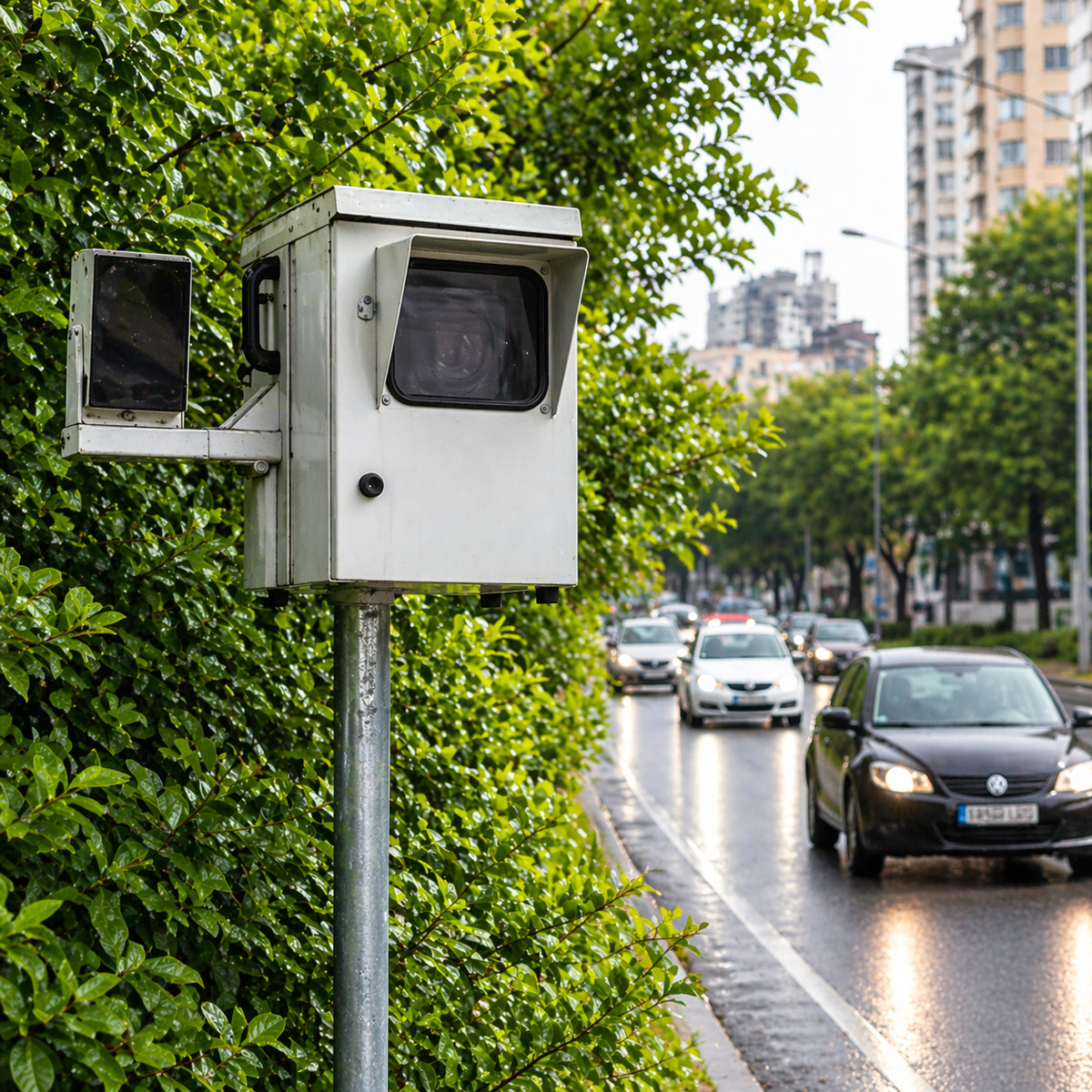
Project advances to increase transparency in traffic, limits radar use, and changes rules affecting millions of drivers nationwide
The discussion about ending hidden speed cameras gained momentum in Brazil after a project was approved by the Chamber of Deputies’ Committee on Roads and Transportation.
The proposal establishes clear limits for “covert enforcement,” creates more transparent new traffic rules, and could directly affect the daily lives of millions of drivers across the country.
In practice, the text aims to amend the Brazilian Traffic Code by requiring greater visibility of speed cameras, mandatory technical studies, and public disclosure of information. The intention is to make the system more educational, reducing the perception that enforcement is solely for revenue collection.
-
Ancient 4,000-Year-Old City in Brazil Grew Wealthier and Reduced Inequality, Study Finds

-
Lost Page from Archimedes Palimpsest Resurfaces in French Museum After Decades, May Reveal Hidden Mathematical Calculations with X-ray and Multispectral Imaging
-
Brazilian Education Ministry Announces Tech Benefits for Teachers, Providing Smartphones, Notebooks, and Tablets to Enhance Digital Learning and Professional Development
-
Woman Stranded for Six Months in Brazilian Airport After Losing Passport and Ticket, Faces Agonizing Wait to Reunite with 15-Year-Old Son at Age 56.



Prohibition of hidden speed cameras marks a structural change in traffic enforcement
The central point of the project is the end of hidden speed cameras. The proposal expressly prohibits the installation of equipment in locations that hinder its visibility, such as behind trees, poles, awnings, or pedestrian overpasses.
This change affects both fixed and portable speed cameras. This means that traffic agents will also no longer be able to use devices discreetly, a practice often associated with “covert enforcement.”
Congresswoman Rosana Valle, rapporteur of the proposal, advocated for adjustments to make the measure applicable to the reality of municipalities. According to her, the idea is to balance enforcement and traffic education, without making it impossible for responsible agencies to act.
For drivers, the change represents greater predictability. Knowing where the equipment is allows for more conscious driving, aligned with the new traffic rules.


How “covert enforcement” loses ground with new, more transparent traffic rules
The so-called “covert enforcement” has always generated debate in Brazil. Many drivers question the legitimacy of fines applied by equipment that is not easily visible.
With the new project, this practice tends to lose strength. The requirement for radar visibility and standardization of installation create a more transparent environment.
Among the main expected effects are:
- Reduction of unexpected citations
- Greater driver confidence in the enforcement system
- Incentive for preventive driving, not just punitive
The new traffic rules reinforce the idea that the objective of enforcement should be road safety, not surprising the driver.

Electronic speed display panels enter new traffic rules and impact drivers
Another important highlight is the mandatory use of electronic panels on certain roads. In locations with two or more lanes in the same direction, speed cameras must display the vehicle’s speed at the moment of passage.
This measure not only eliminates the logic of hidden speed cameras but also reduces dependence on “covert enforcement.” Drivers will now receive immediate feedback on their speed.
However, adjustments were made to the original text. The requirement will not be universal. The rapporteur chose to limit the obligation to avoid high costs, especially in smaller cities.
For drivers, the impact is direct:
- Greater awareness of real-time speed
- Possibility of immediate driving correction
- Reduction of unexpected penalties
These changes reinforce the educational nature of the new traffic rules.
Mandatory technical studies bring more control over hidden speed cameras and “covert enforcement”
One of the most relevant points of the project is the requirement for technical studies before the installation of any speed camera. This means that traffic authorities will need to justify, with data, the necessity of each piece of equipment.
Furthermore, the publication of this information online will be mandatory, including:
- Exact location of speed cameras
- Date of last verification
- Technical justification for installation
These measures increase social control over the use of equipment and hinder practices associated with hidden speed cameras and “covert enforcement”.
Another important point is the requirement for certification by Inmetro, ensuring that the devices are functioning correctly.
For drivers, this represents greater legal certainty within the new traffic rules.
Minimum distance between equipment alters enforcement logic for drivers
The project also defines clear criteria regarding the distance between speed cameras. Portable equipment cannot be installed too close to fixed speed cameras.
The established distances are:
- 500 meters in urban areas
- 2 km on highways
This standardization reduces the possibility of multiple consecutive fines, something frequently criticized by drivers.
By limiting this practice, the project weakens strategies associated with hidden speed cameras and “covert enforcement”, promoting greater balance in the new traffic rules.
Text adjustments avoid high costs and expand the scope of the new rules
During the analysis of the project, some requirements were reviewed. The original version foresaw, for example, the mandatory use of intermittent lights on all speed cameras, in addition to electronic panels.
These points were modified to prevent municipalities from facing financial difficulties. Congresswoman Rosana Valle considered that high costs could make the application of the measures unfeasible.
As a result, the final text maintains its focus on combating hidden speed cameras and “covert enforcement”, but with greater practical viability. For drivers, this increases the chances of real implementation of the new traffic rules across the country.
The path to becoming law and the real impacts for drivers in Brazil
Despite the progress, the project is not yet law. It is being processed on a conclusive basis and needs to pass through the Constitution and Justice and Citizenship Committee.
After that, it will proceed to a vote in the Chamber of Deputies and the Senate. Only then can it come into force.
If approved, the impact is likely to be broad. Millions of drivers may notice changes in how they are monitored, especially with the end of hidden speed cameras and the reduction of “covert enforcement”.
What changes in practice with the end of hidden speed cameras in daily life
The approved proposal points to an important transformation in traffic enforcement in Brazil. By limiting the use of hidden speed cameras and reducing “covert enforcement”, the project seeks to make the system fairer and more transparent.
The new traffic rules bring relevant advances, such as the mandatory nature of technical studies, the public disclosure of information, and the standardization of equipment installation.
For drivers, the scenario tends to be more predictable. Enforcement continues to exist, but with clearer and more accessible rules. This can contribute not only to the reduction of questioned fines but also to safer and more conscious traffic.
Ultimately, the proposal reinforces a simple idea: when drivers understand the rules and trust the system, they tend to respect the laws more and contribute to a more balanced road environment.
Source: Chamber News Agency


Be the first to react!