






 Portuguese
  Spanish


FutuRaM Project, funded by the European Union, mapped 42 critical raw materials in 31 countries and showed that waste from electronics, batteries, buildings, and turbines can enhance lithium recovery, reduce imports, and avoid millions of tons of CO2 per year by 2050.
FutuRaM Project, funded by the European Union, mapped 42 critical raw materials in 31 countries and showed that waste from electronics, batteries, buildings, and turbines can reduce imports, enhance lithium recycling, and avoid millions of tons of CO2 by 2050.
Europe can recover more than 55 thousand tons of lithium per year by 2050 if it transforms discarded electronics, used batteries, demolished buildings, and old wind turbines into a strategic urban mine for its industry.
Lithium is at the center of the new European urban mine
The survey was developed by the FutuRaM project, funded by the European Union, to measure the future availability of secondary raw materials. The research mapped 42 critical raw materials in 31 European countries, gathering data on waste already present or expected in disposal streams.
-
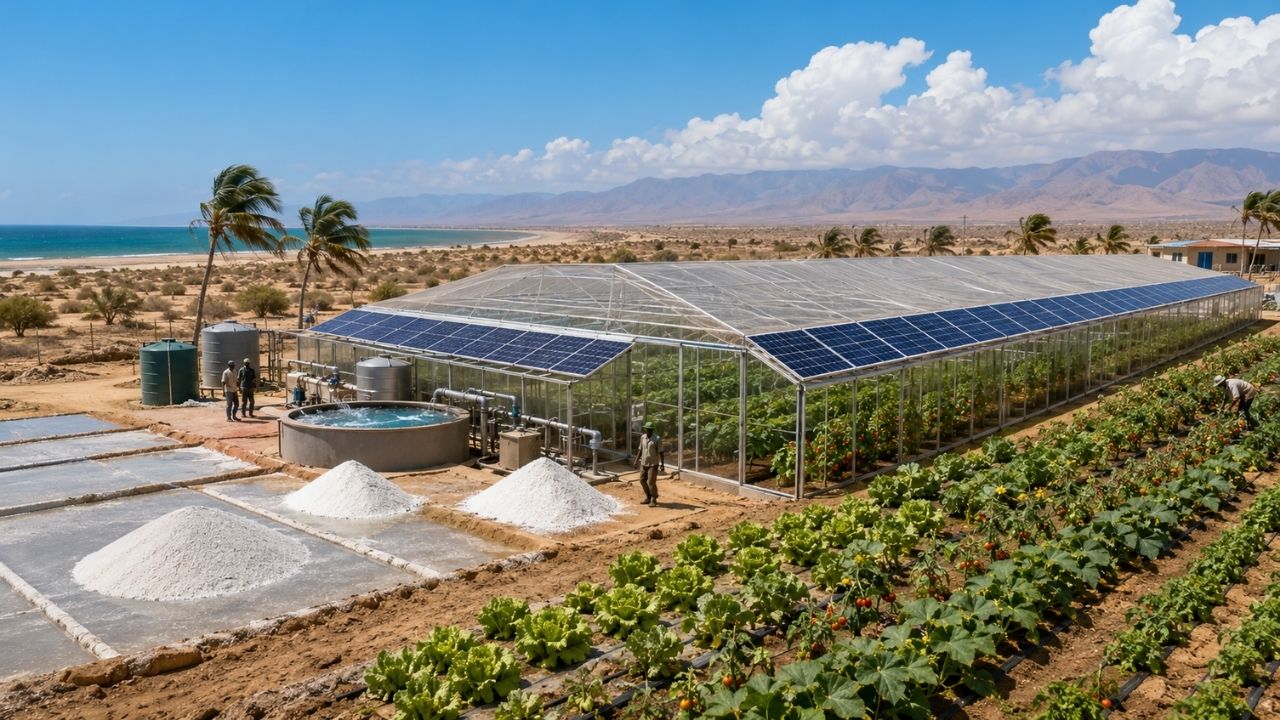
In Somaliland’s Desert, Greenhouse Uses Sun and Seawater to Grow Lettuce, Cucumbers, and Tomatoes Without Rain: 1-Hectare Project Cools Crops, Desalinates Water, and Converts Brine into Commercial Salt

-
Trump Unveils $400 Million Boeing 747 Donated by Qatar as Temporary Air Force One Amid Boeing Delays, Sparking Debate on National Security, Costs, and Foreign Influence
-
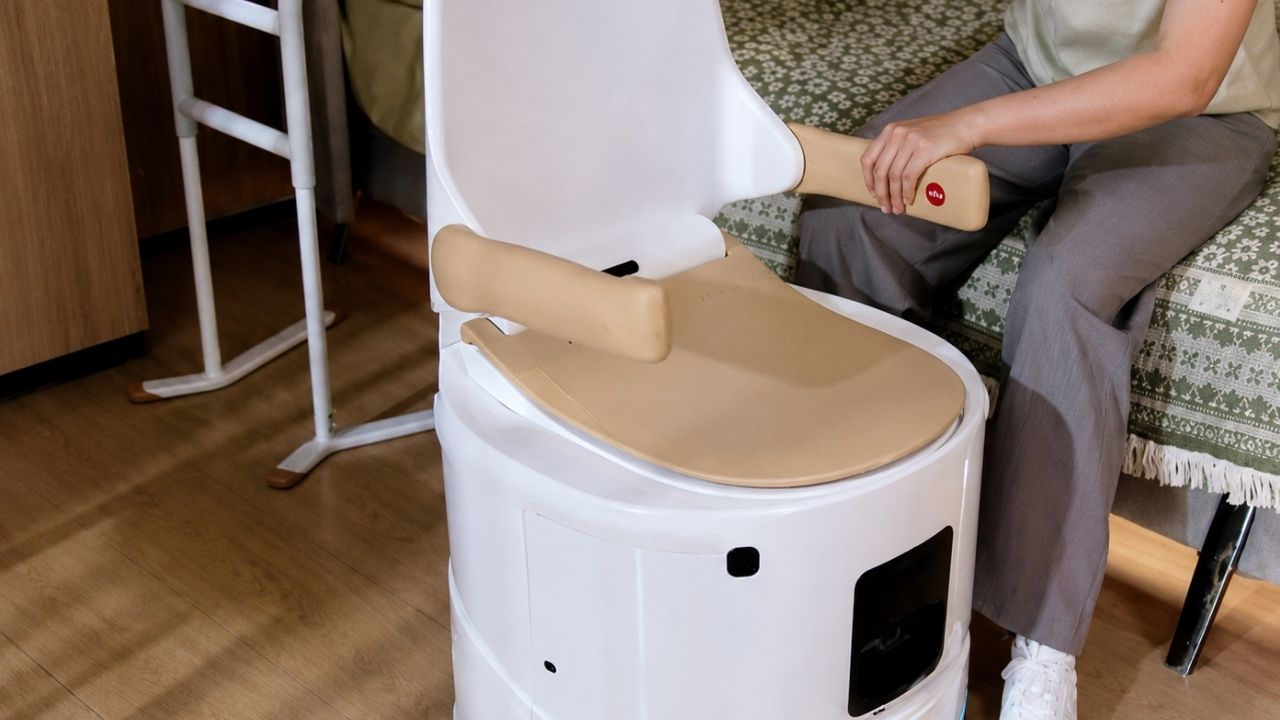
Chinese Company Unveils Robotic Toilet That Comes to You, Featuring Lidar Sensors, Voice Command, Bidet, Hot Air Drying, UV Light, and Self-Cleaning Waste Disposal
-
Rotterdam Develops Floodable Square to Absorb Nearly 2 Million Liters of Rainwater, Doubling as Sports, Theater, and Leisure Space When Dry to Combat Urban Flooding


The inventory shows that products placed on the European market carried 5.7 million tons of critical raw materials in 2022 alone. Of this total, 1.5 million tons were recovered, while a large part was lost in illegal routes, misaligned recycling, or exports as second-hand items.
The difference reveals an industrial fragility. Crucial materials for electric vehicles, batteries, and renewable energy still heavily depend on external suppliers. The mapping indicates that urban waste can become a relevant source to reduce this exposure, provided there is more efficient collection, tracking, and refining.

Recovery can replace up to 56% of primary resources
By 2050, advanced recovery systems could extract between 4.5 million and 6.2 million tons of critical raw materials per year from European waste. In a complete circular economy scenario, this volume could replace up to 56% of the continent’s primary resource needs.
The potential grows with digitalization, electrification, and the expansion of renewable energies. These sectors bring to the market products rich in strategic components, which then return as electronic waste, spent batteries, dismantled structures, and out-of-use industrial equipment.
In the case of lithium, the change would be significant. Annual recovery could rise from less than 1,102 tons currently to more than 55,115 tons by 2050. Cobalt could also have forty times more recycling, while nickel would exceed 188,495 tons annually.
Less importation and lower climate pressure
External dependency is one of the central points of the debate. China dominates the rare earth market, the Democratic Republic of the Congo concentrates cobalt supply, and South Africa has a dominant position in platinum. Internal recovery would change part of this logic.
The environmental impact also appears among the main gains. Recycling, instead of mining, could avoid up to 300 million tons of CO2 emissions per year by mid-century, a volume compared to Spain’s annual carbon footprint.
To achieve this result, the project highlights the need to correct structural leaks. This includes improving domestic collection, expanding tracking systems, strengthening regional refining capacities, and avoiding the export of partially processed resources, such as black mass from batteries.
The Urban Mines Platform gathers the survey data, while the SARA4UNFC tool standardizes the waste assessment in technical, economic, social, and environmental criteria.
The European challenge now is to treat these discards as strategic inputs, capable of sustaining essential industrial chains and ensuring the economic security of the European continent in the coming decades as well.





Be the first to react!