






 Portuguese
  Spanish


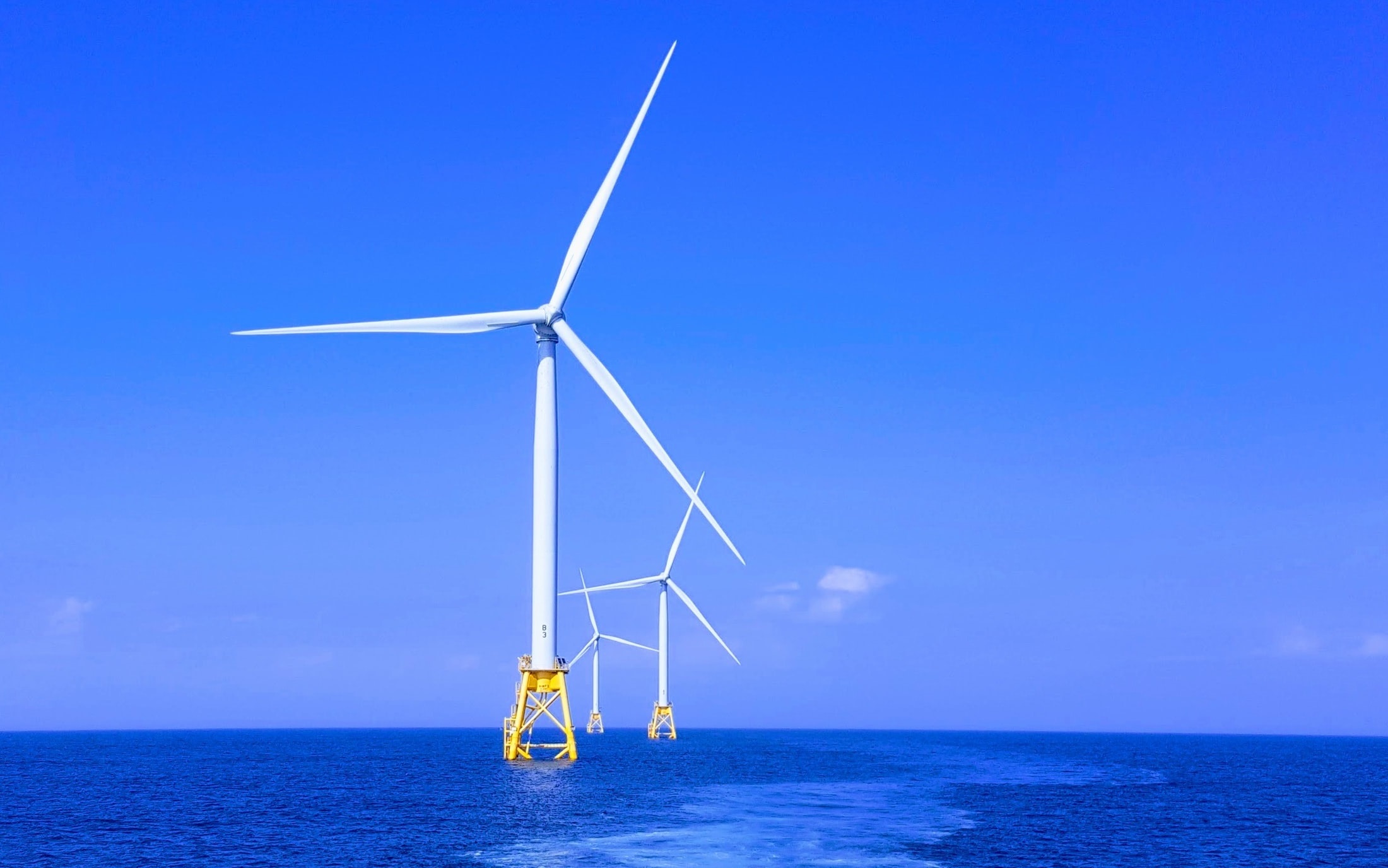

Wind Farms Close to One Another Can Hinder Offshore Wind Energy Generation
The use of clean energy is growing worldwide. As a result, new investments from governments and companies in the sector will continue to rise on the planet over the coming decades. However, it is necessary for investments to be made correctly, where scientific studies are essential for making the best choices. A recent study proposed an important factor that may hinder offshore wind energy generation due to the proximity of wind farms.
A study led by Naveed Akhtar, from Helmholtz-Zentrum Hereon in Germany, highlights that offshore wind energy production may be hindered due to the proximity of offshore wind farms to one another. The study took place in Germany, where there are offshore wind plants equivalent to 8 nuclear power plants. However, as space at sea is limited, it is sometimes necessary to install plants close to each other.
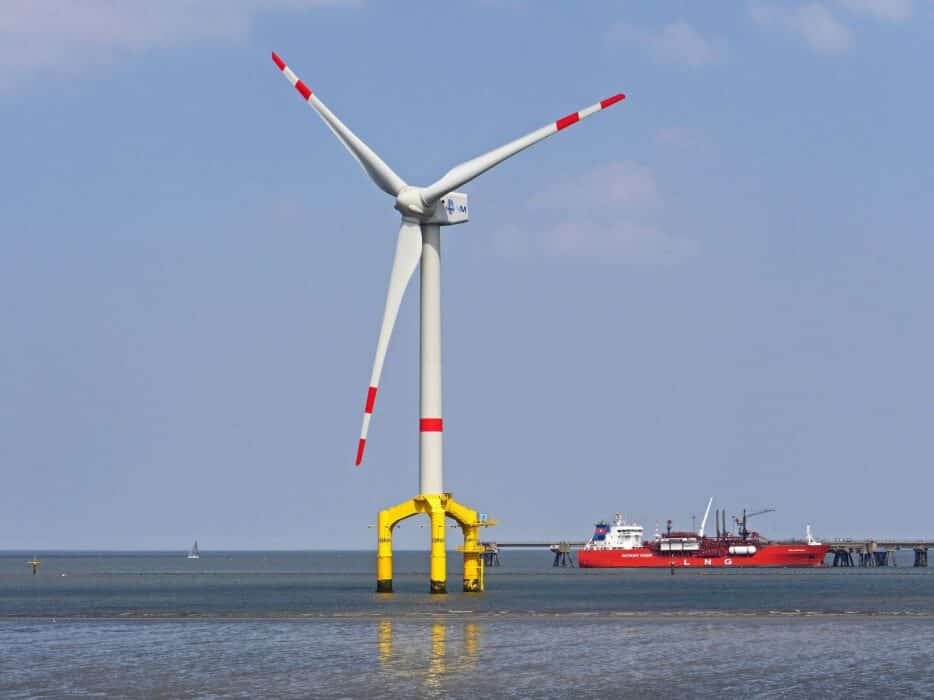
The study published by Nature Scientific Reports emphasizes that the braking effect results in low large-scale wind patterns. Researchers observed a reduction of 20 to 25% in electricity production in neighboring wind farms. The wind farm can be up to 40 km away.
-
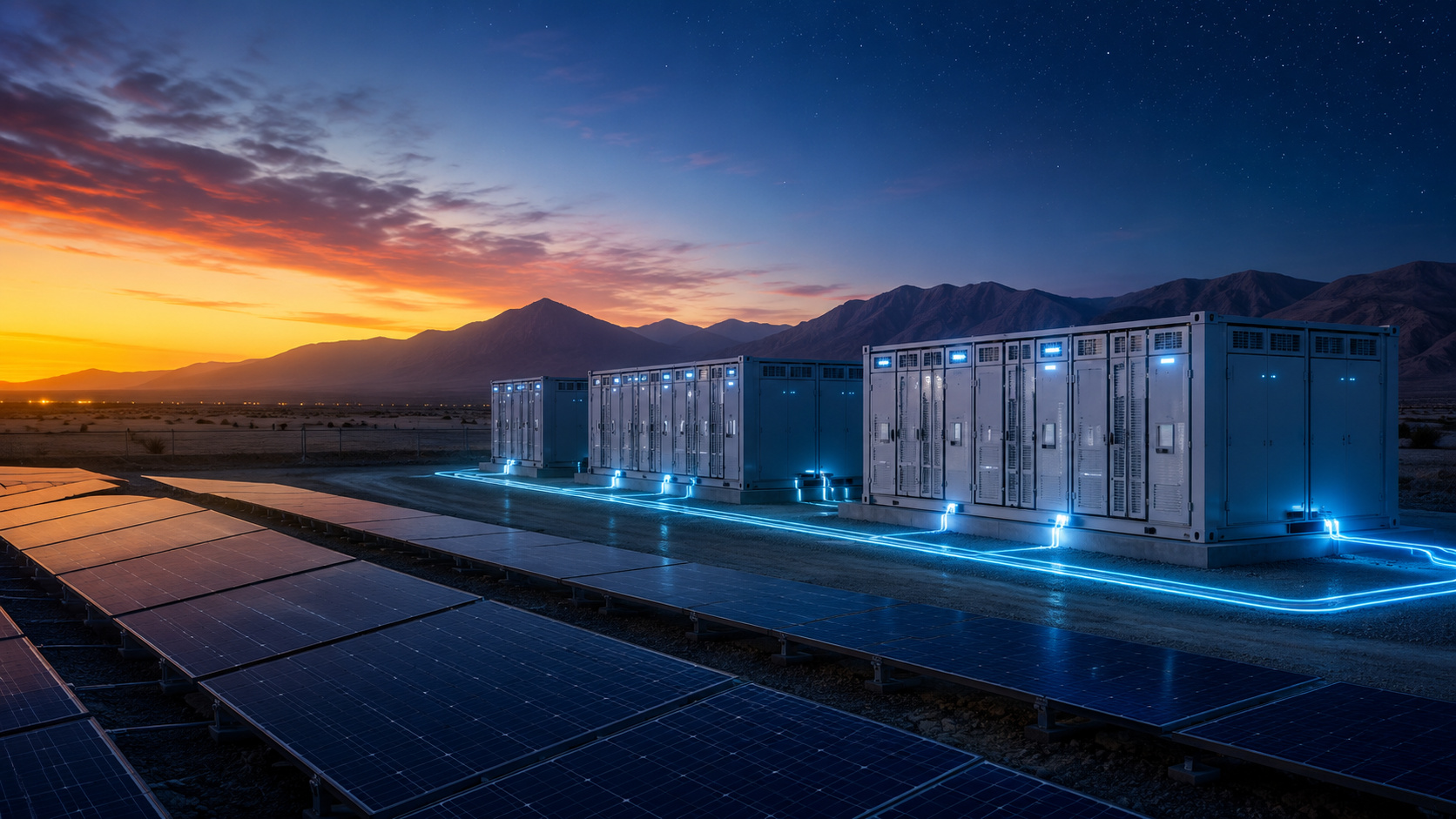
Giant Batteries Take Center Stage in Chile Auction as Company Offers 960 GWh of Solar Energy for Nighttime Use, Aiming to Stabilize Solar Power Supply

-
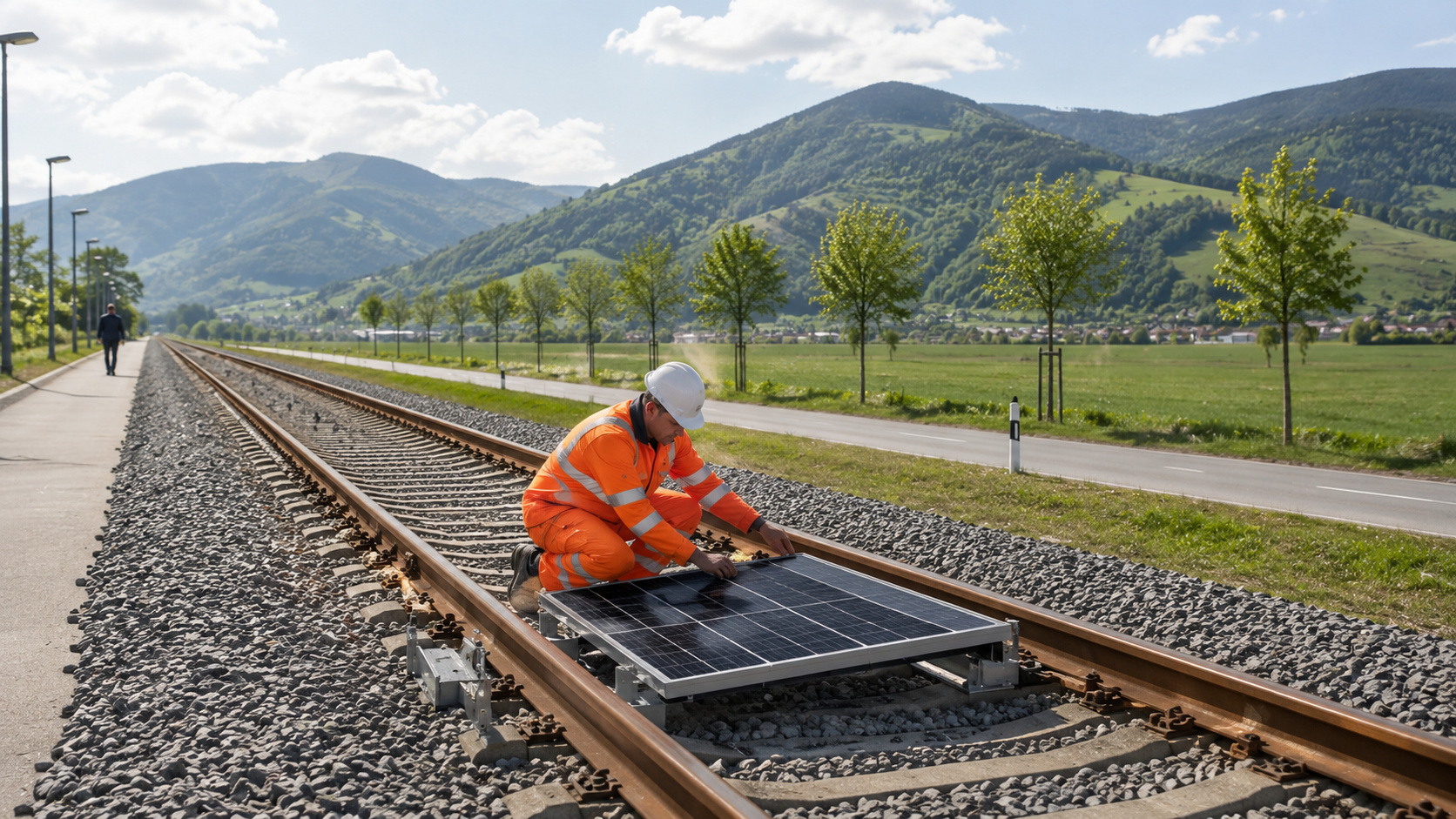
After a Year of Success in Switzerland, Solar Railway Attracts Italy’s Interest for Clean Energy Transformation
-
Robots Clean Solar Panels in Desert Power Plants Without Water, Preventing Energy Losses
-
Brazil’s Offshore Wind Energy Potential Worth $1 Trillion Stalled by Long-Delayed Agreement



The study took a total of 10 years observing the winds in the North Sea, off the coast of Germany. The research used the COSMO-CLM model, which is also widely used by meteorological services, to calculate the average wind speed over 10 years.
“Our results clearly show that we will face a reduced wind pattern at sea, which shows higher intensity during stable weather conditions, usually the case in March and April. In stormy times, on the other hand – especially in November and December – the atmosphere is so mixed that the effects of the wind farm’s wake are relatively small,” the researchers stated in a press release.
Scientists Will Also Begin Studying the Effects of Offshore Wind Farms on Marine Life
Scientists will also begin to study the effect of reduced winds on marine life and how it affects them. The world is expected to increase the use of wind energy to huge numbers in the coming decades. In the United States, for example, President Biden announced the construction of the country’s first large offshore wind farm.


