Portuguese
  Spanish


Magma Drilling: An Ambitious Plan to Take Geothermal Energy to Supercritical Levels. Learn About the Krafla Magma Testbed Project and Its Revolutionary Advances.
The Krafla Magma Testbed project promises to revolutionize geothermal research and renewable energies, opening new possibilities for efficient clean energy production. The Krafla Magma Testbed (KMT) could be to geoscientists what the Large Hadron Collider has meant to particle physicists.
This is claimed by the researchers working on this innovative effort, whose aim is to drill into a magmatic chamber to explore the massive geothermal potential.
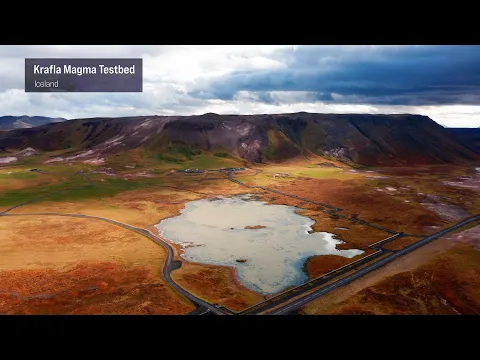

Magma Drilling: A Risky Plan to Take Geothermal Energy to Supercritical Extremes
In 2009, a research team in Iceland drilled into the ground above a known volcano. The original plan was to drill to a depth of 4.5 km, well above an identified magmatic chamber. However, they encountered magma much earlier than expected, at just 2 km, where the team found an upper section of the chamber. The superheated magma obstructed the well, damaged the drill, and released toxic gases.
-
Brazilian scientists are simultaneously advancing two research projects on clean hydrogen and driving solutions that could transform the energy matrix, enhance industrial competitiveness, and accelerate large-scale emission reduction targets.

-
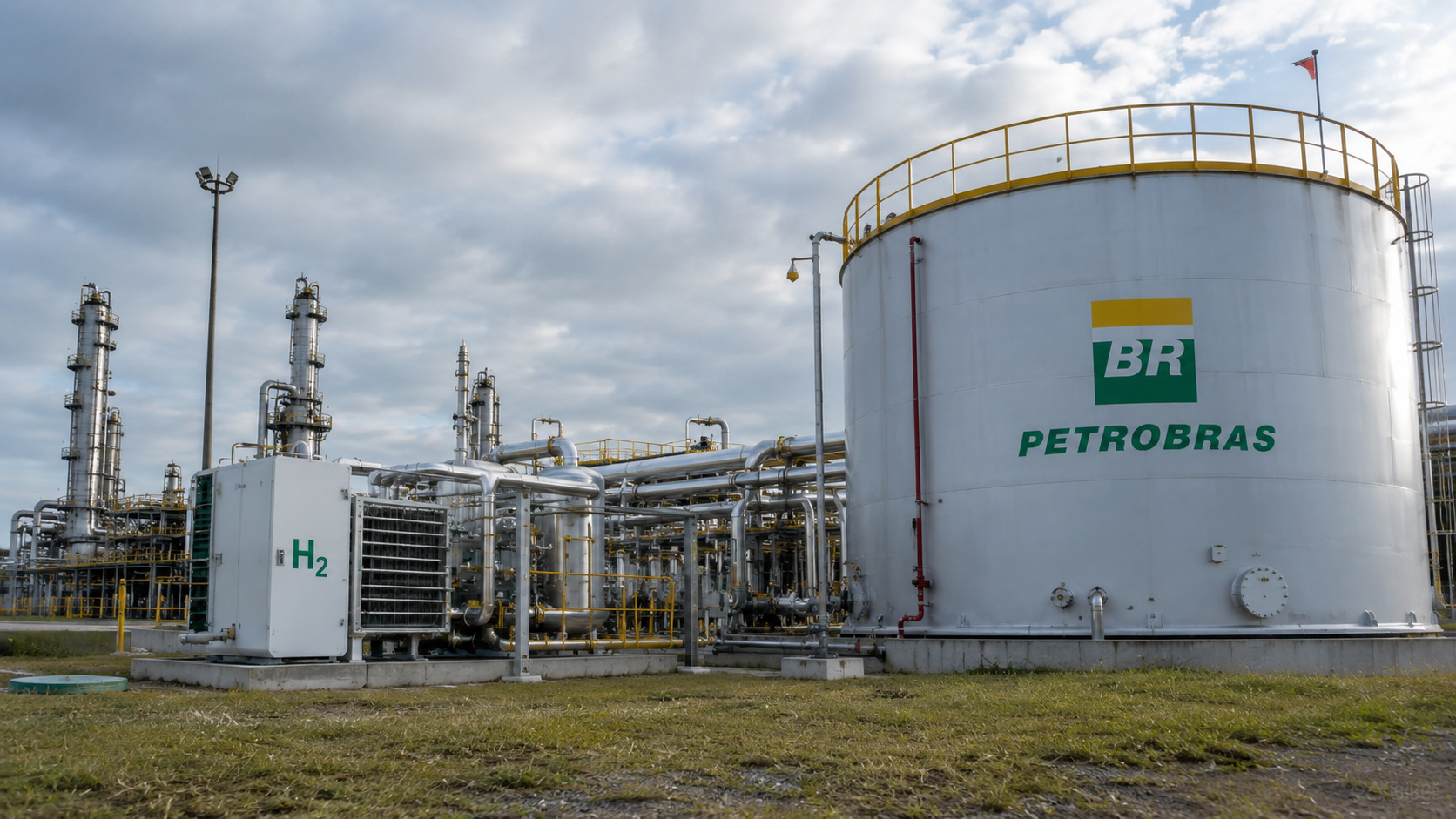
Advancement in renewable energy: A R$ 150 million project launched by Petrobras and Finep aims to create state-of-the-art electrolyzers for green hydrogen, strengthening national research and preparing Brazil to compete in a billion-dollar energy market.
-
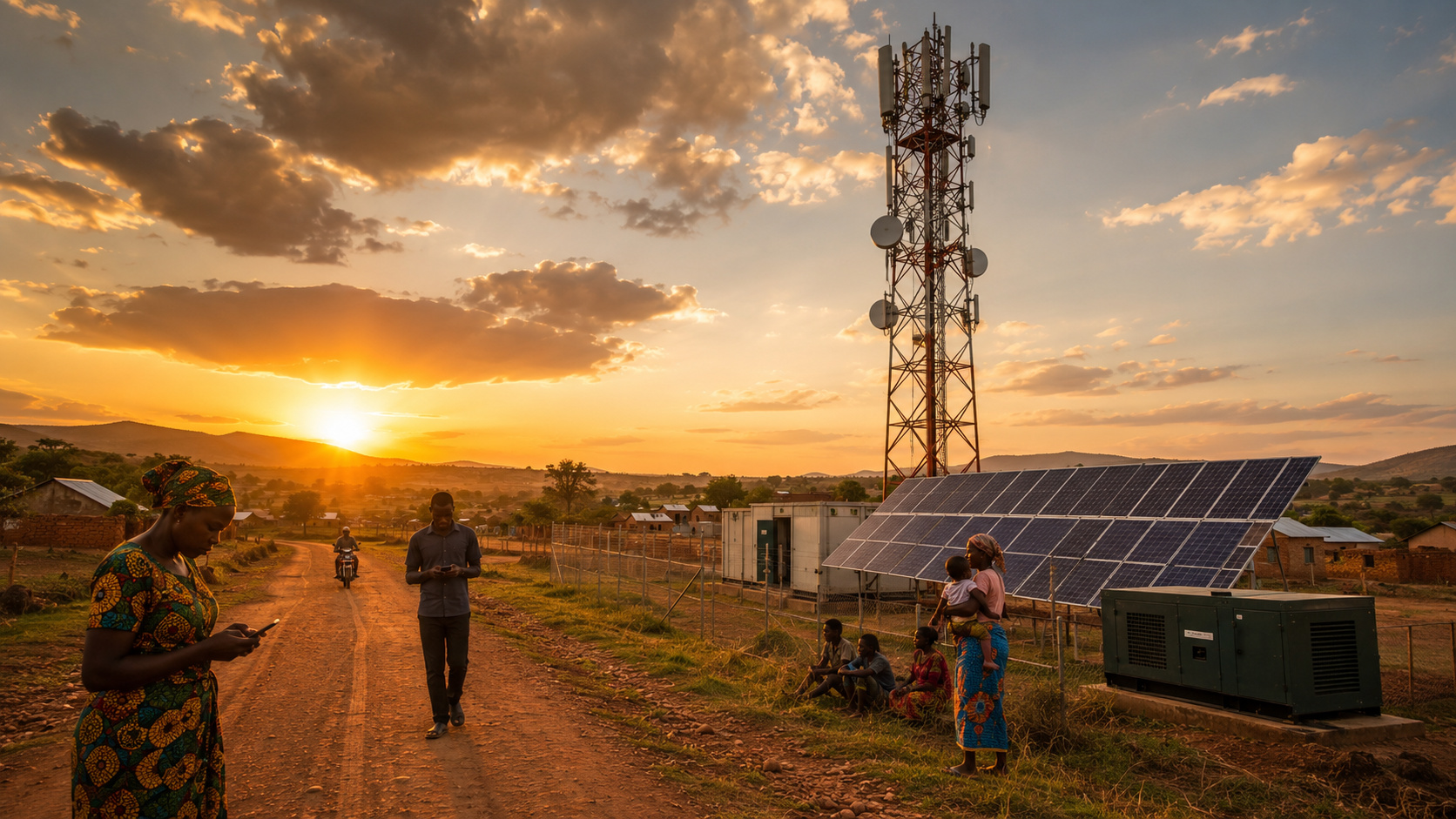
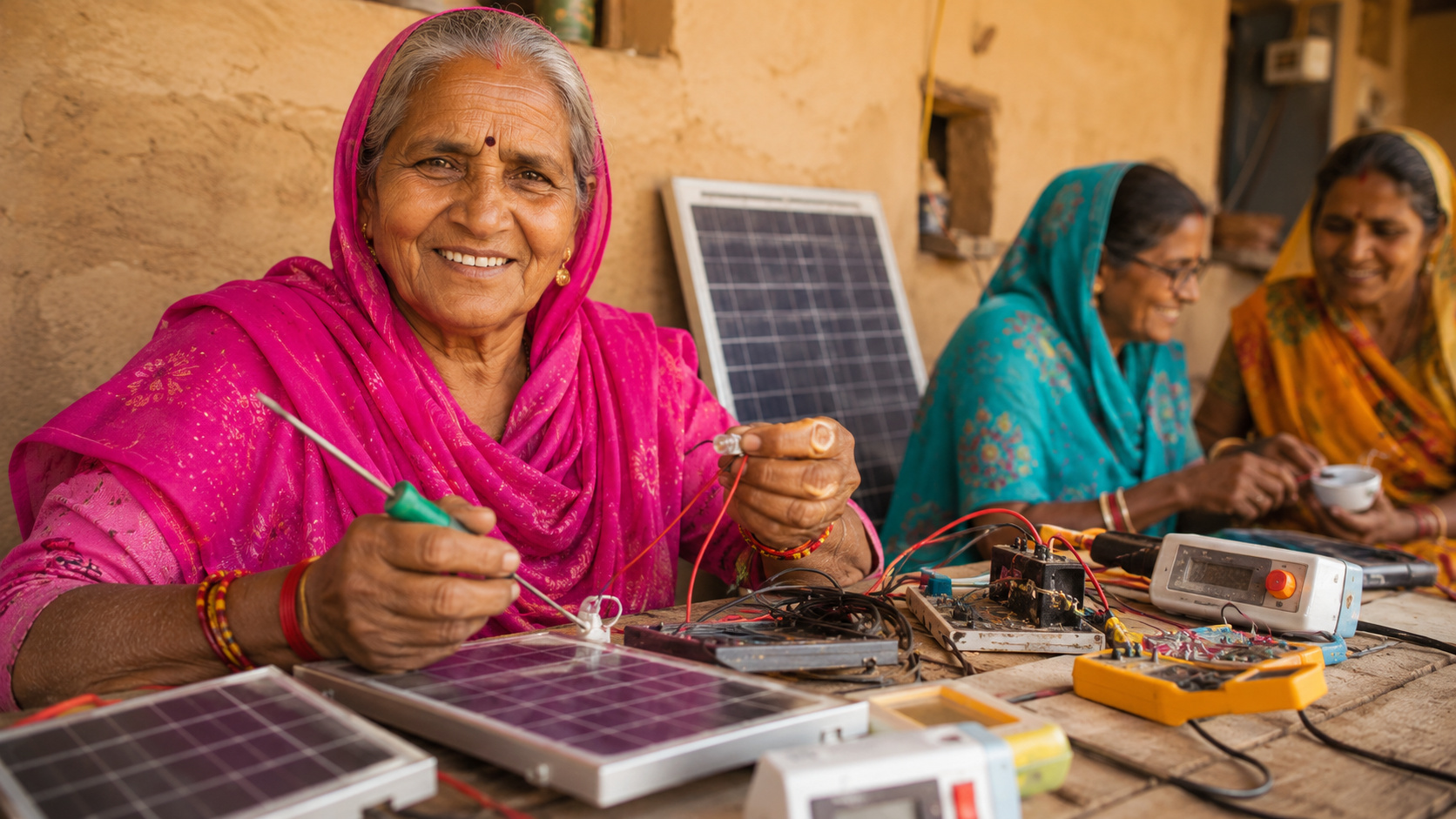
Illiterate or semi-literate grandmothers were trained to repair solar systems, open rural workshops, and light up homes that still depended on kerosene.
-
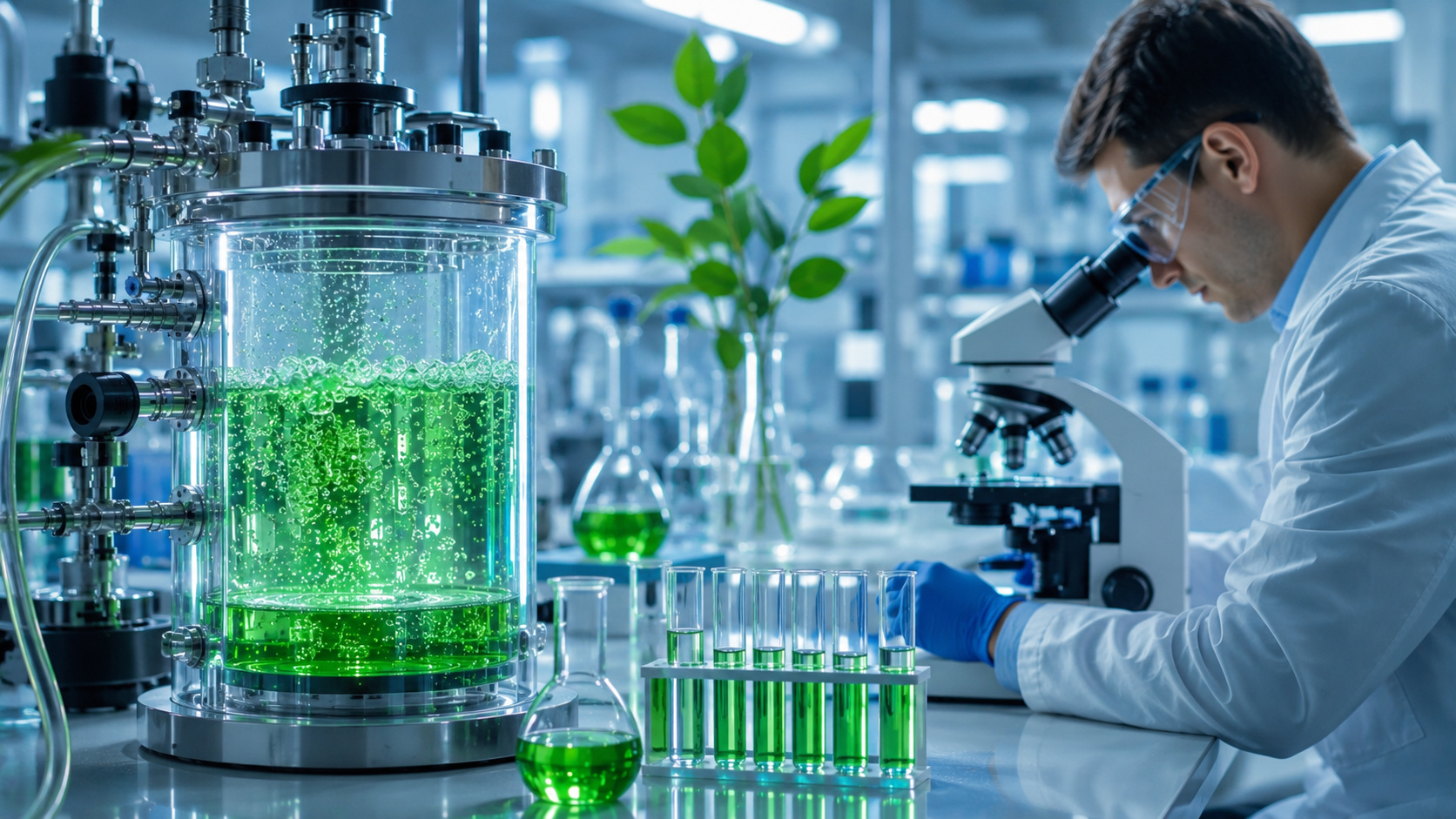
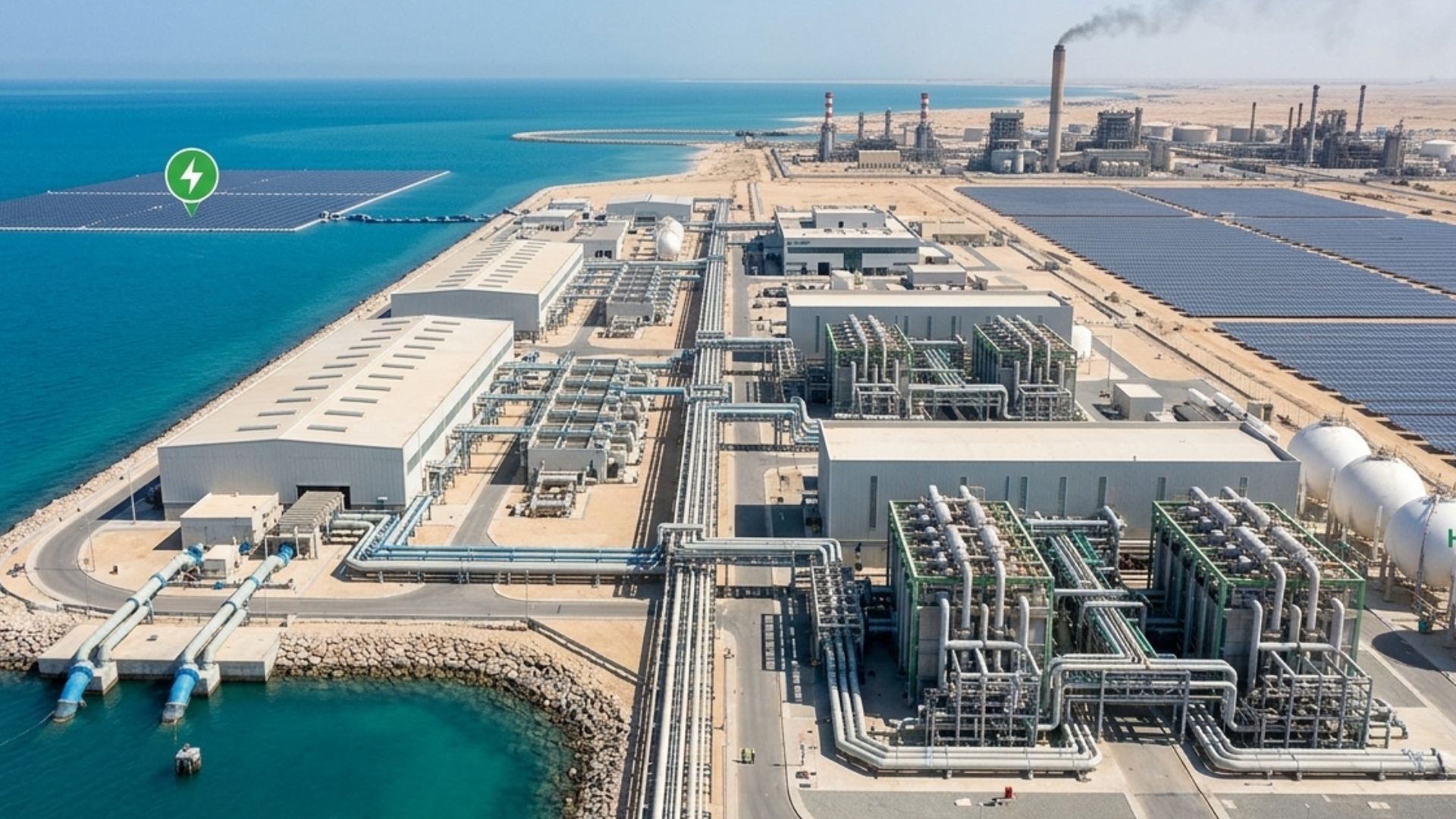
The world has bet on green hydrogen as the fuel of the future, but now faces the side effect: producing 1 kilogram requires about 9 liters of ultrapure water, and the largest projects on the planet are precisely in the driest regions of the Earth, where water is already scarce for people.

A similar project was carried out in 2014 with comparable results: the drill impacted an unexpected magmatic chamber, and acidic gases destroyed the equipment.
Future Perspective
These setbacks did not discourage the researchers. Finding magma at such a shallow depth makes it a more accessible target, offering a great opportunity to study it and harness its thermal energy in more efficient geothermal power plants.
Therefore, the team decided to continue drilling under the KMT initiative, which will be the world’s first magma observatory. With the collaboration of over 40 institutions and companies from 11 countries, the project aims to achieve three objectives:
- Magma Study: Analyze the magma and how it interacts with surrounding rocks to transfer heat from the Earth’s crust.
- Direct Observation of the Volcanic System: Observe a volcanic system firsthand with the hope of improving monitoring, prediction, and early warning techniques for eruptions.
- Supercritical Geothermal Energy Production: Harness the heat from magma to significantly improve geothermal energy efficiency.
Supercritical Water: The Key to Energy Efficiency
The appeal of magma lies in its ability to heat water to a supercritical state, when it exceeds 373 °C and is subjected to a pressure of 220 bars. This state, which is neither liquid nor gas, allows water to retain up to ten times more energy than in its normal form. Its use could transform the efficiency of geothermal production, making it a more viable clean energy source.
Two-Phase Development
Although initially scheduled for this year, Björn Þór Guðmundsson from KMT confirmed that the project start will be divided into two phases: one in 2026 and another in 2028. The first well will focus on volcanic research, and the second on energy.
New Technologies for an Extreme Challenge
KMT assures that the current equipment can withstand the extreme conditions encountered in previous attempts. Additionally, the team will work with the scientific community to develop sensors that can endure the extreme temperatures of magma, allowing for direct measurements of its behavior.
Source: kmt.is