Portuguese
  Spanish


Discover How Renewable Energy in the Northeast Transforms the Economy, Values Natural Resources, and Projects Brazil onto the Global Stage.
The renewable energy in the northeast has become one of the most important engines of Brazilian development. The region, traditionally known for its cultural diversity and climatic challenges, now holds a leading position in clean energy production.
This advancement, therefore, did not happen by chance. It results from the combination of government incentives, technological evolution, and an extremely favorable climatic scenario.
Since the early 2000s, Brazil has been seeking energy alternatives to reduce dependence on hydroelectric plants and fossil fuels. The northeast, with its intense solar incidence and constant winds, soon proved ideal for hosting large renewable energy projects.
-
Brazilian scientists are simultaneously advancing two research projects on clean hydrogen and driving solutions that could transform the energy matrix, enhance industrial competitiveness, and accelerate large-scale emission reduction targets.

-
Advancement in renewable energy: A R$ 150 million project launched by Petrobras and Finep aims to create state-of-the-art electrolyzers for green hydrogen, strengthening national research and preparing Brazil to compete in a billion-dollar energy market.
-
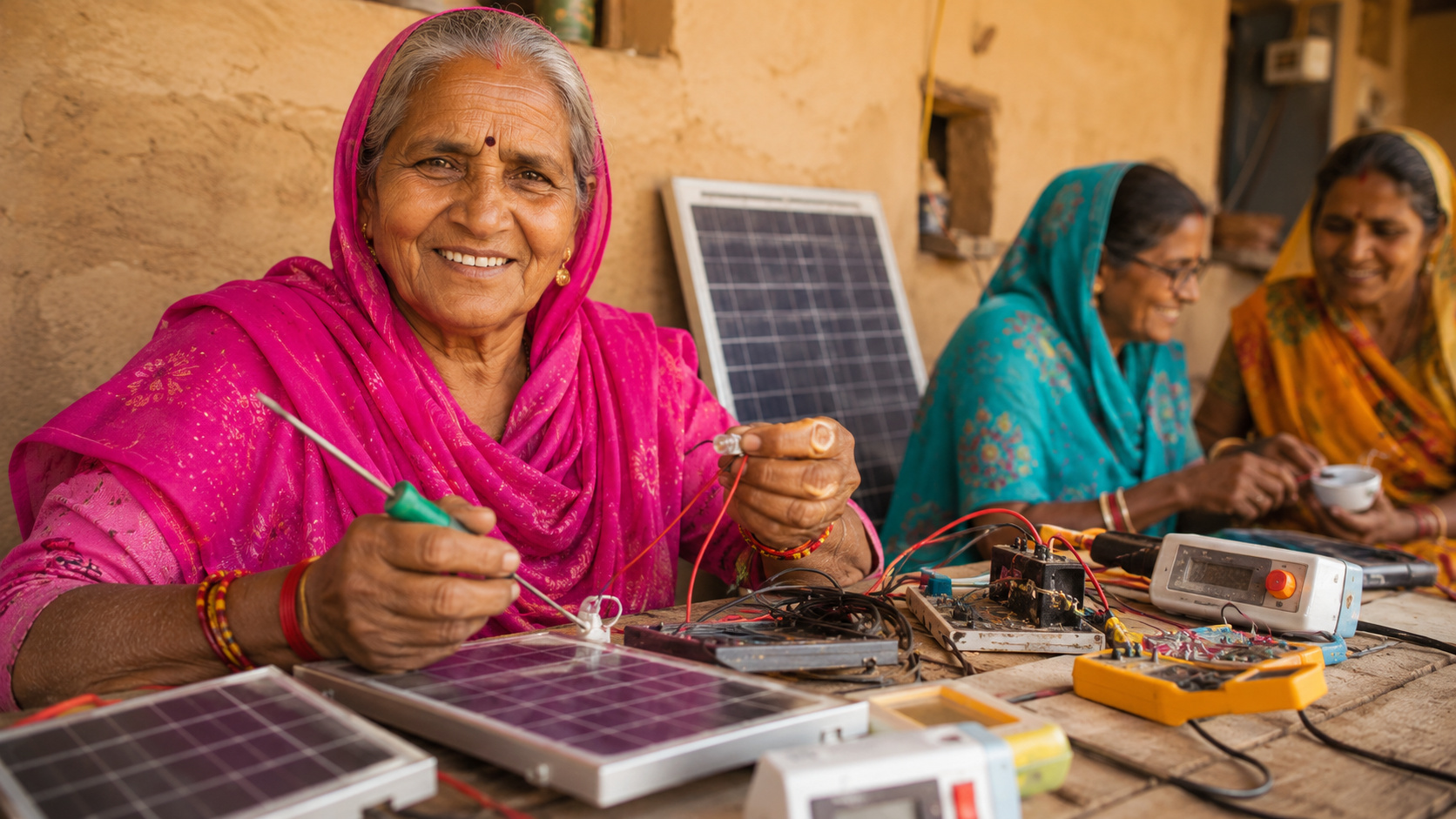
Illiterate or semi-literate grandmothers were trained to repair solar systems, open rural workshops, and light up homes that still depended on kerosene.
-
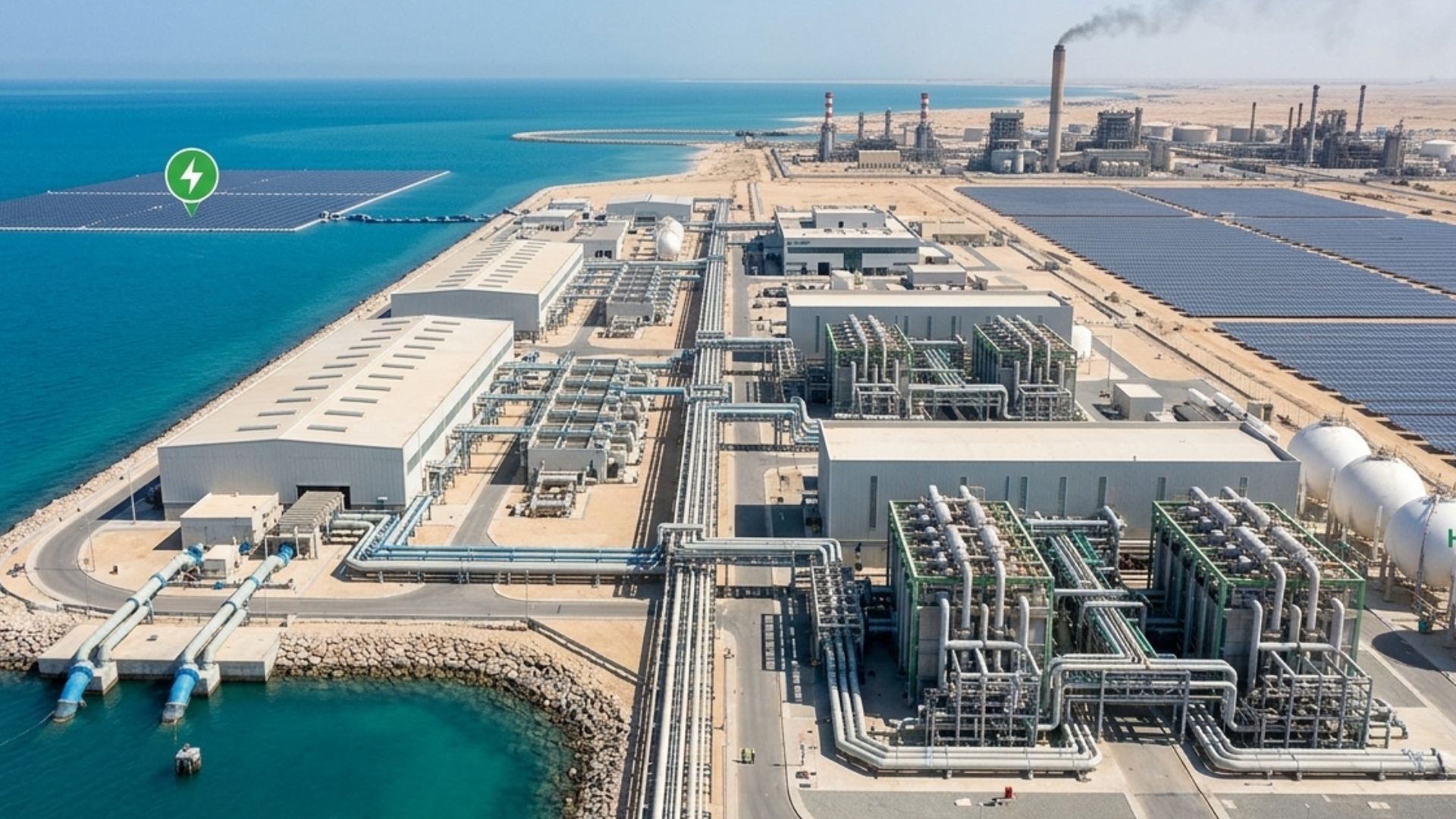
The world has bet on green hydrogen as the fuel of the future, but now faces the side effect: producing 1 kilogram requires about 9 liters of ultrapure water, and the largest projects on the planet are precisely in the driest regions of the Earth, where water is already scarce for people.



What once seemed merely an experiment became, therefore, a reality on a large scale.
Today, the northeast concentrates the largest wind farms in the country and also stands out in solar production. Thus, the transformation not only brought environmental benefits but also boosted jobs, attracted investments, and generated development in areas that previously faced economic difficulties.
Historical Context and Evolution of the Energy Matrix
Brazil built its energy matrix based on the strength of rivers. The large hydroelectric plants marked the 20th century and were symbols of progress.
However, the excessive dependence on this source brought problems. During dry periods, production decreased, and the population suffered from blackout risks.
Due to these weaknesses, the search for energy diversity gained momentum in the 1990s, when crises in the sector revealed the country’s vulnerability.
The northeast, often seen as a region challenged by droughts, proved to be strategic. The constant wind blowing along the coast and the abundance of sun in the hinterland began to be valued as reliable sources of energy.
It was in this scenario that the first wind farms emerged, driven by public policies and energy auctions.
Shortly after, solar panels also gained ground, taking advantage of the high solar radiation levels present throughout the year. Thus, what seemed distant became a natural path for strengthening the national energy matrix.
Renewable Energy as an Economic Engine
Investments in renewable energy in the northeast, in addition to reinforcing the national energy matrix, also dynamize the local economy.
Municipalities that previously depended on subsistence agriculture began to receive plants, roads, and new services. Thus, the arrival of infrastructure attracted professionals, increased tax revenues, and created new business opportunities.
In addition to the direct job creation in the construction and maintenance of the parks, related productive chains emerged, such as transportation, hospitality, and commerce.
This multiplier effect helped to reduce regional inequalities and strengthened the northeast’s role in the Brazilian economic landscape.
Another relevant point is energy export. Northeastern states can now generate surpluses that are transmitted to other regions of the country.
Consequently, this condition reinforces the region’s image as a protagonist in the energy transition and ensures security for national supply.
The Role of Technology and Innovation
The expansion of renewable energy only became possible with technological advances.
The wind turbines have evolved into large-scale models, capable of generating much more energy per installed unit.
The solar panels have also gained efficiency, reducing costs and increasing competitiveness against other sources.
Additionally, the digitalization of the electricity sector has brought even more gains.
Real-time monitoring allows for predicting wind behavior and solar radiation intensity.
As a result, this control ensures more stability in the system and reduces waste.
Meanwhile, the northeast hosts research centers dedicated to energy innovation, harnessing natural resources and developing new ways to store energy.
These investments in science and innovation, therefore, strengthen the country’s autonomy and open space for the export of technological knowledge.
Sustainability and Environmental Preservation
Another fundamental aspect of renewable energy in the northeast is its contribution to environmental preservation.
In contrast to thermal power plants that emit greenhouse gases, solar and wind farms offer clean and low-impact alternatives.
Thus, the reduction of carbon emissions puts Brazil in a prominent position in international climate negotiations.
The commitment to sustainability also strengthens the country’s image among foreign investors, who seek to support projects aligned with environmental, social, and governance (ESG) criteria.
Moreover, local communities begin to perceive direct benefits.
Corporate social responsibility programs include professional training, improvements in schools, and investments in health.
Therefore, renewable energy projects not only transform the physical environment but also positively impact the social environment.
The Future of Renewable Energy in the Northeast
The future points to an even greater expansion of clean energy production in the northeast.
The advancement of the so-called global energy transition places the region at a competitive advantage.
Brazil, therefore, can become one of the major exporters of green energy, not only in the form of electricity but also through green hydrogen, produced based on renewable sources.
This new energy vector is already attracting the interest of international companies, which see the northeast as the ideal location for establishing factories and production centers.
The proximity to strategic ports facilitates export and strengthens the integration of the region with global value chains.
At the same time, the coming years should also increase the participation of distributed generation, where families, businesses, and communities produce their own energy with solar panels.
This decentralized model, thus, stimulates autonomy, reduces costs, and strengthens the democratization of access to clean energy.
The trajectory of renewable energy in the northeast shows how the combination of abundant natural resources, technological advances, and public policies can transform an entire region.
The northeast, therefore, has ceased to be seen merely as a territory of climatic challenges and has come to be recognized as a strategic center of innovation and sustainability.
With constant winds, intense sun, and a people that adapt to changes, the region proves that it is possible to turn adversities into opportunities.
This movement, in addition to strengthening the local economy, also places Brazil in a prominent position in the global energy transition landscape.
Thus, the future of the northeast is directly linked to renewable energy.
A future in which development, environmental preservation, and social inclusion walk hand in hand, ensuring prosperity for future generations.