Portuguese
  Spanish


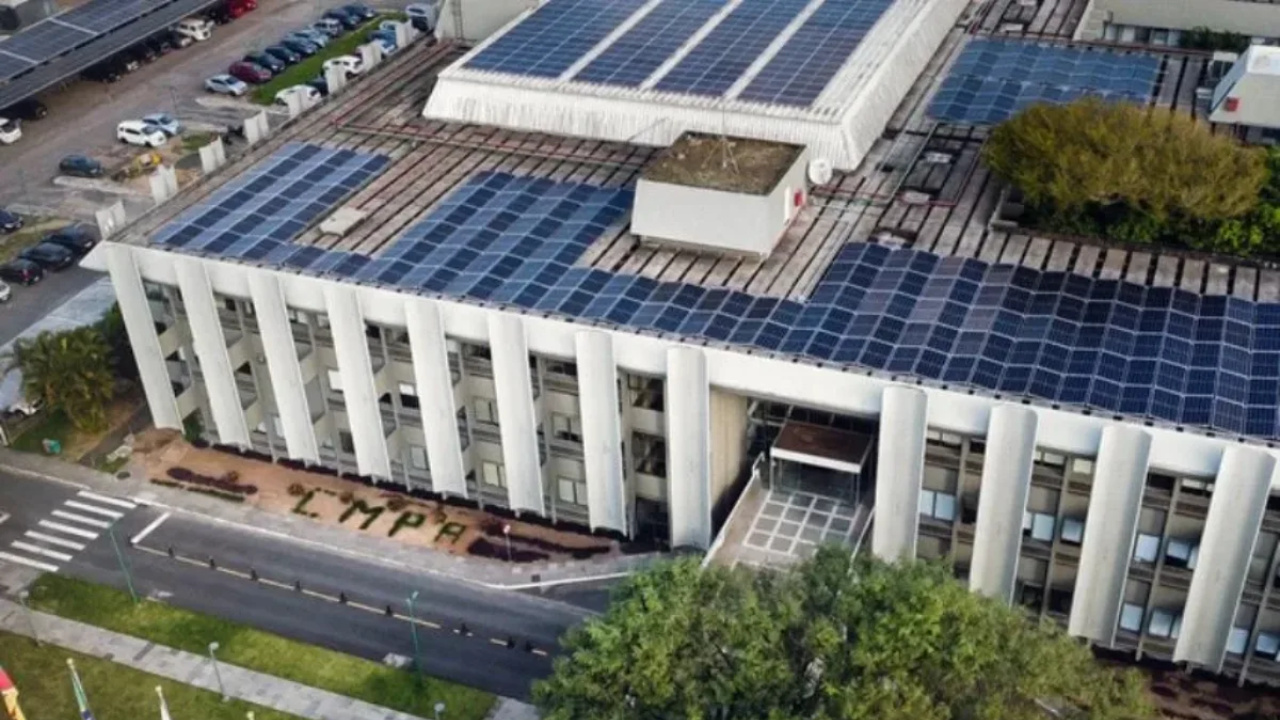

With Contract Review, Migration to the Free Market and Investments in Solar Energy, Porto Alegre Saves R$ 18.5 Million and Reinforces Its Energy Efficiency Strategy in the Public Sector.
The management of electricity in Porto Alegre underwent a significant turning point in 2025. Between January and November, the City Hall managed to save R$ 18.5 million after reassessing supply contracts and adopting a new model for electricity purchasing. The data were released by the Municipal Department of Finance and indicate a structural change in how the municipality consumes and pays for energy.
Instead of maintaining traditional agreements, the administration chose to review clauses, renegotiate values, and seek more competitive alternatives. In this context, solar energy and the free market became central to the adopted strategy.
Migration to the Free Market Reduces Costs for Large Units
One of the main drivers of the recorded economy was the migration of consumer units to the Free Energy Market. In this environment, public agencies can negotiate directly with suppliers, escaping the regulated tariffs of the captive market.
-
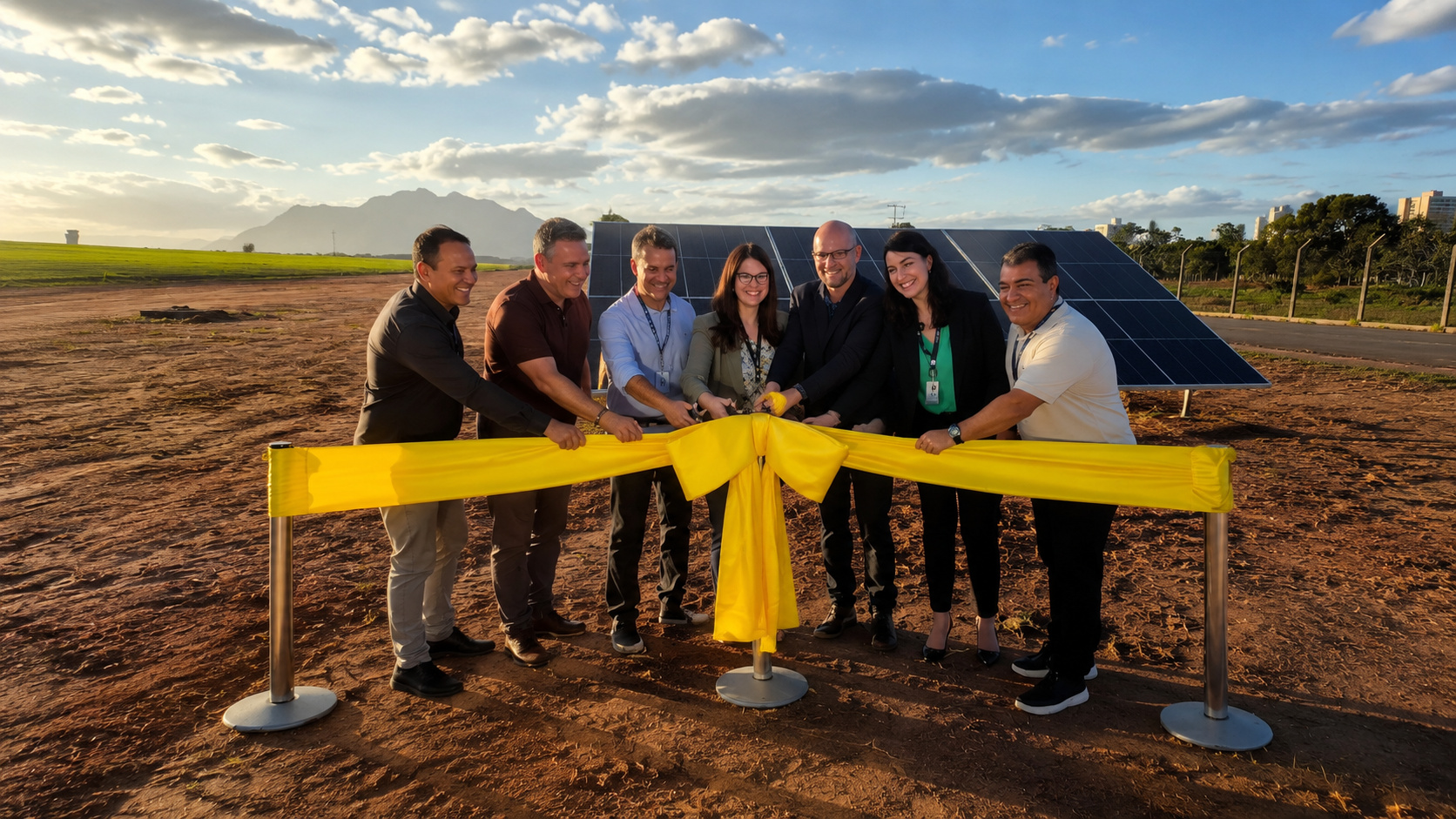
Brazil’s Vitória Airport to Launch Solar Plant Covering Area of 10 Soccer Fields, Boosting Clean Energy and Cutting Costs

-
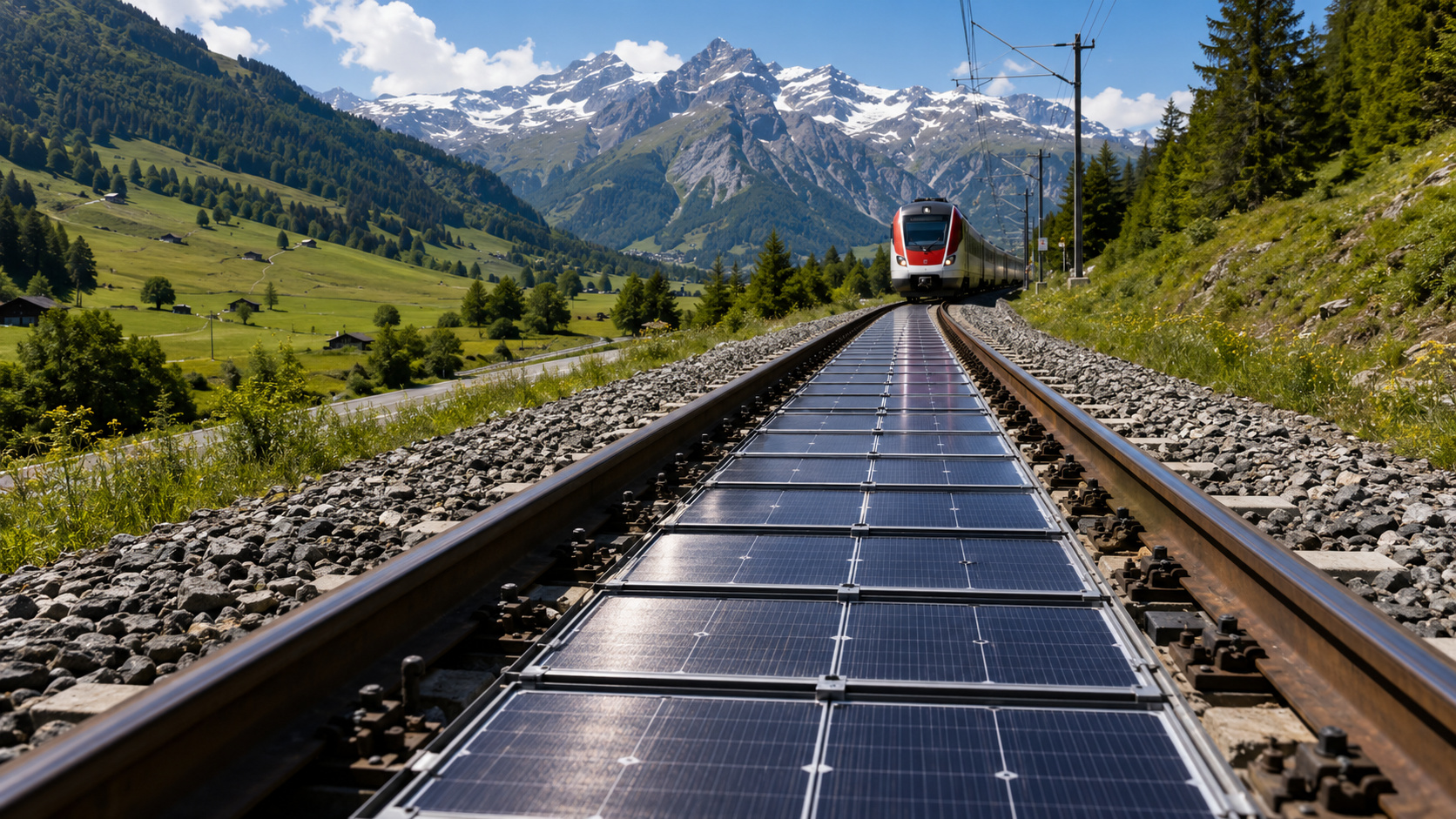
Switzerland Converts Train Tracks into Solar Power Plants with Removable Panels to Generate Energy Without Using Additional Land
-
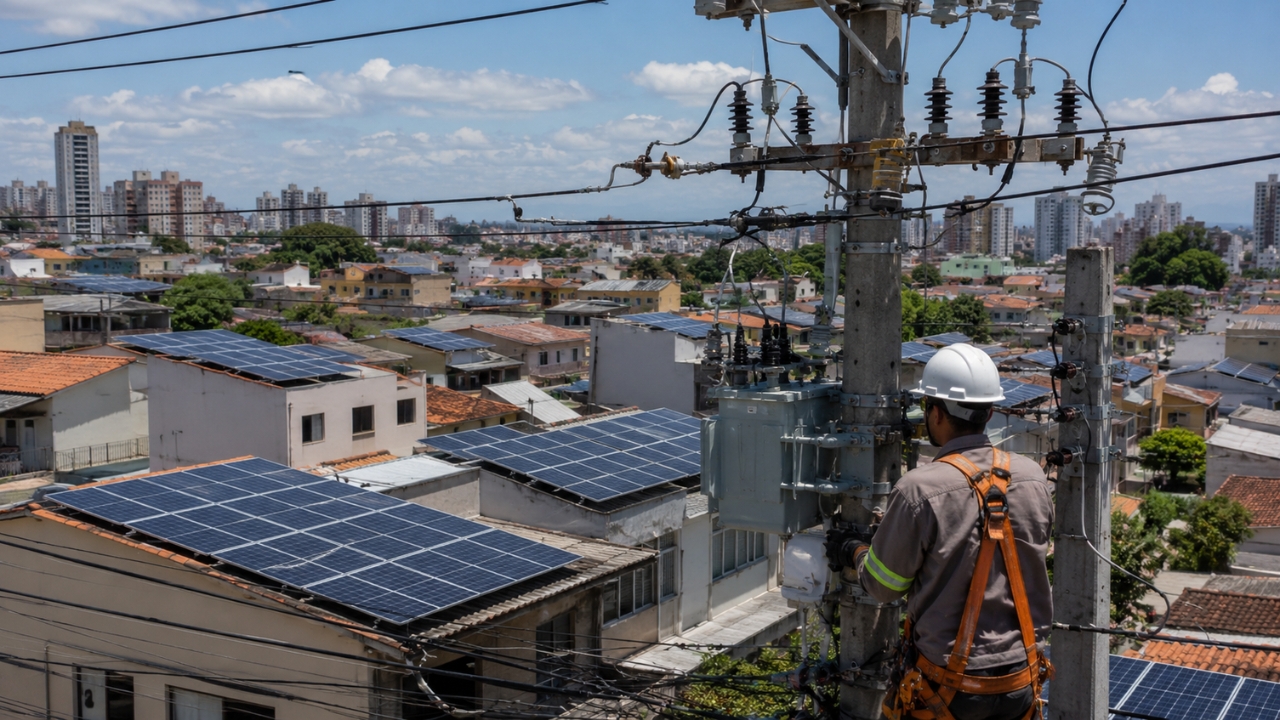
Surge in Solar-Powered Homes in Brazil Leads to Grid Strain and Connection Restrictions in Three States

-
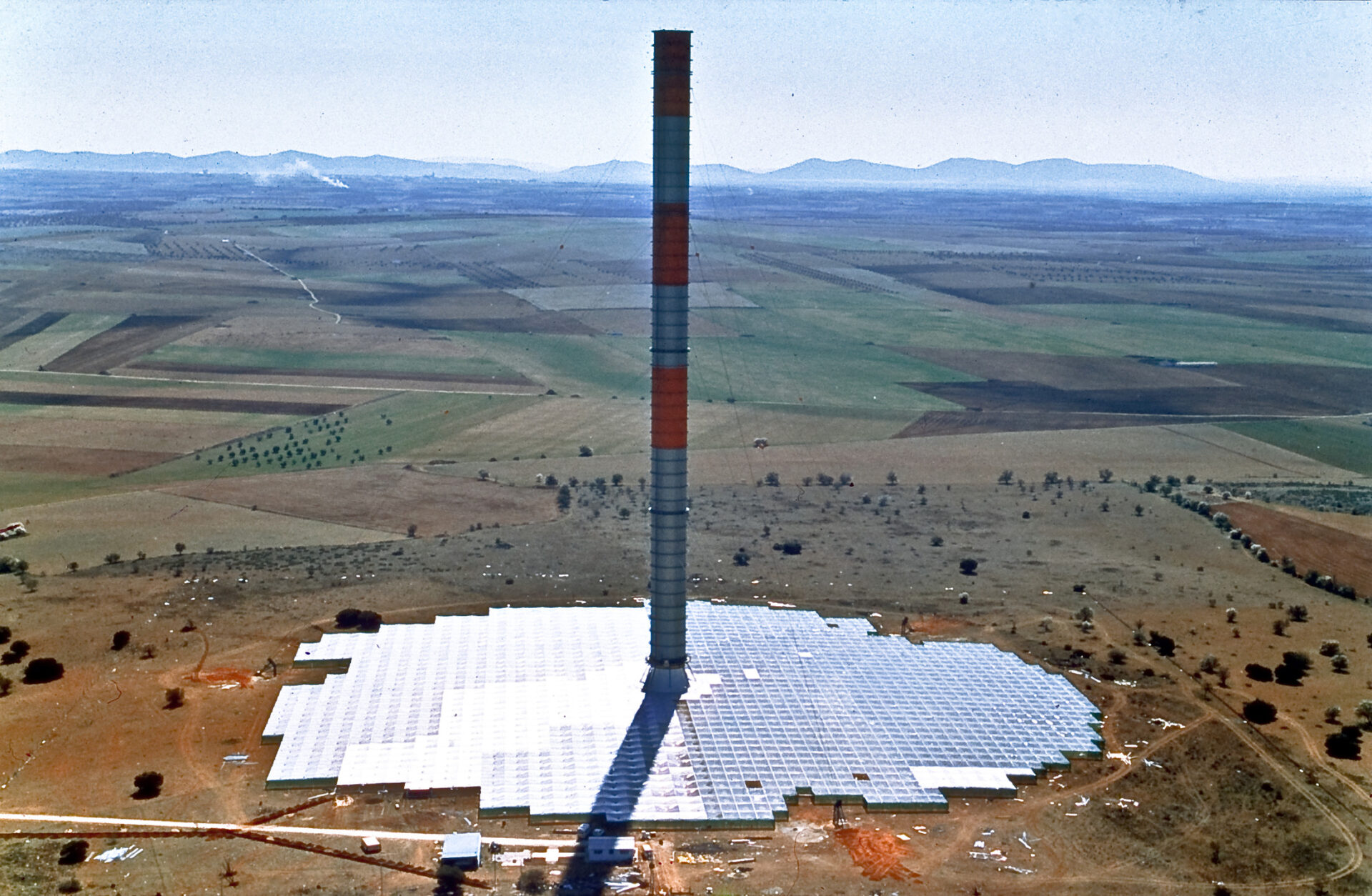
Solar Chimney in Spain Harnessed Sun to Generate Electricity for 7 Years Without Burning Fuel

As a result, the City Hall achieved average reductions of about 25% in electricity expenses. The impact was felt significantly in high-consumption equipment. At the Porto Alegre Emergency Hospital, for example, the monthly bill dropped from approximately R$ 250,000 to R$ 200,000.
A similar situation occurred at the Serraria Wastewater Treatment Station. There, the electricity bill was reduced from R$ 450,000 to about R$ 340,000, significantly easing the operational budget.
Solar Energy Gains Ground in Public Buildings
Alongside the migration to the free market, the municipality advanced in photovoltaic solar energy projects. The strategy prioritizes buildings served at low voltage, where self-generation can provide faster and more predictable financial returns.
According to electrical engineer and project coordinator, Luís Eduardo Lemes, the implementation of solar systems is part of a broader energy modernization plan. The initiative aims to reduce dependence on the conventional grid and better harness urban solar potential.
Furthermore, solar energy contributes to greater predictability of expenses, as part of the electricity starts being generated at the consumption site itself.
Energy Efficiency Complements the Strategy
At the same time, the City Hall adopted additional energy efficiency measures in public buildings. Among them are adjustments to lighting systems, modernization of equipment, and a review of consumption habits.
These actions, although less visible, amplify the positive effects of solar energy and the free market. By consuming less and more intelligently, the municipality can enhance the financial gains achieved with more advantageous contracts.
Energy Management Model Attracts the Attention of Other Cities
The case of Porto Alegre highlights how administrative decisions can directly impact public finances. The combination of the free market, solar energy, and energy efficiency creates a replicable model for other Brazilian cities.
In addition to the immediate savings, the strategy strengthens municipal energy management and opens up space for new investments in priority areas. Thus, solar energy ceases to be merely an environmental agenda and becomes part of the financial planning of public administrations.
With more flexible contracts, self-generation, and rational consumption, Porto Alegre demonstrates that energy management can be a concrete tool for fiscal balance and modernization of the public sector.