





 Portuguese
  English
  Spanish
 3 min of reading
  1 comment


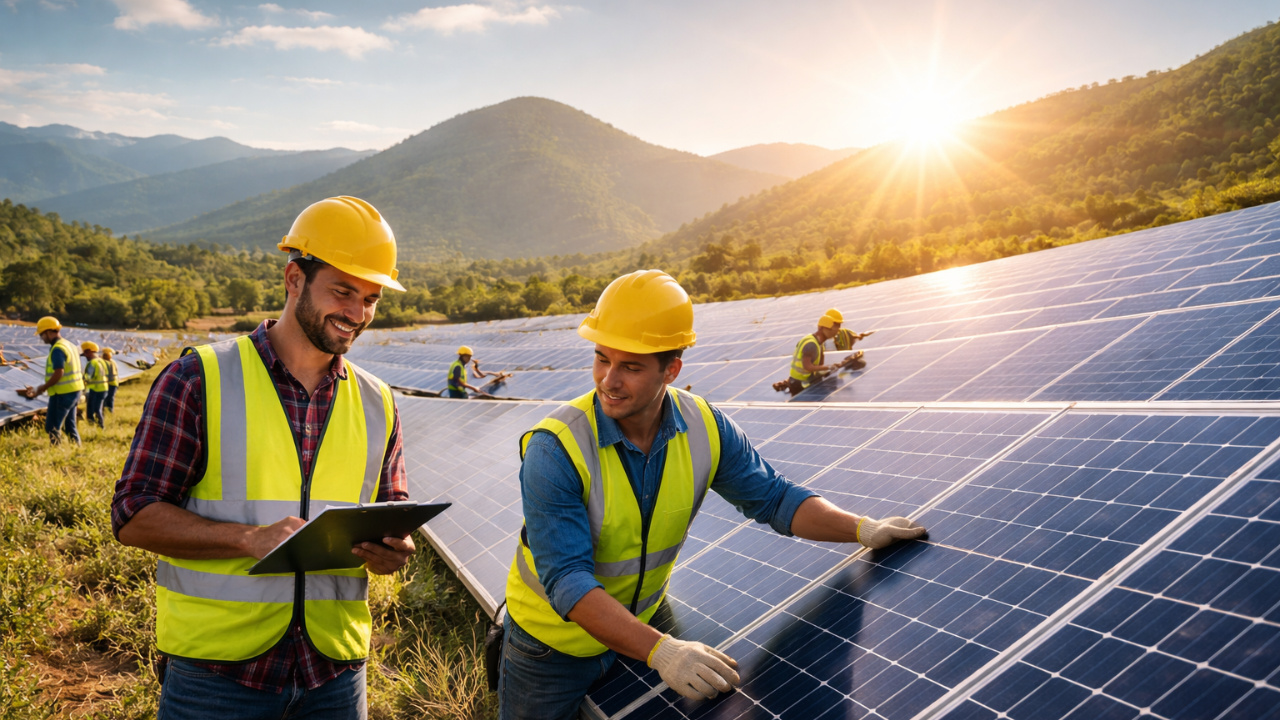


Minas Gerais Surpassed 14 GW in Solar Power, Exceeding Itaipu’s Capacity. The Progress Drives Jobs, Billion-Dollar Investments and Positions the State as the Absolute Leader in the Sector in Brazil.
Solar energy in Minas Gerais has reached a level that few imagined just a few years ago. The state reached 14.15 gigawatts (GW) of operational capacity, surpassing the capacity of the Itaipu Dam, which is around 14 GW.
The data, released by the National Electric Energy Agency (Aneel), includes both large plants and systems installed on rooftops, businesses, farms and condominiums.
Thus, Minas becomes one of the greatest symbols of energy transition in Brazil.
-
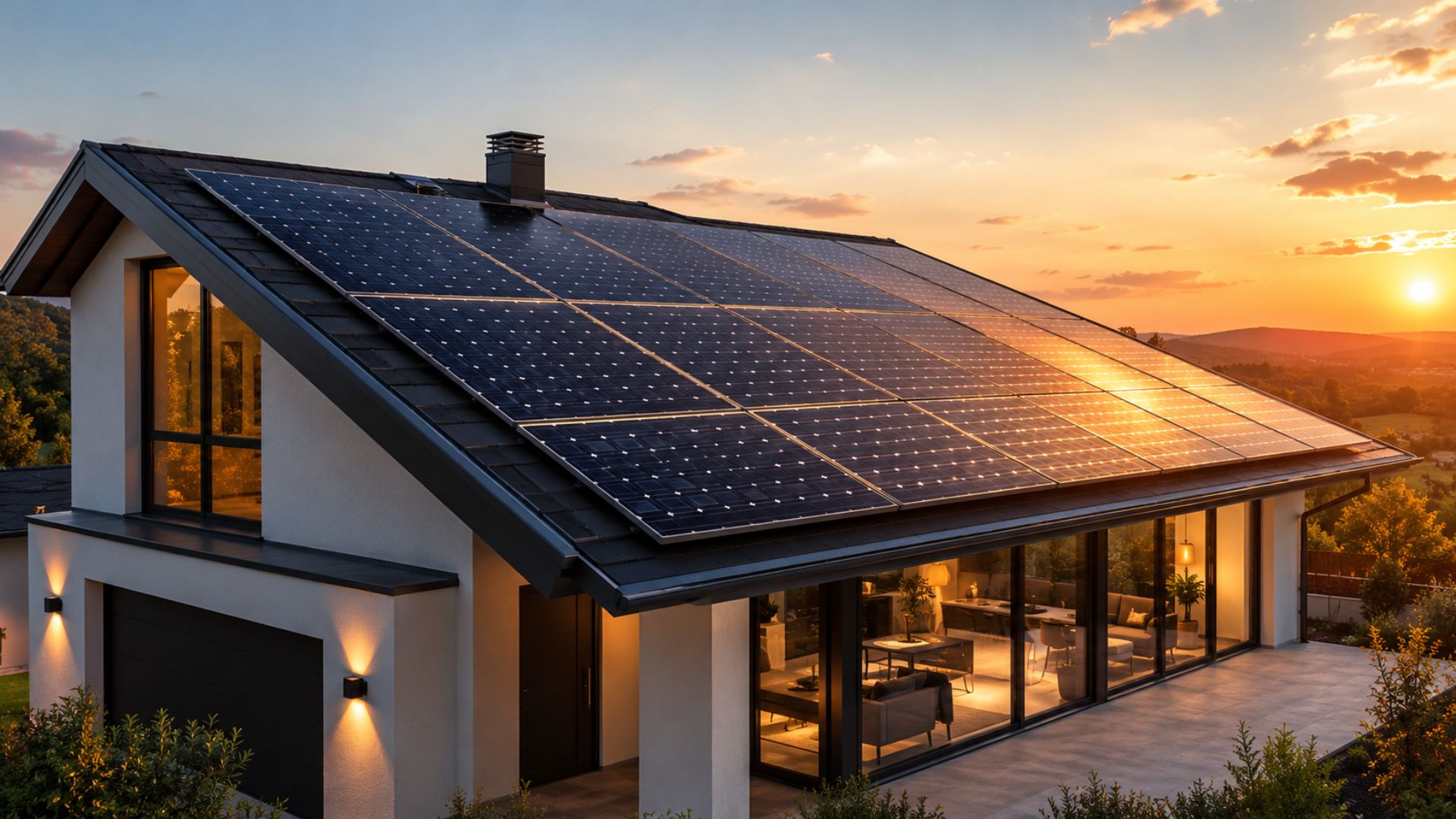
The era of solar panels attached to roofs is beginning to change with transparent glass that generates energy while keeping the view unobstructed, and perovskite photovoltaic windows already tested in offices in Japan promise to transform entire facades into invisible power plants without blocking light or altering the appearance of buildings.

-
The era of silicon alone in solar energy comes to an end with the arrival of perovskite, a material that captures a broader light spectrum, is applied as a thin film, and, together with silicon, reaches a theoretical limit of 45% efficiency in tandem modules.

-
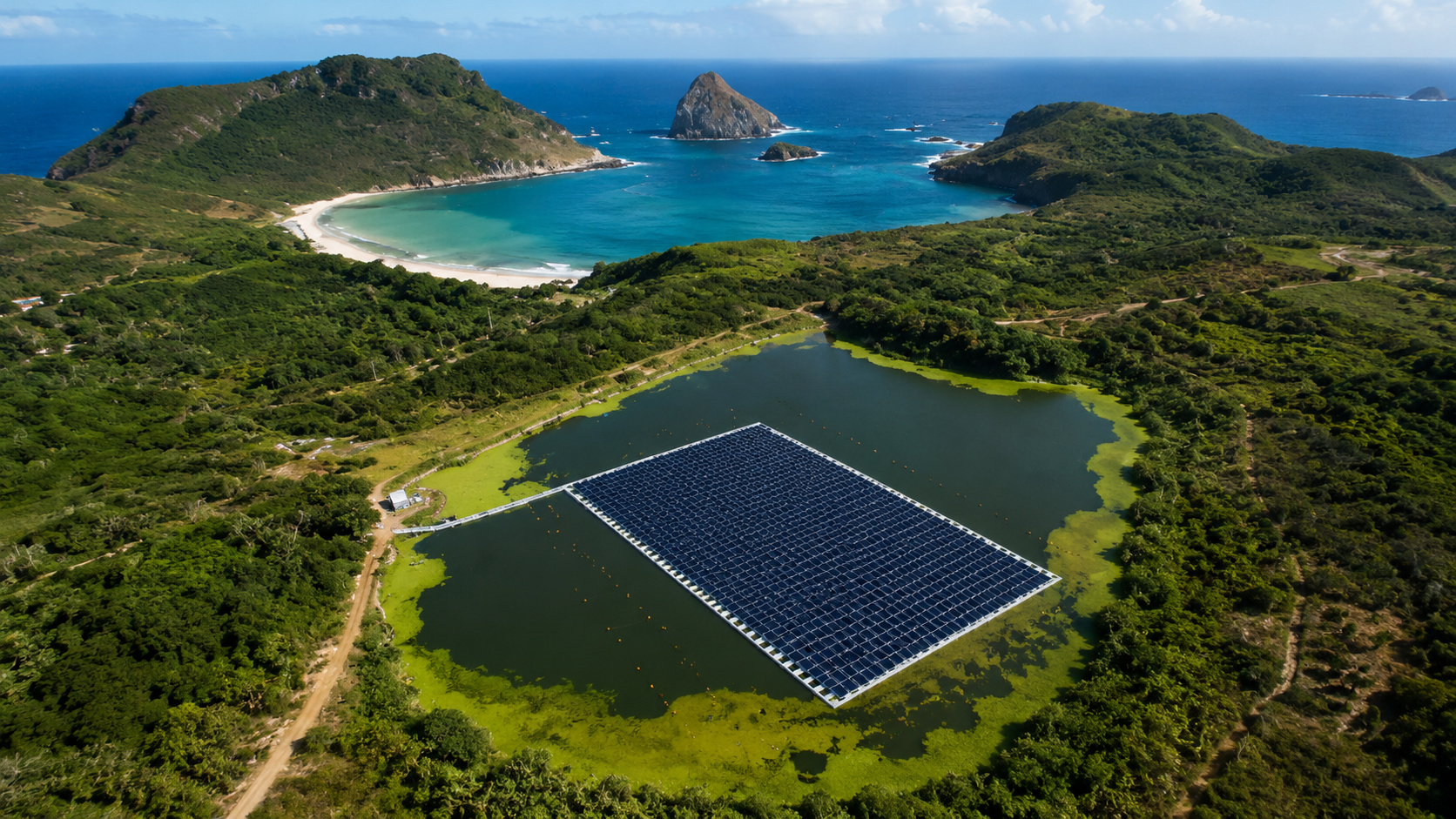
Fernando de Noronha begins unprecedented energy transformation with a R$ 350 million solar plant that promises to replace diesel generation and change the island’s sustainable future by 2027.
-
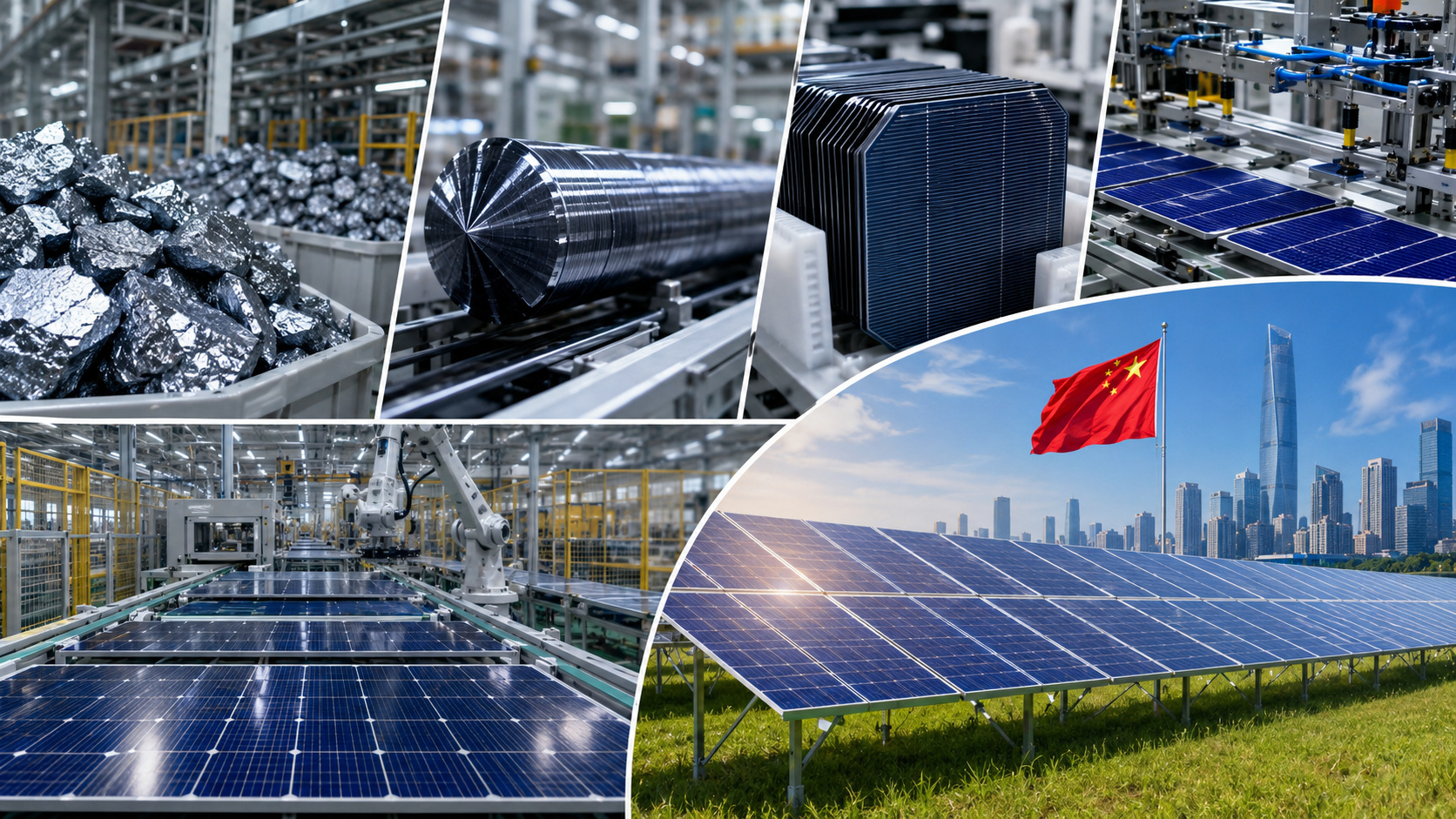
While Europe and the United States rush to save their own solar chains, China already dominates more than 80% of the global manufacturing of solar panels and has turned the sun into an industrial machine controlled by Beijing that is redefining the global energy transition.

Northern Minas Becomes a Showcase for Clean Energy
The advance of solar energy was not restricted to a single area. However, Northern Minas gained special prominence.
According to state deputy Gil Pereira, president of the Mines and Energy Commission of the Legislative Assembly, the region has become a national reference.
“We are a reference in clean energy, especially Northern Minas, with more jobs created, income and infrastructure. Growth and national leadership achieved through tireless work and laws of my authorship, to encourage small, medium and large power plants,” the parliamentarian stated.
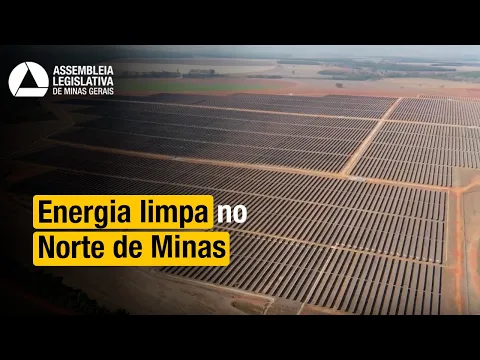

According to him, the expansion of solar energy brought direct benefits to the local economy. In addition, it stimulated works and services in various cities.
Legal Framework and Incentives Opened the Way for the Boom of Solar Energy
Behind this accelerated growth, there is a legal foundation that has helped attract investors.
One of the main laws is Law No. 22.549/17, known as the Solar Photovoltaic Energy Law of Minas Gerais. This was the first in the country to guarantee ICMS exemption for plants of up to 5 megawatts (MW).
This measure reduced costs. At the same time, it made Minas more attractive for solar projects. As a result, the state became the starting point for a revolution that later spread to other regions of Brazil.
Currently, solar energy is present in all 853 municipalities in Minas. This includes everything from large solar farms to small systems on house rooftops.
Jobs, Billions and Direct Impact on the Economy
The growth of solar energy in Minas is not limited to electricity production. It also generates impressive numbers in the economy. According to industry data, more than 411,443 jobs have been created directly and indirectly.
In addition, investments exceed R$ 61.5 billion. Public revenues related to taxes and economic activity total about R$ 19.5 billion. According to the sector, this money is reinvested in areas such as health, education and infrastructure.
“More jobs, income, sustainability and public revenues reinvested in health, education and infrastructure,” emphasized Gil Pereira.
With this, solar energy is seen not only as a clean source, but also as a growth engine.



Energia fotovoltaica é complemento. Precisamos de usinas hidrelétricas e nucleares principalmente. Fotovoltaica e eólica não suportam grandes cargas industriais e de transporte público.