Portuguese
  Spanish



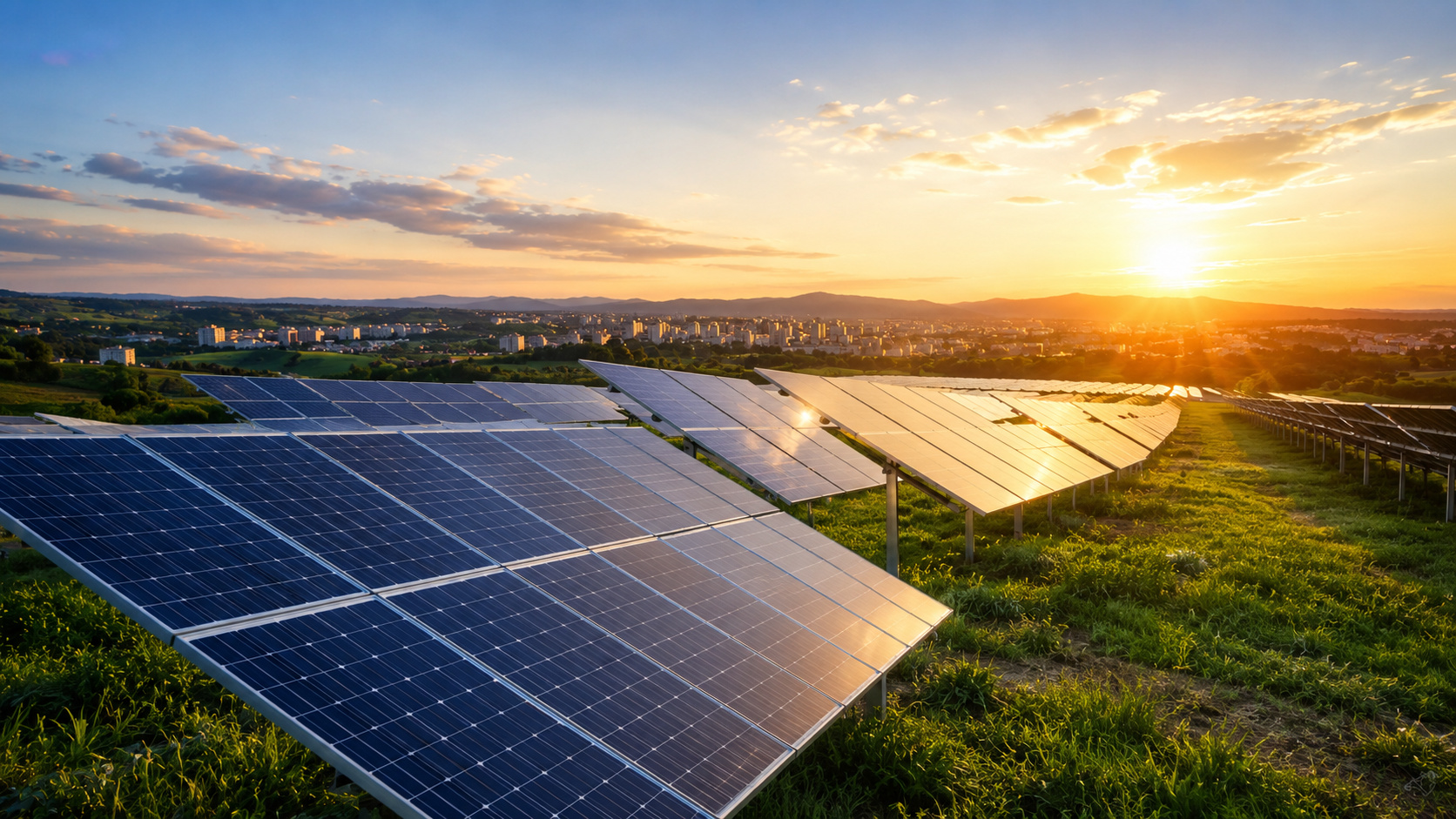
Solar Energy In The European Union Reaches 22.1% Of Electricity Generation In June 2025, Surpassing Gas And Coal, And Consolidating Itself As The Main Source Of The European Block.
The solar energy of the European Union (EU) has reached a historic milestone that clearly demonstrates the rapid advancement of the energy transition on the continent. In June 2025, for the first time, photovoltaic systems generated more electricity than other traditional sources. Including natural gas and coal, thus becoming the main electrical source of the European block.
This moment symbolizes, therefore, not only a technological advancement but also a profound transformation in how Europe produces and consumes energy.
To better understand the importance of this achievement, it is necessary, first of all, to look back in time and know the trajectory of solar energy in the European Union. For decades, the continent’s electricity matrix was primarily based on fossil fuels, such as coal and natural gas, as well as hydroelectric and nuclear sources.
-
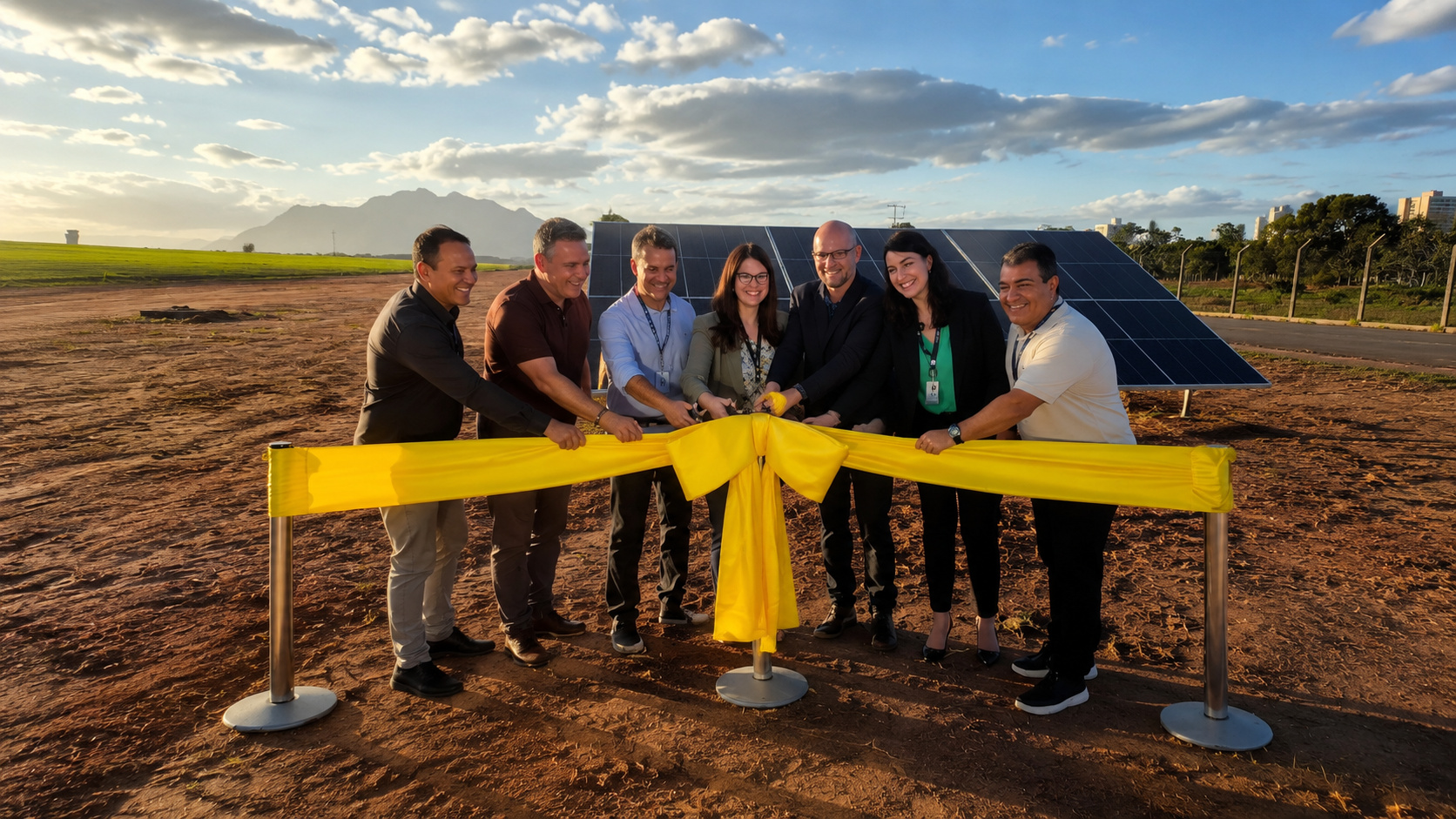
Brazil’s Vitória Airport to Launch Solar Plant Covering Area of 10 Soccer Fields, Boosting Clean Energy and Cutting Costs

-
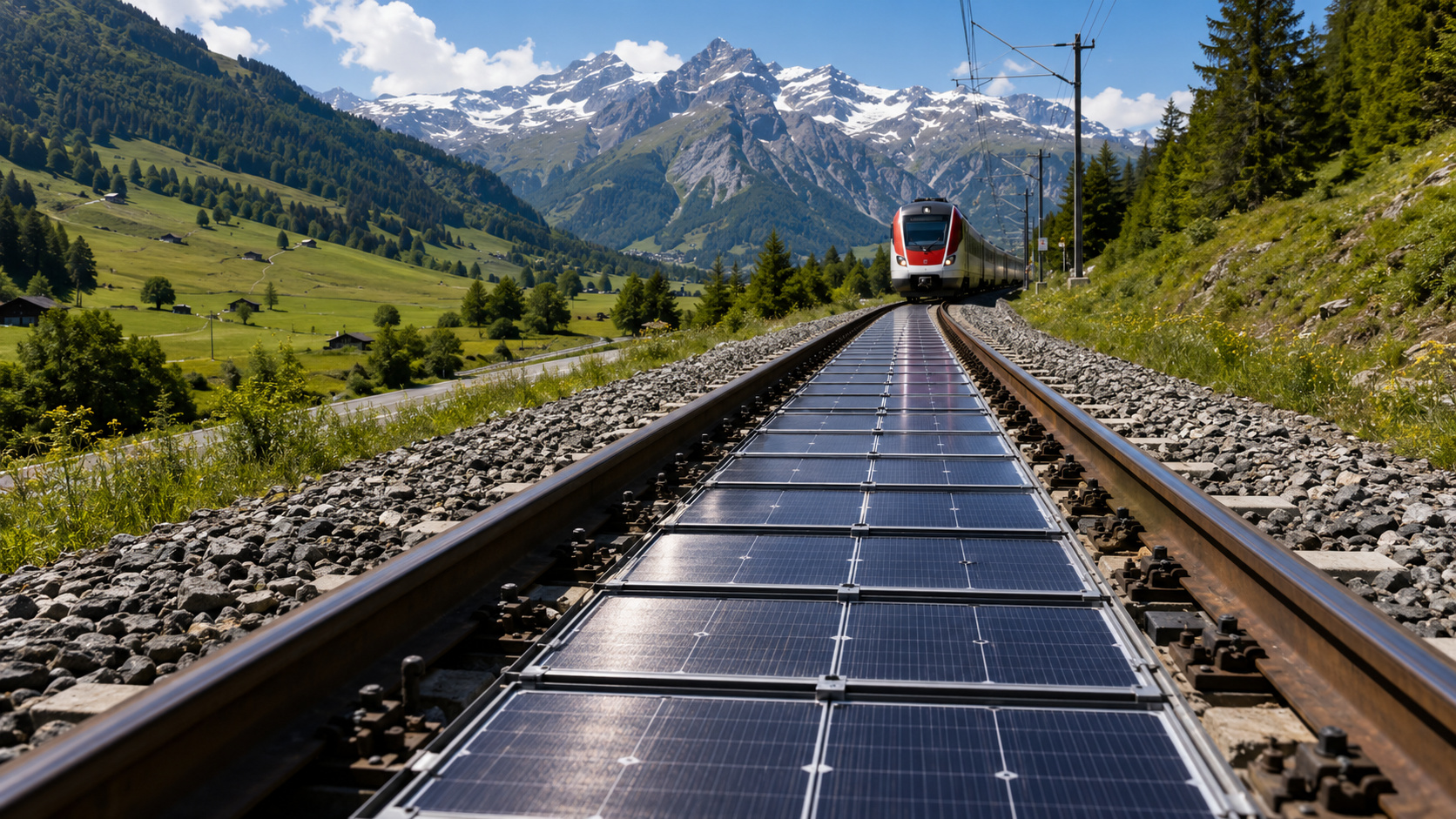
Switzerland Converts Train Tracks into Solar Power Plants with Removable Panels to Generate Energy Without Using Additional Land
-
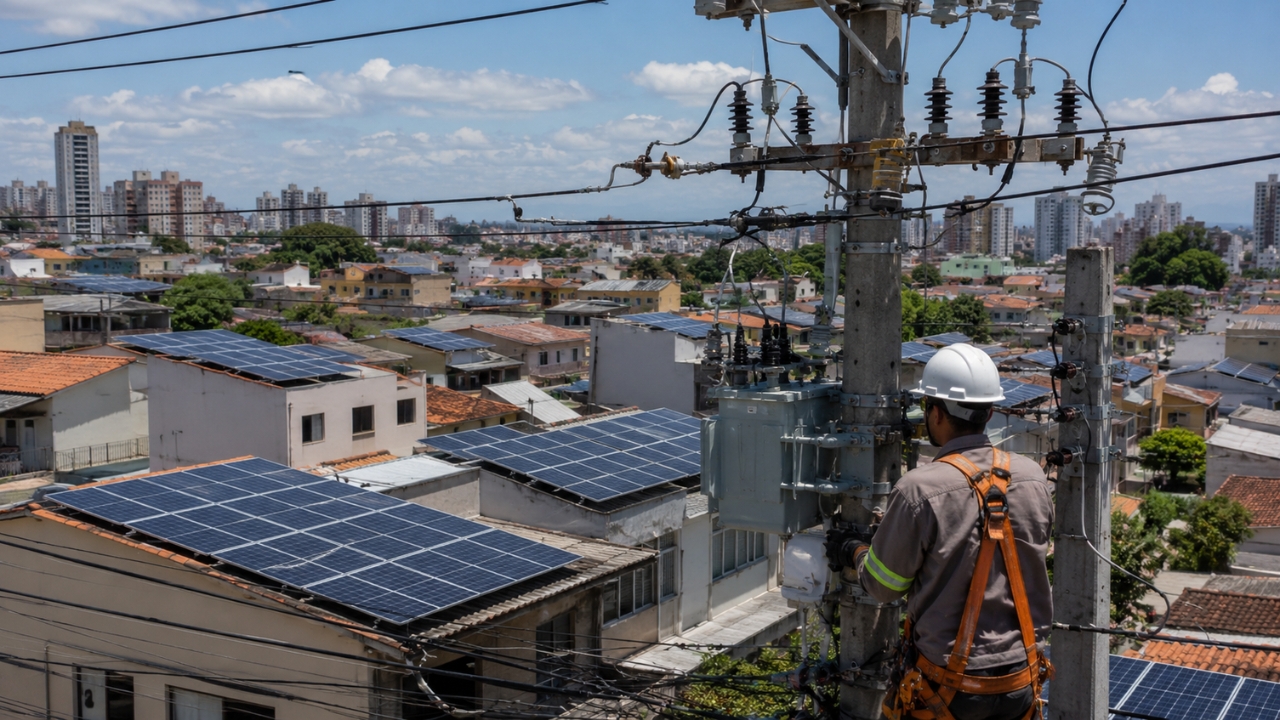
Surge in Solar-Powered Homes in Brazil Leads to Grid Strain and Connection Restrictions in Three States

-
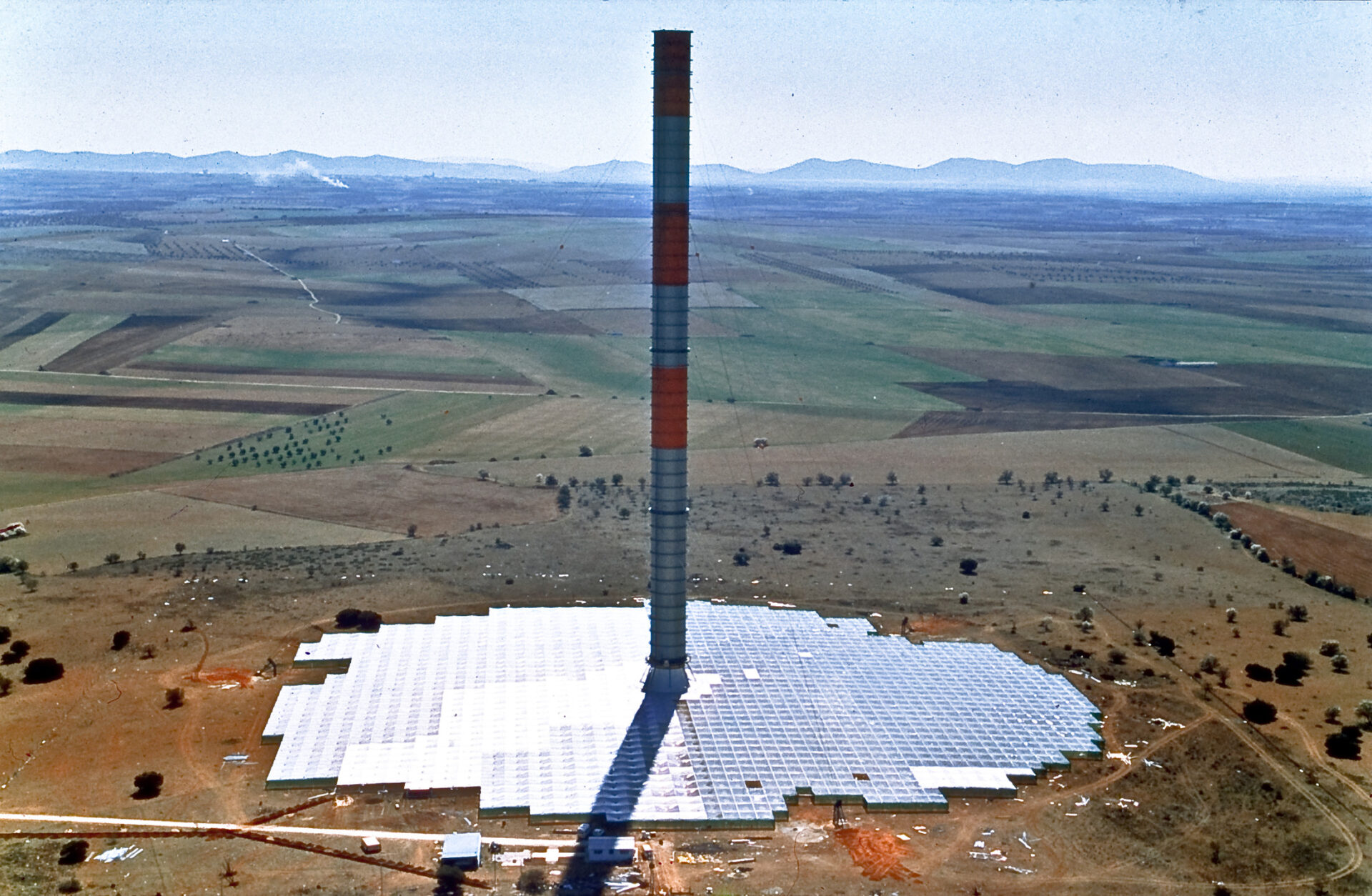
Solar Chimney in Spain Harnessed Sun to Generate Electricity for 7 Years Without Burning Fuel

Although these sources played a fundamental role in economic development, they posed environmental challenges and risks to energy security. Especially due to the dependence on importing fossil fuels from geopolitically unstable regions.
Starting in the 2000s, concerns about climate change, resource scarcity, and the volatility of oil and gas prices motivated European governments to invest heavily in renewable sources.
Solar energy, although known since the mid-20th century, gained special attention for its ability to generate clean, silent, and modular electricity. Which can be installed at different scales, from small residences to large solar power plants.
In the early days of solar energy adoption, the technology faced significant barriers. The high cost of panels, limited efficiency, and lack of integration infrastructure hindered growth.
However, ongoing research and innovations increased the efficiency of photovoltaic technology and lowered its costs. These technological advances, combined with increasingly ambitious government policies, thus created a favorable environment for investment in solar energy.
Gradual Growth And Technological Advancement Of Solar Energy In The European Union
In the early years, the growth of solar energy in the EU occurred, therefore, gradually, driven mainly by public incentive policies, such as subsidies, feed-in tariffs, and ambitious targets for renewables. Countries with high solar incidence, such as Spain, Italy, and Greece, thus led the adoption and expansion of photovoltaics.
Even so, the share of solar energy in the European electricity mix remained limited, partly due to the high cost of panels and the intermittency of generation, which depends on sunlight.
With advancements in technologies, the costs of solar panels and storage systems have fallen drastically, making solar energy increasingly competitive.
These factors, combined with greater environmental awareness and international pressure for emission reduction targets, strengthened the growth of the solar sector in the European Union.
In addition to technology, coordination among European Union countries has been fundamental to the success of solar energy in the block. Joint programs, European funding, and the exchange of best practices helped, consequently, to overcome technical and economic challenges, creating a more integrated and resilient energy market.
This cooperation allowed, in turn, the construction of large solar parks and encouraged self-production of energy in residences and businesses, thereby democratizing access to clean energy.
The result of this collective effort was evident in 2025, when an Ember report, released by the International Solar Alliance (ISA), showed that solar energy accounted for 22.1% of total electricity generation in the 27 countries of the European block during the month of June.
This mark positioned solar energy ahead of natural gas, which accounted for 14.4%, and coal, with 6.1%. It was, thus, the first time in EU history that a renewable source led monthly electricity production, confirming the maturity and importance of the sector.
Geographical Distribution And Positive Impacts Of Solar Energy
The advancement of solar energy in the European Union is not limited to one or two countries, but rather reaches a large part of the block’s territory. In the Netherlands, for example, the sun generated 40.5% of the electricity produced, while in Greece this percentage reached 35.1%.
Italy stood out even more, reaching 42.6% of total electric generation through solar panels, even surpassing traditional hydroelectric generation, which produced 37.3%. These numbers show, thus, how photovoltaic technology can adapt to different contexts and territories, even in regions with varying levels of solar irradiation.
In addition to these cases, other European countries, such as Germany, France, and Portugal, are registering significant advances in solar generation, thus keeping pace with market growth and consolidating the expansion of clean energy.
The climatic and territorial diversity of the European Union shows that solar energy can be a viable and efficient solution even in regions with different levels of sunlight, reinforcing its strategic role in the energy matrix.
The consolidation of solar energy in the European Union as the main electrical source brings multiple positive impacts to the region. First, it reduces dependence on imported fossil fuels, thereby strengthening the continent’s energy security, reducing vulnerability to geopolitical crises and fluctuations in oil and gas prices.
Diversification of the energy matrix with decentralized renewable sources promotes greater resilience and stability in electricity supply.
Additionally, solar energy helps to reduce electricity costs, especially during peak hours when demand rises. High solar generation during these periods helps to lower wholesale market prices, benefiting residential consumers, businesses, and the economy as a whole.
The expectation is that this trend of falling costs will continue as technology advances and installed capacity continues to grow.
Sustainability, Innovation And Future Challenges
Another fundamental aspect relates to environmental sustainability. The expansion of solar energy is aligned with the commitments of the European Union to combat climate change, especially those established in the European Green Deal and the Integrated National Energy and Climate Plan (PNEC) of member countries.
The progressive replacement of fossil sources with clean energy reduces greenhouse gas emissions, thereby promoting a more sustainable and healthier energy future for current and future generations.
The maturity of solar energy in the European Union also drives innovation and economic growth. The sector generates green jobs, stimulates investments in infrastructure, and encourages research and development of new technologies, such as advanced energy storage and management systems.
These technological advances improve the efficiency and reliability of solar energy, in addition to positioning the EU as a global leader in the energy transition.
Self-production and distributed generation initiatives facilitate access to clean electricity and can reduce inequalities in energy access within countries.
Even with these advances, solar energy in the European Union still faces challenges. The intermittency of generation, caused by the variability of sunlight throughout the day and across seasons, requires battery storage solutions and integration with other renewable sources, such as wind energy.
This progress consolidates photovoltaic energy as a fundamental pillar of the European electricity matrix, translating into economic, environmental, and strategic benefits for the region.
The challenge now is to maintain this trajectory of sustainable growth, promoting the integration of renewable technologies and ensuring a cleaner, safer, and more accessible energy future for all Europeans.