Portuguese
  Spanish


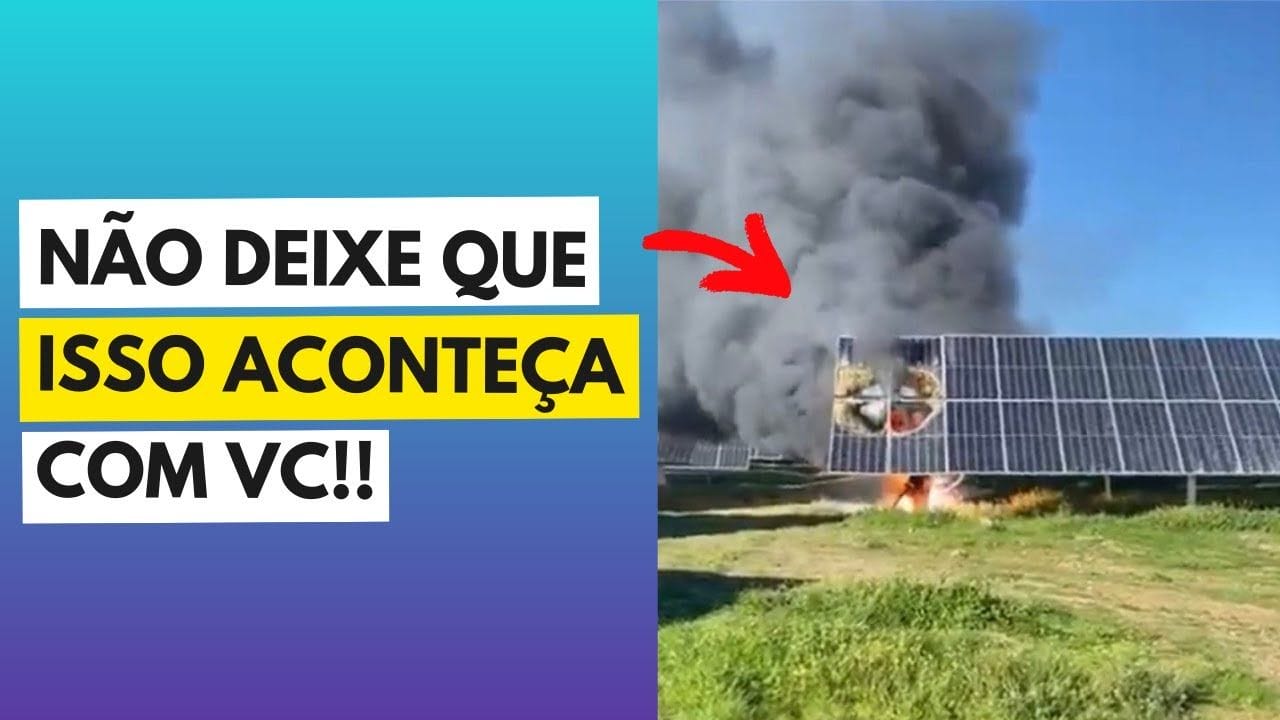

With the Growing Adoption of Solar Energy in Brazil, Facing the Challenges After the Installation of Solar Panels Has Become a Concern for Many. This Article Addresses the Seven Most Common Problems and Offers Practical Tips to Prevent or Solve Them.
The installation of solar panels has become popular in Brazil, but with this expansion, post-installation challenges arise that require special attention. Here are the seven most common solar energy problems and tips to solve them.
To avoid surprises on the customer’s bill, it is crucial to consider the impact of the photovoltaic system on the power factor of the electrical installation. Special attention should be given to consumers of the A group, such as large industries.
Structural Issues and High Inverter Temperature

The analysis of the roof structure is an aspect that cannot be overlooked. It must be ensured that the structure can support the additional weight of the panels, and structural interventions may be necessary to reinforce the roof’s load-bearing capacity. At the same time, the electrical installation requires technical rigor. All electrical work, including grounding and surge protection, must be carried out by qualified professionals, following current technical standards.
-
Solar energy reaches 55 GW, becoming the second largest power source in Brazil’s energy mix

-
A Brazilian city decided to purchase a piece of the Atlantic Forest with more than 153,000 square meters, and owners of preserved areas will be able to submit proposals to transform the forest into a conservation unit.
-
Brazilian siblings aged 11 and 7 read 240 books in just one year and caught attention on social media: while many children spend hours on screens, they turned their family’s routine into an example of reading, discipline, and curiosity.
-
The legendary oak that, according to the story, hid Robin Hood from the Sheriff of Nottingham, died at the impressive age of 1,200 years in England, and the first chilling sign of its end was that no leaves sprouted on the tree this spring.



It is essential to check the conditions of the roof before the installation of solar panels. The lack of an adequate assessment can result in serious structural damage. The inverter temperature must be monitored to avoid overheating. Inverters should be installed in locations with good air circulation and away from heat sources.
Regarding equipment selection, it is imperative to choose high-quality components. Solar panels, inverters, and other devices should be purchased from reputable manufacturers that offer strong warranties and have a proven track record of performance and durability. This choice directly influences the system’s efficiency and operational lifespan.
Circuit Breaker Tripping in the String Box and Incorrect Positioning of Solar Panels
It is important to regularly check the photovoltaic system to ensure that all components are functioning correctly, including the circuit breaker. The orientation and positioning of the solar panel are crucial for the system’s efficiency. Problems such as shading can significantly affect the energy generation.
The installation of solar panels requires a meticulous approach, starting with the evaluation of the site. This step involves a detailed analysis of the roof topology, including its orientation, tilt, and potential shading. The ideal orientation, generally in the southern hemisphere, faces north, maximizing solar exposure. The tilt of the panels should be carefully calculated based on the site’s latitude, thus optimizing energy capture during different times of the year.
Shading is a critical factor that directly affects the efficiency of the panels. The presence of obstructions, such as trees or nearby buildings, must be thoroughly evaluated. Even partial shadows can result in significant efficiency losses. Therefore, the selection of the installation site should prioritize areas with minimal interference throughout the day.
Increased Installed Load
Changes in the customer’s energy consumption after the installation of solar panels must be considered. A significant increase in load can result in insufficient energy generation. Dirt accumulated on solar panels can reduce the system’s effectiveness. Regular cleaning is essential to maintain energy efficiency.
These challenges, if not properly addressed, can lead to issues such as decreased energy efficiency, equipment damage, and customer dissatisfaction. Therefore, it is essential that installers are prepared to deal with these issues, providing effective solutions and maintaining clear communication with customers. Adopting regular maintenance and monitoring practices can prevent many of these problems, ensuring that solar energy systems continue to be a viable and reliable option for renewable energy.