Portuguese
  Spanish


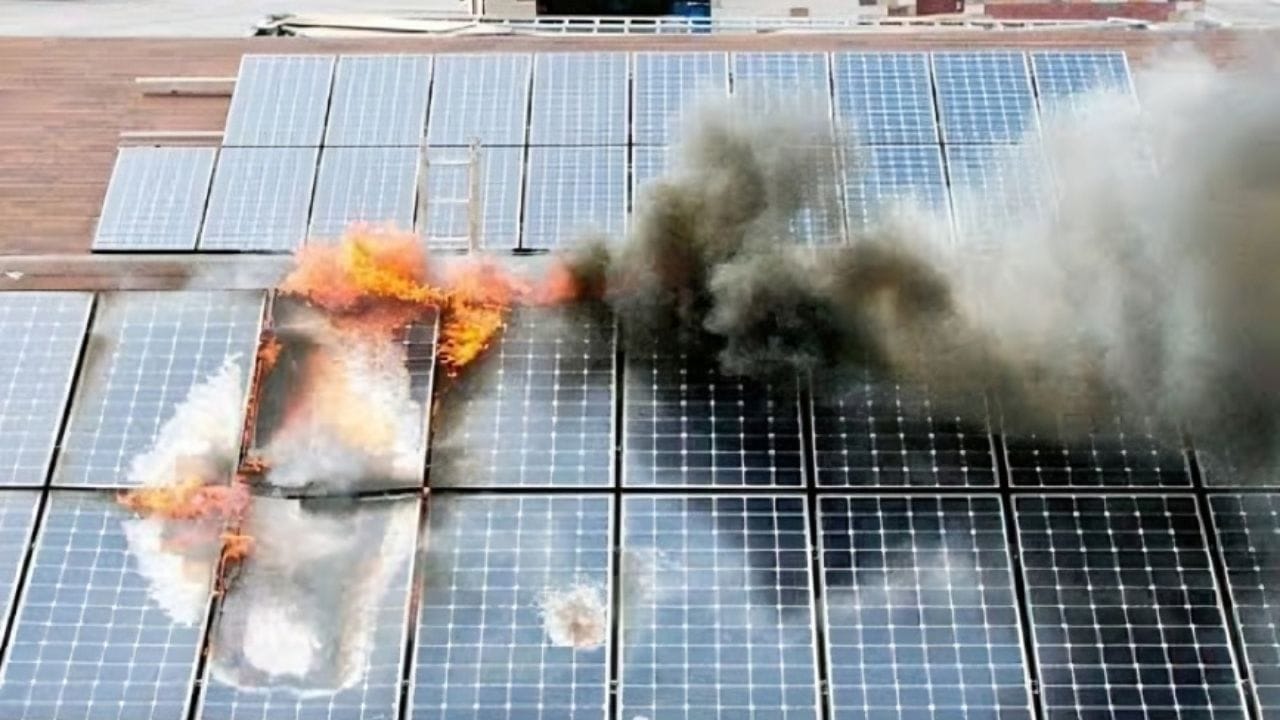

Given the Rising Cost of Electricity, the Interest of Brazilians in Photovoltaic Systems Has Increased Exponentially, Surpassing the Mark of 2 Million Consumers. With the Boom of the Sector, It Is Crucial to Be Attentive to Avoid Pitfalls and Ensure a Positive Experience.
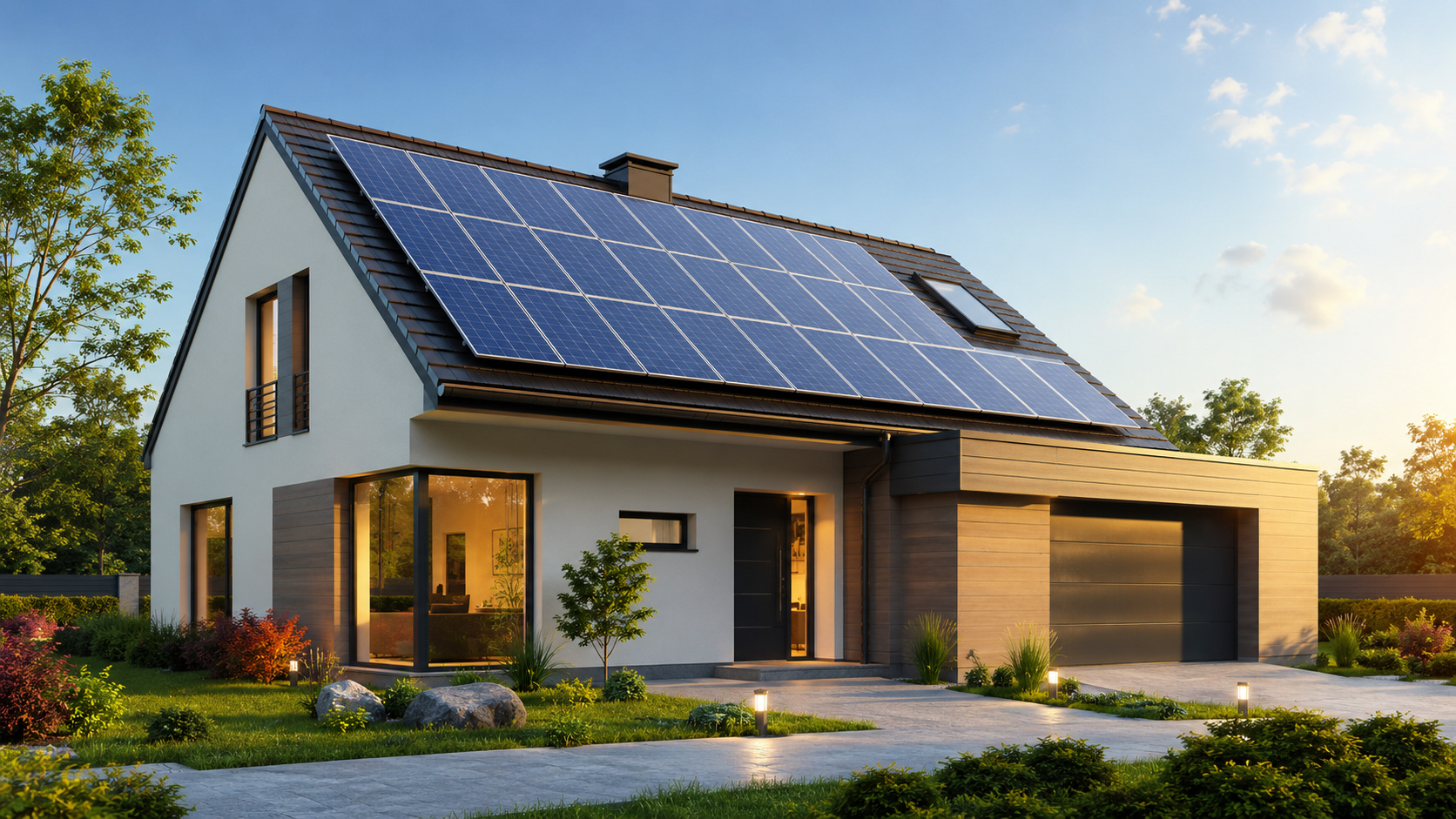
Photovoltaic systems work by capturing solar energy through photovoltaic modules, transforming it into electrical energy. This process occurs through the photovoltaic effect, where sunlight is converted into electrical energy. The modules generate energy in direct current, similar to that of mobile device batteries, which is later converted into alternating current by the photovoltaic inverter for domestic or commercial use.
Photovoltaic systems are classified into three main categories: on-grid, off-grid, and hybrid. On-grid systems are connected to the electrical grid, while off-grid systems operate independently, usually with the help of batteries. Hybrid systems combine elements of both, offering greater flexibility and reliability. The choice of system depends on the specific needs of the consumer and the availability of the electrical grid at the location.
Careful Supplier Selection: Avoiding Pitfalls


With the increase in demand for solar energy, choosing a reliable supplier becomes crucial. It is advisable to request multiple quotes, seek references and online reviews, and choose suppliers that are proven to be qualified. It is important to note that the installation company is often not the same as the one supplying the equipment, which implies the need to evaluate both the installer and the equipment distributor.
-
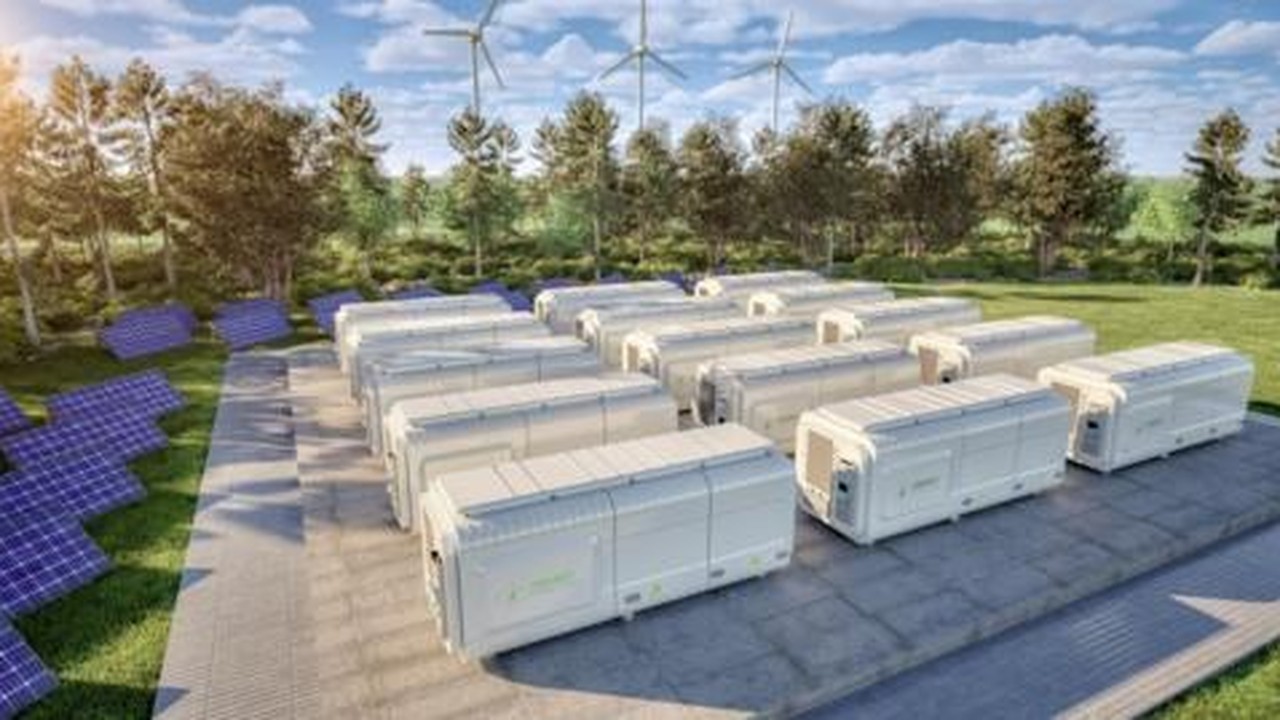
Brazil to Hold First Auction for Batteries to Store Solar and Wind Energy from the Northeast

-
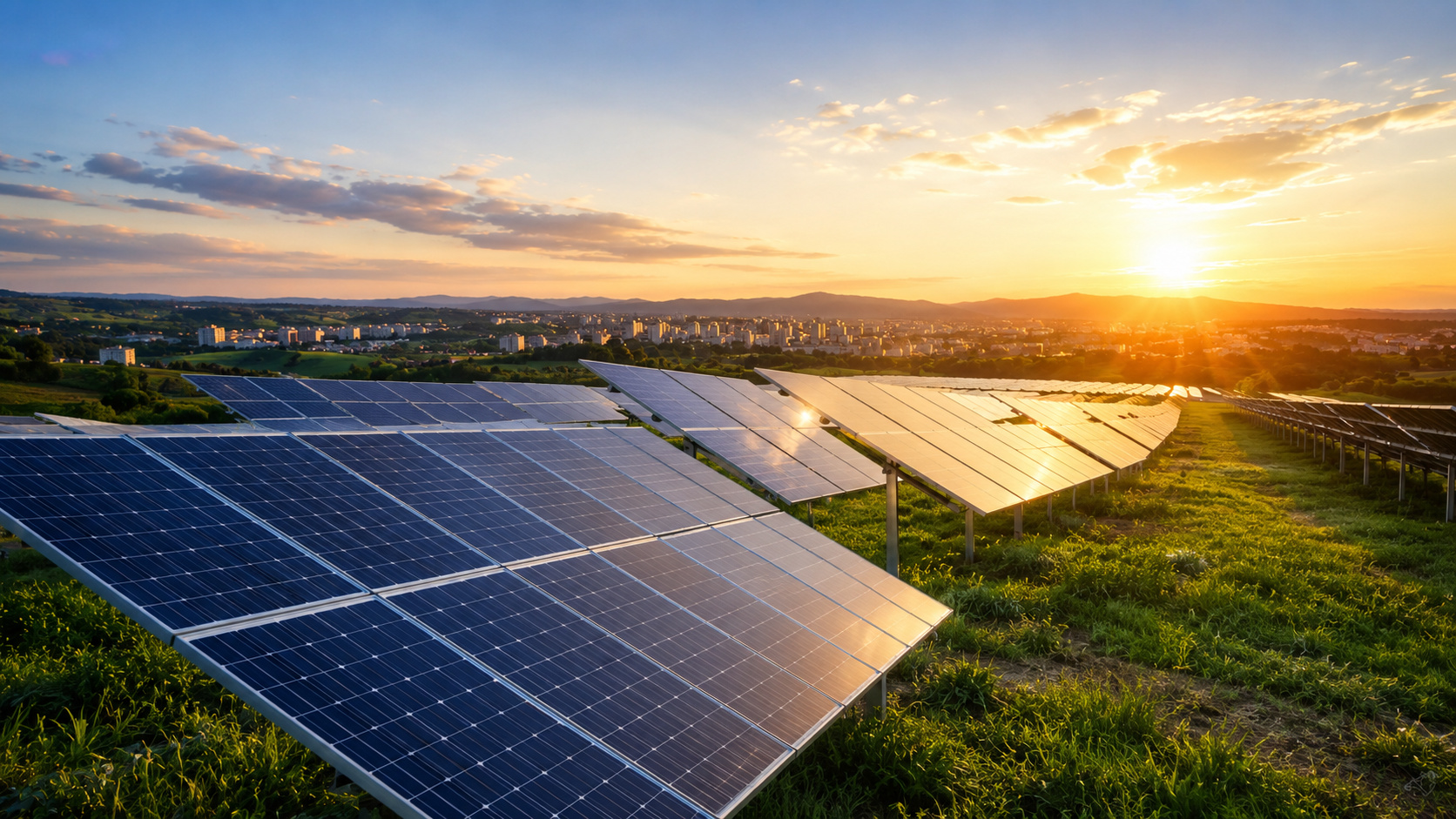
Solar energy reaches 55 GW, becoming the second largest power source in Brazil’s energy mix

-
Brazilian scientists are simultaneously advancing two research projects on clean hydrogen and driving solutions that could transform the energy matrix, enhance industrial competitiveness, and accelerate large-scale emission reduction targets.
-
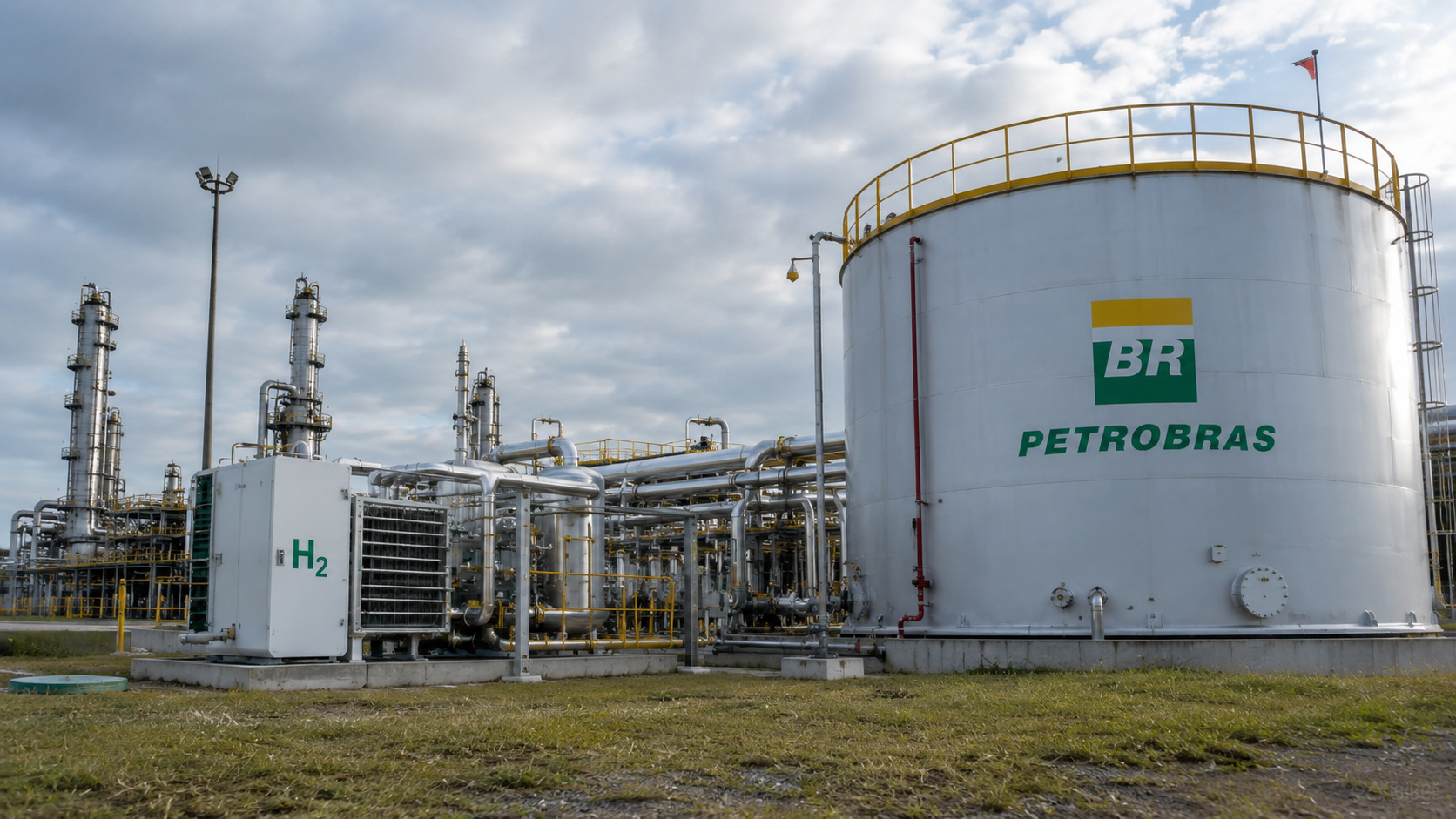
Advancement in renewable energy: A R$ 150 million project launched by Petrobras and Finep aims to create state-of-the-art electrolyzers for green hydrogen, strengthening national research and preparing Brazil to compete in a billion-dollar energy market.

The Importance of Reliable Distributors
Transitioning to solar energy represents an innovative solution and sustainable for Brazil’s energy future. By carefully choosing suppliers and distributors, consumers can maximize the benefits of solar energy, contributing to a cleaner environment and a more efficient household economy. For those considering adopting solar energy, it is essential to seek guidance from qualified professionals and take advantage of available informational resources for well-informed decision-making.
In addition to choosing a reliable supplier, it is important to research the reputation and quality of the manufacturers of solar panels and inverters. Equipment from renowned brands typically offers greater efficiency and durability. A crucial aspect in choosing photovoltaic systems is the warranty offered for both the equipment and installation. Check the warranty terms and if the supplying company has a good track record of honoring its warranties.
Different regions may offer tax incentives or subsidies for the installation of photovoltaic systems. Additionally, it is important to be aware of local regulations, including the rules for connecting to the grid and energy compensation. When planning the installation of the system, consider the potential growth of your energy demand. This may include adding new electrical appliances or expanding your home or business.