Portuguese
  Spanish


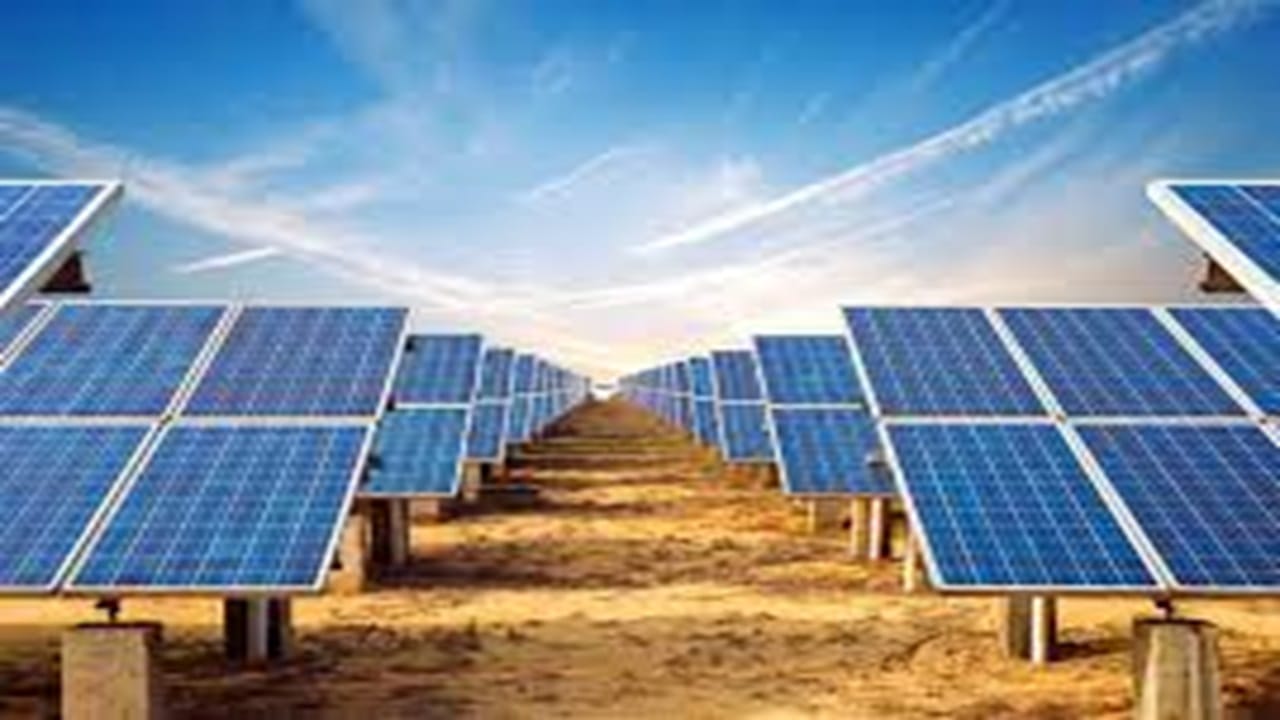

With An Increasing Number Of Sustainable Alternatives For Solar Energy Generation, Prices Are Becoming More Accessible For Consumers
In a challenging energy landscape, solar energy stands out as an economical and sustainable solution in Brazil. In 2023, the prices of solar panels dropped drastically, making solar energy even more accessible and attracting a growing number of consumers, according to the website EkkoGreen.
The year 2023 was marked by a significant decrease in the prices of solar panels, with a reduction of about 40%, according to data from Portal Solar. This decline in prices has made solar energy a more attractive option for Brazilian consumers.
Expansion Of Solar Photovoltaic Capacity
In 2022, Brazil added 9.3 GW in solar photovoltaic capacity, reflecting a growing interest in renewable energy in the country. The solar energy sector had a record expansion in 2023, with an additional 7 GW added to the electrical matrix between January and August.
-
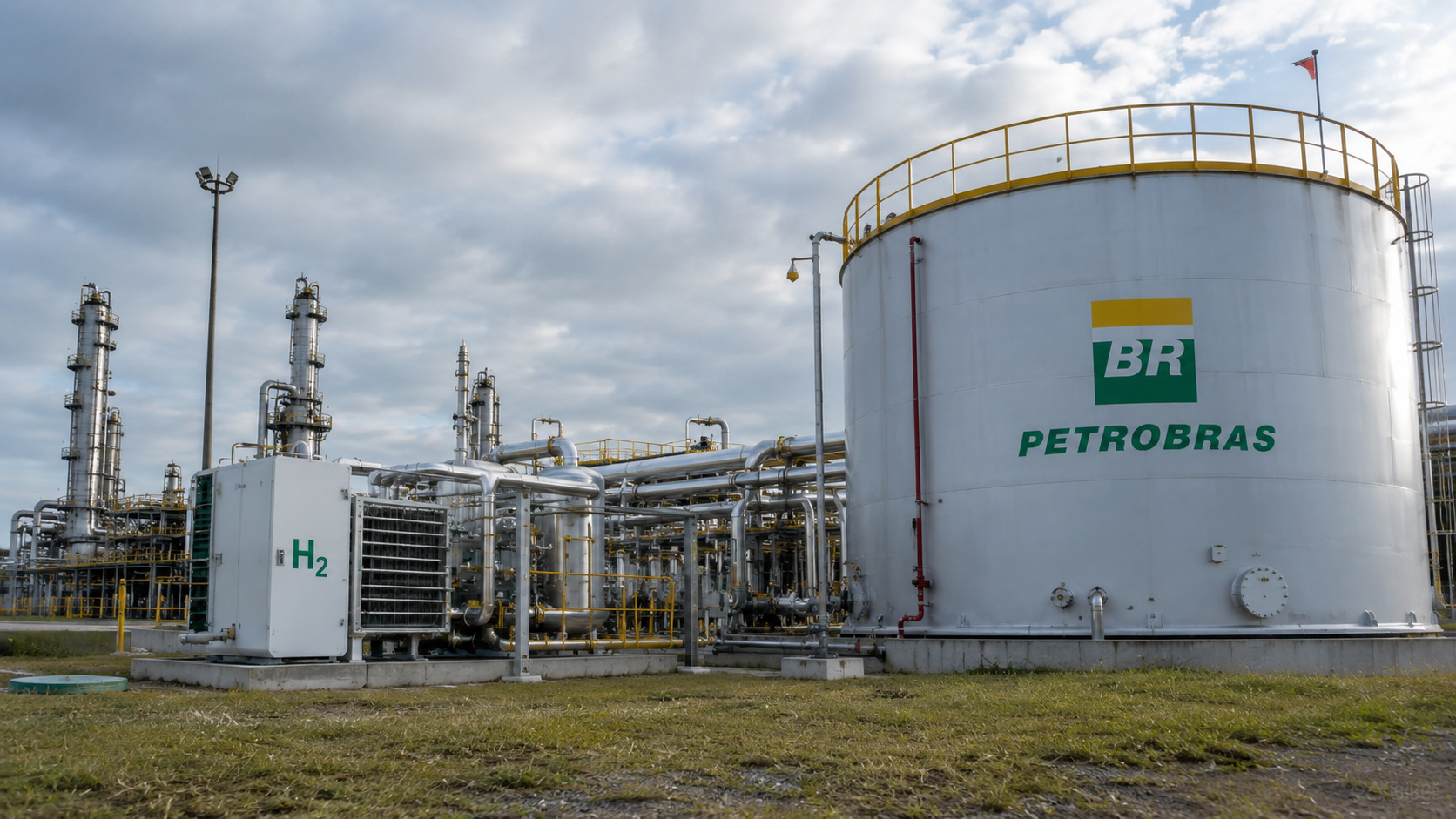
Brazilian scientists are simultaneously advancing two research projects on clean hydrogen and driving solutions that could transform the energy matrix, enhance industrial competitiveness, and accelerate large-scale emission reduction targets.

-
Advancement in renewable energy: A R$ 150 million project launched by Petrobras and Finep aims to create state-of-the-art electrolyzers for green hydrogen, strengthening national research and preparing Brazil to compete in a billion-dollar energy market.
-
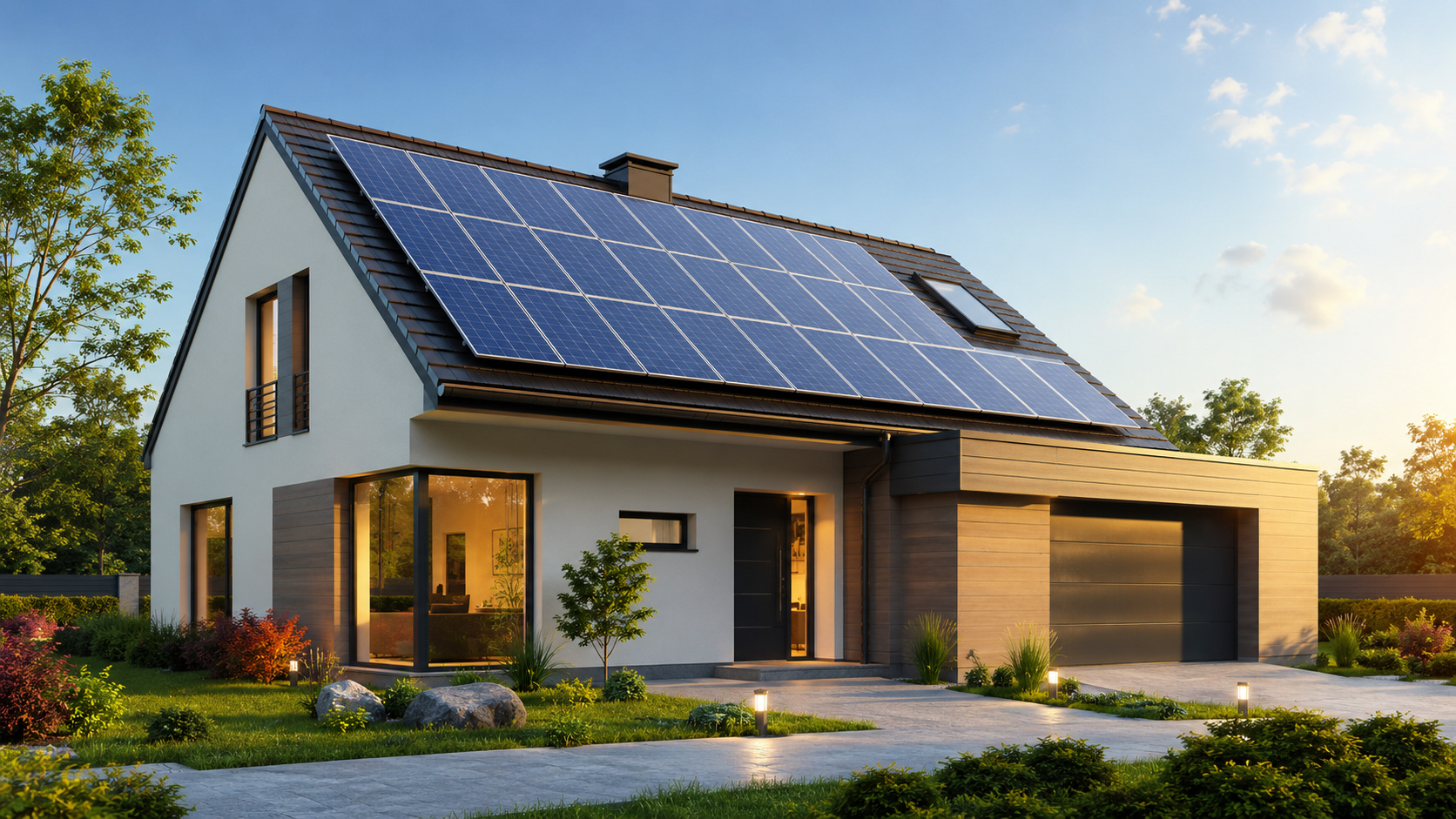
Solar energy can increase property value by up to 10% and become a selling point.
-
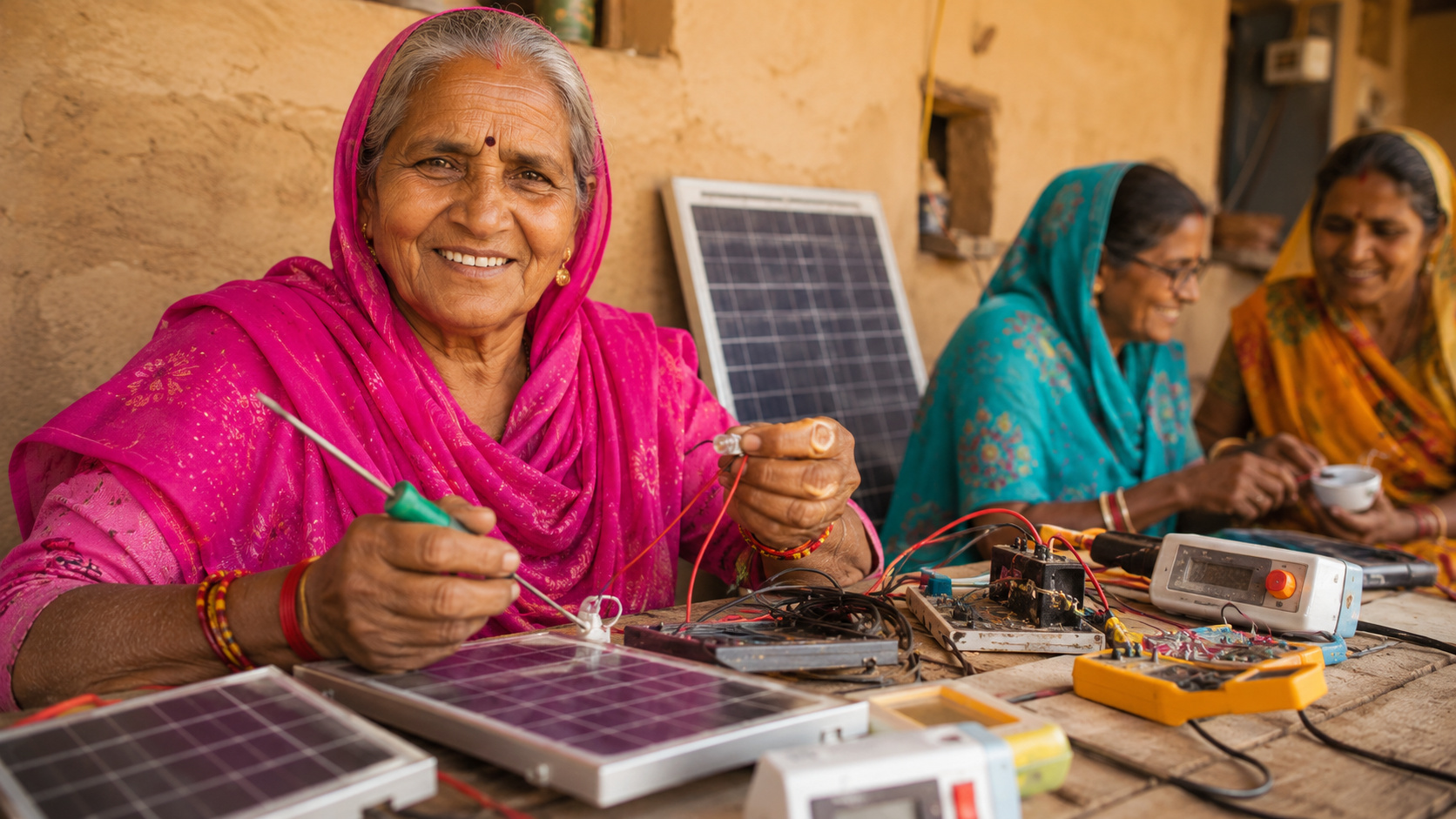
Illiterate or semi-literate grandmothers were trained to repair solar systems, open rural workshops, and light up homes that still depended on kerosene.

Investments in solar energy continue to grow, with forecasts for expansion and more photovoltaic generation projects. Expectations are that the prices of solar panels will reach historic lows, making solar energy even more accessible for end consumers.
Economic And Sustainable Benefits
Investing in solar energy is not just an ecological choice, but also an economically viable decision. Simulations show that a household with monthly electricity expenses of R$ 500 could see a return on its investment in solar panels in approximately 40 months, making it a financially attractive option.
The cumulative growth of solar power in Brazil has surpassed 25 gigawatts since 2012, reflecting a growing interest in adopting renewable energy sources. The country is moving towards a cleaner and self-sufficient energy matrix.
As solar energy becomes increasingly accessible, its use is expanding in Brazil. In addition to contributing to the environment, solar energy offers significant economic benefits for consumers. The time is ripe to take advantage of this irreversible trend and adopt solar energy as a sustainable and economic energy source.