





 Portuguese
  English
  Spanish
  5 min of reading


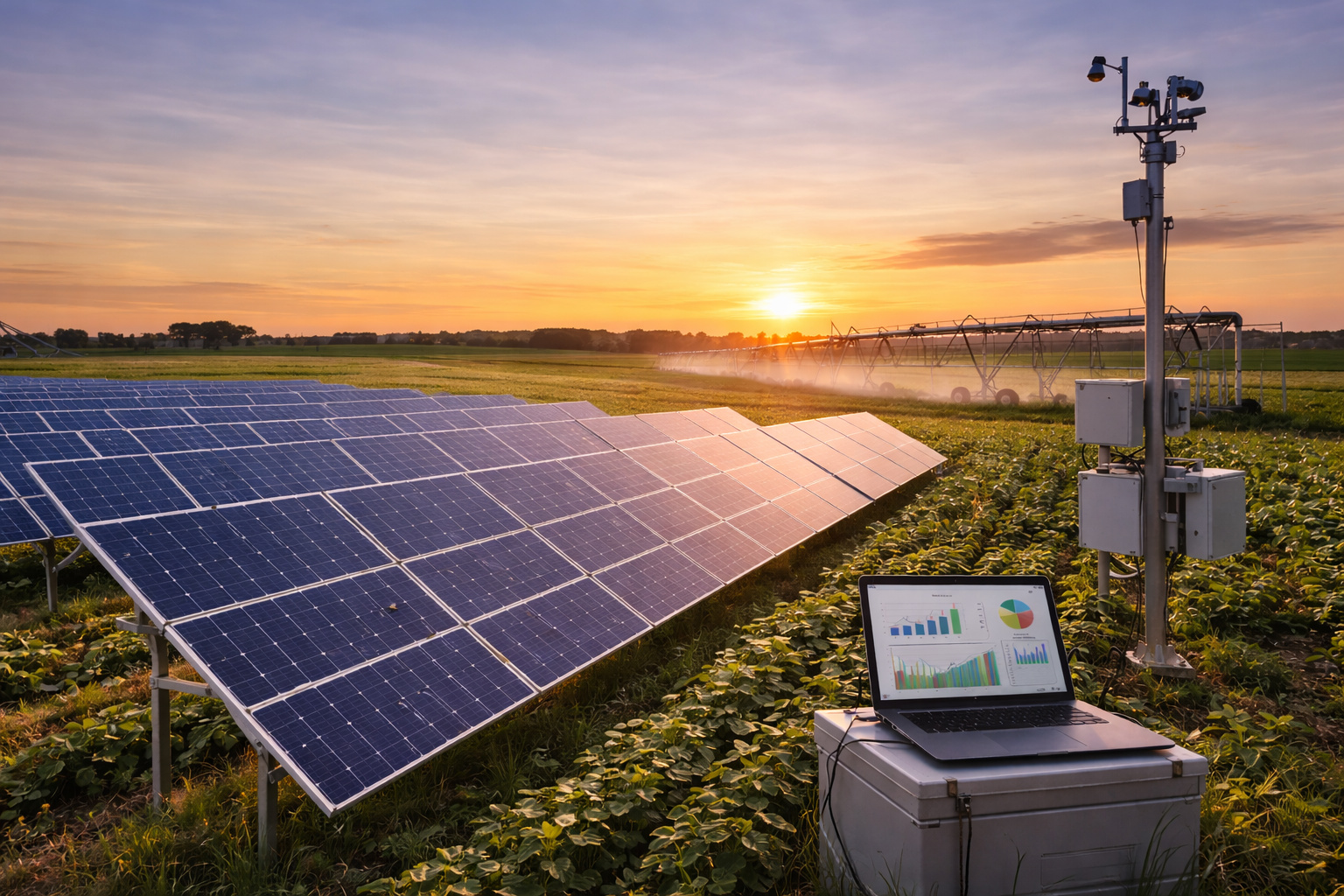
The advancement of solar energy in the Brazilian agribusiness reflects a silent, yet profound, transformation in how the countryside manages costs, efficiency, and long-term planning. Faced with the constant increase in electricity prices, rural producers have begun to seek solutions that offer financial predictability and greater control over energy consumption.
Historically, energy has always represented one of the main operational costs in the field. Irrigation systems, grain storage, mechanized milking, barn climate control, and agro-industrial processing directly depend on stable electricity supply. However, over the last few years, this cost has increasingly pressured profit margins.
According to data from the National Electric Energy Agency (Aneel), between 2015 and 2023, electricity tariffs in Brazil have accumulated adjustments above inflation in several periods. As a result, producers have felt a growing impact on their cash flow, especially in regions highly dependent on energy.
-
Surprising study by Scatec reveals that recycling solar panels in Brazil can return R$ 3.18 for every R$ 1 invested, transforming photovoltaic energy waste into a new source of economic value and strengthening the circular economy in the sector.

-
Now it’s law: energy distributors can be penalized for hiding data about solar energy in MS; The measure increases market transparency, reduces barriers for consumers, and accelerates the expansion of distributed generation in the state.
-
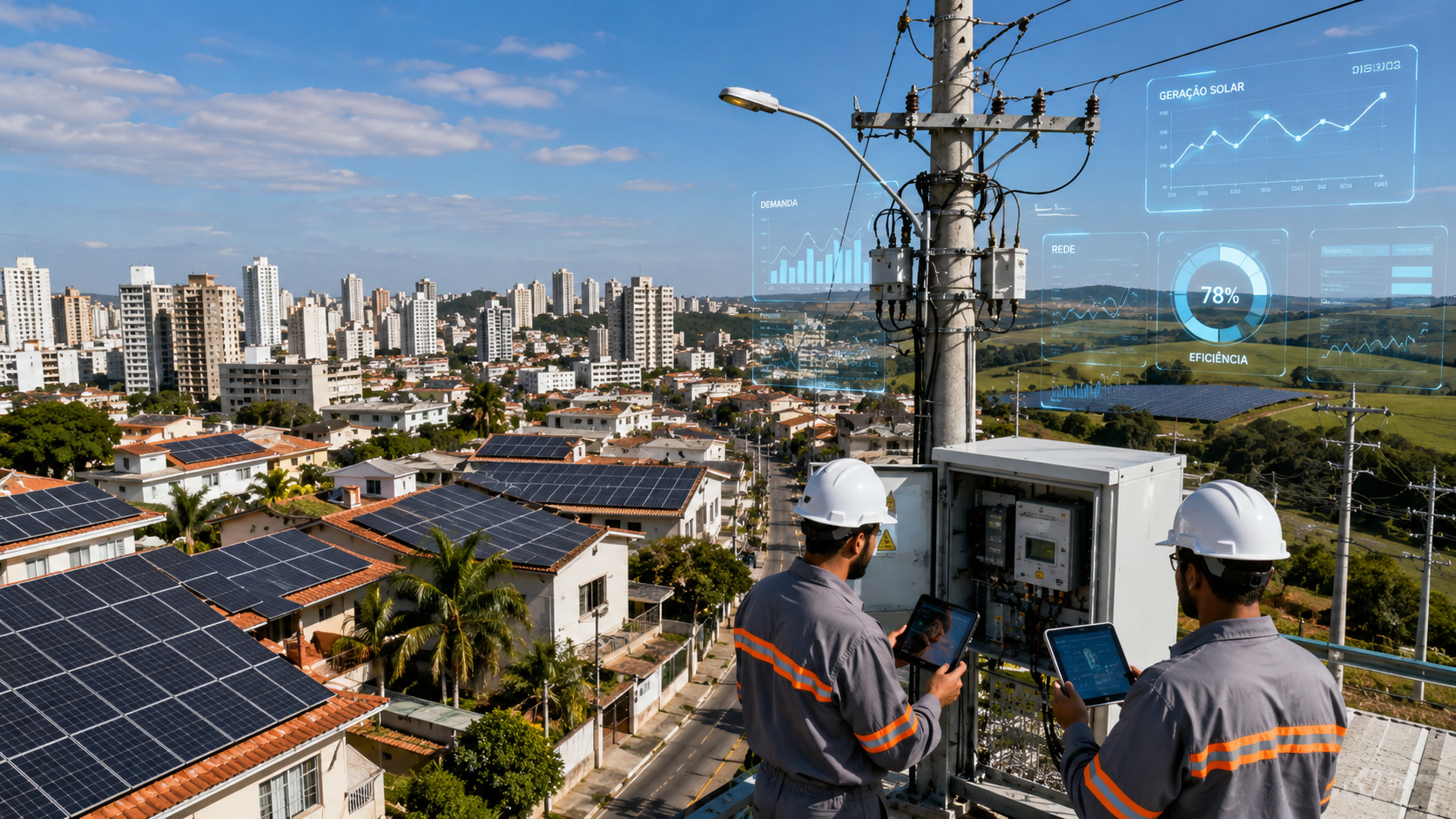
How the “solar cat” became a billion-dollar threat to the Brazilian electrical system and put ANEEL on high alert after the explosion of photovoltaic energy, clandestine frauds, and the growing risk of network collapse
-
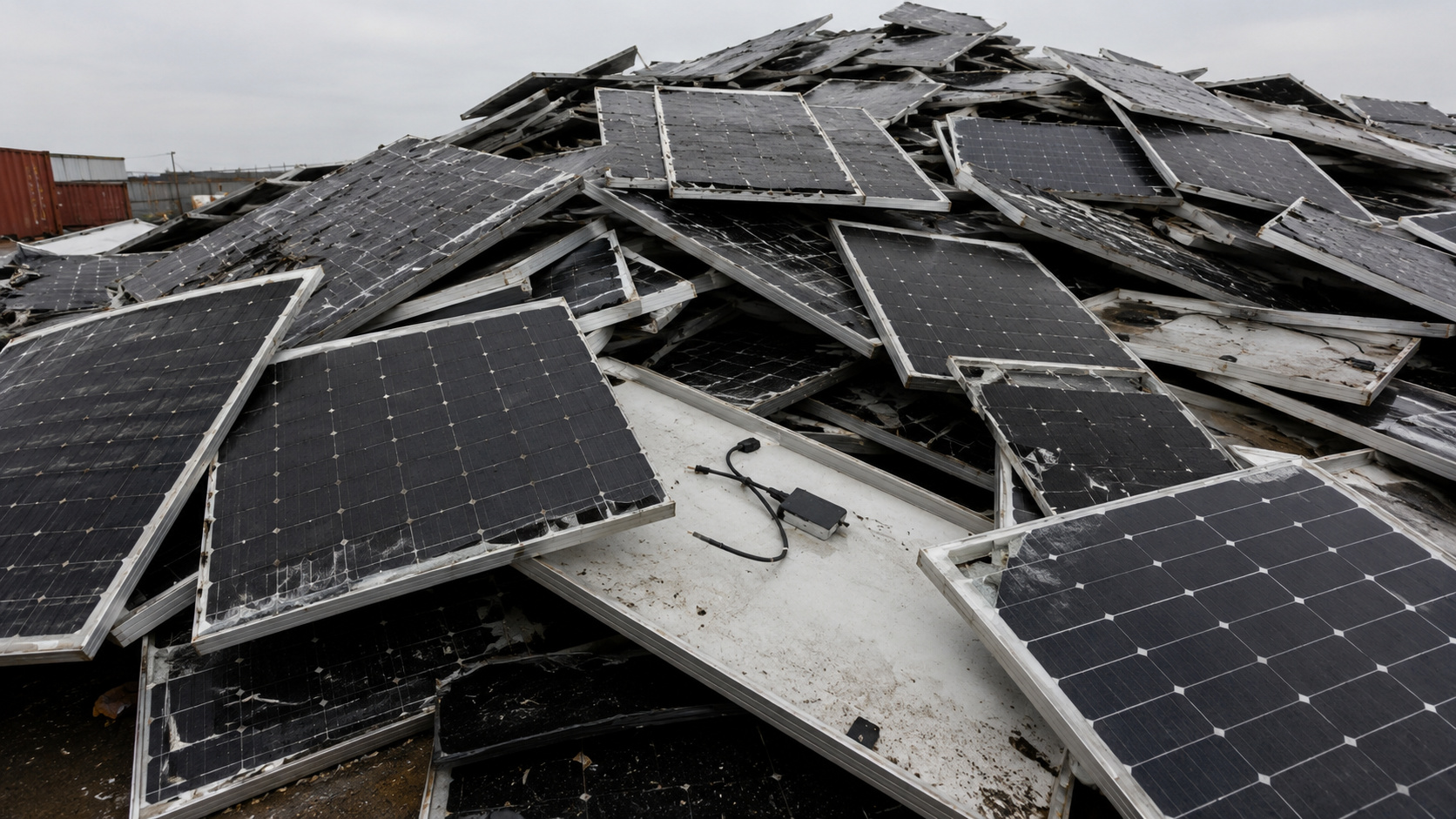
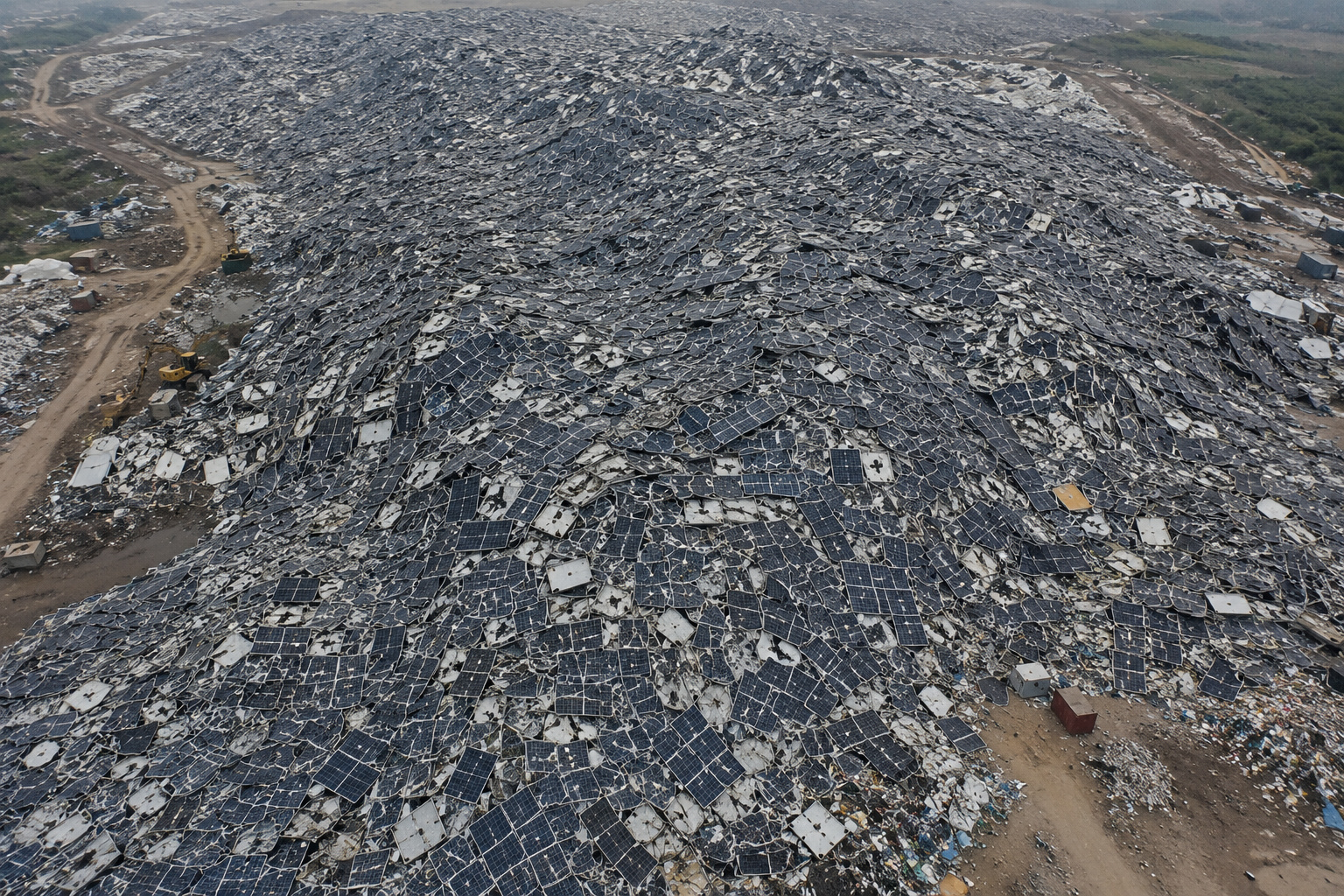
Solar energy covered rooftops and deserts, but now it’s preparing a mountain of old glass: up to 78 million tons of photovoltaic panels could become waste by 2050 as the world races to recycle the shiny skin of the energy transition.


Energy in the Field Has Always Been Strategic
Since the modernization of Brazilian agribusiness, especially from the 1970s onward, rural electrification has played a central role in increasing productivity. During that period, according to records from the Ministry of Agriculture, electrical grid expansion programs allowed the mechanization of activities and increased production scale.
However, for many years, producers were held hostage by utility companies and tariff fluctuations. Even though Brazil has a predominantly renewable energy matrix, extreme weather events, such as prolonged droughts, have raised generation costs and, consequently, electricity bills.
In this context, solar energy began to be seen not only as a sustainable alternative but also as an economic strategy. With the drop in the price of photovoltaic panels and greater credit availability, adoption accelerated in the countryside.
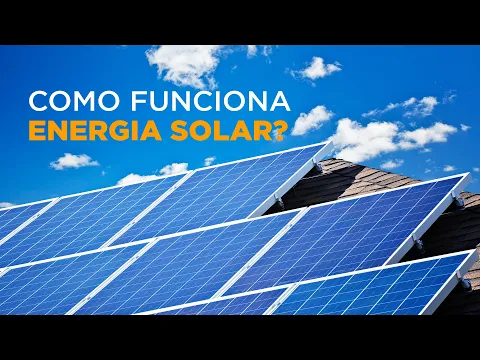

The Turn of Solar Energy in Agribusiness
Starting in 2012, when Aneel created the compensation system for electric energy, distributed generation gained traction. Since then, producers have started installing solar systems to offset part or even the entirety of their consumption.
According to Aneel, by 2024, the rural sector accounted for a significant portion of distributed generation connections in the country. This growth occurred because the field offers ideal characteristics for solar energy, such as large available areas and high daytime consumption.
Moreover, the predictability of sunlight allows producers to better plan their costs throughout the year. Thus, the electricity bill ceases to be an unpredictable variable and becomes an investment with measurable returns.
Smart Management as a Complement to Solar Energy
However, simply generating energy is not enough. In recent years, smart energy management has gained traction as a natural complement to solar energy in the field. Sensors, monitoring software, and automation systems have begun to integrate into the routine of rural properties.
According to studies by the Brazilian Agricultural Research Corporation (Embrapa), digitizing energy management allows for waste identification, consumption timing adjustments, and equipment use optimization. As a result, producers extract maximum benefits from the installed solar system.
Additionally, the integration of climate data, energy consumption, and agricultural productivity aids in decision-making. Thus, producers begin to see energy as a strategic part of the business, not just a fixed expense.
Cost Reduction and Margin Protection
The main motivation for adopting solar energy in agribusiness remains cost reduction. According to a survey by the Confederation of Agriculture and Livestock of Brazil (CNA), energy can represent up to 30% of operational costs in some agro-industrial activities.
By investing in solar energy, many producers can drastically reduce their dependence on the conventional electricity grid. As a result, margins are less exposed to tariff adjustments and red flag fees.
Furthermore, the return on investment typically occurs within five to seven years, depending on the system size and consumption profile. After this period, the energy generated begins to represent direct savings in cash flow.
Sustainability and Market Requirements
Another relevant factor involves market demands. Increasingly, international buyers, industries, and trading firms require sustainable practices in the production chain. In this scenario, the use of solar energy enhances the producer’s image and opens commercial doors.
According to the Ministry of the Environment, commitments made by Brazil in international agreements, such as the Paris Agreement, pressure all sectors to reduce emissions. Agribusiness, due to its economic relevance, holds a central position in this debate.
Therefore, by adopting solar energy and smart management, producers not only reduce costs but also align with global trends of sustainability and traceability.
Higher Energy Costs Accelerate Transition in the Field
The recent rise in electricity costs has acted as a catalyst for this transformation. According to the National Electric System Operator (ONS), periods of water scarcity necessitated the activation of thermoelectric plants, raising the cost of energy in the country.
In light of this scenario, many producers have expedited investment decisions in solar energy. The logic is simple: the greater the uncertainty in energy prices, the more valuable the solutions that bring stability.
Additionally, specific credit lines for renewable energy, offered by public and private banks, have facilitated access to technology, even for medium and small producers.
A Movement That Tends to Consolidate
When observing the sector’s history, it becomes clear that solar energy in agribusiness has ceased to be an exception. Today, it is part of a broader strategy for efficiency, management, and economic resilience.
According to the IEA (International Energy Agency), solar energy will continue to be one of the fastest-growing sources globally until 2030. In Brazil, with its abundance of sunlight and agricultural vocation, this trend is likely to consolidate even further in the field.
Thus, the combination of solar energy and smart management emerges not only as a response to rising costs but as a new standard of competitiveness. Producers who invest today are better positioned to face economic fluctuations, environmental demands, and future challenges of Brazilian agribusiness.






Be the first to react!