Portuguese
  Spanish


NASA Space Solar Energy Could Cut €35B Annually in Europe and Reduce Dependence on Terrestrial Renewables.
Europe could save around €35.9 billion per year by 2050 through the adoption of space solar energy, according to a study by King’s College London.
The research reveals that the technology being developed by NASA has the potential to reduce the need for terrestrial renewable generation by up to 80%, as well as decrease reliance on batteries for energy storage on the continent.
The study, published in the scientific journal Joule, projects that this generation model could become a crucial ally in helping the European Union achieve its carbon neutrality goal by 2050.
-
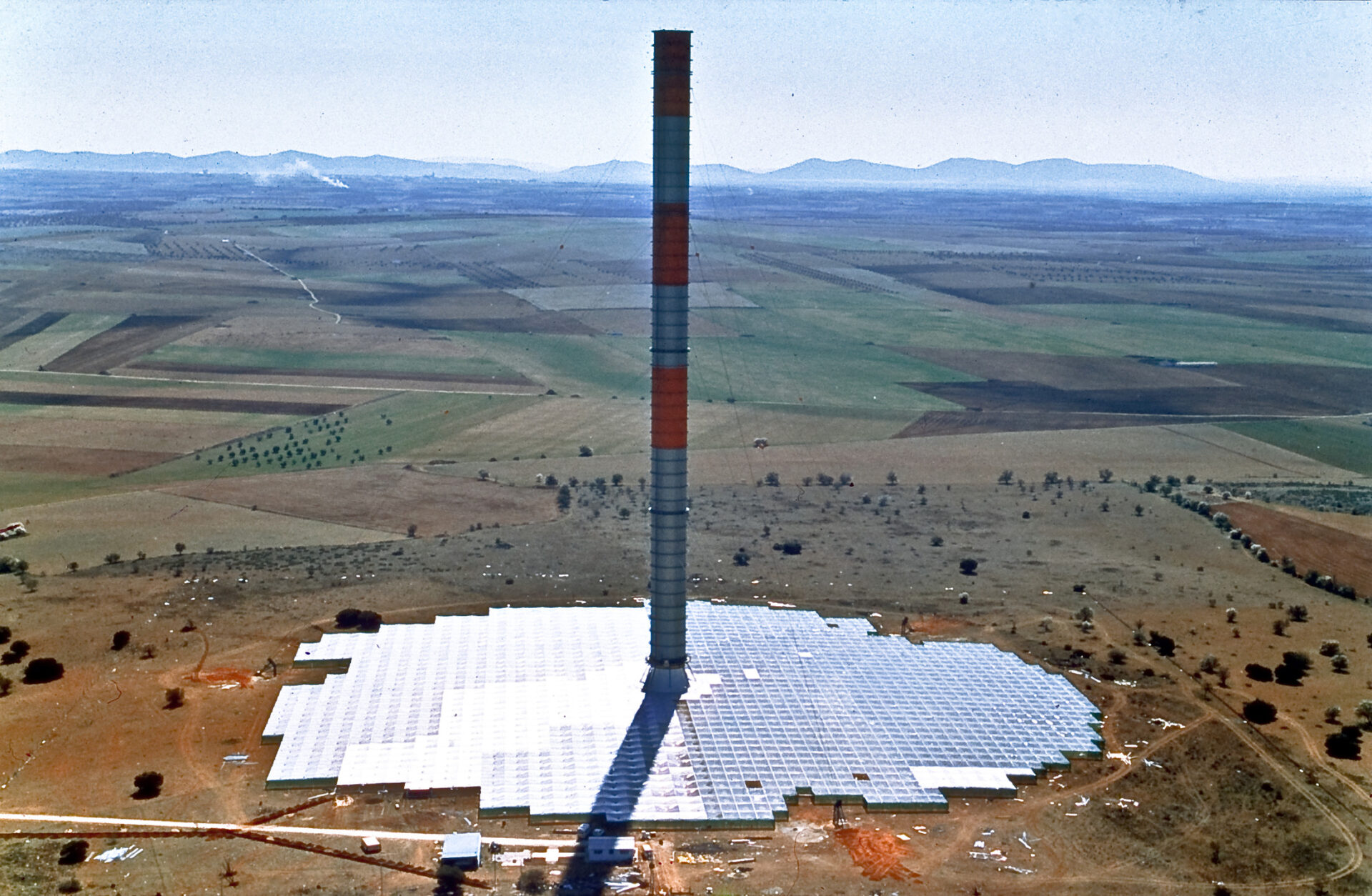
Solar Chimney in Spain Harnessed Sun to Generate Electricity for 7 Years Without Burning Fuel

-
Solar energy reaches 55 GW, becoming the second largest power source in Brazil’s energy mix

-
Solar energy can increase property value by up to 10% and become a selling point.
-
Solar and wind energy surpass natural gas for the first time in the world and accelerate energy revolution




What Is Space Solar Energy and How Does It Work
Unlike traditional solar energy, space solar energy is harvested outside of Earth, in orbit, through large satellites equipped with solar modules.
The main advantage lies in continuous collection, as the technology is not affected by clouds and does not depend on the cycle of day and night.
The energy generated in space would be transmitted to receiving stations on Earth, where it would be converted into electricity and integrated into national electrical grids.
In addition to its reliability, the proposal eliminates common risks associated with terrestrial infrastructures, such as floods, extreme winds, or earthquakes.
NASA Research: RD1 Model in Spotlight
The model studied by King’s College is RD1, one of two projects currently underway at NASA.
The U.S. space agency expects the first space solar generation systems to be operational by mid-century.
According to the authors of the study, this is the first analysis to project in detail the economic impacts of applying space solar energy in the European market.
The research also estimates that integrating the technology could reduce the total cost of the European electrical system by up to 15%, including generation, transmission, storage, and grid.
Benefits Beyond Cost Savings
In addition to the billion-euro cost cut, space solar energy could provide strategic gains for European energy security.
By relying less on terrestrial resources, countries would have greater stability in supply, avoiding interruptions and crises related to climate or infrastructure.
Another point highlighted by researchers is the reduction of two-thirds in the need for battery storage, which currently represents one of the biggest barriers to the expansion of renewables.
Space Solar Energy and the Race for Net Zero
Achieving carbon neutrality by 2050 will require a rapid expansion of the clean energy matrix and new technological solutions.
In this scenario, space solar energy emerges as a strategic complement to already established sources, such as wind and terrestrial solar.
The study suggests that Europe could lead the way by integrating large-scale orbital systems, positioning itself as a global pioneer in utilizing this futuristic energy source.