Portuguese
  Spanish




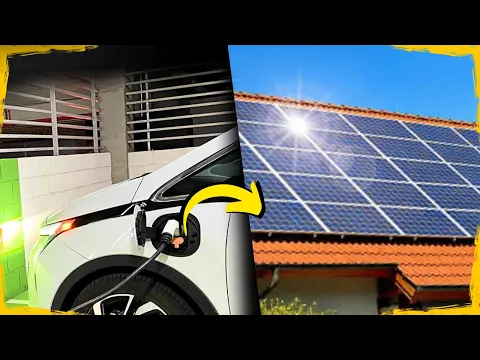
Discover How Charging Electric Vehicles with Solar Energy Transforms Homes into Sustainable Refueling Points.
Charging electric vehicles is no longer a distant novelty and is already part of the reality of many families in different countries, including Brazil. This change arose from a long historical process in which clean technologies gained ground as an alternative to traditional fossil fuel consumption.
Moreover, the use of solar energy in this context represents a decisive step. It allows vehicles to be refueled more sustainably and, at the same time, transforms homes into active agents of the energy transition.
Thus, the idea of recharging a car in one’s own garage using energy captured from the sun symbolizes a future connected with environmental preservation and energy autonomy.
-
Giant Batteries Take Center Stage in Chile Auction as Company Offers 960 GWh of Solar Energy for Nighttime Use, Aiming to Stabilize Solar Power Supply

-
World’s Largest Engie Solar Plant in Brazil Highlights Billion-Dollar Energy Waste Issue: Company Considers Batteries and Bitcoin Mining to Avoid Wasting Production

-
Over 60 Tractors Take to the Streets in Lopera as Solar Parks Compete with Olive Groves, Affecting 13,000 to 100,000 Trees According to Conflicting Reports
-
Brazil’s Vitória Airport to Launch Solar Plant Covering Area of 10 Soccer Fields, Boosting Clean Energy and Cutting Costs



The Beginning of Electric Mobility and Its Connections with Solar Energy
Electric mobility has ancient roots; therefore, its current consolidation did not happen by chance. The first electric cars emerged in the 19th century when engineers were seeking alternatives to the combustion engine.
Despite the initial advancement, the popularization of gasoline-powered cars moved electric models away from everyday life for decades.
However, the growing concern about pollution and climate change rekindled interest in cleaner solutions. For that reason, electric vehicles returned to the scene as protagonists of a new phase of transportation.
In parallel, photovoltaic solar energy developed and became more accessible. This opened the door for charging electric vehicles at home, uniting mobility and renewable generation.
Thus, Brazil, one of the sunniest countries in the world, has ideal conditions for the growth of this practice. As a consequence, thousands of homes already have photovoltaic panels, creating a natural path for home charging to become increasingly common.
How Charging Electric Vehicles at Home Works
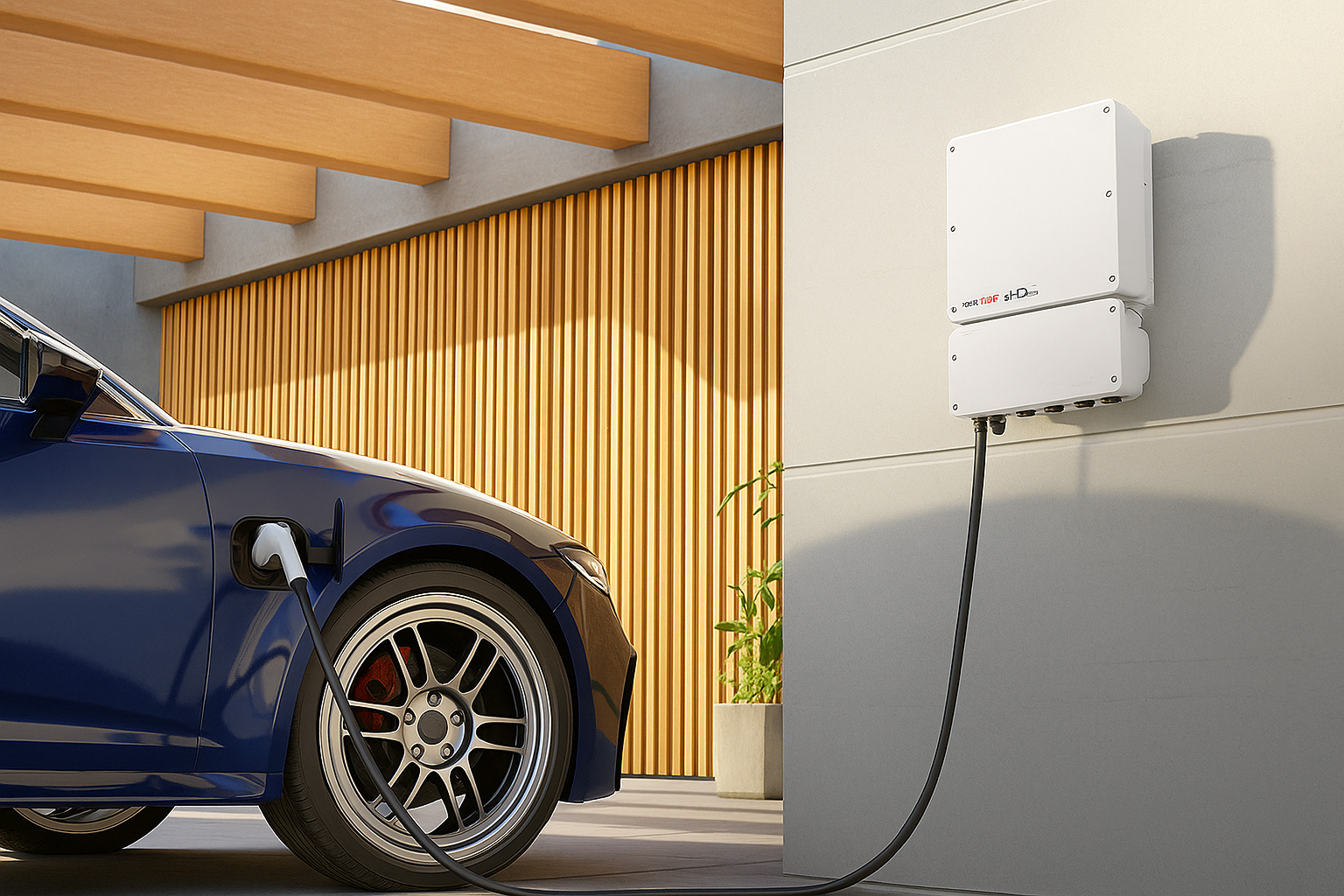
The process is straightforward, although it involves advanced technology. Solar panels capture sunlight and convert it into electricity.
Then, this electricity powers the home and can also charge the electric vehicle through home charging stations.
In addition, this integration generates significant benefits. Solar energy reduces dependence on conventional power grids and alleviates pressure on the national energy system.
Therefore, the vehicle owner gains more autonomy, as they refuel the car without relying on gas stations or public charging points.
Another important factor is long-term savings. Although installing solar panels requires initial investment, the return comes with the reduction of energy bills and the cost to keep the car moving.
Thus, this financial balance becomes even more attractive as the prices of photovoltaic technology continue to fall.
The Role of Solar Energy in the Future of Mobility
Charging electric vehicles at home only gains strength because solar energy occupies a central role in a sustainable future. After all, adopting this model reduces greenhouse gas emissions and reinforces the commitment to the energy transition.
Moreover, many experts believe that, within a few years, electric vehicles and solar energy will transform homes into small energy plants. In this scenario, residences will not only consume clean electricity but also provide excess power to the grid.
Thus, a more decentralized and efficient system is created.
This model is already happening in some countries, where incentive programs and public policies encourage families to install solar systems.
On the other hand, in Brazil, the practice is gradually advancing, but it carries enormous growth potential.
Sustainability and Energy Independence
Charging electric vehicles with solar energy goes beyond environmental preservation. It represents, above all, a real quest for energy independence.
When a family generates its own energy to power its home and car, it begins to control its costs.
Thus, it reduces vulnerability to fluctuations in fuel prices and electricity tariffs.
This independence becomes even more relevant during periods of economic, climatic, or political instability. Investing in solar energy ensures access to a constant and abundant resource: sunlight.
Therefore, this choice strengthens energy security both at the household and national levels by decreasing pressure on large plants and transmission networks.
Additionally, sustainability is also reflected in the direct impact on the environment. Every family that opts for solar energy and electric vehicles helps reduce pollutants affecting cities.
This movement helps to maintain the planet’s climate balance.
Challenges and Perspectives
Despite the advantages, some challenges remain and need to be faced. The initial cost of panels and home charging stations still burdens part of the population.
This way, the expansion of this model depends on more robust public policies and accessible financing options.
Another obstacle lies in awareness. Many people are still unaware of the benefits of charging electric vehicles at home with solar energy.
Therefore, educational campaigns and pilot projects help to demonstrate that the practice is feasible and brings environmental and economic gains.
Even with these challenges, the outlook is promising. This is because technological evolution tends to reduce costs, and access to specific credit should expand.
Thus, more Brazilians will be able to transform their homes into centers of clean mobility.
The Future of Clean Mobility in Brazilian Homes
As consumers adopt electric vehicles and solar energy, the transition to a sustainable energy model accelerates. Home charging becomes not just a convenience but a part of a new lifestyle.
Furthermore, the future points to cities where thousands of residences function as scattered charging points, reducing the need for large networks of gas stations.
Therefore, this change profoundly alters how we think about transportation and energy.
Thus, electric mobility becomes more accessible and integrated into everyday life.
Charging electric vehicles at home, powered by solar energy, represents much more than a technological trend. It symbolizes a transformation in the relationship between society, consumption, and the environment.
Therefore, this path aligns innovation, economy, and sustainability.
It helps build a cleaner and more balanced future.