Portuguese
  Spanish


Discover How Ipaam Regulates Solar Energy Licensing in Amazonas, Ensuring Legal Security and Sustainable Expansion of the Renewable Matrix.
The development of solar energy in Amazonas has gained prominence in recent years, as it aligns with the global trend of transitioning to renewable and clean sources.
Moreover, Amazonas, known for its vast rainforest and abundance of rivers, has historically relied on hydroelectric plants as the main source of electricity.
However, due to the peculiarities of the State, such as isolated regions and logistical challenges, there arose a need to seek diversified energy alternatives, including solar energy.
-
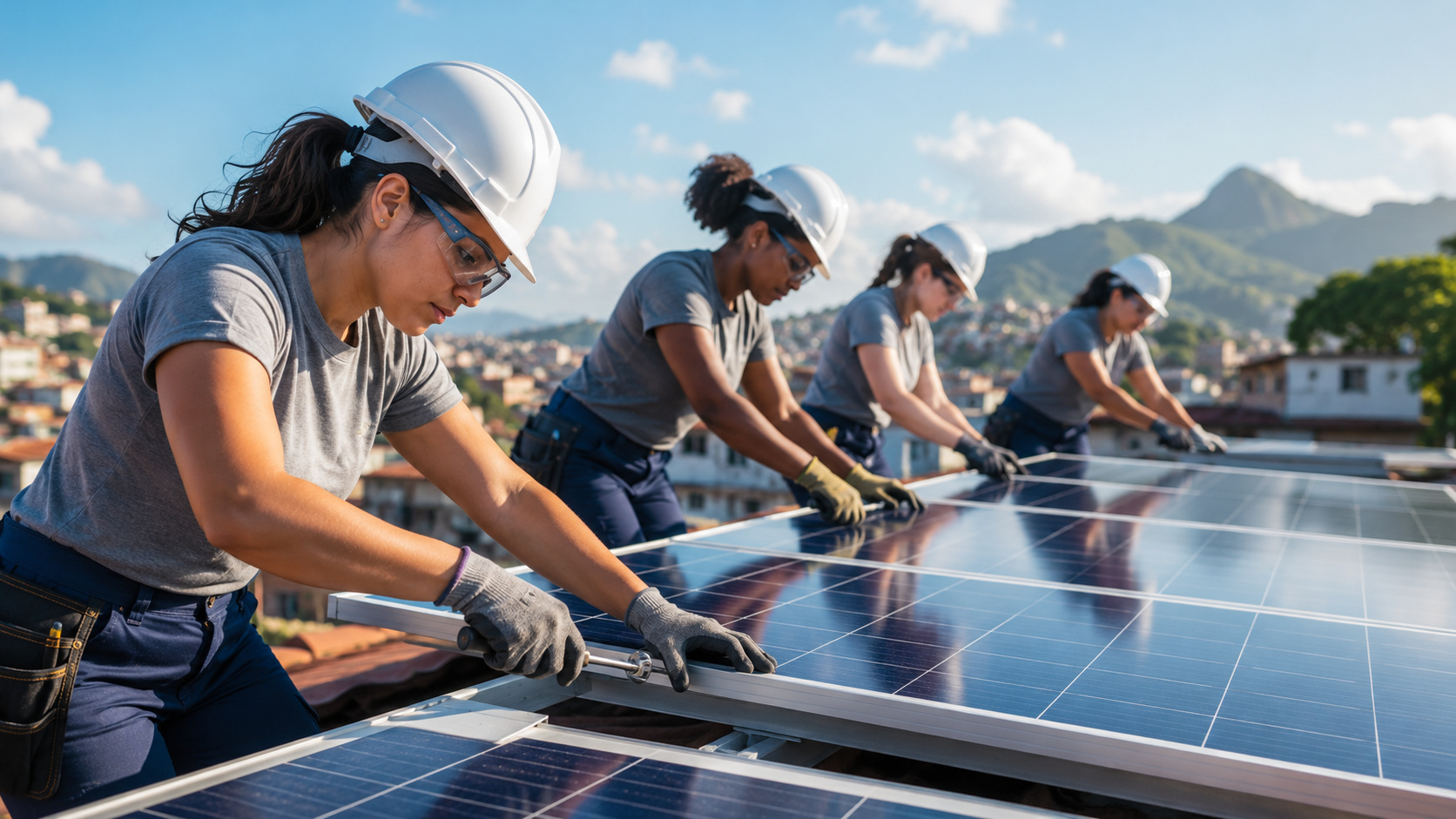
Solar energy can increase property value by up to 10% and become a selling point.

-
Solar and wind energy surpass natural gas for the first time in the world and accelerate energy revolution

-
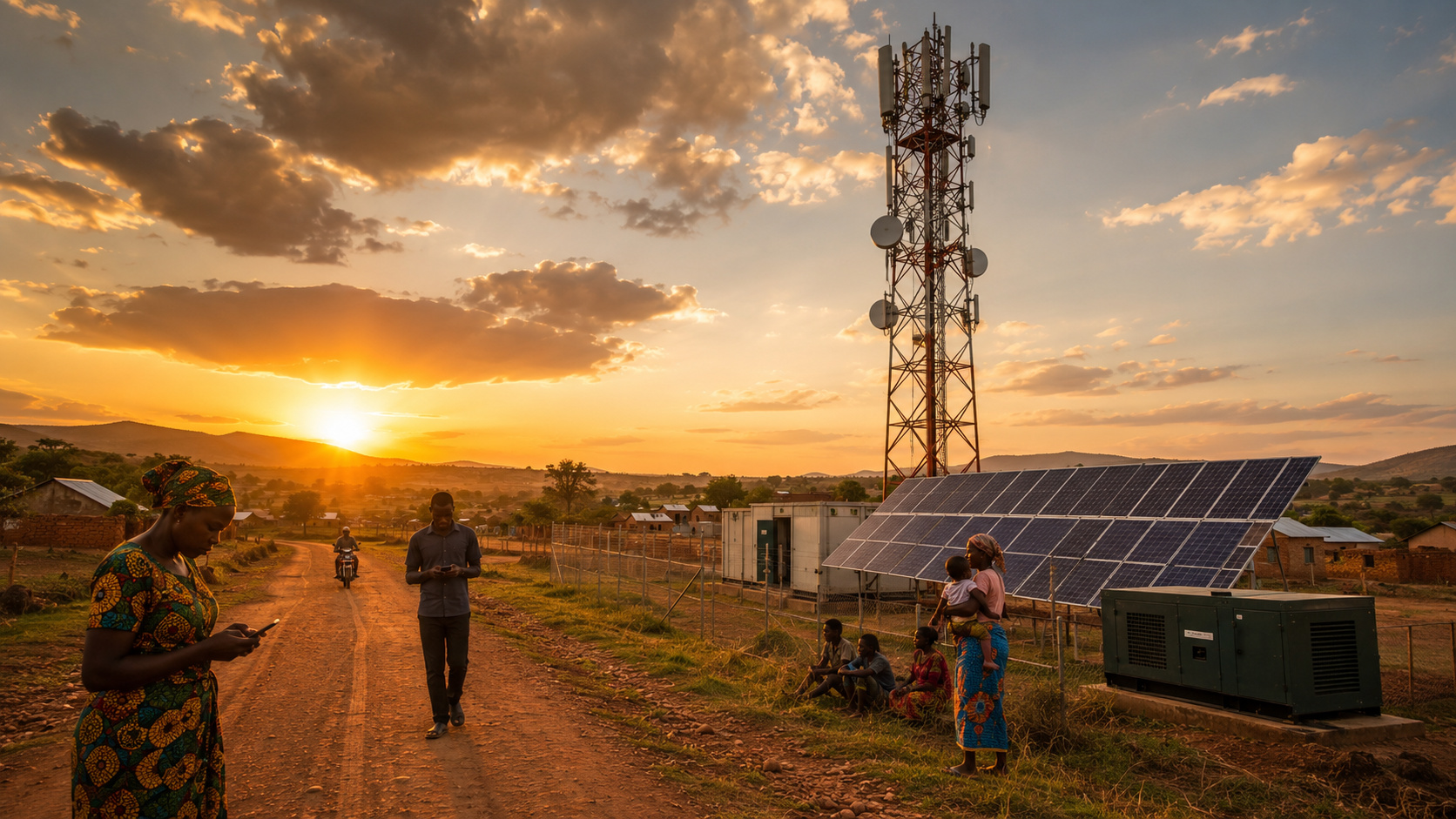
Africa has about 500,000 cell towers and most still burn diesel to operate, while companies rush to cover antennas with solar energy and avoid signal blackouts.
-
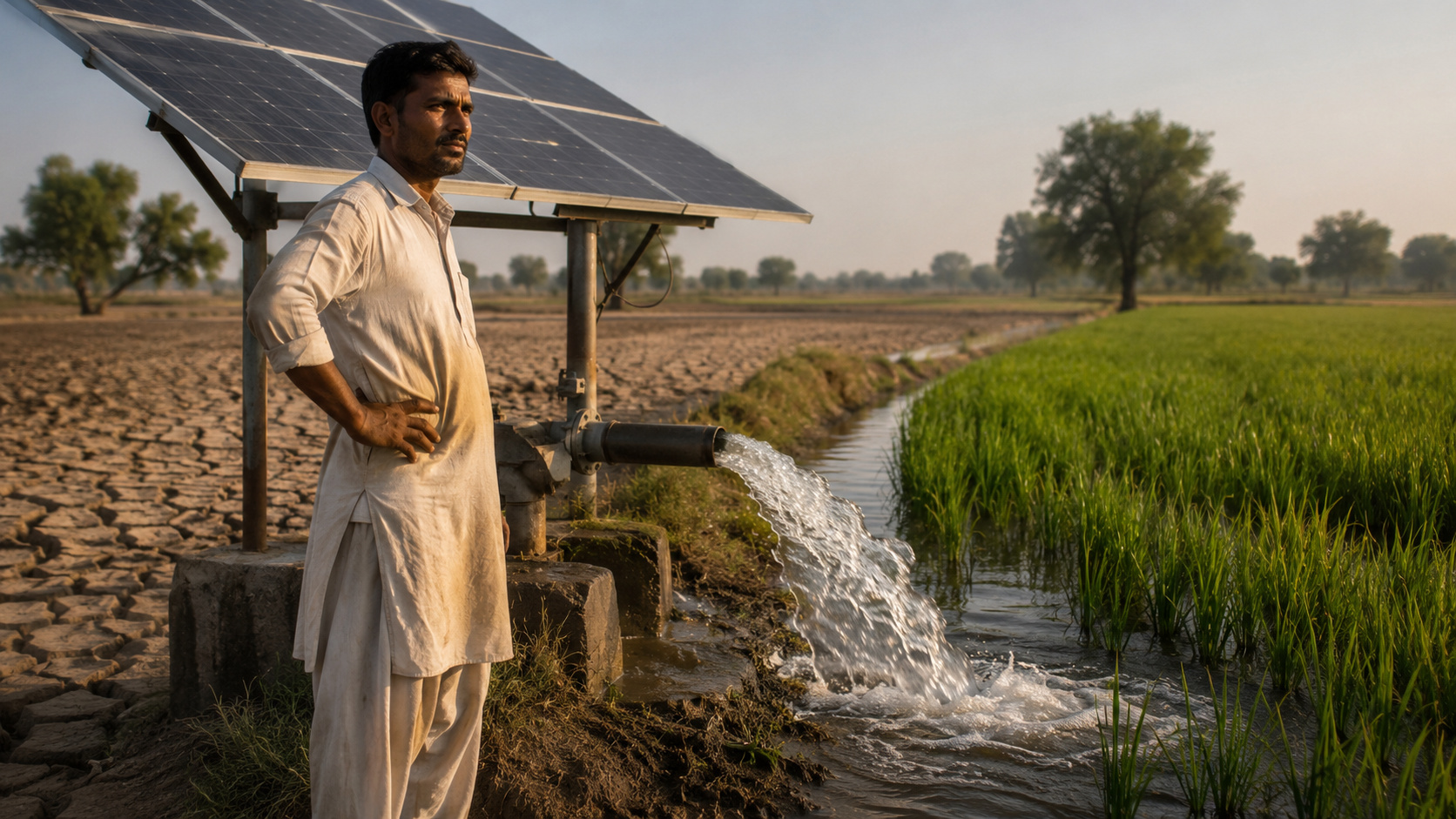
Farmers swapped diesel for solar panels in Pakistan, powered irrigation pumps almost cost-free, expanded rice fields, and now groundwater has become a red alert in the countryside.


Therefore, historically, Amazonas has faced challenges to diversify its energy matrix. For decades, the reliance on hydroelectric plants and the transport of fossil fuels to remote areas has resulted in high costs and environmental impacts.
Thus, the introduction of solar energy emerges as a strategic solution, capable of generating electricity in a distributed and sustainable manner.
Additionally, solar energy not only reduces greenhouse gas emissions but also enhances energy security, especially in rural communities and hard-to-reach areas.
Equally important, interest in solar energy has intensified with the technological evolution. Indeed, more efficient photovoltaic panels, energy storage systems, and hybrid solutions have broadened the possibilities for electricity generation in remote locations.
Consequently, current technology allows small communities or rural properties to become self-sufficient, reducing fuel transport costs and promoting greater energy independence.
Ipaam’s Regulation and Its Licensing Criteria
On August 20, 2025, the Amazon Environmental Protection Institute (Ipaam) published Normative Instruction No. 004/2025, a significant milestone in the regulation of the solar energy sector in the State.
Thus, the regulation establishes clear criteria for the environmental licensing of photovoltaic projects, providing legal security, standardizing procedures, and encouraging the expansion of a renewable energy matrix.
Therefore, this measure represents an important advance in the modernization of the energy sector, reconciling economic development with environmental preservation.
Furthermore, the Ipaam regulation details the different levels of licensing according to the installed capacity of photovoltaic systems.
For example, for projects of up to 1 megawatt (MW), the instruction provides for the Declaration of Exemption (DI), provided they are not located in environmentally sensitive areas, such as Conservation Units, Permanent Preservation Areas (APP), and indigenous lands.
In this way, this measure simplifies bureaucracy and encourages small solar energy producers, allowing companies and homes to expand their participation in the renewable matrix.
On the other hand, for systems with a capacity greater than 1 MW and up to 3 MW, the Exemption from Environmental Licensing (DLA) applies, as long as a Descriptive Report is presented.
Additionally, plants between 3 MW and 10 MW must prepare a Simplified Environmental Report (RAS), while projects above 10 MW need to present an Environmental Impact Study (EIA) and Environmental Impact Report (Rima).
Thus, this detailing demonstrates the environmental agency’s concern in balancing energy growth and environmental preservation, offering clear guidelines that benefit both entrepreneurs and society.
Another relevant point of the regulation is the requirement for environmental licensing whenever there is vegetation removal, earthworks, or intervention in permanent preservation areas, regardless of the installed capacity.
Regularization and Adaptation of Projects
The normative instruction also addresses the environmental regularization of projects already in operation or in the process of legalization through corrective licensing.
Thus, the projects must present a Environmental Control Report (RCA) or a Simplified Environmental Report (RAS), depending on the stage they are in.
Thus, this measure ensures that older projects comply with the new requirements without compromising their operation.
Moreover, the publication of the regulation reflects wider historical trends in the Brazilian energy sector.
Indeed, over the past few decades, the country has sought to diversify its energy matrix, leveraging solar potential in different regions.
For example, states like Minas Gerais, Bahia, and Ceará have already established photovoltaic parks, demonstrating the economic and environmental benefits of solar energy.
Consequently, with clear guidelines for Amazonas, the State can explore its own potential, strengthening the local economy and generating jobs in new green technologies.
Furthermore, the regulation increases private investors’ confidence.
With transparent rules, the private sector feels more secure to invest in solar energy projects, whether in installing small plants or in large photovoltaic parks.
Therefore, this creates a virtuous cycle of development, technological innovation, and the creation of specialized jobs in the State.
Economic, Social, and Environmental Benefits
The impact of solar energy in Amazonas goes beyond electricity generation.
Indeed, solar projects drive technological innovation, attract private investments, and foster the training of specialized labor.
Additionally, companies involved in engineering, installation, and maintenance of photovoltaic systems will find new opportunities, while universities and research centers can develop applied studies that enhance the efficiency and integration of these systems.
Beyond the economic and technological context, solar energy offers significant social benefits.
Consequently, isolated communities, historically dependent on diesel generators or the transport of expensive fuels, can now benefit from clean, reliable, and low-cost electricity.
This positively impacts essential sectors such as health, education, and communication, contributing to sustainable development and improving the quality of life in the State’s interior.
Furthermore, Amazonas, with its tropical climate and high solar incidence for much of the year, has ideal conditions for the growth of photovoltaic energy.
Thus, the expansion of this energy matrix helps the State reduce its dependence on hydroelectric and fossil sources, while promoting the preservation of the Amazon rainforest.
With an efficient and transparent environmental licensing, Ipaam provides support for the private sector to invest safely and with environmental responsibility.
Complementarily, solar energy strengthens the State’s energy resilience.
With distributed systems, cities and communities maintain electricity supply even in critical periods, ensuring reliable energy.
Solar Energy and the Sustainable Future of Amazonas
Moreover, Ipaam’s regulation fits into a global context of energy transition.
Indeed, countries around the world encourage the use of solar energy to reduce carbon footprints and address the challenges of climate change.
In this scenario, Amazonas occupies a strategic role, leveraging its natural potential to contribute to regional development and the national and international environmental commitments.
So, in summary, solar energy in Amazonas represents a decisive step in building a more sustainable and diversified energy future.
With Normative Instruction No. 004/2025, Ipaam establishes clear criteria for environmental licensing, ensuring legal security, efficiency, and environmental protection.
Thus, the State progresses in promoting clean sources, encouraging technological innovation, and improving the quality of life for the population, establishing itself as an example of sustainable development in the Amazon region.
Finally, the publication of this regulation marks a historic moment for renewable energy in Amazonas.
With a clear and reliable regulatory environment, Ipaam enables entrepreneurs, communities, and the government to work together towards a greener, more efficient, and inclusive energy model.
Thus, solar energy is not just an energy alternative but a driving force for economic, social, and environmental transformation in the heart of the Amazon.