Portuguese
  Spanish


Solar energy in Brazilian agribusiness has been gaining more and more space, especially with the advancement of innovative technologies. In this context, Agrishow 2026, held in Ribeirão Preto, presented a solution that draws attention for its transformative potential: autonomous robots powered by solar energy that “live” in the field and combat pests with artificial intelligence.
According to the G1 website, these devices represent a new stage of agricultural modernization, as they combine clean energy, automation, and artificial intelligence to improve crop management, reduce costs, and increase productivity.
The concept of robots that live in the field
Unlike traditional machines, these robots are designed to remain in the field for long periods. In other words, they do not need to be constantly transported, which already represents an important change in the work dynamics in agribusiness.
-
Brazil’s Vitória Airport to Launch Solar Plant Covering Area of 10 Soccer Fields, Boosting Clean Energy and Cutting Costs

-
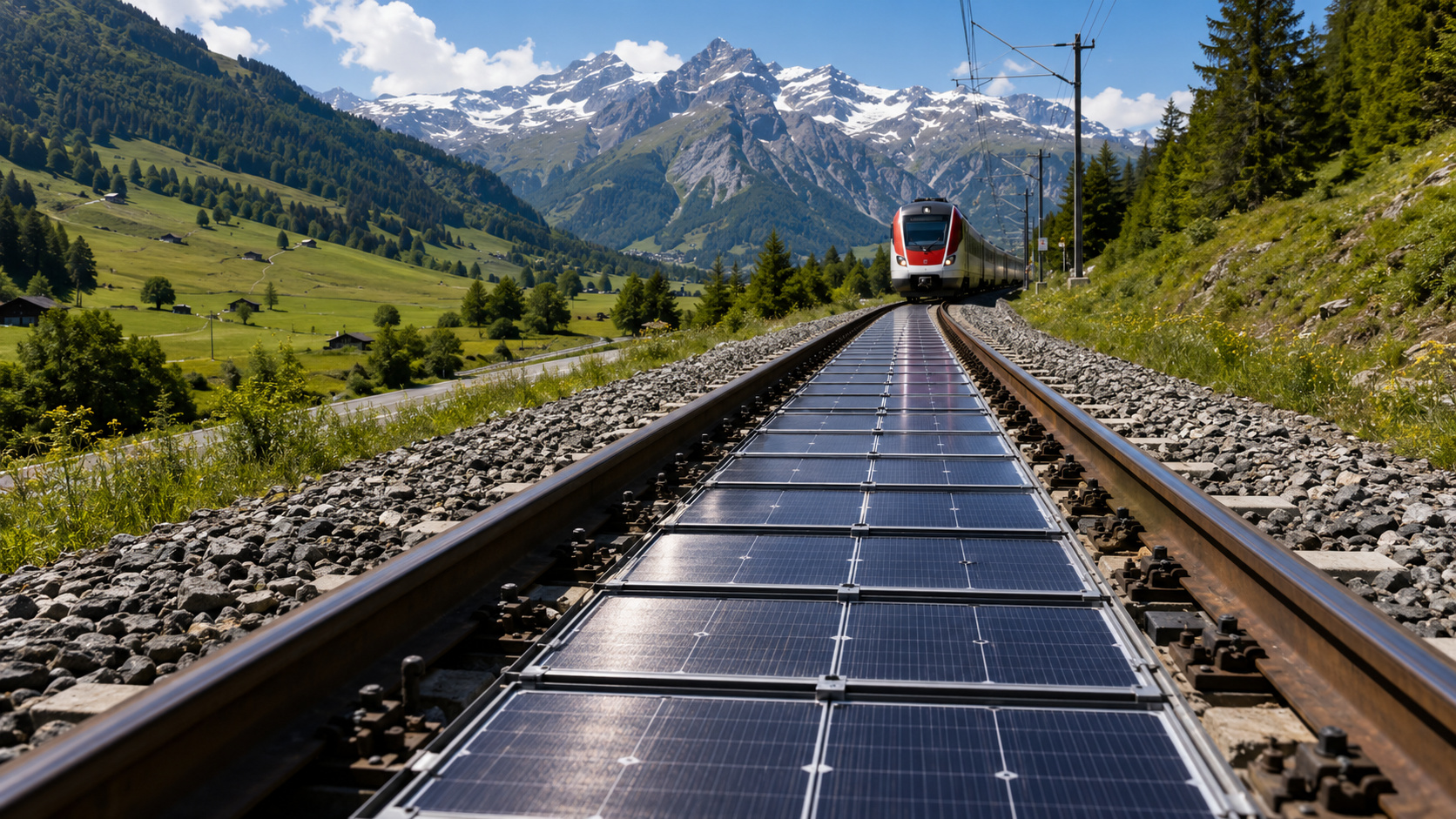
Switzerland Converts Train Tracks into Solar Power Plants with Removable Panels to Generate Energy Without Using Additional Land
-
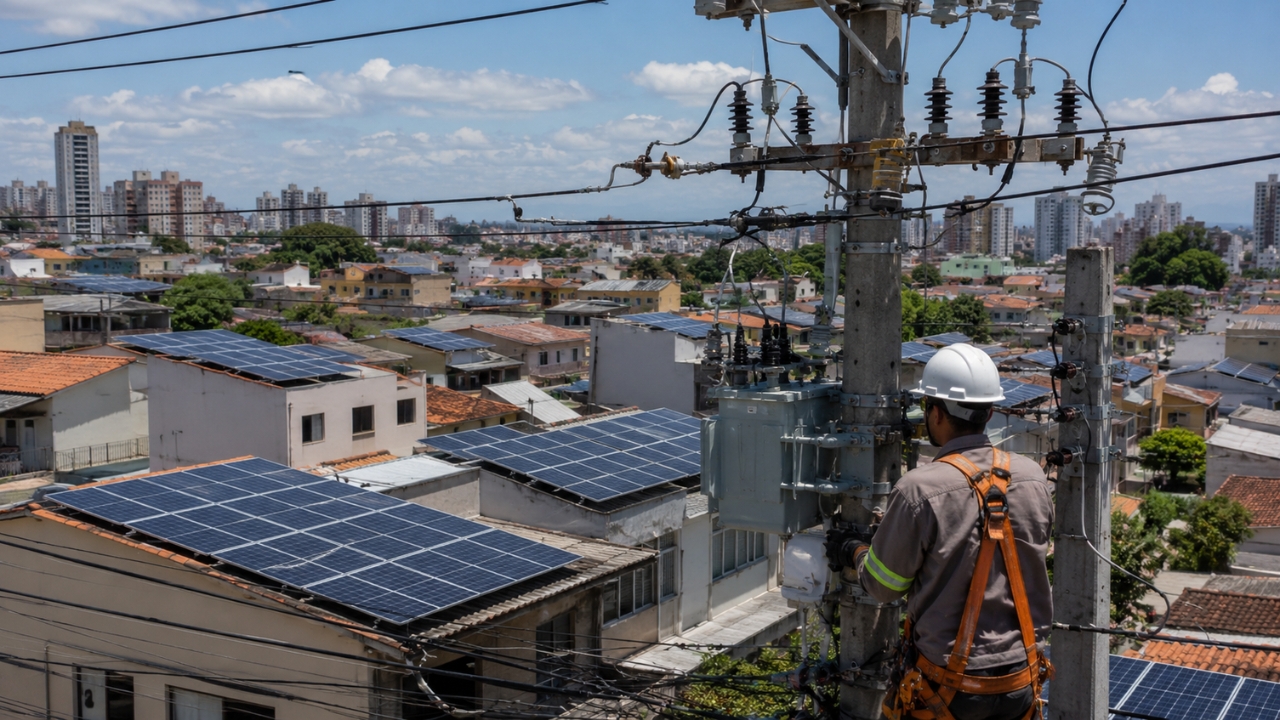
Surge in Solar-Powered Homes in Brazil Leads to Grid Strain and Connection Restrictions in Three States

-
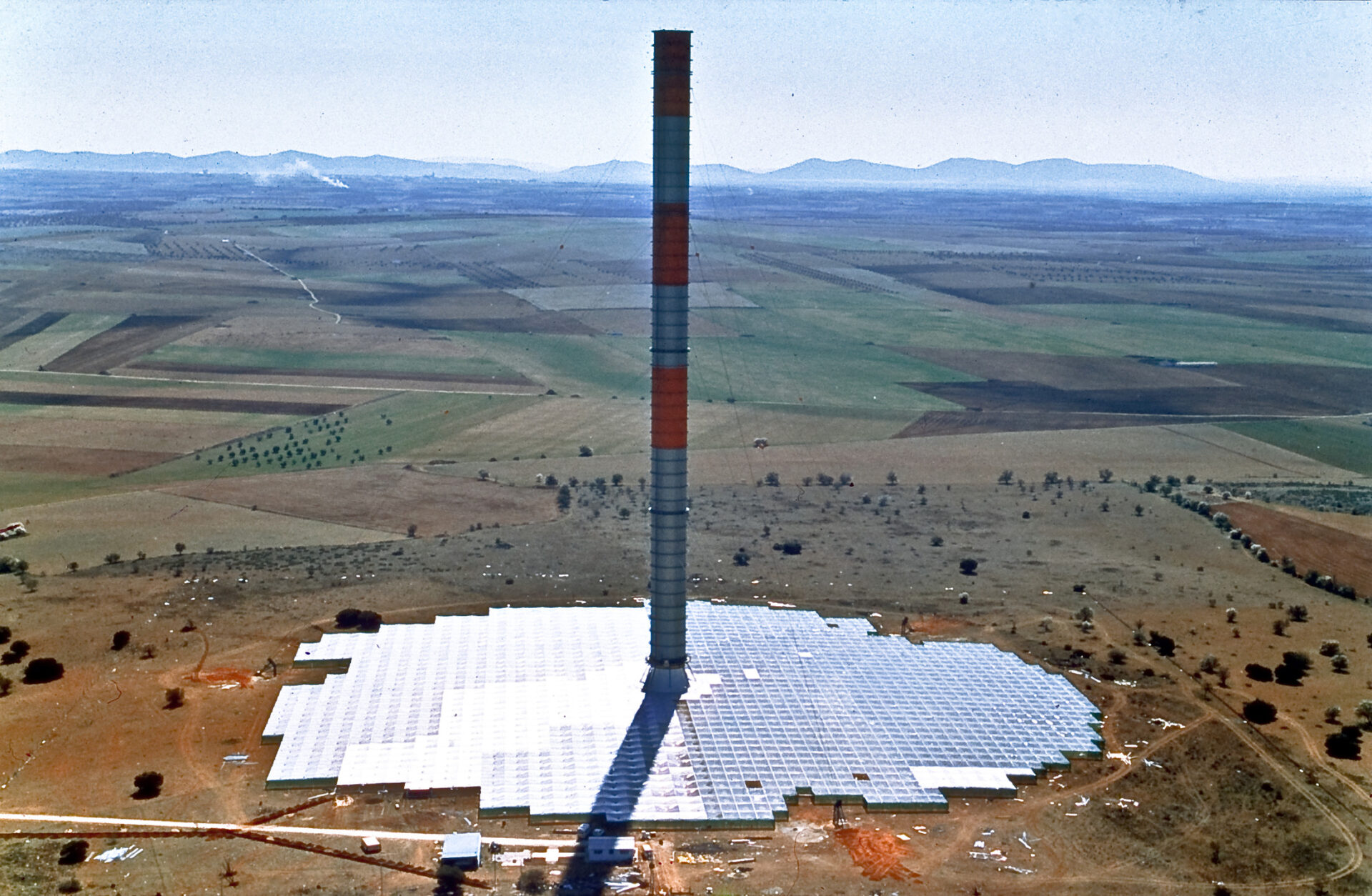
Solar Chimney in Spain Harnessed Sun to Generate Electricity for 7 Years Without Burning Fuel

According to G1, these devices can continuously monitor the plantation and act directly in pest control, ensuring more efficient operations. Furthermore, the fact that they “live” in the field allows for constant monitoring of the crops, something that previously depended on periodic visits from the producer or technical teams.
This autonomy is only possible because the robots use solar energy as the main energy source, eliminating the need for frequent recharges or refueling with traditional fuels.
Solar energy as the basis of agricultural innovation
Solar energy is one of the pillars of this technology and, at the same time, one of the factors that most contribute to its viability in the field. This is because the cost of electricity can be one of the biggest challenges for rural producers, especially in more remote areas.
According to a website specialized in energy in agriculture, the adoption of photovoltaic systems has grown precisely because it allows for reduced operational costs and greater energy autonomy. In this way, the robots can operate continuously, without relying on conventional electrical infrastructure.
Moreover, the use of solar energy is directly linked to sustainability. By replacing polluting sources, the producer reduces environmental impacts and aligns with new market demands, which value more responsible practices.
The role of artificial intelligence in pest control
Another central point of the technology presented at Agrishow is the use of artificial intelligence in pest monitoring and control. Through sensors and cameras, the robots analyze the environment in real-time, identifying weeds and potential threats to the crops.
According to information from the agricultural sector, this type of system allows for extremely precise action, as control is only carried out in the necessary areas. As a result, there is a significant reduction in the use of herbicides, avoiding waste and reducing environmental impacts.
Furthermore, the robots can operate during the day and night, which increases the efficiency of pest control. In many cases, this allows action before the problem spreads, enhancing crop protection.
Impacts on productivity and producer costs
With the adoption of solar-powered robots, producers gain a series of practical benefits. Firstly, there is a significant reduction in costs, especially with inputs and labor.
According to the G1 website, the technology was developed precisely with the aim of reducing herbicide use and increasing productivity, which directly impacts the producer’s profitability.
Additionally, continuous monitoring allows for more strategic decisions, based on real data collected in the field. This reduces errors and improves production planning throughout the harvest.
The importance of Agrishow in the evolution of agriculture
To understand the impact of this innovation, it is also important to consider the role of Agrishow in the history of Brazilian agribusiness. Created in 1994, the fair has become one of the main showcases of agricultural technology in Latin America.
According to the official website and industry records, the event brings together companies, experts, and producers interested in the most advanced market trends. Thus, Agrishow has become a fundamental space for the launch of technologies that shape the future of the field.
In the 2026 edition, held between April 27 and May 1, the highlight was precisely the integration between solar energy, artificial intelligence, and automation, showing that the sector is increasingly connected to innovation.
Access to technology for small and medium producers
Another important aspect highlighted in the news is the focus on accessible solutions. Companies are developing technologies that also serve small and medium producers, expanding the reach of these innovations.
According to G1, this strategy is fundamental to democratize access to technology and ensure that different profiles of producers can benefit from these solutions.
Moreover, the use of solar energy helps reduce operating costs, making the technology more economically viable. In this way, innovation ceases to be exclusive to large properties and becomes part of the reality of a greater number of producers.

Sustainability as a global trend
The adoption of solar energy in agribusiness also follows a global trend of more sustainable production. There is increasing pressure for practices that reduce environmental impacts and use resources efficiently.
In this scenario, technologies such as autonomous robots stand out, as they combine productive efficiency and environmental responsibility. By reducing the use of pesticides and using clean energy, the producer contributes to a more balanced agricultural model.
A new phase of Brazilian agriculture
Throughout history, Brazilian agribusiness has undergone several transformations, from mechanization to precision agriculture. Now, with the advancement of solar energy and artificial intelligence, the sector enters a new phase.
According to the G1 website, the robots presented at Agrishow show how technology can transform the way producers monitor, care for, and protect their crops.
In this way, the trend is that, in the coming years, these systems will become increasingly common in the field. As a result, Brazilian agribusiness is expected to become more efficient, sustainable, and connected to future demands.
In this context, solar energy ceases to be just an energy alternative and takes on a central role in agricultural innovation, being the basis for a new revolution in the field.